Induction Soldering for Circuit Boards: The ‘Invisible Expert’ of Precision Welding
In the microscopic world of electronic manufacturing, circuit board (PCB) soldering is a critical process that determines product performance and lifespan. Today, we will unveil an incredible technology—induction soldering for circuit boards—and see how it can ‘turn solder into gold’ in the blink of an eye!
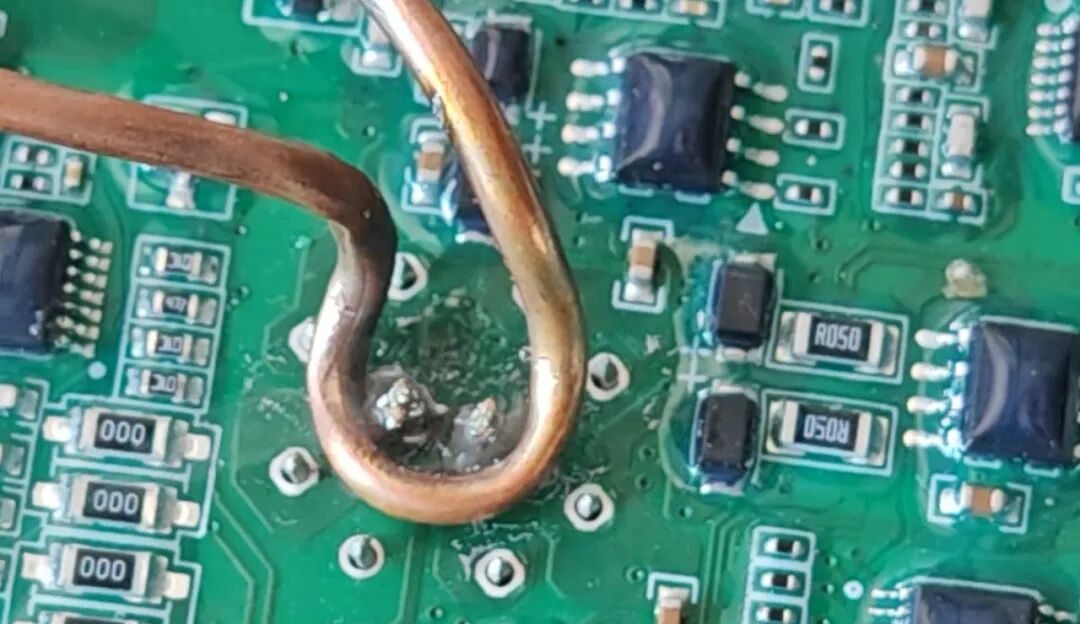
1. What is Induction Soldering?
Induction soldering, simply put, utilizes the principle of electromagnetic induction to rapidly generate eddy currents at the soldering point, achieving the melting and soldering of solder material. Unlike traditional soldering with a soldering iron or wave soldering, it acts like a ‘directional heating magic,’ precisely targeting the solder joint while leaving adjacent components ‘unmoved.’ It emphasizes precision, efficiency, and low damage!
2. Why Choose Induction Soldering for PCB?
1. Precise Temperature Control, Say Goodbye to ‘Thermal Damage’
With components densely packed on PCBs, traditional soldering can easily ‘burn the neighbors’ if not careful. Induction soldering can accurately lock onto the solder joint, rapidly heating the local area while having almost no effect on the temperature of surrounding components, allowing for safe soldering of delicate items like precision chips and temperature-sensitive devices.
2. Lightning-Fast Soldering Speed, Maximum Efficiency
Electromagnetic induction heating is extremely fast, instantly melting the solder material, resulting in quick and high-quality solder joints. During mass production, it significantly shortens the soldering cycle, directly boosting productivity, much to the delight of workers and secretly pleasing the bosses.
3. Solder Joint Quality as Steady as ‘Old Dogs’
Induction heating has excellent uniformity, ensuring complete melting and perfect wetting of the solder material, resulting in full and smooth solder joints, with a sharply reduced probability of cold soldering or false soldering. The reliability of the product is maximized, eliminating worries about after-sales issues!
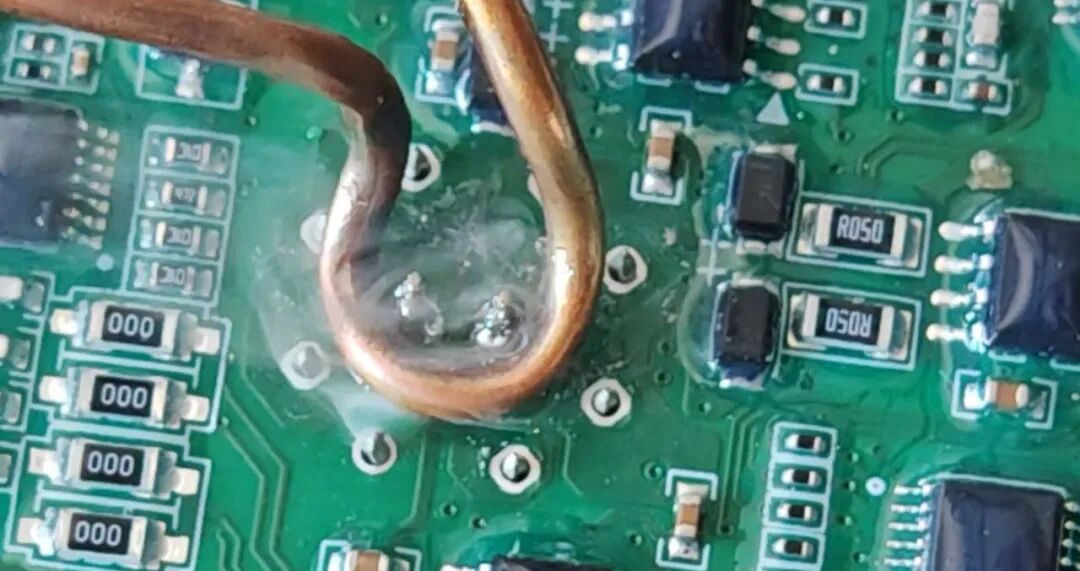
3. Application Scenarios of Induction Soldering
• High-end electronic devices: For example, mobile phones and computer motherboards, as components become smaller, the requirements for soldering precision are ‘sky-high.’ Induction soldering perfectly adapts to ensure stable performance.
• Automotive electronics: Engine control modules, onboard radars, etc., operate in complex conditions, and solder joints must be ‘as solid as a rock.’ Induction soldering supports automotive electronics to ‘speed ahead.’
• Aerospace: Under high reliability requirements, induction soldering safeguards precision circuits, where even the slightest mistake is unacceptable; it acts as the ‘quality gatekeeper.’
4. Practical Challenges and Solutions
Although induction soldering has numerous advantages, there are also some ‘small challenges’ in practice:
• Equipment Debugging: Designing induction coils and setting power parameters require repeated refinement to adapt to different solder joints.
• Personnel Skills: Operators need to understand electromagnetic principles and soldering processes; training ‘technical experts’ is crucial.
But don’t worry! Many equipment manufacturers now provide training, and with gradual exploration, you too can become a ‘soldering master’!
5. Future Trends: Induction Soldering + Smart Manufacturing
As the electronic industry develops towards ‘miniaturization and intelligence,’ induction soldering is also upgrading! By integrating machine vision and automatic programming, it is expected to achieve fully automated soldering in the future—where equipment automatically identifies solder joints and adjusts parameters, achieving a fully ‘unmanned’ process, with efficiency and precision reaching new heights. Just thinking about it is cool!
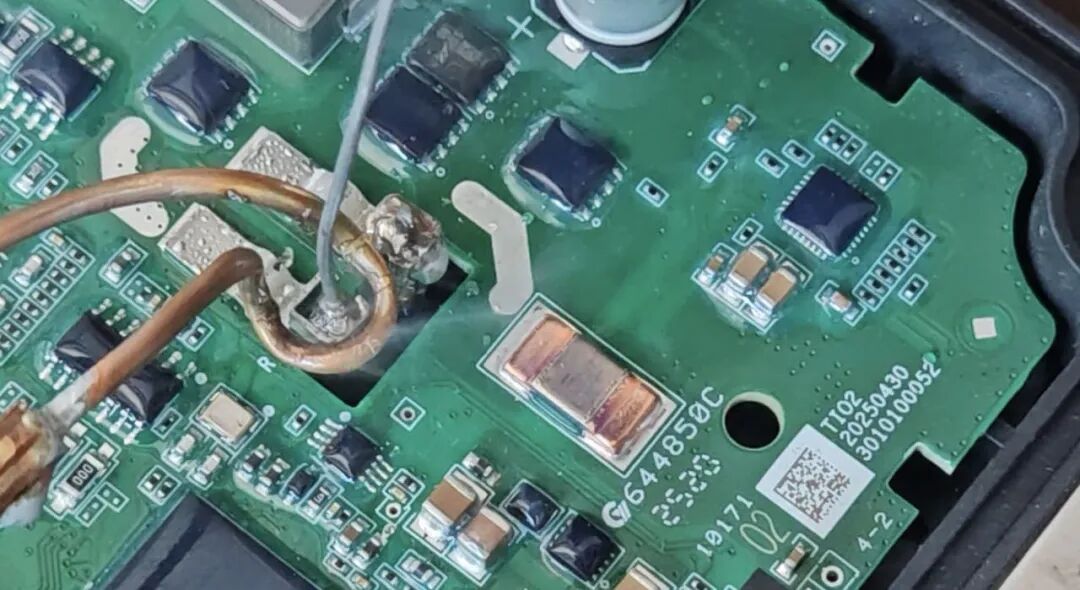
Induction soldering for circuit boards interprets ‘details determine success or failure’ with technological strength. In today’s increasingly competitive electronic manufacturing landscape, mastering this technology is like holding the ‘key’ to product quality. Whether you are an electronic engineer, a manufacturing giant, or an electronics enthusiast, you should try this ‘magical soldering technique’ to transform your circuit board soldering!
Want to learn more about cutting-edge electronic manufacturing technologies? Follow us for more industry insights, and see you next time!