In a corner of the balcony, there is a cluster of wild grass, untrimmed and rarely fertilized… They grow and wither naturally, without any regularity, just like their owner. Only from the fallen yellow bamboo leaves can one appreciate that these plants, which I consider treasures, have always been a spiritual support, once vibrant and colorful…
I was once deeply captivated by their blooming flowers; the wind at that time was sweet. For instance, the night when the night-blooming cereus blossomed.
Yesterday, while watering the plants, the winter air was cool, and I felt a bit down. Suddenly, amidst a tangle of thin branches, I saw the pale pink buds of the night-blooming cereus, and my spirits lifted. Upon closer inspection, almost every long leaf had buds extending… Oh my, this tenacious vitality has not been given fertile soil and nutrients, yet they thrive in the chaos of the world.
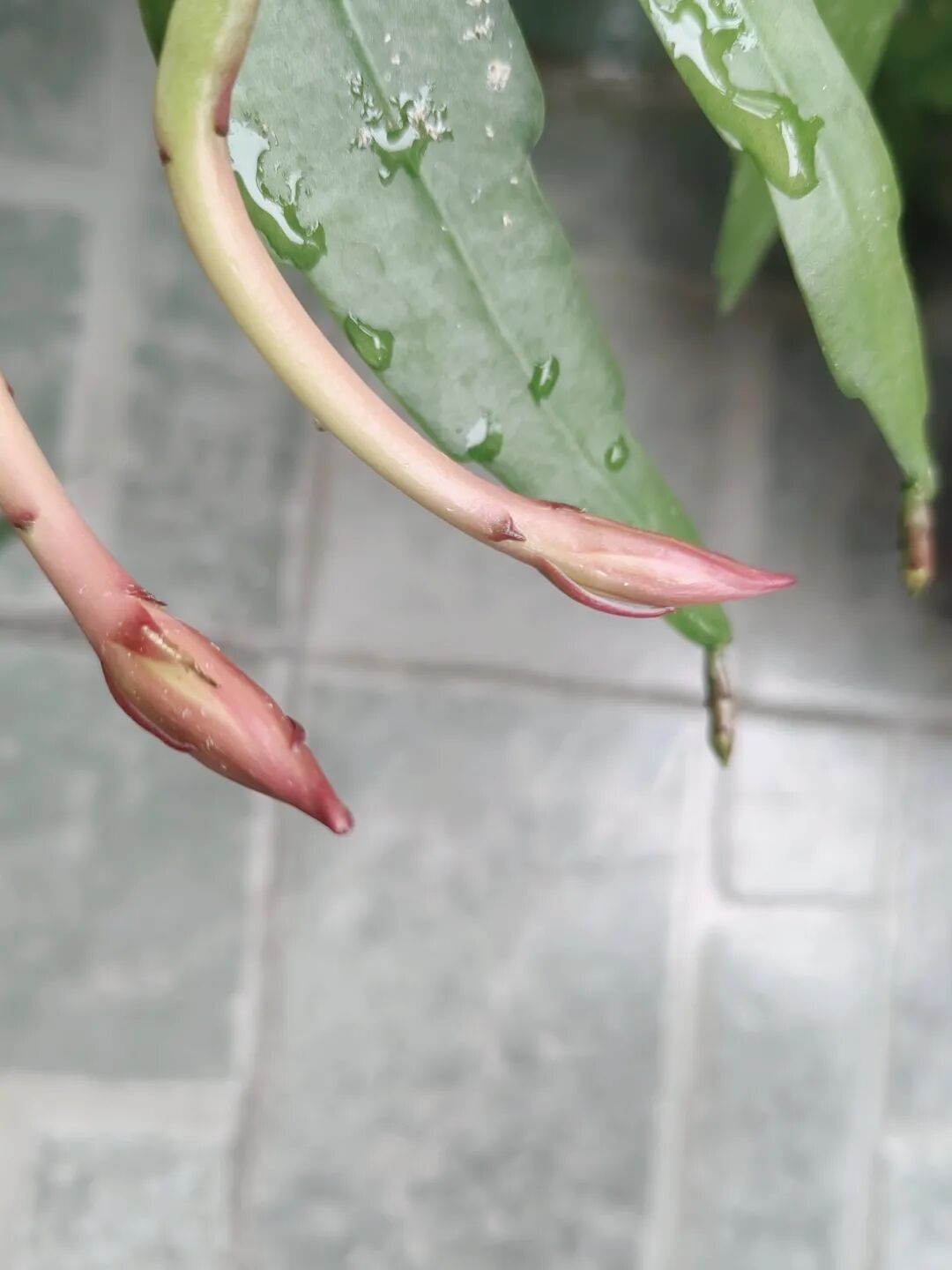
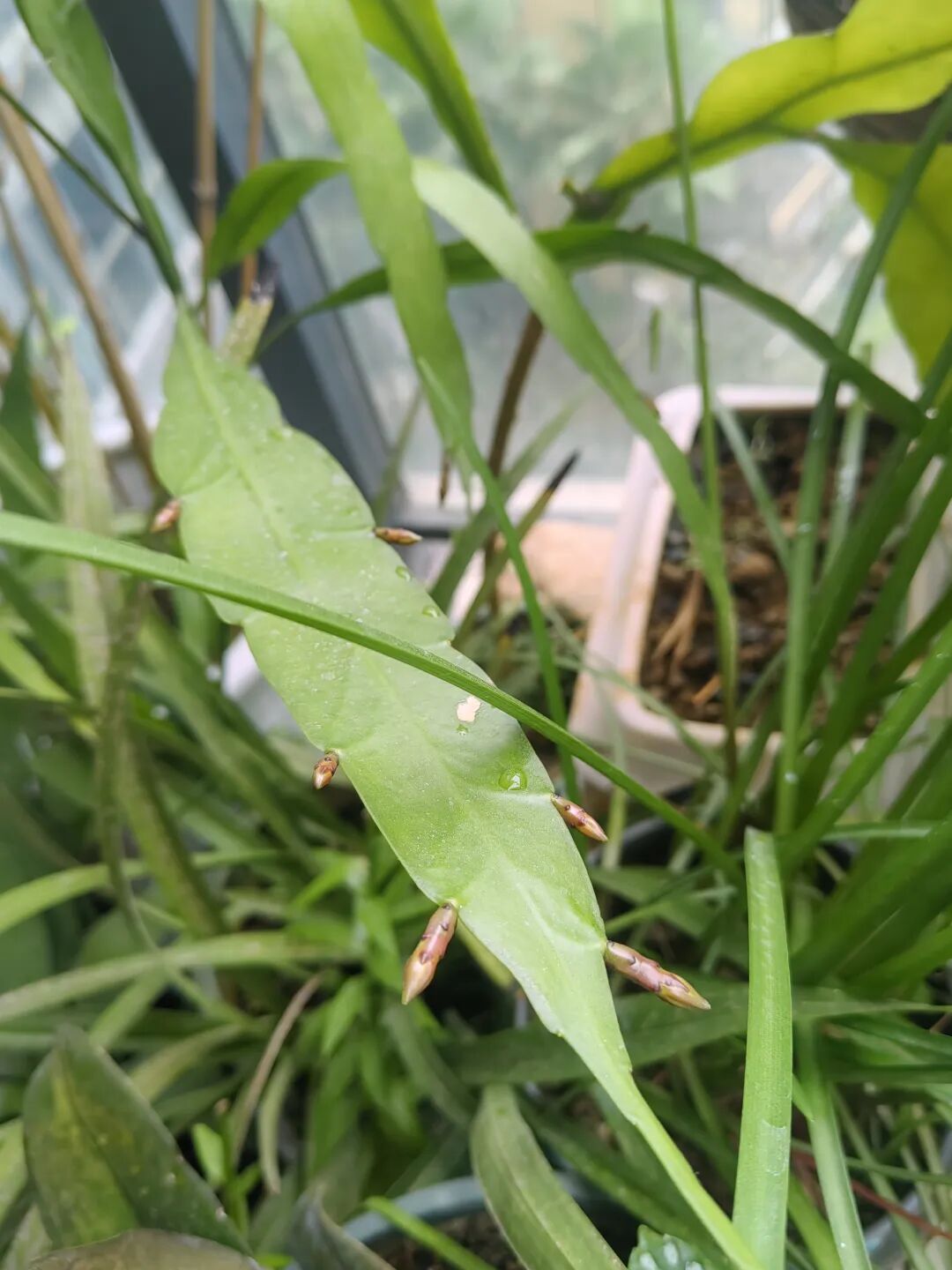
Ordinary, reserved, and silent, quietly gathering strength to answer their own existence over time.
Just like the Junior High student C I met in the hospital.
Every day in the hospital, stories of joy and sorrow unfold. The protagonists are of all ages, and the twists of fate can suddenly befall anyone hurrying by.
The rehabilitation hospital, a seemingly calm place with little fluctuation in life-threatening situations, hides countless ups and downs of life.
C, a junior high school boy, tall and sunny, is very chatty. I do not know his name, nor did I have the intention to approach him, but through some words pieced together by the doctors, I learned about his simple situation: blood deformity, burst blood vessels, and lower limb impairment after a stroke. When he walks, C’s feet point outward, and when he walks quickly, he appears light and weak.
In the rehabilitation training room, C cannot sit still; he seems to be quite familiar with the young doctors, already mingling with them, even chatting with some younger patients, mostly about games, the terminology of which I do not understand at all, like a foreign language.
C has dark skin and a tall stature; if you do not closely observe his legs while he walks, at first glance, he looks like a strong and handsome boy, wearing glasses and exuding a scholarly air.
Wandering through this building, apart from the rehabilitation room, I often encounter him slowly walking alone in the spacious downstairs area and the cafeteria. In moments of silence, C’s face carries a hint of youthful innocence and confusion. When he walks by, I sometimes think about chatting with him: while his peers are nervously preparing for the high school entrance exam in their classrooms, do you have any plans for your time every day?…
But I never approached him, only remembering the boy’s voice and a few stories.
I have never seen his parents come to visit; his frequent playmates are much younger elementary school students (brain injury patients in wheelchairs undergoing rehabilitation).
Gradually, I discovered that C’s conversations with the rehabilitation doctors included not only games but also massage techniques and acupoint knowledge, showing how important the environment is in cultivating interests.
I do not know what kind of man C will grow into in the future, nor can I guess whether he will also become a doctor.
Life has set a hurdle for him, but it has also opened a door to a broader and wider world, although the cost is somewhat high.
Whether I will meet C again is no longer important. In this chaotic world of the hospital, I see that he has the appearance of budding flowers in his heart; to achieve this blooming joy, he must pay more and endure greater hardships than ordinary people.