
The explosive development of AI has led the industry into a frenzy over technical parameters, while simultaneously neglecting the core contradictions that arise after implementation.
Especially in the field of AI Agents, most AI Agents adapt to scenarios starting from technical capabilities rather than building technology based on scenario requirements. Although most AI Agents possess basic intelligent capabilities, they fail to deeply integrate with business scenarios.
Authoritative organization Gartner has even poured cold water on this, predicting that by the end of 2027, 40% of Agentic AI projects will be canceled.
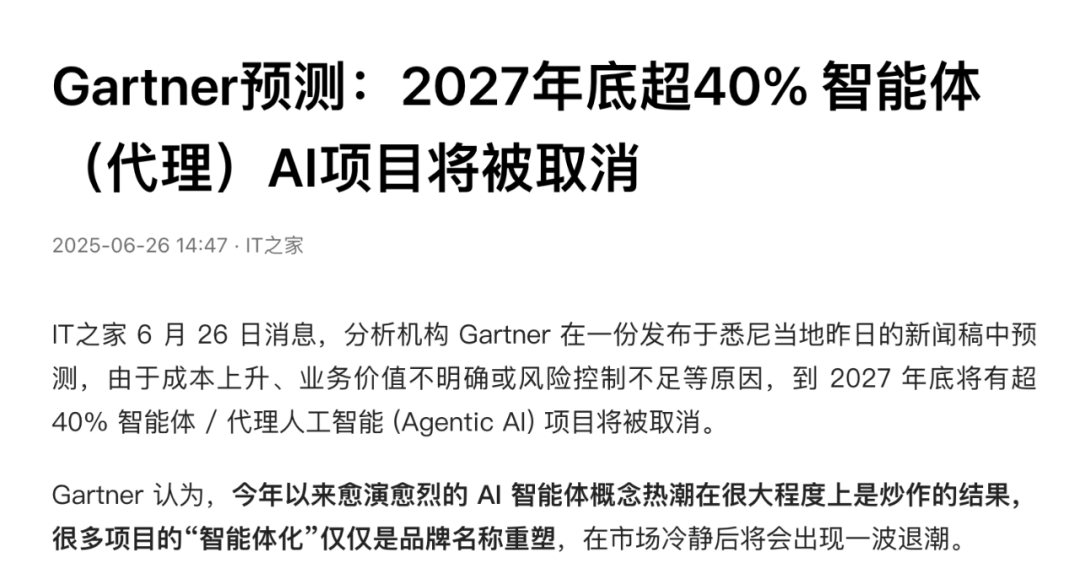
Image source: “IT Home”
To break this deadlock, AI Agents must turn to a “scene native” approach: making scenario requirements the core foundation, allowing technical logic to be deeply bound with business rules, achieving a transformation to “scene native”.
01 Scene Native: From Symbiotic Relationship to Logical Internalization to Essential Leap
The core of scene native is to make AI Agents an “organic part” of the scene rather than an “external tool”. However, the key obstacle preventing current AI Agents from achieving this goal lies in the misalignment between the developers and the understanding of the scene.
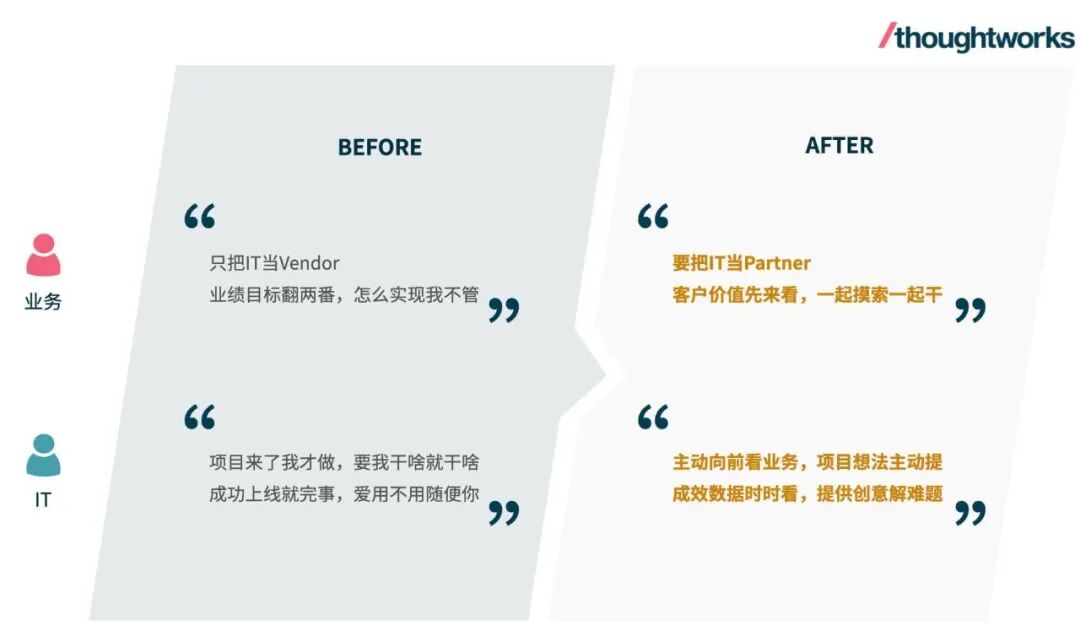
Image source: “Thoughtworks China”
Most AI Agents are developed by technical personnel, whose core focus is on optimizing model performance and implementing functional modules, yet they lack a deep understanding of the scene and precise comprehension of business logic.
Technical personnel excel at converting explicit processes into code logic but struggle to capture the industry logic within business scenarios, and are unable to understand the operational habits, risk judgment standards, and collaborative tacit knowledge formed by seasoned practitioners over long-term practice. This cognitive bias directly leads to AI Agents being disconnected from the core of the scene from the very beginning of development.
As we enter the stage of logical internalization, the misalignment of the developers will further amplify the disconnection between AI Agents and the scene.
Technical personnel’s deconstruction of business processes often remains at the level of node splitting and code implementation, failing to touch the “gene-level logic” of the scene. In contrast, business personnel can deconstruct the core logic behind the process from the perspective of “achieving business goals”, clarifying which nodes require intelligent decision-making, which links need to retain human intervention, and which data need to be integrated.
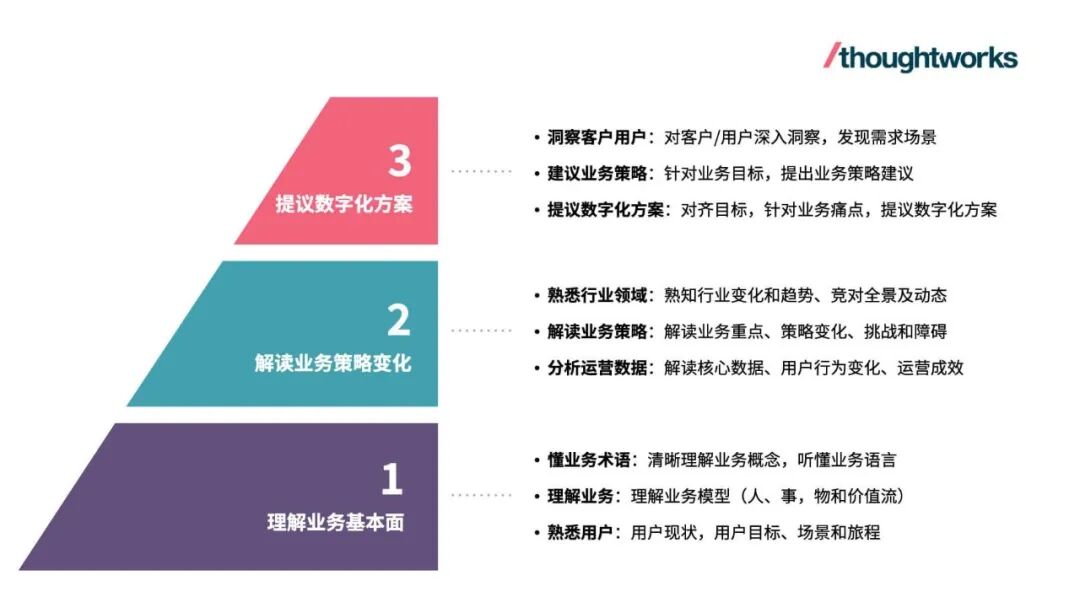
Image source: “Thoughtworks China”
Only with the deep involvement of business personnel can AI Agents truly internalize the underlying logic of the scene into their decision-making framework, avoiding falling into empty reasoning; they can also establish a dynamic interaction loop with the elements of the scene, achieving seamless linkage of systems, data, and processes while accurately grasping the exclusive language system of the scene.
This “technology + business” collaborative-driven internalization process may allow AI Agents to completely shed their tool attributes and become a digital extension of the scene.
02 Value Verification of Scene Native: From Usable to Reliable
The ultimate value of scene native lies in promoting AI Agents from “usable” to “reliable”. This reliability is reflected in the precise response to scene requirements and the continuous support for business goals. “Usable” only means that the agent has basic functions, while “reliable” requires it to maintain decision accuracy, execution stability, and risk controllability in complex scenarios.
From a decision-making perspective, a reliable scene native agent must comprehensively consider multidimensional factors within the scene, not only focusing on explicit data but also integrating implicit variables to form a comprehensive and realistic judgment; from an execution perspective, it must ensure the standardization and coherence of operational processes, avoiding impacts on business advancement due to process breaks or operational deviations.
The realization of this reliability depends on the construction of a scene closed-loop mechanism.
Every decision and execution of the agent will act on the scene, and the feedback from the scene will in turn optimize the agent’s model and strategy, forming a continuous cycle of “decision-execution-feedback-iteration”. Through this closed loop, the agent can continuously correct deviations and enhance its adaptability to the scene.
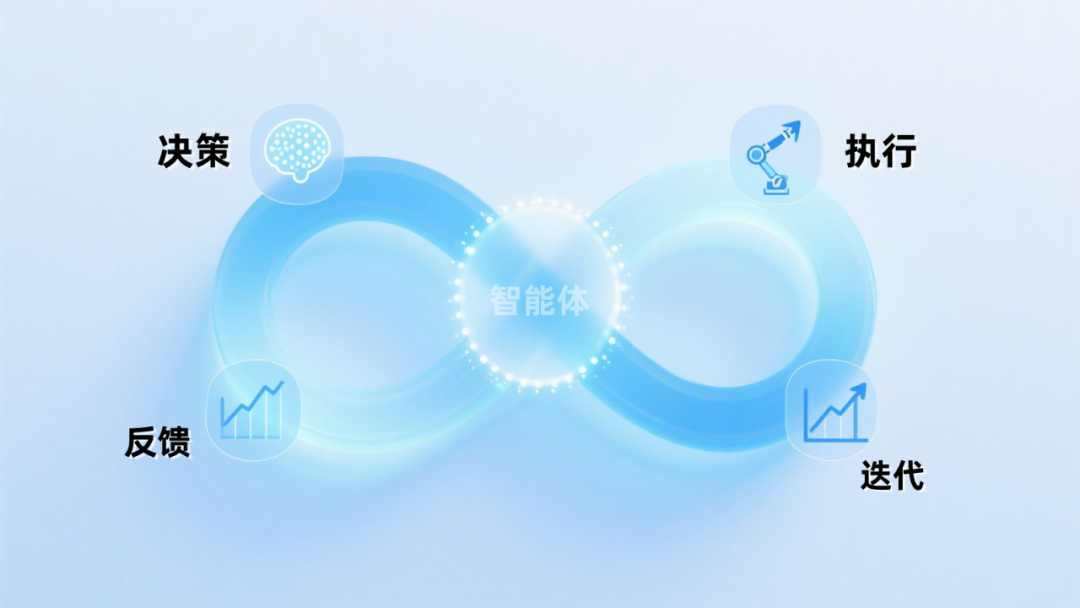
Continuous cycle of “decision-execution-feedback-iteration”
At the same time, scene native must also address the “boundary cognition” issue of AI Agents: clarifying their capability range within the scene, and for complex problems or high-risk tasks that exceed boundaries, they should be able to proactively identify limitations and hand over to human processing, rather than making blind decisions. This clear understanding of boundaries stems from a deep understanding of scene risk points. Only by clarifying the routine handling range and the exceptional situations requiring human intervention can we balance intelligent efficiency and business safety.
More importantly, by deeply binding with business data, process nodes, and target indicators within the scene, every function of AI Agents can correspond to specific dimensions of business improvement, such as process efficiency enhancement, error rate reduction, and resource consumption optimization. This quantifiable value not only validates the implementation effect of the agent but also provides clear direction for subsequent iterations, promoting the collaborative evolution of the agent and the scene.
03 Jiukexinxi’s bit-Agent: Scene Native Intelligent Office Practice
As a practitioner of the scene native concept in the office field, Jiukexinxi has redefined the core standards of enterprise-level agents with bit-Agent.
As the first commercially implemented GUI Agent (Graphical User Interface Operating Agent) in China, bit-Agent abandons the functional stacking “routine” and becomes an inseparable digital employee in the office scene through a closed-loop design of “dialogue interaction-process execution-autonomous decision-making-continuous learning”.
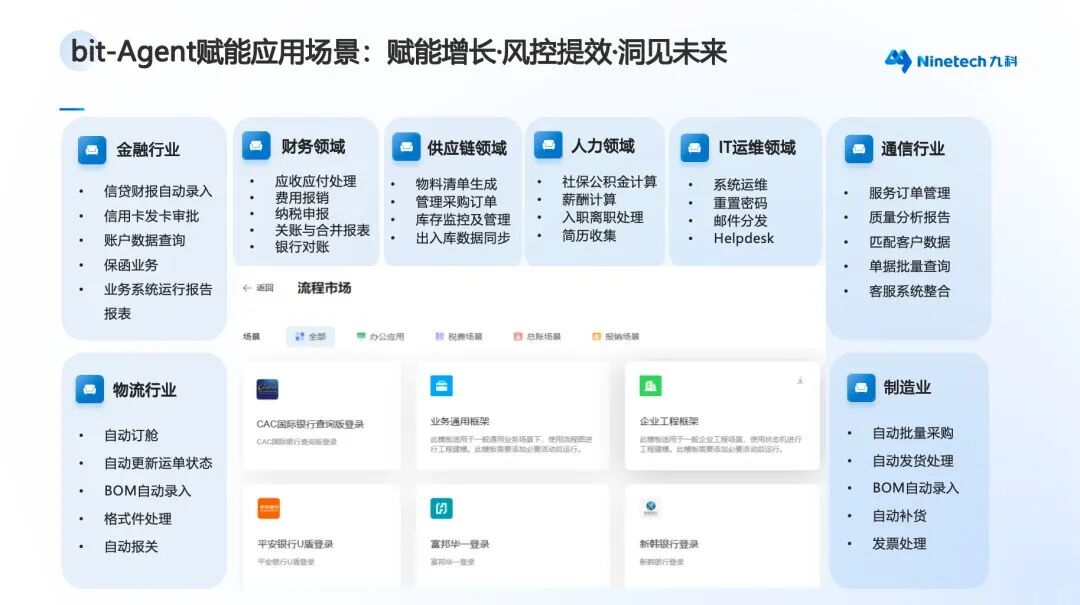
Rich application scenarios of Jiukexinxi’s bit-Agent
In terms of technical architecture, bit-Agent innovatively achieves deep integration of RPA and large models: it retains the precision and stability of RPA in graphical interface operations while endowing it with the understanding of natural language and reasoning capabilities for complex processes through large models.
This architecture allows the agent to directly interpret user instructions and automatically decompose them into execution steps that comply with office processes, completing the entire process without human intervention while synchronizing operational progress in real-time, ensuring users have a clear grasp of task status.
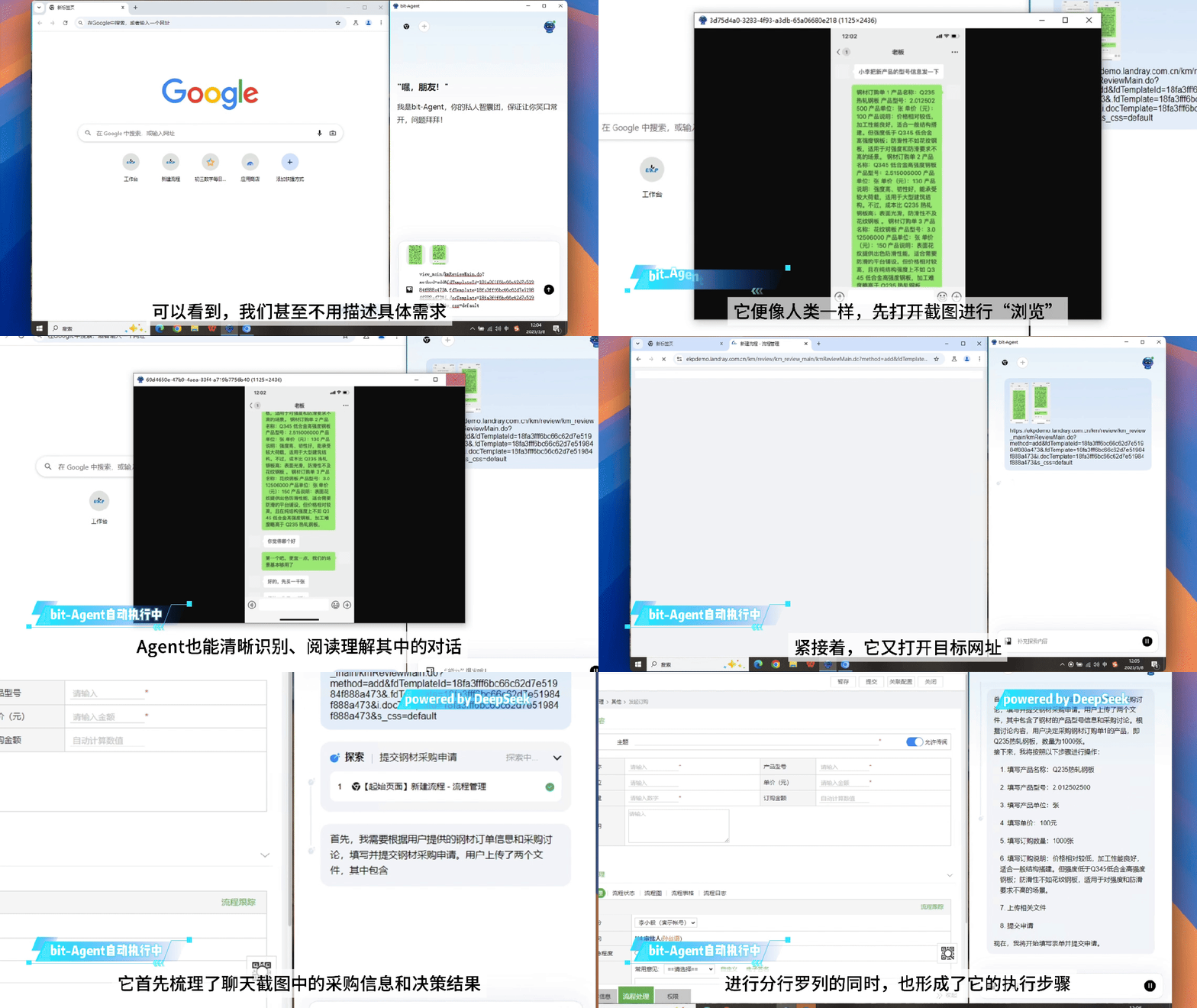
Large models endow bit-Agent with powerful understanding and reasoning capabilities
In terms of core capabilities, bit-Agent’s key advantage lies in its deep decoding of the implicit rules of the office scene. Through long-term accumulation and analysis of office processes, it internalizes the internal approval authority system, decision basis, and historical processing experience into its decision logic, achieving intelligent performance of “understanding rules, making judgments, and being able to decide”.
In response to the dynamic changes in the office scene, bit-Agent also has a built-in “capability solidification” mechanism: after completing a certain type of task for the first time, the system automatically generates a standardized execution process and solidifies it as a “capability template”, allowing subsequent similar tasks to directly call the template, avoiding efficiency losses and risks caused by repeated reliance on large models, while ensuring consistency and standardization of operations.
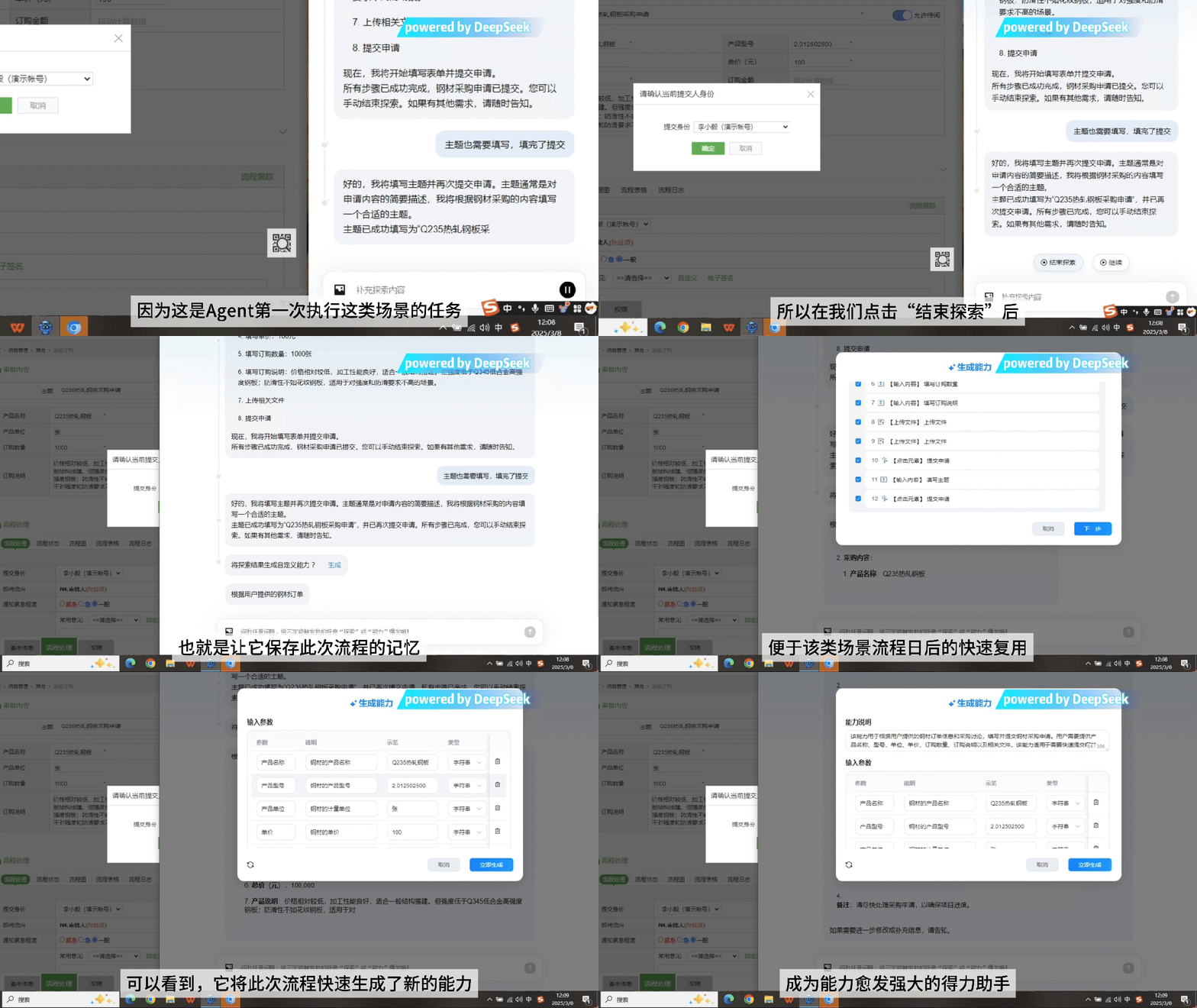
Bit-Agent’s “process solidification” capability
In terms of security and compliance, bit-Agent builds a trustworthy office environment through multiple mechanisms: all process operations leave real-time traces, ensuring that every decision and execution is traceable and intervenable; it has dynamic repair capabilities for interface changes or process anomalies, automatically adjusting operational paths and recording solutions; at the same time, it supports private deployment, deeply adapting to enterprise data security standards, ensuring both intelligent efficiency and the security and compliance of office data.
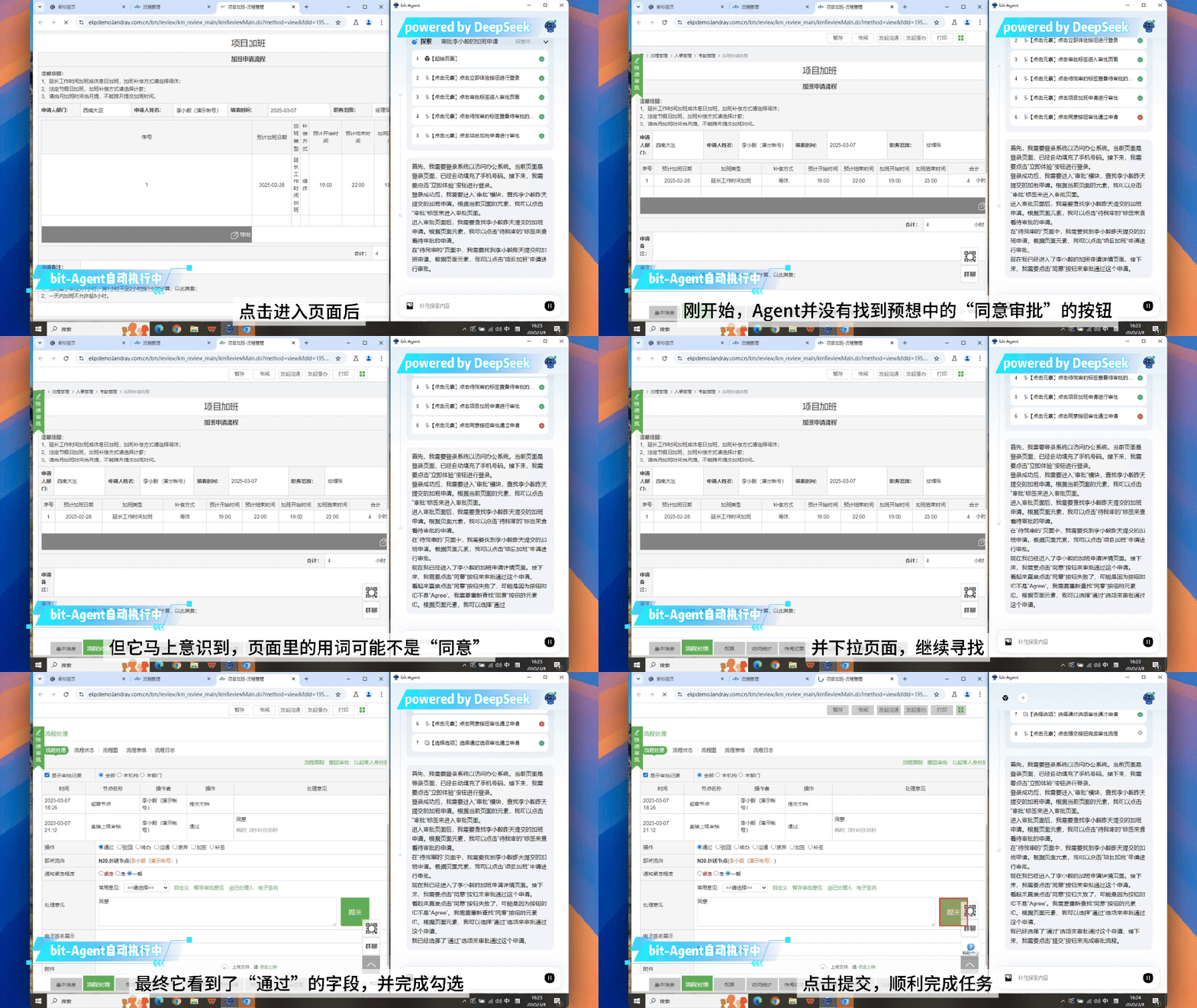
Bit-Agent’s “dynamic repair” capability
As commercialization becomes the primary issue for AI, the competition in the agent industry will ultimately return to the essence of the scene. With the continuous integration of the new generation of large model technology, bit-Agent will continue to break through in the intelligence depth and operational precision in office scenarios, promoting the upgrade of office intelligence from auxiliary tools to decision partners.

⬇️ Click“Read the original text”, and immediately start your digital transformation journey!