


Maichi Electronics provides a full range of power module cost-effective solutions.
Power modules are an essential component in electronic devices, converting the input voltage to the voltage required by the device to ensure its normal operation. Today, we will introduce the commonly used types of power modules, their characteristics, and application scenarios.
1. Linear Power Modules
Linear power modules are power modules that convert input voltage to output voltage. Their working principle is based on the voltage division principle using resistors, adjusting the resistance value of a variable resistor to achieve output voltage regulation. Linear power modules have the following characteristics:
1. Stable Output Voltage: The output voltage of linear power modules is relatively stable with minimal fluctuations, suitable for devices that require high voltage stability.
2. Low Ripple Noise: Linear power modules have low ripple noise, which has a minimal impact on electronic devices.
3. Lower Efficiency: Due to their working principle, linear power modules have relatively low efficiency, generally between 40% and 60%.
4. Larger Size: Linear power modules are relatively large, which is not conducive to the miniaturization of electronic devices.
Linear power modules are commonly used in devices that require high voltage stability, such as medical equipment and communication devices.
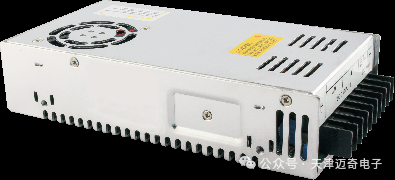 2. Switching Power Modules Modules
Switching power modules are power modules that utilize switching devices (such as transistors, MOSFETs, etc.) for voltage conversion. Their working principle involves controlling the input voltage through switching devices to achieve output voltage regulation. Switching power modules have the following characteristics:
1. High Efficiency: Switching power modules have high efficiency, generally between 80% and 90%, and even higher.
2. Small Size: Due to their working principle, switching power modules are relatively small, which is beneficial for the miniaturization of electronic devices.
3. Higher Ripple Noise: Switching power modules have relatively high ripple noise, but it can be reduced through filtering circuits.
4. Adjustable Output Voltage: The output voltage of switching power modules can be adjusted using PWM (Pulse Width Modulation) technology, providing good adjustability.
Switching power modules are widely used in various electronic devices, such as computers, mobile phones, and household appliances.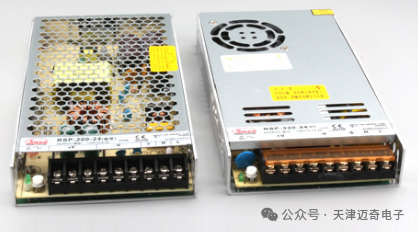
3. Voltage Regulator Modules
Voltage regulator modules are power modules that can stabilize the input voltage within a certain range. Their working principle involves feedback control, monitoring the output voltage in real-time, and adjusting the input voltage to ensure output voltage stability. Voltage regulator modules have the following characteristics:
1. Good Voltage Stability: Voltage regulator modules can stabilize the output voltage within a certain range with minimal fluctuations.
2. Strong Load Adaptability: Voltage regulator modules can adapt to different load changes, ensuring output voltage stability.
3. Low Ripple Noise: Voltage regulator modules have low ripple noise, which has a minimal impact on electronic devices.
4. Higher Efficiency: Voltage regulator modules have high efficiency, generally between 70% and 90%.
Voltage regulator modules are commonly used in devices that require high voltage stability, such as communication equipment and medical devices.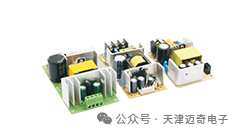
4. DC-DC Converter Modules
DC-DC converter modules are power modules that convert DC input voltage to DC output voltage. Their working principle involves using switching devices for voltage conversion and filtering through inductors, capacitors, and other components. DC-DC converter modules have the following characteristics:
1. High Efficiency: DC-DC converter modules have high efficiency, generally between 80% and 95%.
2. Small Size: DC-DC converter modules are relatively small, which is beneficial for the miniaturization of electronic devices.
3. Adjustable Output Voltage: The output voltage of DC-DC converter modules can be adjusted using PWM technology, providing good adjustability.
4. Strong Load Adaptability: DC-DC converter modules can adapt to different load changes, ensuring output voltage stability.
DC-DC converter modules are widely used in various electronic devices, such as mobile phones, laptops, and communication devices.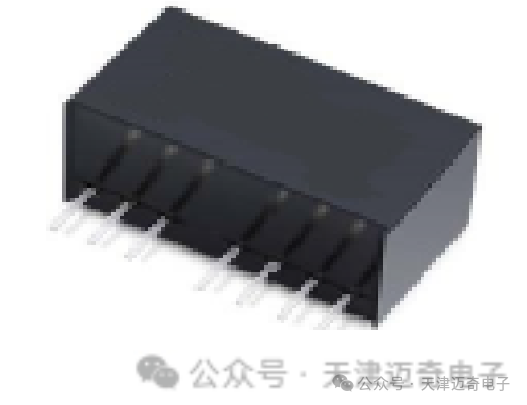
5. AC-DC Converter Modules
AC-DC converter modules are power modules that convert AC input voltage to DC output voltage. Their working principle involves using rectifier circuits to convert AC voltage to DC voltage and filtering through filtering circuits. AC-DC converter modules have the following characteristics:
1. Wide Input Voltage Range: AC-DC converter modules can adapt to a wide input voltage range, such as 85~265V.
2. Stable Output Voltage: AC-DC converter modules can stabilize the output voltage within a certain range with minimal fluctuations.
3. Higher Efficiency: AC-DC converter modules have high efficiency, generally between 70% and 90%.
4. Strong Load Adaptability: AC-DC converter modules can adapt to different load changes, ensuring output voltage stability.
AC-DC converter modules are widely used in household appliances, communication devices, medical equipment, and more.
6. Module Power Supply
Module power supplies are power modules that integrate power management functions. Their working principle involves integrating power management circuits with power conversion circuits into a single module to control and manage the power supply. Module power supplies have the following characteristics:
1. High Integration: Module power supplies integrate power management circuits with power conversion circuits into a single module, achieving high integration.
2. Easy to Design: Module power supplies have standardized interfaces, facilitating the design and development of electronic devices.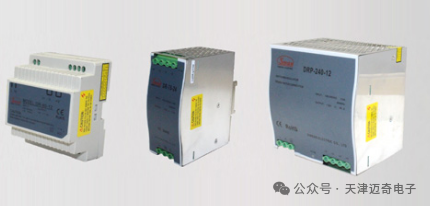

Industrial Automation Industry
Electronic and Electrical Component Solutions