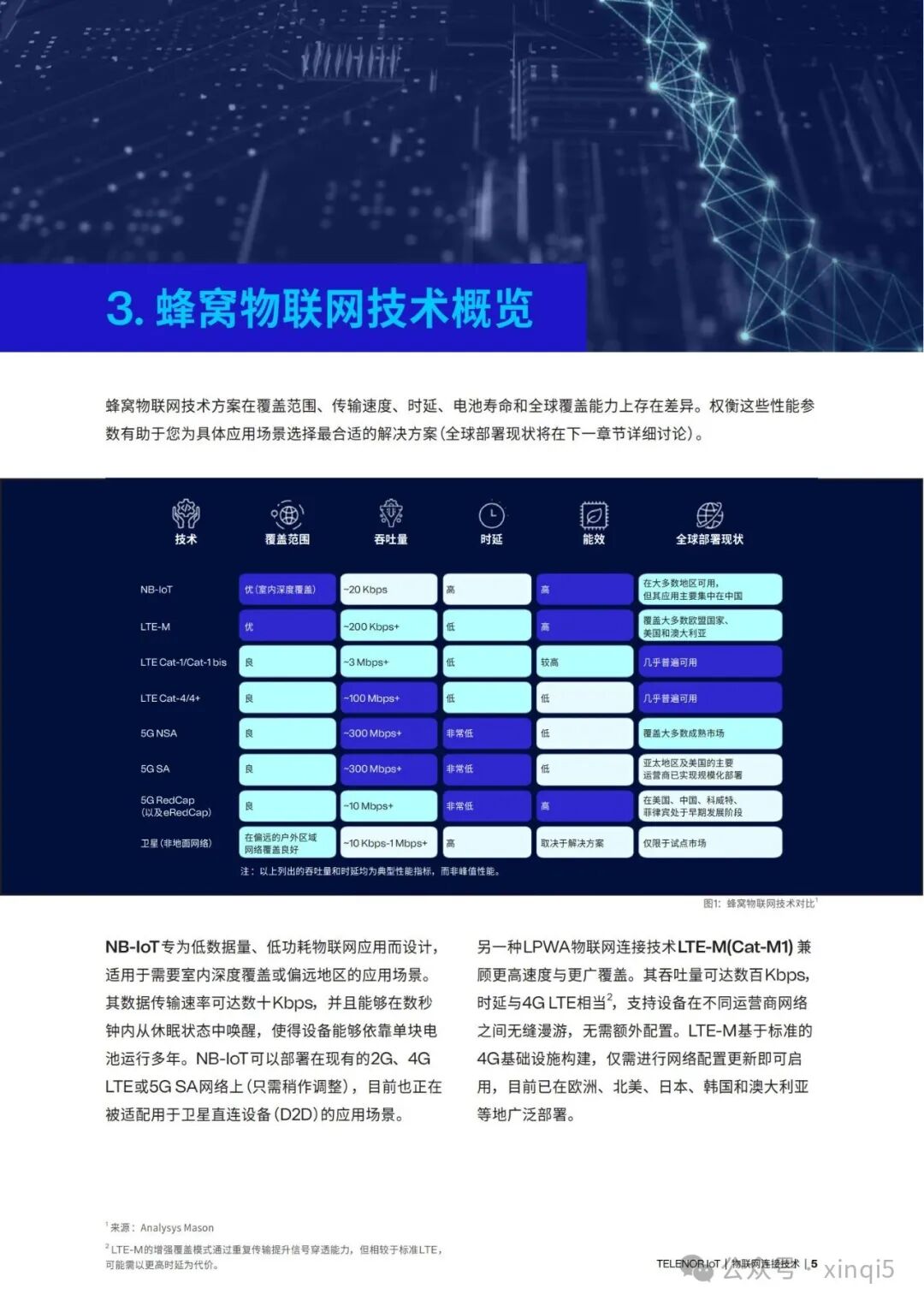
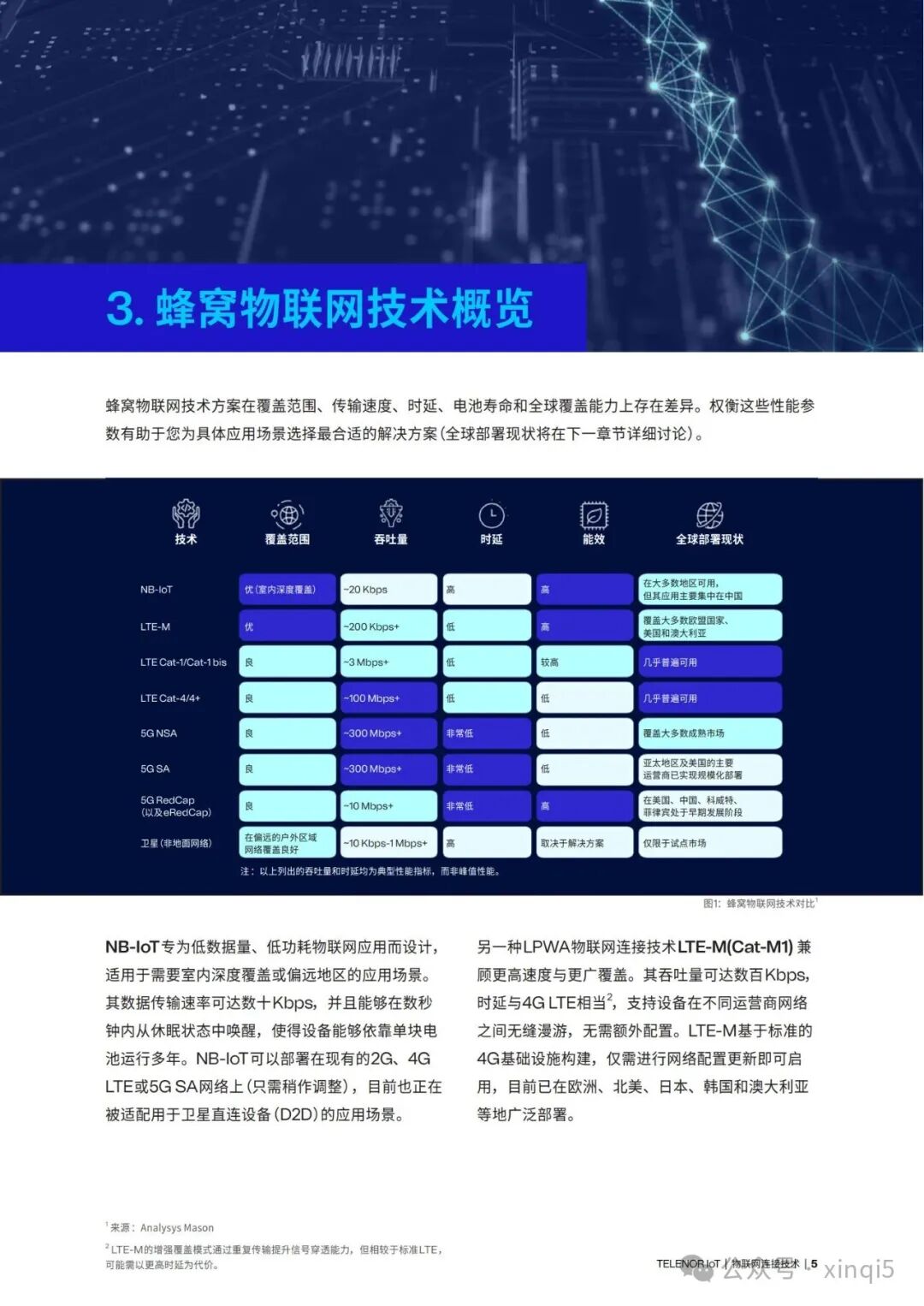
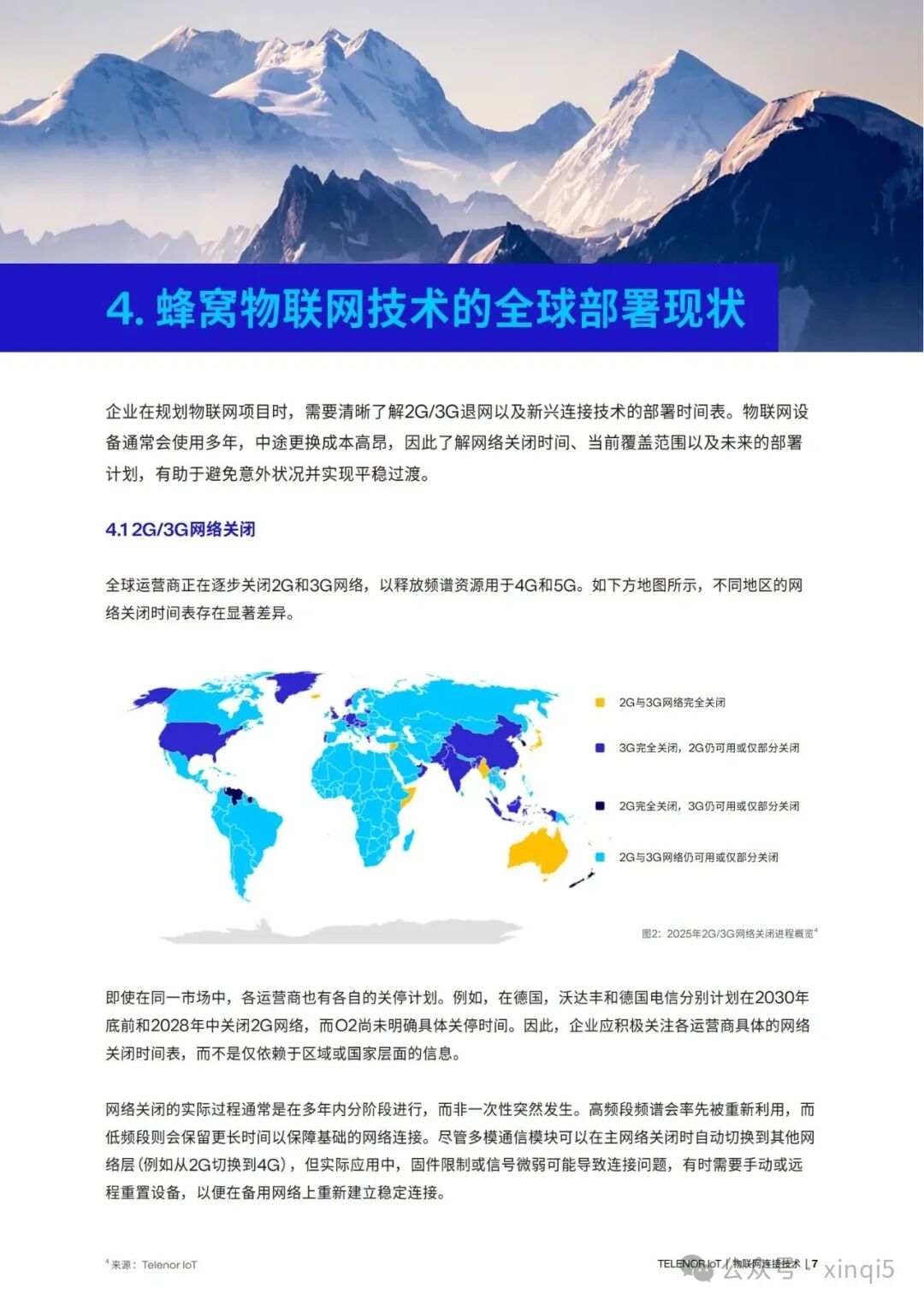
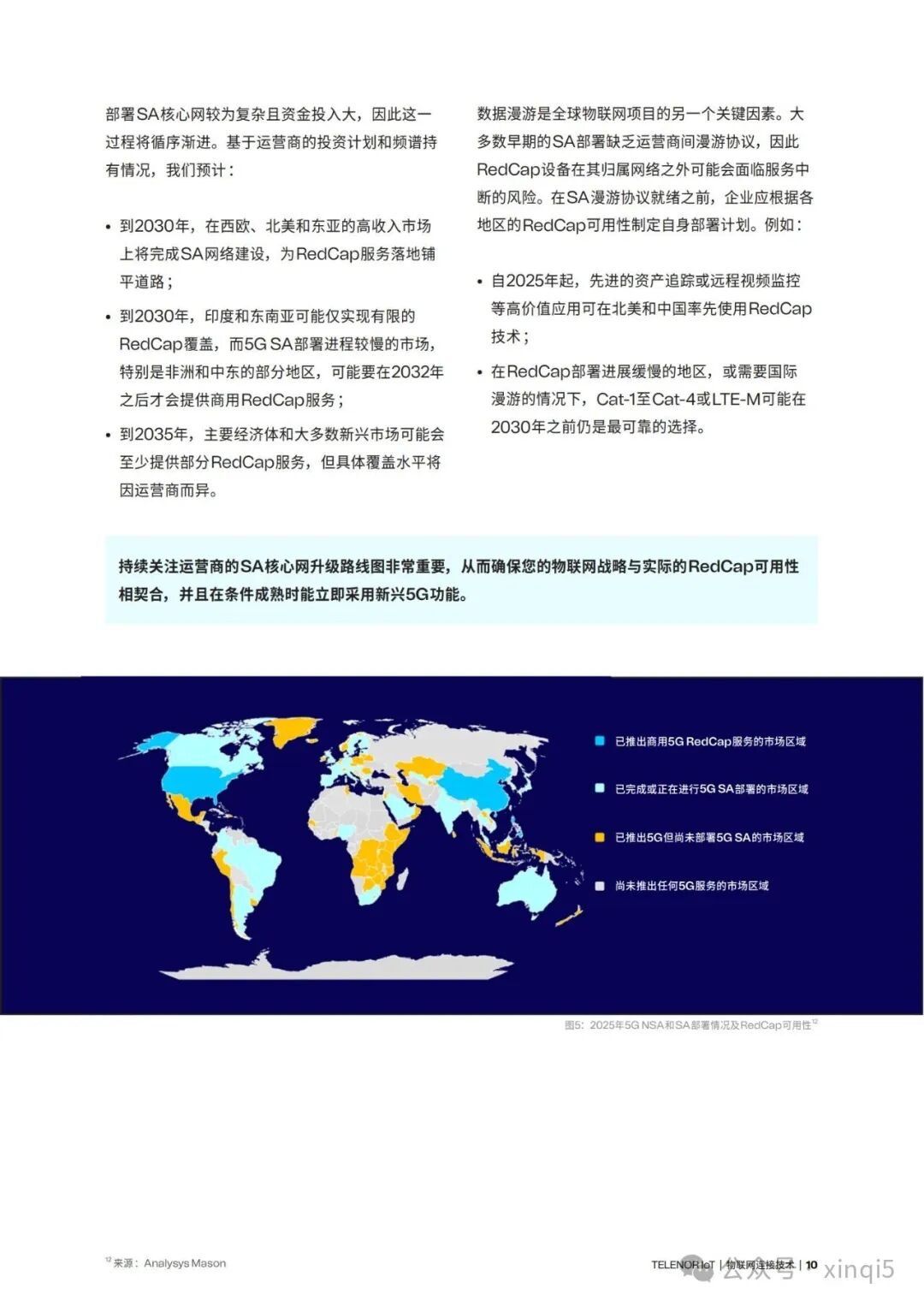
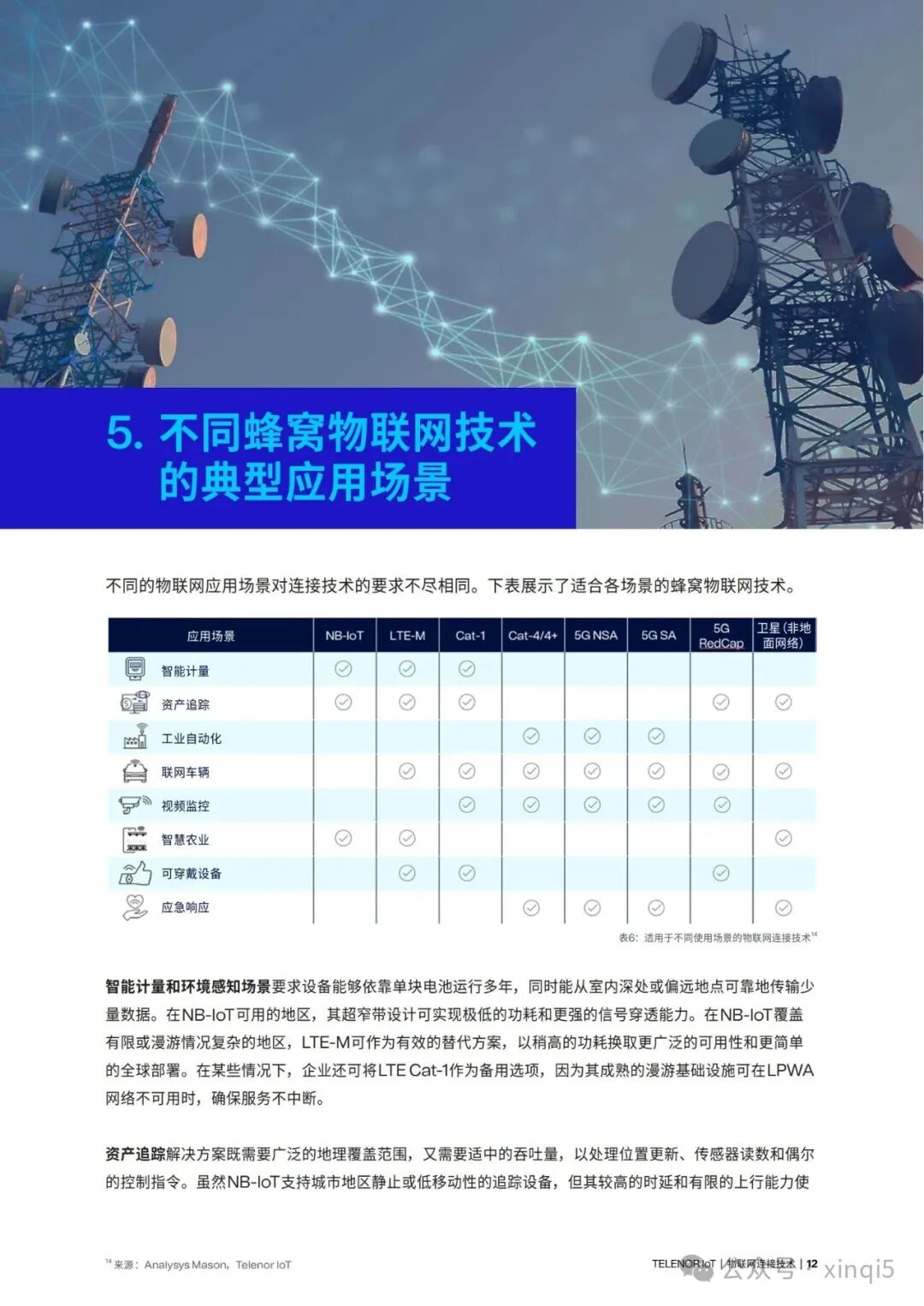
Choosing the right connectivity technology is crucial for the long-term stable development of a company’s business. Today, as IoT technology continues to iterate and innovate, its complexity has also increased. Matching the most suitable connectivity technology to your business scenario may not be an easy task. This guide is applicable to companies that have already deployed IoT solutions as well as those planning or evaluating new IoT projects. In fields such as logistics, manufacturing, utilities, and transportation, stable network connectivity is particularly critical, as even a short network outage can lead to serious consequences. With the gradual phasing out of 2G and 3G networks and the rapid emergence of new technologies, making informed decisions based on current needs and future developments is more important than ever. In the following sections, we will briefly introduce the most important cellular IoT technologies today, covering both mature and emerging technologies, including 2G, 3G, 4G, 5G, and non-terrestrial networks (NTN). Using data from Analysys Mason and Telenor IoT, we will evaluate each technology from four dimensions: coverage, latency, energy efficiency, and global deployment status, helping you make informed choices. The key points are summarized as follows:•Reliability and lifecycle of 4G networks:4G is currently the most widely used and globally accessible IoT connectivity solution, and it is expected to maintain this position for the next decade, providing stable performance and coverage assurance for various IoT application scenarios. Cautious expectations for 5G RedCap (reduced capability 5G):5G RedCap fills the gap between low-power and high-performance IoT application scenarios, but its adoption depends on the deployment progress of 5G SA (standalone) networks, which are still in the early stages of construction. The wider deployment of 5G RedCap may not be realized until around 2030. Cautiously optimistic about non-terrestrial networks:Satellite-based IoT technology can connect devices directly via satellite, extending coverage to remote areas. Some solutions reuse 4G spectrum through operator collaboration, while others use NB-loT technology on dedicated satellite frequency bands. However, the promotion and application of this technology will exhibit phased and gradual characteristics due to regulatory approvals, spectrum resource allocation, and technological maturity.By reading this article, companies will gain a clear understanding of current and future IoT technology options, enabling them to formulate strategic investment decisions that align with market development trends. For example, companies currently deploying or upgrading IoT solutions can adopt proven mature technologies (such as LTE Cat-1 and LTE-M), while planning for 5G RedCap and non-terrestrial networks in advance can help ensure the future adaptability of their IoT strategies.The IoT connectivity ecosystem has rapidly evolved from its initial consumer-centric form, through strong promotion around low-power wide-area network (LPWA) technologies, to today’s mature and diversified landscape. Companies not only rely on IoT to expand system functionalities but also view it as a key driver for enhancing efficiency, highlighting competitive advantages, and ensuring overall business continuity.When planning IoT projects, companies need to clearly understand the timeline for the phase-out of 2G/3G networks and the deployment schedules of emerging connectivity technologies. IoT devices typically have a long lifespan, and the cost of replacement can be high, so understanding network shutdown times, current coverage, and future deployment plans can help avoid unexpected situations and achieve a smooth transition.Even within the same market, operators have their own shutdown plans. For example, in Germany, Vodafone and Deutsche Telekom plan to shut down their 2G networks by the end of 2030 and mid-2028, respectively, while O2 has not yet specified a shutdown time. Therefore, companies should actively monitor the specific network shutdown timelines of each operator rather than relying solely on regional or national information.

 To download the PDF file, please click→Qiusu Technology Group←, search: connectivity technology