
Click the blue text to follow us
When students at Carnegie Mellon University climbed three flights of stairs for a bottle of cold cola, they probably did not realize that their “battle of wits” with a vending machine quietly marked the beginning of the Internet of Things era.
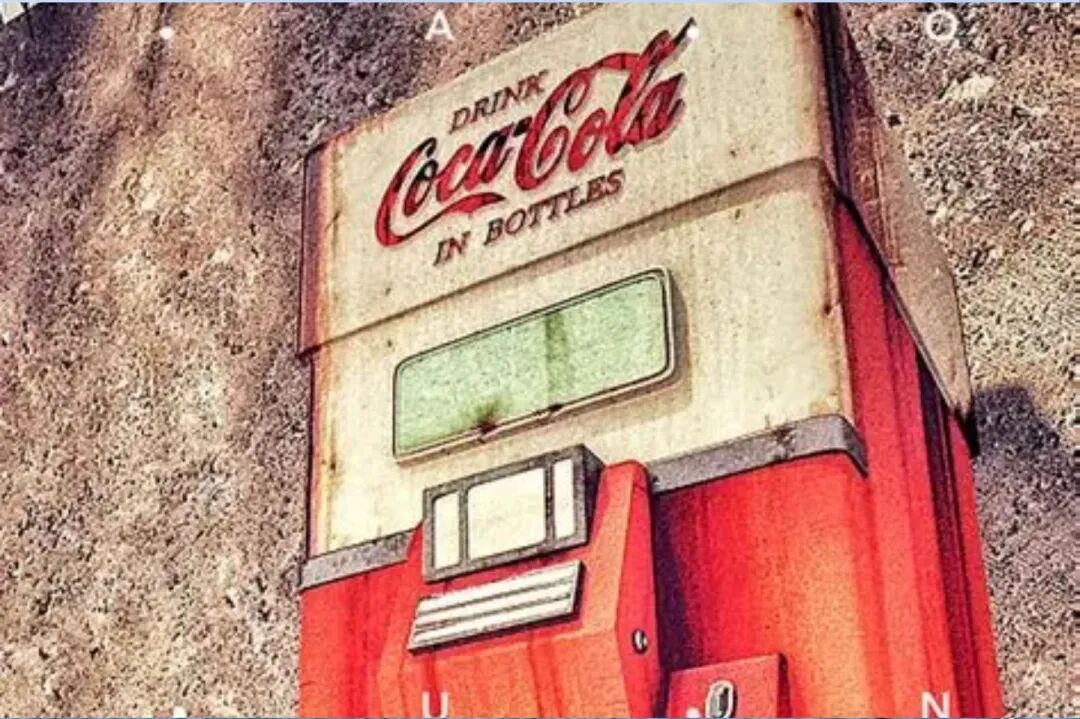
In 1982, there was a popular cola vending machine at Carnegie Mellon University in the United States.
However, some issues with the machine left students frustrated.
Students climbed three flights of stairs to buy cola, only to find the machine empty. Even if they were lucky enough to get a cola, it might be one that had just been loaded and not yet chilled, still warm and far from the refreshing coolness they anticipated.
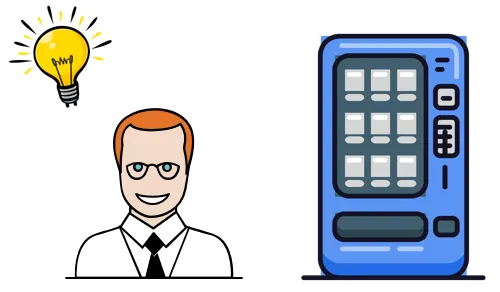
Finally, in 1982, three programmers came together to solve this problem. They installed a micro switch in the vending machine and connected it to a Finger server in the university’s computer science department, running a server program to receive updates on the micro switch’s status.
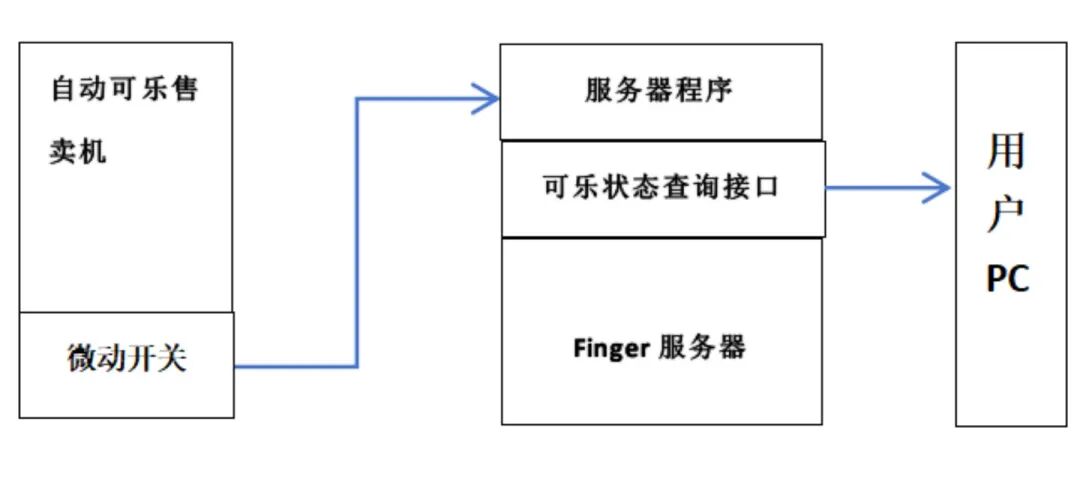

The server also implemented a Finger query interface to provide users with query functionality. This way, students could remotely check the status of the cola vending machine from their PCs: the quantity and temperature (estimated based on how long the cola had been in the machine).
In fact, later on, since this Finger server was directly connected to the internet, anyone on the internet could log in from anywhere to check the status of this vending machine. From this perspective, this vending machine, the server program, and the interface together formed a genuine Internet of Things system, and it is documented as one of the earliest IoT systems.

Interestingly, the university even created a webpage for this vending machine, detailing its legendary history.
Link: https://www.cs.cmu.edu/~coke/
Fast forward to 1991, scientists at the Cambridge University Trojan Computer Lab needed to walk down two flights of stairs to check if the coffee was ready, often returning empty-handed, which affected their work time and mood, leaving them tired and frustrated. To solve this hassle, they wrote a program and installed a portable camera next to the coffee pot, aimed at the pot, using computer image capture technology to transmit at a rate of 180 f/s to the lab’s computer, allowing scientists to check if the coffee was ready at any time, saving them the trouble of going up and down the stairs.
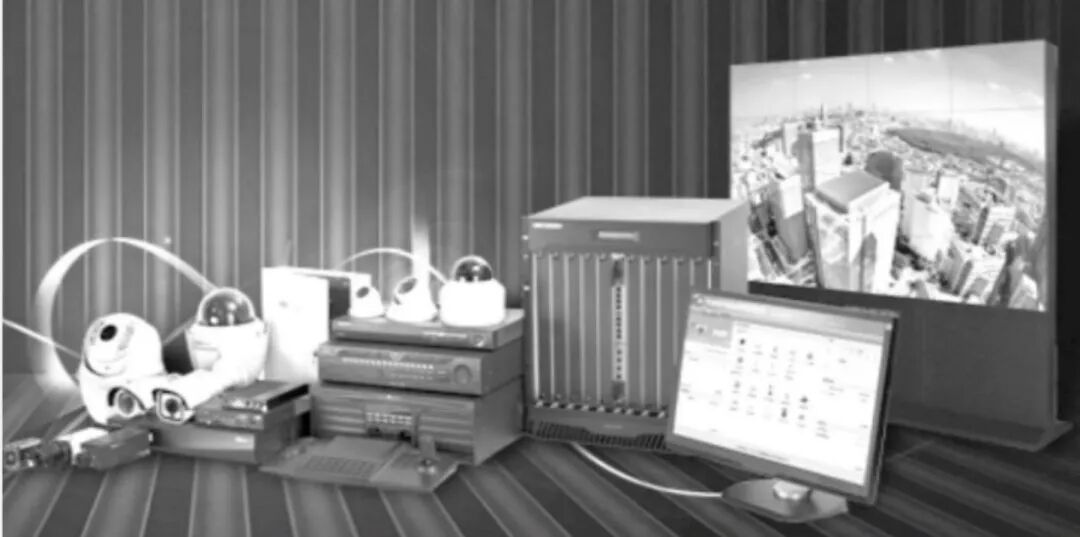
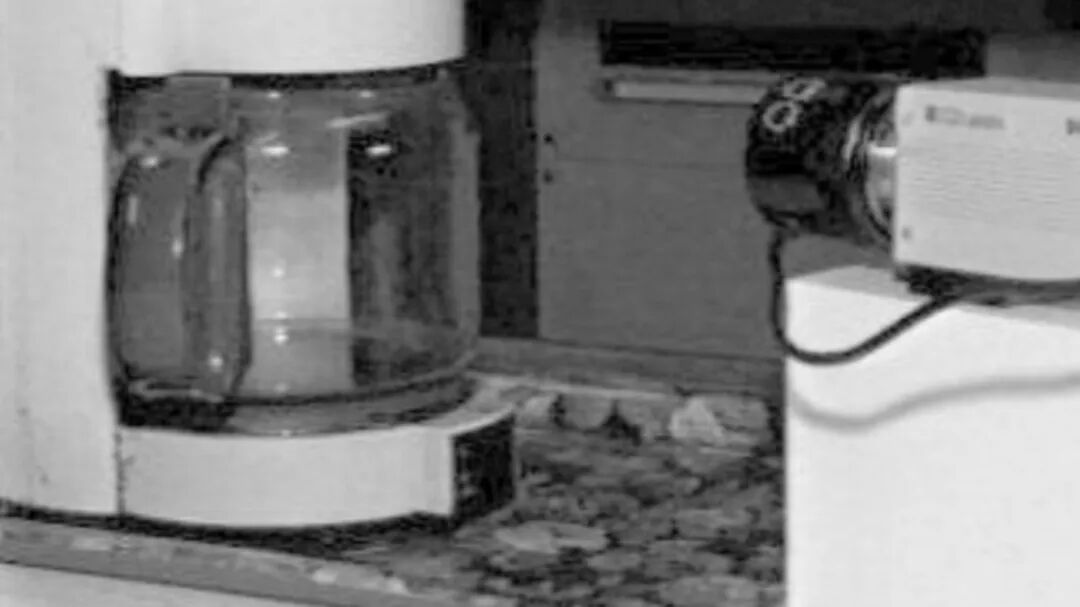
“Trojan” coffee pot and network digital camera

In 1993, this simple local “coffee observation” system was updated by other colleagues in the lab, connecting to the internet at a rate of 1 f/s through the lab’s website. Unexpectedly, just to check if the “coffee was ready,” nearly 2.4 million internet users flocked to this once-famous “coffee pot” website.
“Trojan Coffee Pot” is an early prototype of IoT applications.
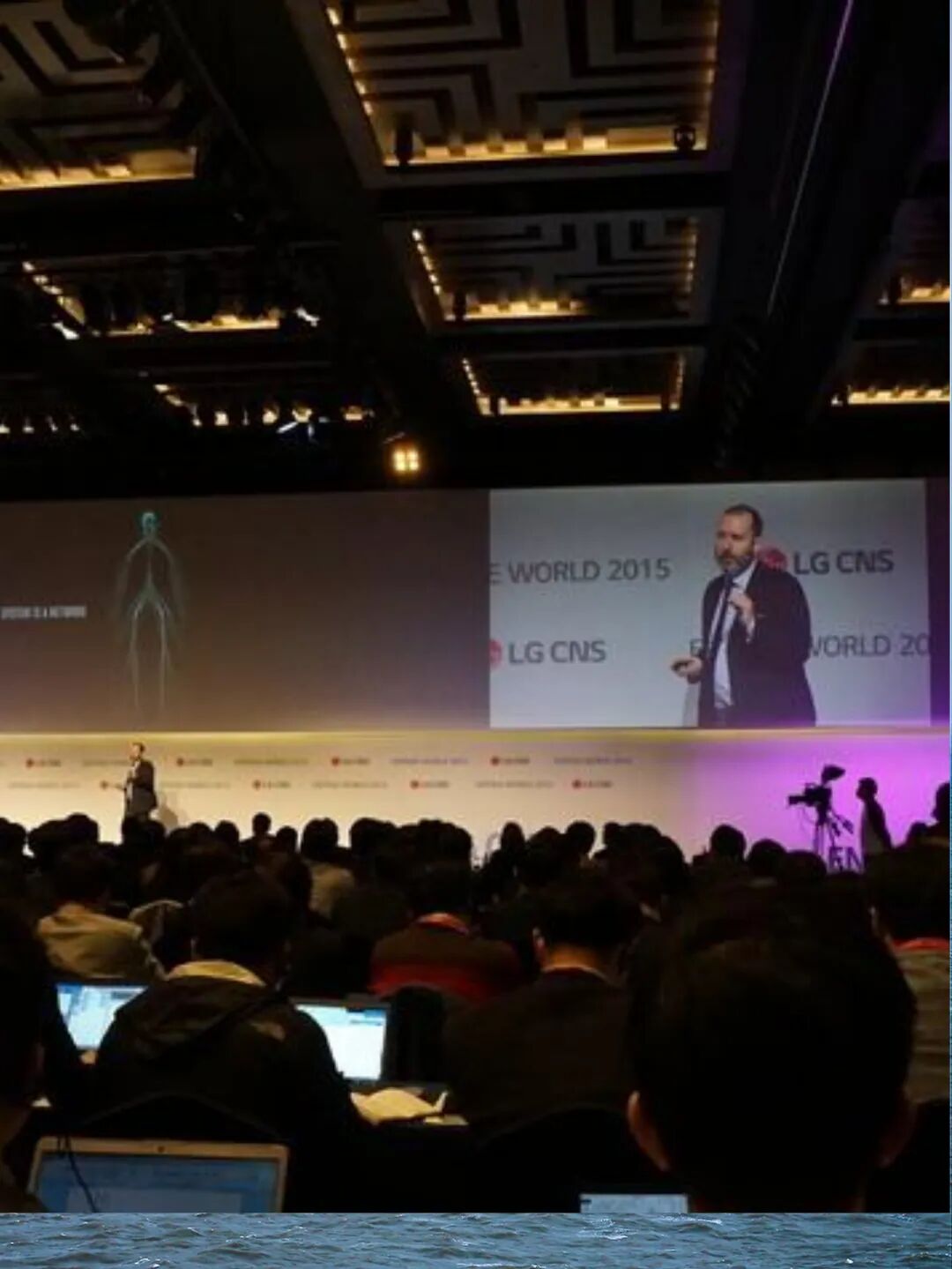
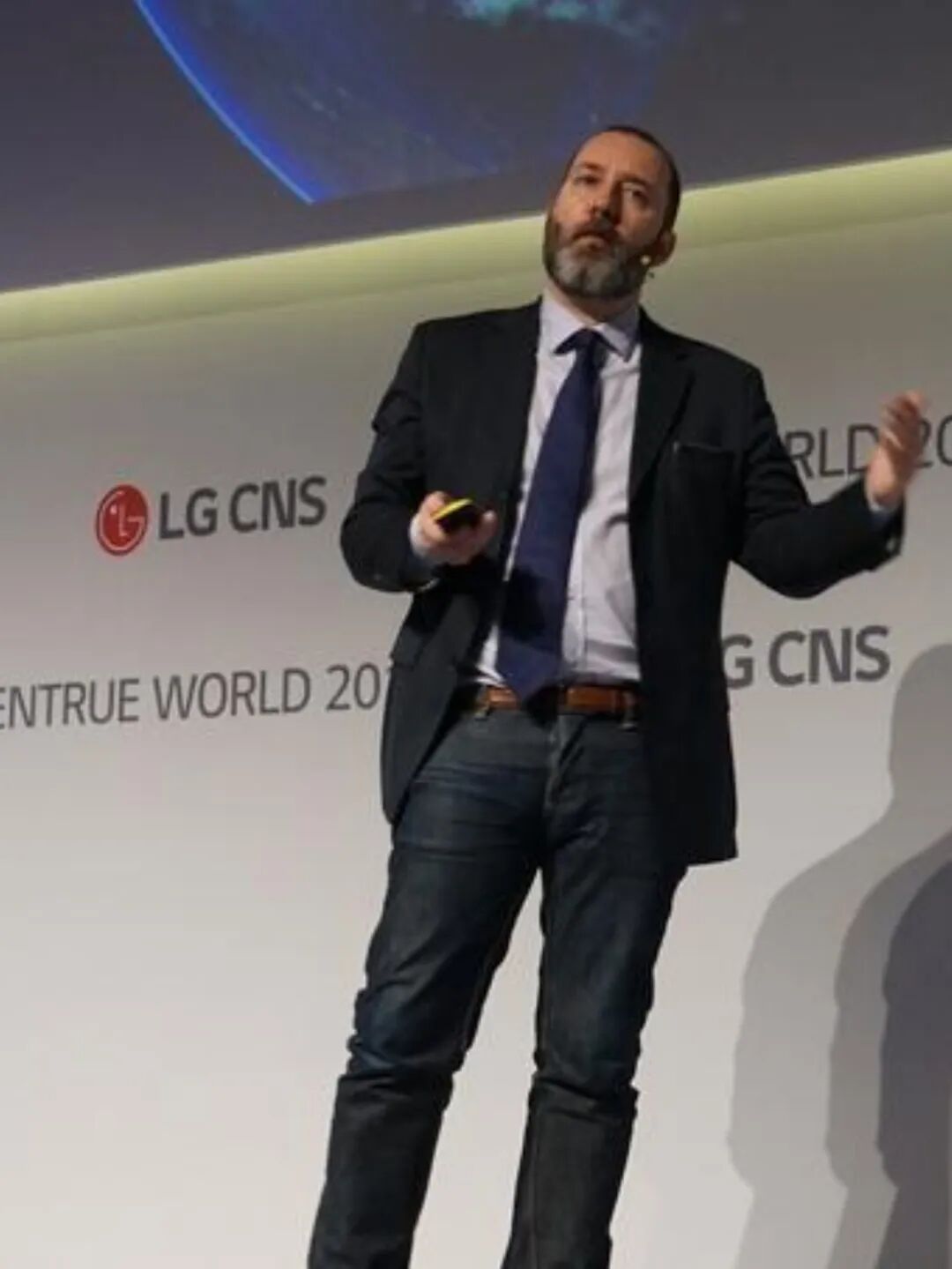
In fact, the term “Internet of Things” first officially appeared in 1999, proposed by Kevin Ashton, known as the “father of IoT.” At that time, Ashton gave an internal lecture at Procter & Gamble titled “The Internet of Things.” Ashton’s definition of IoT was simple: connecting all objects to the internet through information sensing devices like RFID, achieving intelligent identification and management.
In 1995, while Ashton was still a brand manager at Procter & Gamble, he discovered that a popular brown lipstick was always out of stock during a store visit. Initially thinking it was sold out, he later learned from Procter & Gamble’s supply chain staff that there was still plenty in the warehouse, but the information lag between the warehouse and the sales point led to untimely restocking. While others might see this as a coincidence, Ashton was determined to find out where that lipstick had gone. What had happened to that lipstick?

At that time, retailers commonly used barcode scanning systems for inventory management, but barcodes could not convey the location of products, making it impossible to know the real-time sales status on the shelves, leading to delays in restocking sold-out items. “Clearly, barcodes are not perfect,” Ashton stated. He believed there must be a way to track the dynamic changes of products.
One day, while driving home, Ashton had a flash of inspiration: what if a wireless communication chip from a membership card was embedded in the lipstick? He placed a small radio chip inside a lipstick and installed an antenna on the shelf, allowing the data from the lipstick packaging to alert store managers about which products were no longer on the shelf. This technology gave Ashton a pair of “eyes” on the shelf.
Ashton broadly named it a “storage system.” In the 1990s, the internet was just becoming accessible to the public. By connecting to the internet and storing data online, the chip could save costs and memory. To help company executives grasp this system that connected items like lipsticks to the internet, Ashton gave this system, which allowed items to communicate information without human intervention, a short and grammatically incorrect name—”Internet of Things.”
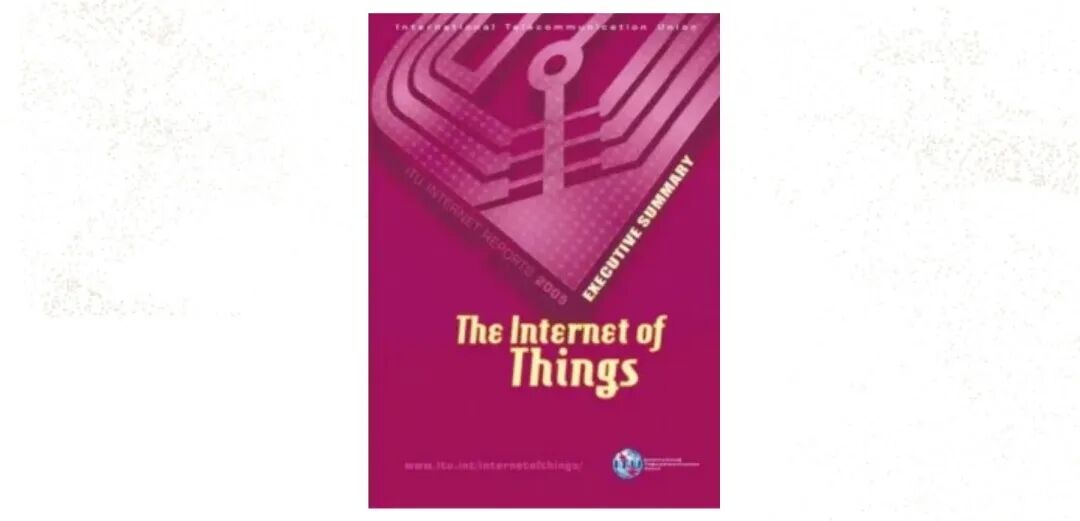
On November 17, 2005, the concept of the Internet of Things was officially proposed. On that day, at the World Summit on the Information Society (WSIS) held in Tunisia, the International Telecommunication Union (ITU) released the “ITU Internet Report 2005: Internet of Things,” officially introducing the concept of IoT. The report pointed out that the ubiquitous “Internet of Things” communication era was approaching, where all objects in the world could autonomously exchange data through the internet.
In 1995, Bill Gates first mentioned the concept of “connecting everything” in his book “The Road Ahead,” envisioning a future where the physical world was connected through the internet, enabling intelligent interaction between devices. However, due to limitations in wireless network bandwidth, immature sensor technology, and limited computing power at the time, this vision could not be realized immediately.
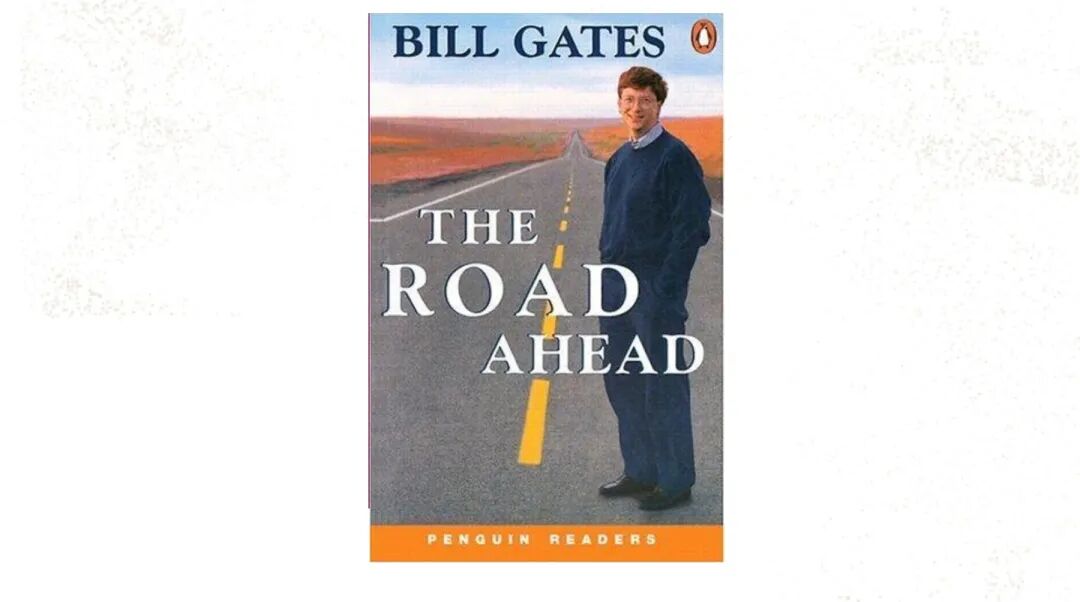
Thirty years later, when we use our phones to remotely control air conditioning temperatures, let smart bands monitor sleep quality, and achieve automatic allocation of goods through unmanned warehouses, Gates’ prediction has long become a part of daily life. The Internet of Things is no longer a “show-off” in laboratories but has permeated various fields such as industry, agriculture, healthcare, and transportation, becoming an “infrastructure.” It enables devices to have the ability to “sense” and “think,” turning data into the “new oil” that drives the world, bringing humanity closer than ever to the ultimate ideal of “everything connected”—a more efficient, transparent, and human-centered intelligent world.
END

Editor: Zhang Yukun
Proofreader: Wang Huan