Do you remember the novelty of sliding your finger to unlock your phone for the first time? Back then, “touch screens” were a new way for us to interact with the digital world, as if opening a small window to a virtual space. Today, with the rapid development of AR (Augmented Reality) and VR (Virtual Reality) technologies, we are transitioning from the two-dimensional interaction of “touch screens” to the three-dimensional immersive era of “stepping into the scene”. The revolution in human-computer interaction has arrived, quietly rewriting every moment of our lives, work, and entertainment.
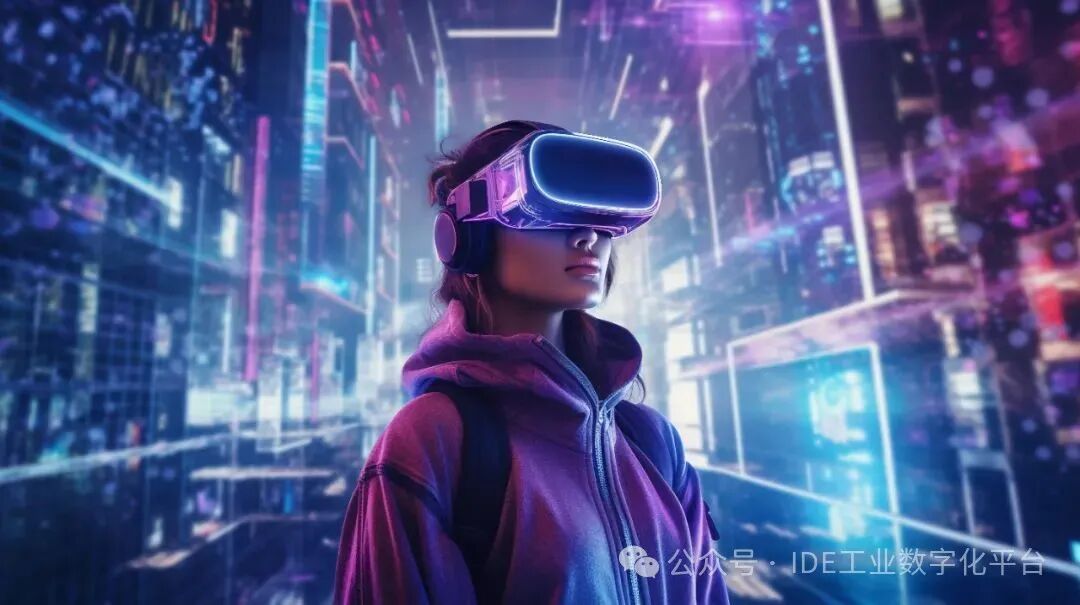
Life Scenarios:
From “Observing” to “Participating”: Enhancing the Experience
On weekends at home, do you want to tell your child the story of “Finding Nemo”? In the past, you could only flip through the pages of a picture book, and the child would imagine the underwater world from static images. But now, by opening the AR picture book app and pointing the phone camera at the book, Nemo and Dory instantly come to life, swimming in the air of the living room. The child can reach out and interact with these adorable cartoon characters, as if truly immersed in a colorful underwater world. This is no longer just about “watching a story”; it is about “stepping into the story”, turning parent-child reading into an immersive adventure full of surprises.
Let’s talk about shopping. In the past, when buying clothes online, you could only see how the model looked on the screen, always worried about size mismatches and color differences. The emergence of VR shopping malls has completely changed this situation. By wearing VR glasses, you feel as if you have entered a real offline store, with shelves full of various clothing items in front of you. You can reach out to pick up clothes to check the fabric, and even “try them on” yourself, turning your body to see the back and side effects of the clothes, and even observe how the colors change under different lighting. This “stepping into the scene” shopping experience not only addresses the pain points of online shopping but also makes shopping more fun and convenient.
Work Field:
Breaking Limits: Enhancing Efficiency and Creativity
In the design industry, designers used to create two-dimensional drawings on computers using software. To present design effects, they needed to create models or use rendered images. However, with AR technology, designers can directly “project” their design plans into real space.
For example, an architectural designer can see the three-dimensional view of a future building on an empty construction site through AR devices. The positions of doors and windows, the colors of walls, and the internal layout are all clear at a glance, and design details can be modified in real-time while communicating with team members on-site. This interactive method breaks the limitations of two-dimensional drawings, making design plans more intuitive and significantly improving work efficiency.
In terms of remote collaboration, VR technology plays an important role. When team members are in different cities, they could only communicate through video conferences in the past, unable to truly feel each other’s work environment and project progress. But by wearing VR devices, everyone can “step into” the same virtual meeting room, where the surroundings are indistinguishable from a real meeting room. Each person has their own virtual avatar, allowing for face-to-face communication and collaborative operation of a virtual project model, as if they were working together in the same office. This immersive remote collaboration makes communication more efficient and better stimulates the team’s creativity.
Entertainment Industry:
From “Watching” to “Immersion”: Opening a New Entertainment Mode
When it comes to entertainment, the first thing that comes to mind might be watching movies or playing games. In the past, watching 3D movies allowed for a sense of depth, but you were still sitting in a cinema, separated by a screen. The emergence of VR movies allows viewers to completely “step into” the movie scene. By wearing VR glasses, you are no longer a bystander but a part of the movie, with the surrounding scenes changing with the plot, as if you are truly experiencing various events in the film. This immersive viewing experience is incomparable to traditional 3D movies.
In the gaming field, the application of AR/VR technology has dramatically changed the gaming experience. Previously, playing games involved controlling characters on the screen with controllers or keyboards. Now, AR games like “Pokémon GO” encourage players to step outside and search for and capture virtual Pokémon in the real world, with the phone screen serving as a bridge connecting reality and the virtual world, perfectly merging gaming with real life. VR games take it a step further; by wearing VR glasses, you feel as if you are in the game world, able to walk, jump, and touch objects in the game, interacting with game characters. Every action provides real feedback, making the gaming experience more thrilling and realistic.
The Logic Behind:
Technological Iteration Driving Human-Computer Interaction Transformation
From “touch screens” to “stepping into the scene”, the transformation of AR/VR human-computer interaction is driven by continuous technological iteration and breakthroughs. Advances in sensor technology allow devices to capture human movements, gestures, and even eye movements more accurately, achieving more natural and precise interactions; upgrades in display technology make virtual images clearer and more realistic, with more vibrant colors, greatly enhancing immersion; developments in computer vision and artificial intelligence enable AR/VR devices to better understand the real environment, achieving seamless integration of virtual and real.
These technological breakthroughs have shifted human-computer interaction from being “device-centered” to “user-centered”. In the past, we had to adapt to the operation methods of devices, but now, devices begin to adapt to our natural behavioral habits, using interaction methods closer to real life, making our connection with the digital world smoother and more natural.
Future Trends:
AR/VR Will Integrate into More Scenarios, Reshaping Lifestyles
With continuous technological development, AR/VR human-computer interaction will not be limited to current life, work, and entertainment scenarios but will also integrate into more fields. In the medical industry, doctors can use AR technology to view patients’ medical records and CT images in real-time, and even receive navigation guidance during surgeries to improve precision; in education, students can “step into” historical sites or “explore” the human body through VR technology, making abstract knowledge more intuitive and understandable; in tourism, tourists can “step into” attractions around the world from the comfort of their homes, experiencing the scenery of travel destinations in advance and receiving personalized travel guides.
In the future, AR/VR technology will become an indispensable part of our lives, just like today’s smartphones and computers, fundamentally changing the way we interact with the world and reshaping our lifestyles.
From the cautiousness of “touching screens” to the freedom of “stepping into the scene”, every step of development in AR/VR human-computer interaction is breaking the boundaries between reality and virtuality, bringing us unprecedented experiences. Perhaps in the near future, when we recall the era of “touch screens”, it will be like reminiscing about black-and-white televisions, marveling at the rapid development of technology. And now, we are standing on the wave of this interactive revolution, witnessing one miracle after another. Are you ready to “step into the scene” and embark on a new journey of experience?
Disclaimer: This article is sourced from the internet, and the copyright belongs to the original author. Due to the inability to confirm the true original author, only the source is indicated. For specific inquiries, please email: [email protected]