In the field of industrial automation, “SCADA” and “PLC” are two frequently mentioned terms, yet many people still struggle to distinguish between them. Some may ask: “Who is responsible for monitoring? Who is responsible for control?” Today, let us clarify this in a straightforward manner.
What is SCADA?
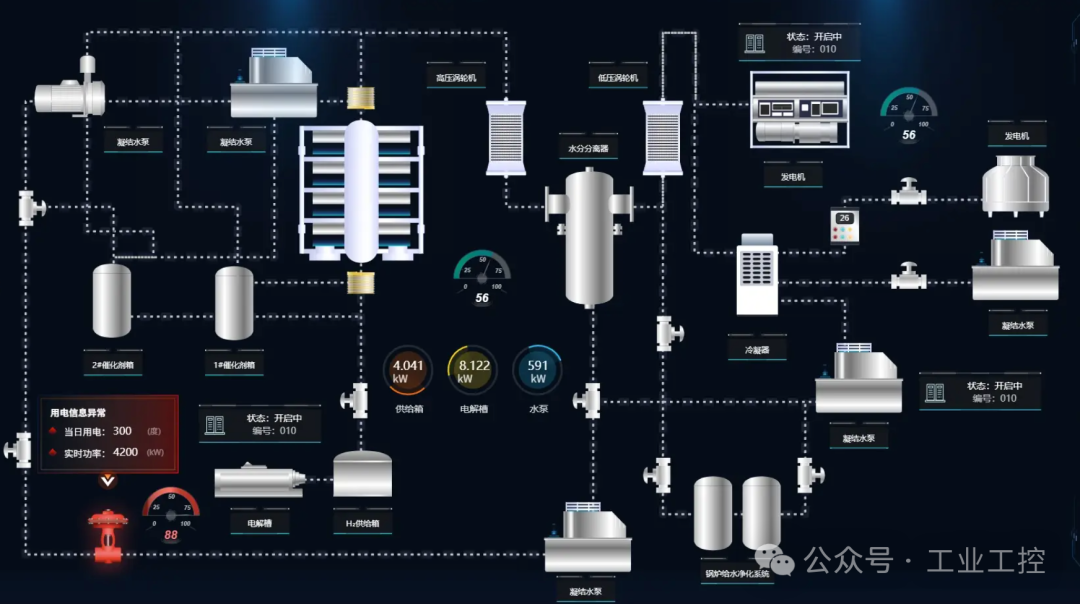
SCADA (Supervisory Control and Data Acquisition) is a computer-based software system focused on centralized management of production sites. It can monitor equipment operating status in real-time, collect vast amounts of data, and even enable remote operations. The most prominent feature of SCADA is its provision of a graphical user interface for data visualization, allowing operators to grasp the overall production situation more intuitively.
In simple terms, SCADA acts more like the “manager” of the entire production system, responsible for collecting data from various devices and processing this information for human operators.
What is PLC?
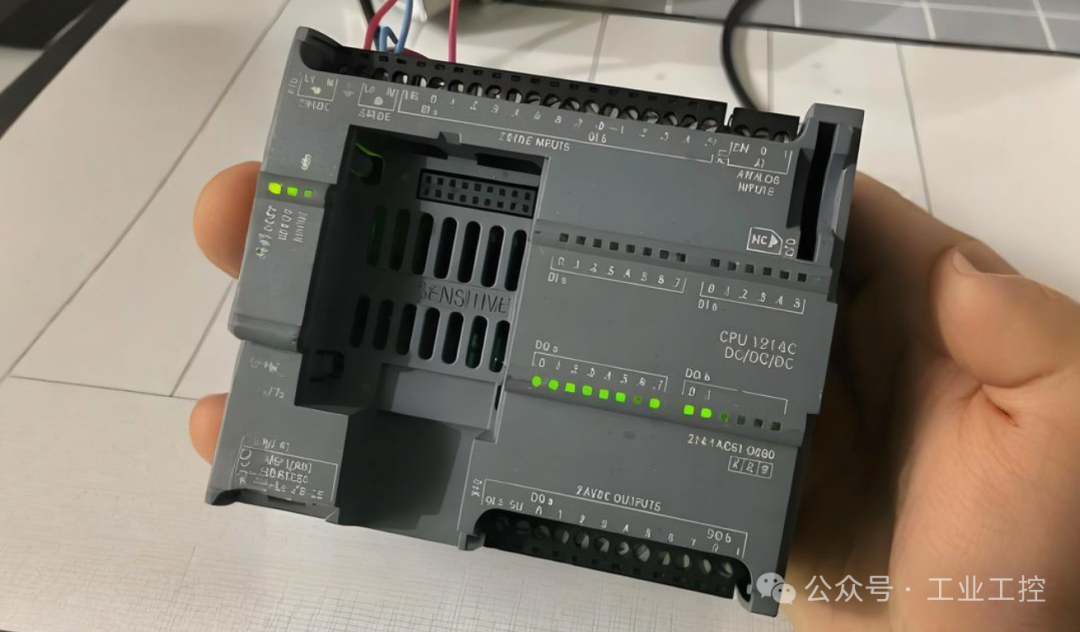
PLC (Programmable Logic Controller) is a hardware device that serves as the execution unit on the factory floor. Its core task is to respond to sensor input signals and control devices based on preset logical instructions. For example, a PLC can control the movement of robotic arms, the speed of conveyor belts, etc. Due to its role in industrial operations, PLCs are typically robust and resistant to interference.
If we compare PLC to an “executor,” it resembles a worker focused on specific tasks, following instructions and responsible for completing assignments.
Core Differences Between SCADA and PLC
To remember their differences, we can simply understand them through functionality, purpose, and operating environment:
1. Functional Division
- SCADA: Focuses on data collection, storage, and remote monitoring. It can collect and process large amounts of historical data and provide trend analysis.
- PLC: Focuses on real-time control and logical calculations. Its task is to ensure that every step of the production line is completed efficiently.
2. Different Operating Scope
- SCADA: Responsible for monitoring the operation of the entire production system, suitable for large-scale, multi-location management.
- PLC: Primarily serves specific machines or production lines, focusing on the execution of single functions.
3. Technical Characteristics
- SCADA leans towards graphical interfaces: Utilizing Human-Machine Interfaces (HMI) to allow operators to intuitively grasp complex data.
- PLC leans towards programming logic: Using ladder diagrams or instruction sets to directly control each device’s execution.
4. Expansion and Maintenance
- SCADA: Strong system expansion capabilities, able to connect multiple device sources via network access, maintenance relies on IT professionals.
- PLC: Although it also supports connection expansion, it is typically used for single tasks, with maintenance depending on engineers.
How SCADA and PLC Collaborate
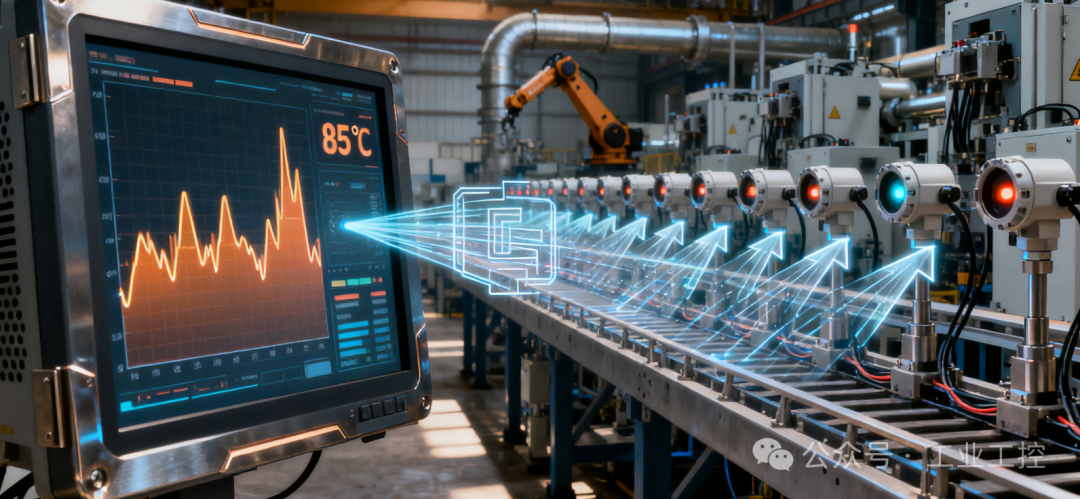
In practical applications, SCADA and PLC do not replace each other but work collaboratively. They each play to their strengths, forming a complete industrial automation control system:
- 1.Field Data Collection: PLC collects raw data (such as temperature, speed, etc.) from devices and transmits it to SCADA.
- 2.Real-time Status Monitoring: SCADA processes this data and presents the overall status to operators through a graphical interface.
- 3.Remote Control Commands: Operators issue commands through SCADA, which PLC receives to adjust devices.
- 4.Alarms and Event Responses: If a device malfunctions, PLC triggers an alarm signal, while SCADA records and notifies operators.
- 5.Historical Data Analysis: SCADA stores long-term operational data from devices, facilitating problem diagnosis and production strategy optimization.
In summary, SCADA is the “higher-level controller,” responsible for global monitoring and data analysis; PLC is the “lower-level executor,” focused on completing detailed task operations. They can only enable factories to operate more efficiently and orderly when working together.
Recent Hot Articles:
| Incredible!!! MQTT Directly Collecting PLC Data???All via Ethernet!!! The Differences Have Finally Been ClarifiedClear Serial Assistant!!! IncredibleIncredible!!! ERP, MES, and PLC Data Fully IntegratedIt’s Already 5G! Why Isn’t RS-485 Being Eliminated??? |