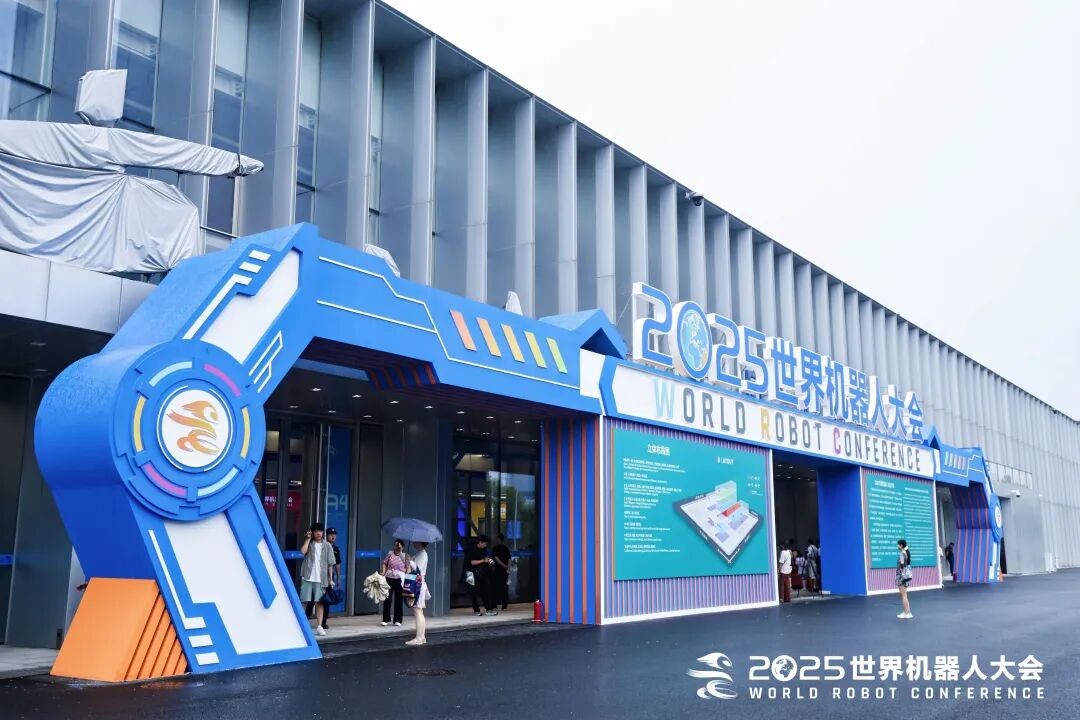
The 2025 World Robot Conference has concluded. Over a hundred new products were launched, accelerating the iteration of the embodied intelligence industry. Humanoid robots capable of 360-degree rotation and stable landings; embodied intelligent robots that can collaborate autonomously to complete over 20 intricate steps such as test tube sampling and testing; dexterous hands that can directly “sense” physical information like object size just like human hands… At the 2025 World Robot Conference, robots showcased more flexible “limbs”, agile “brains”, and intelligent “minds”, with some core components being domestically produced, demonstrating the innovative capabilities of China’s entire robotics industry chain.
Compared to the last conference, in just one year, the number of exhibiting humanoid robot companies increased from 27 to 50, the number of robot exhibits grew from over 600 to more than 1500, and the number of new products rose from 60 to over 100. Embodied intelligent robots are beginning to enter richer application scenarios in industries such as manufacturing, agriculture, retail, and home services. This rapid iteration is backed by a series of deployments from the central to local governments aimed at nurturing and developing robotics, with policies and market dynamics resonating in sync. Currently, various national and provincial-level robotics innovation centers have been established in places like Beijing, Shanghai, and Zhejiang, promoting technology sharing and collaborative breakthroughs in core technologies, product development, model open-sourcing, and data, forming an ecosystem of deep integration between industry, academia, and application.
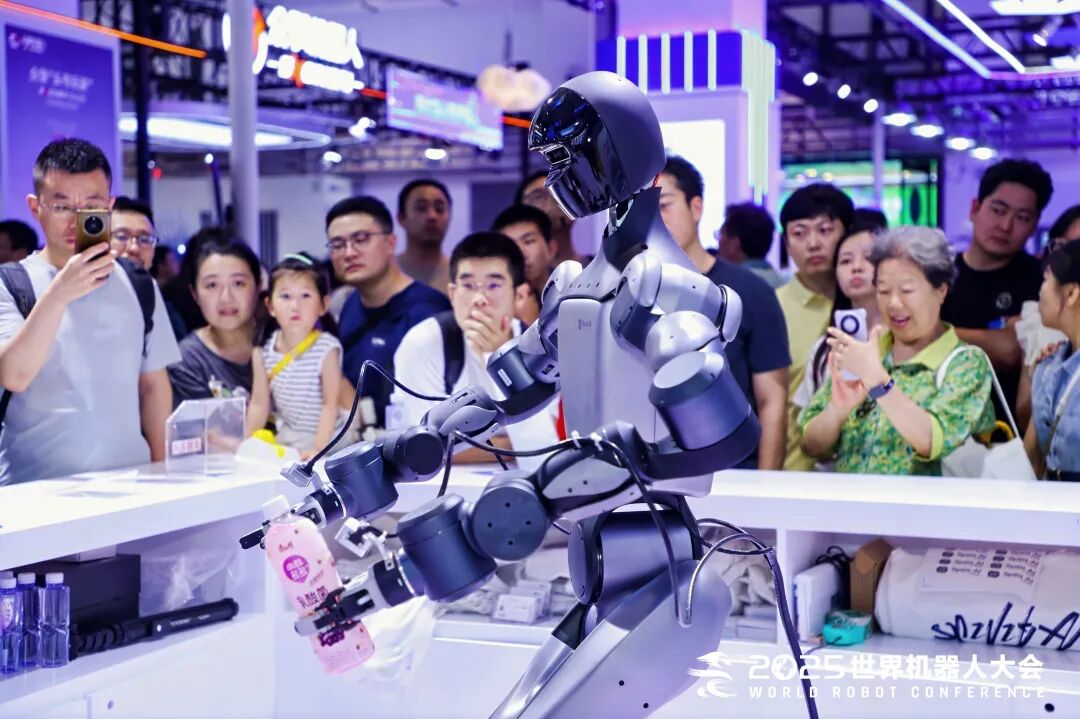
 Here are some images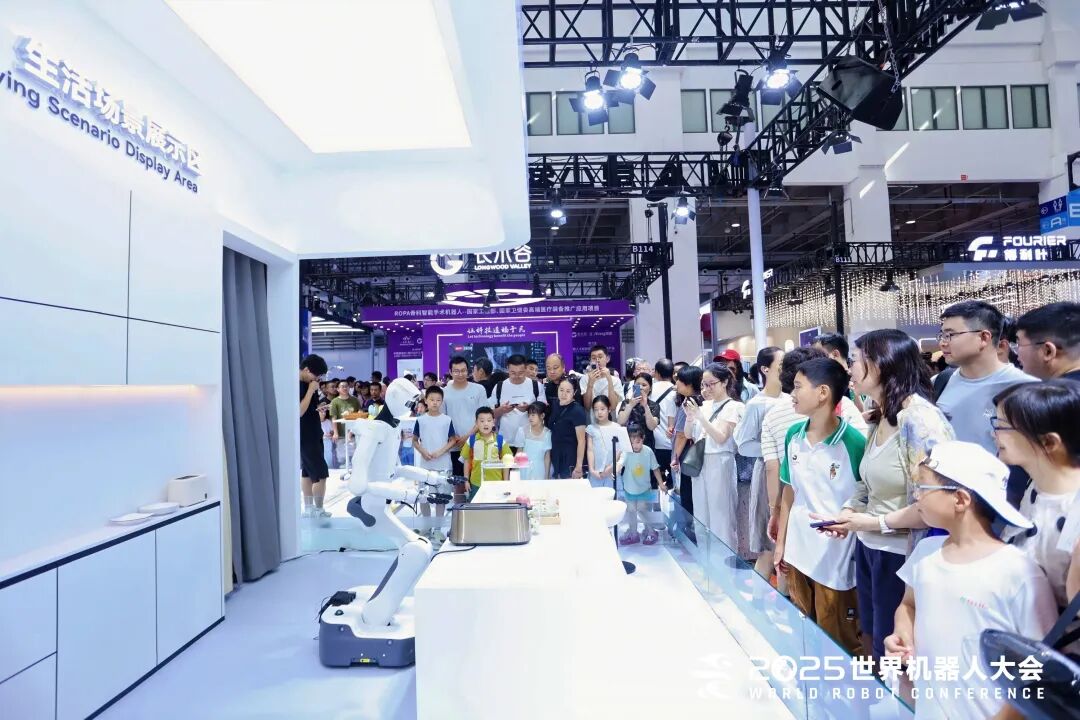
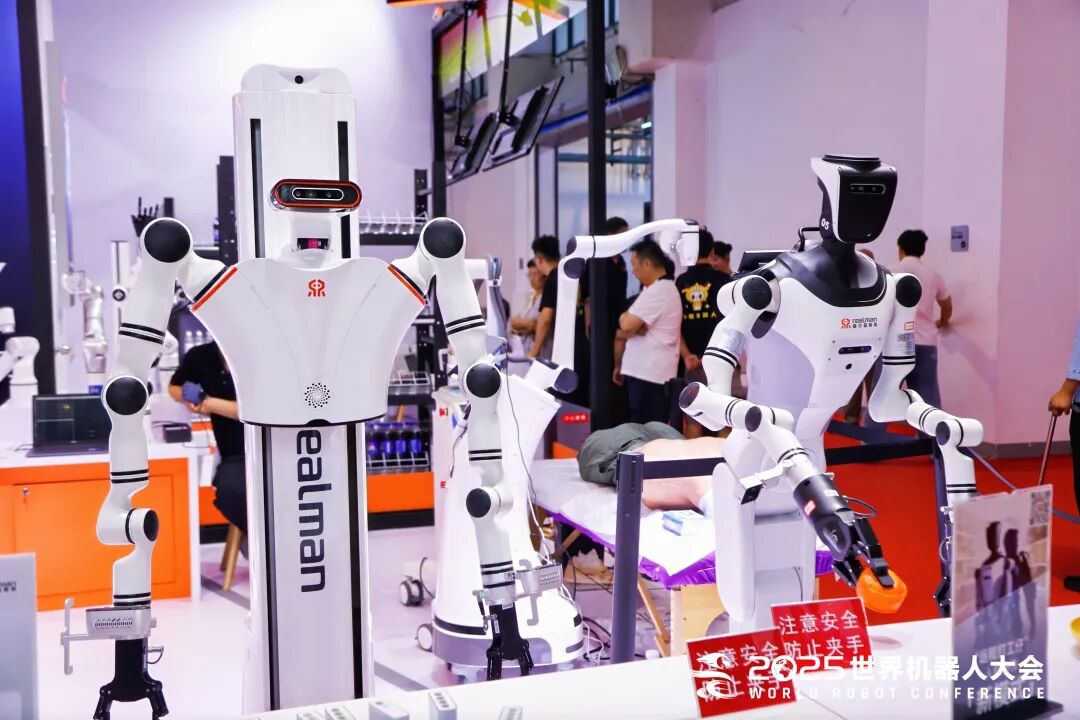
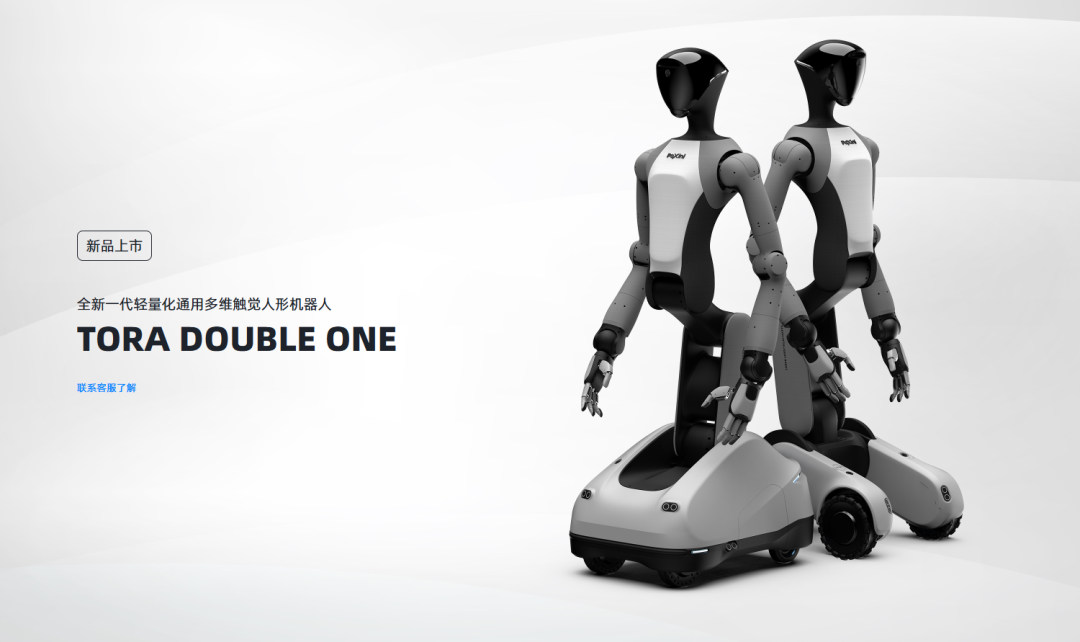
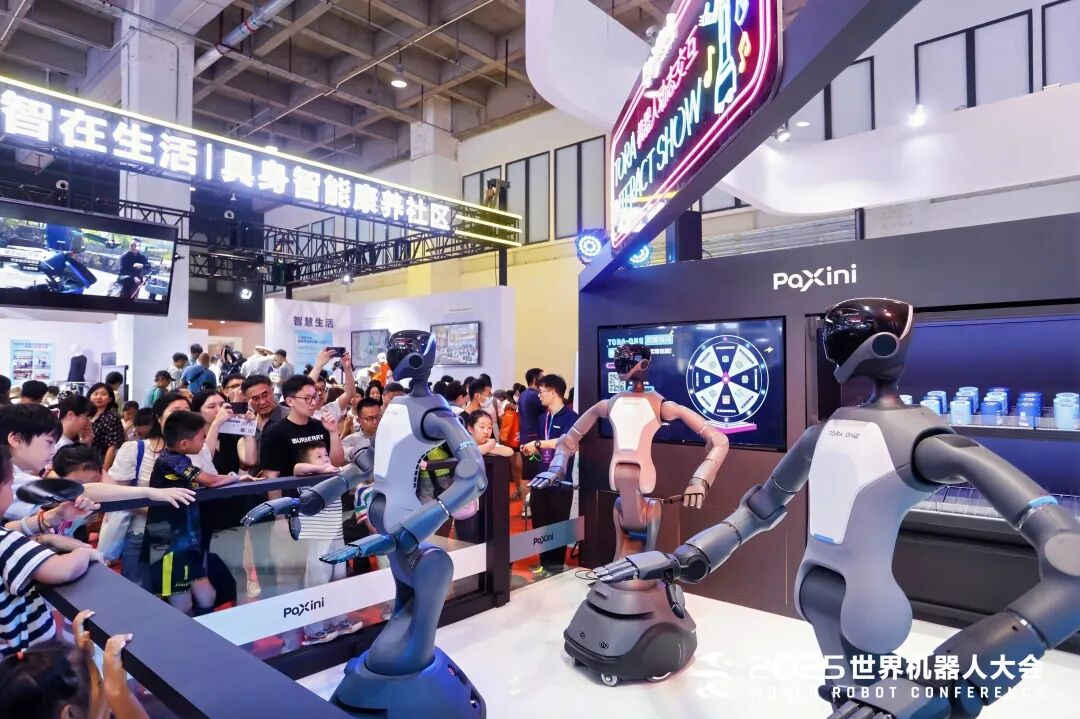
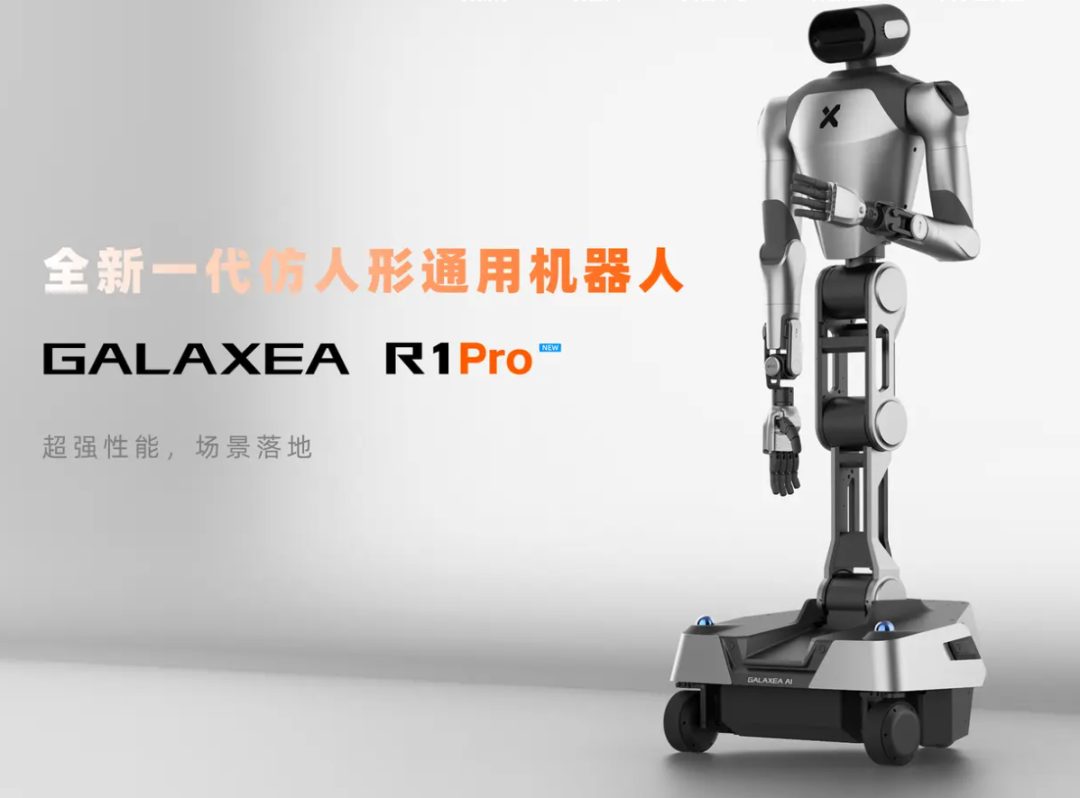
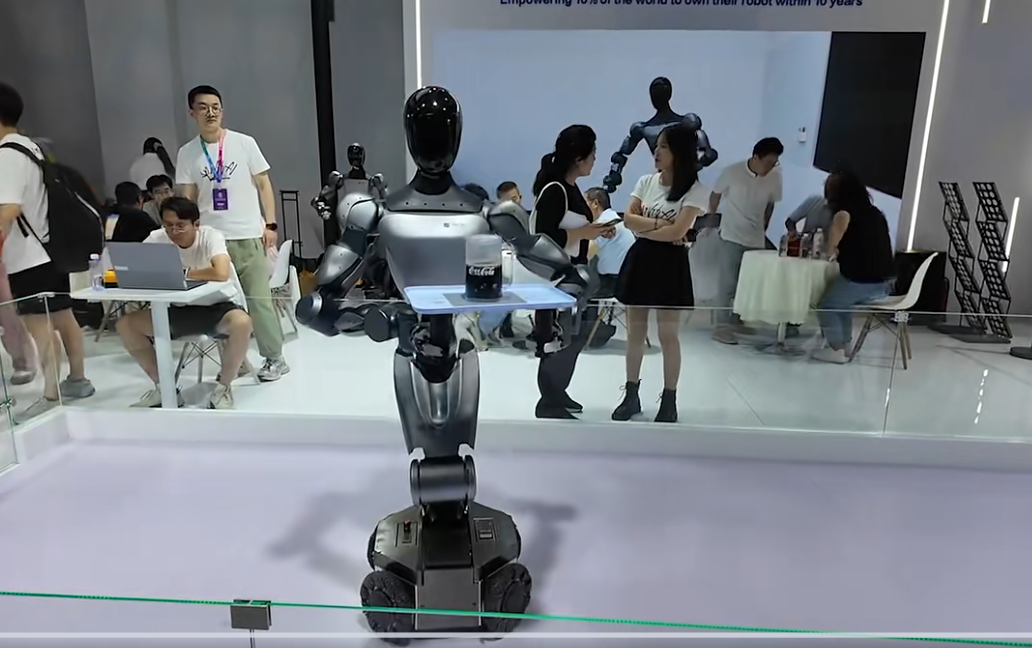
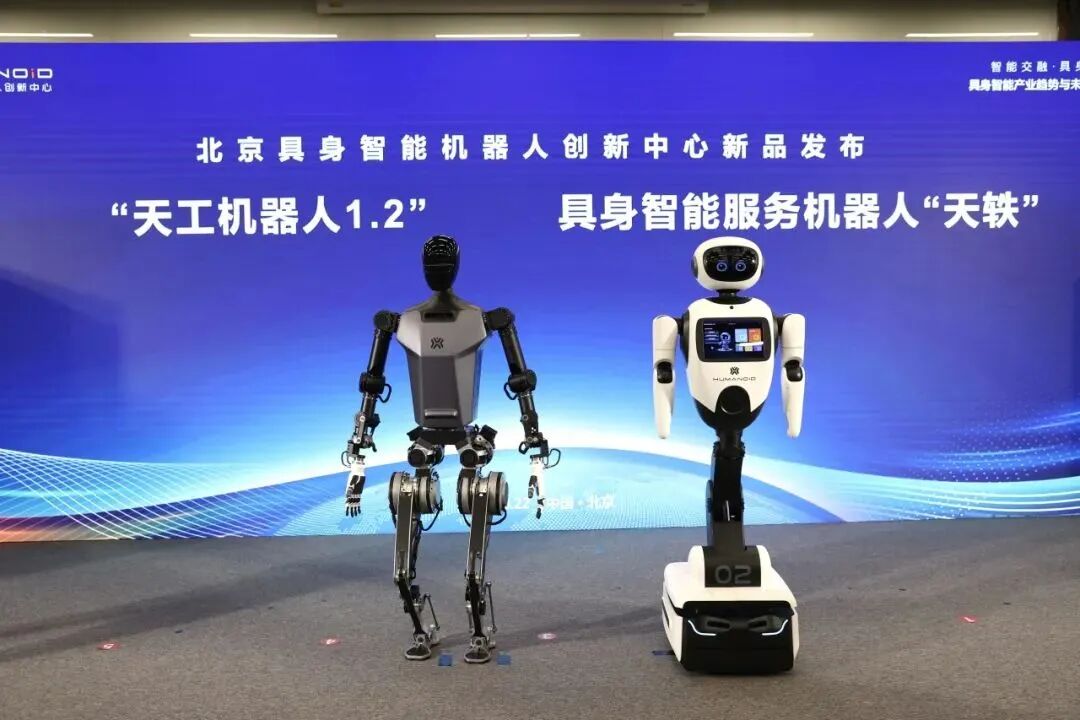
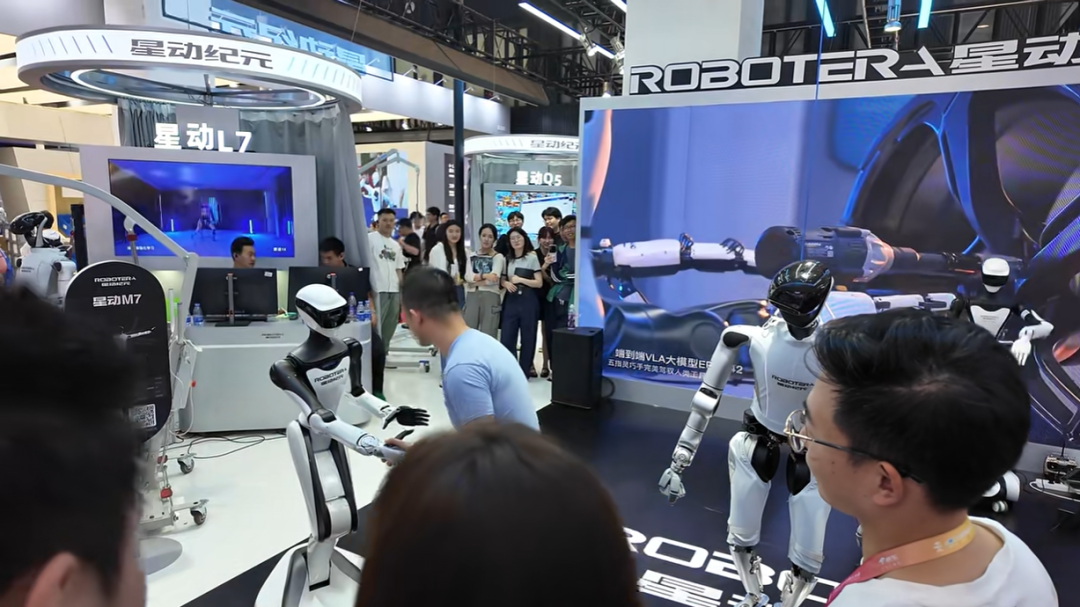
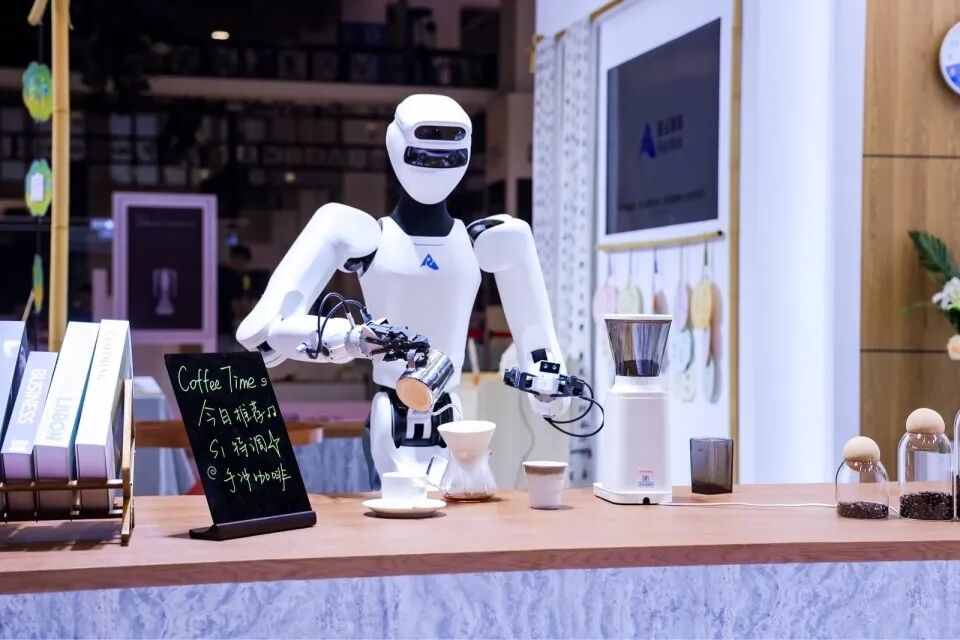
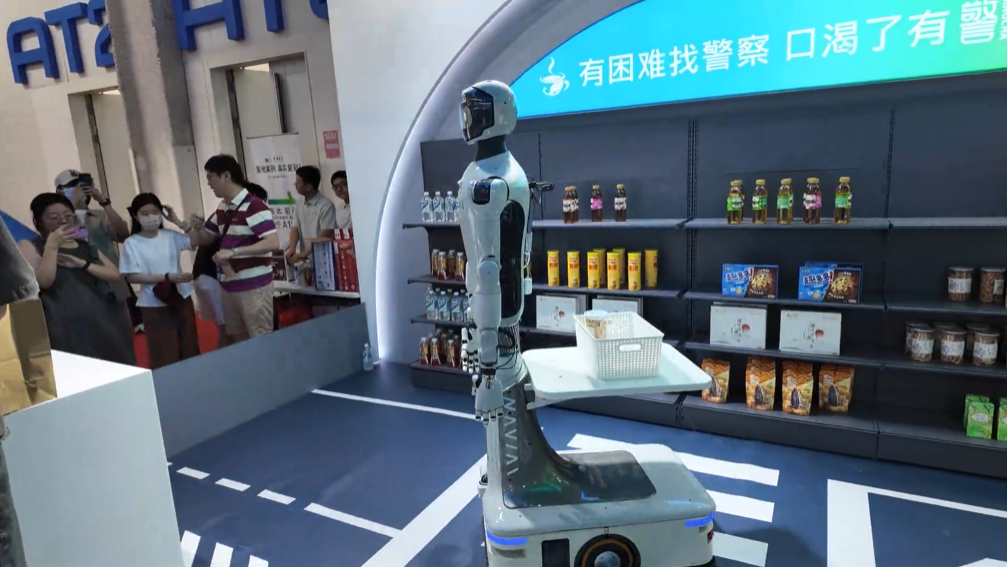
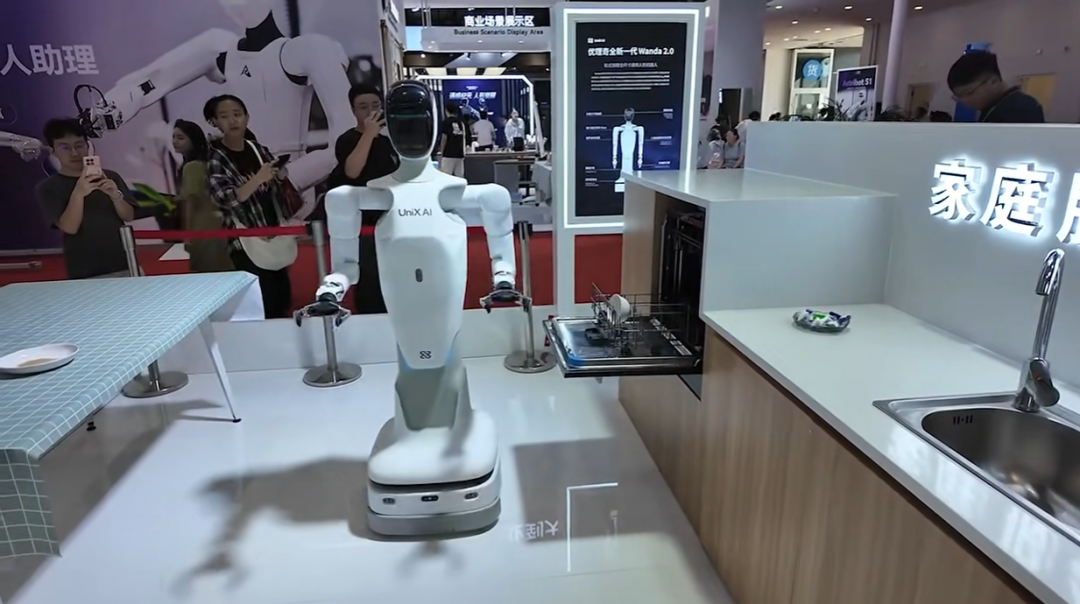
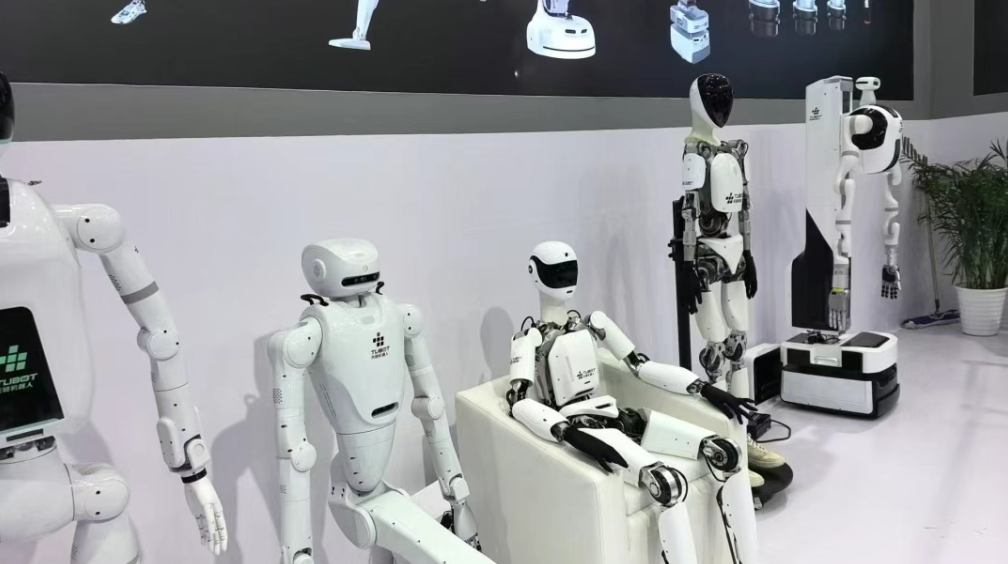
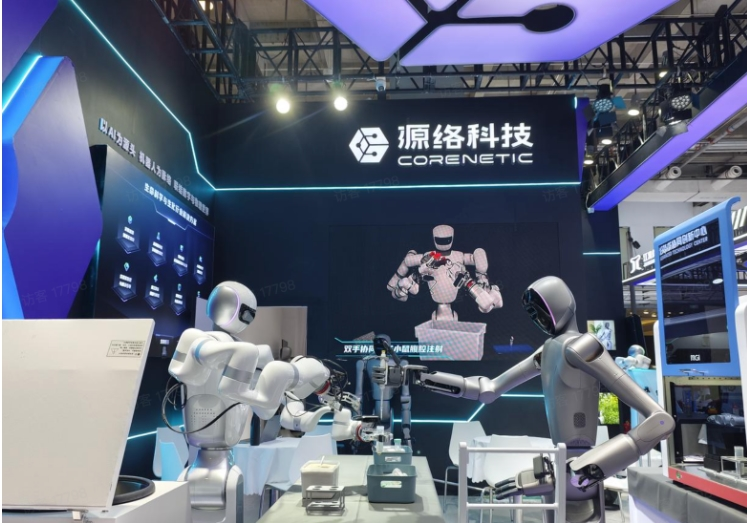
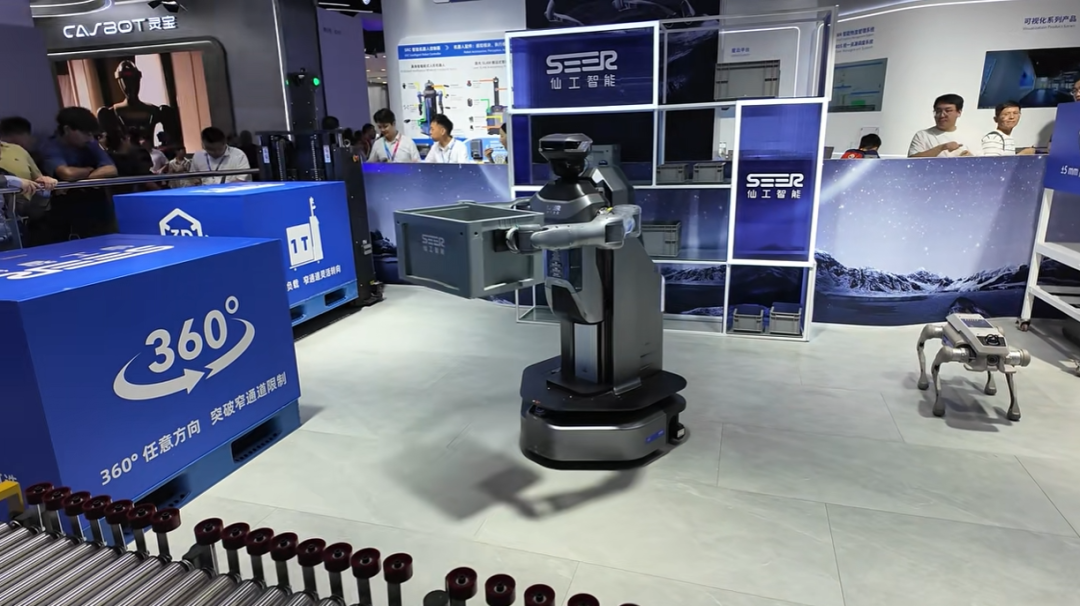
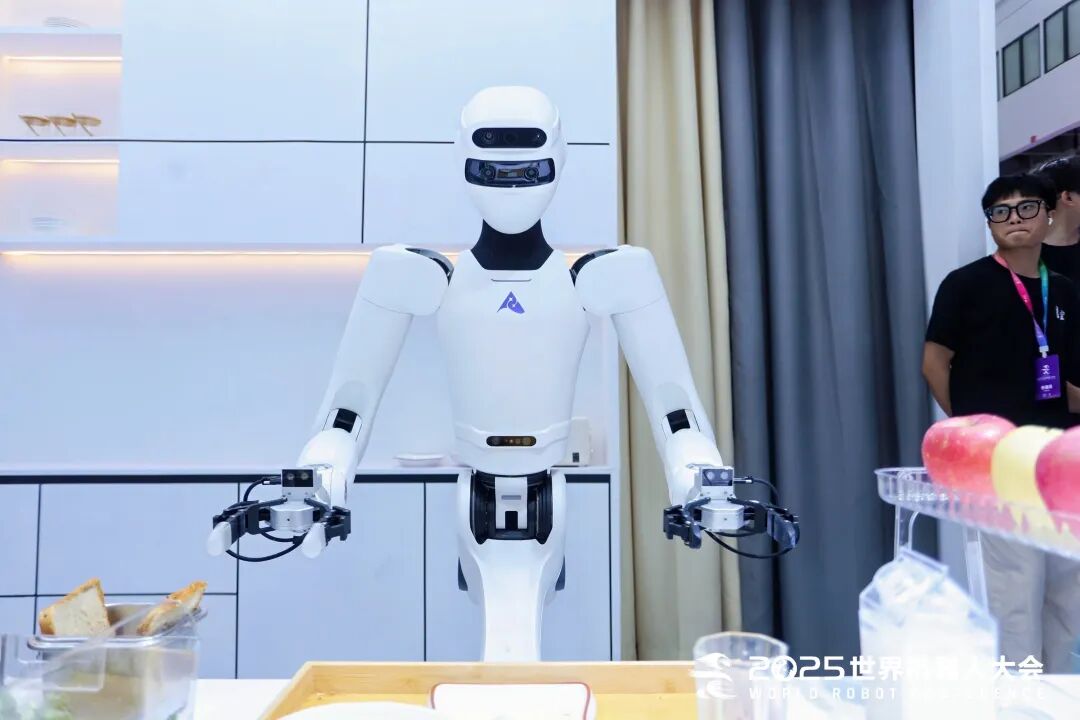
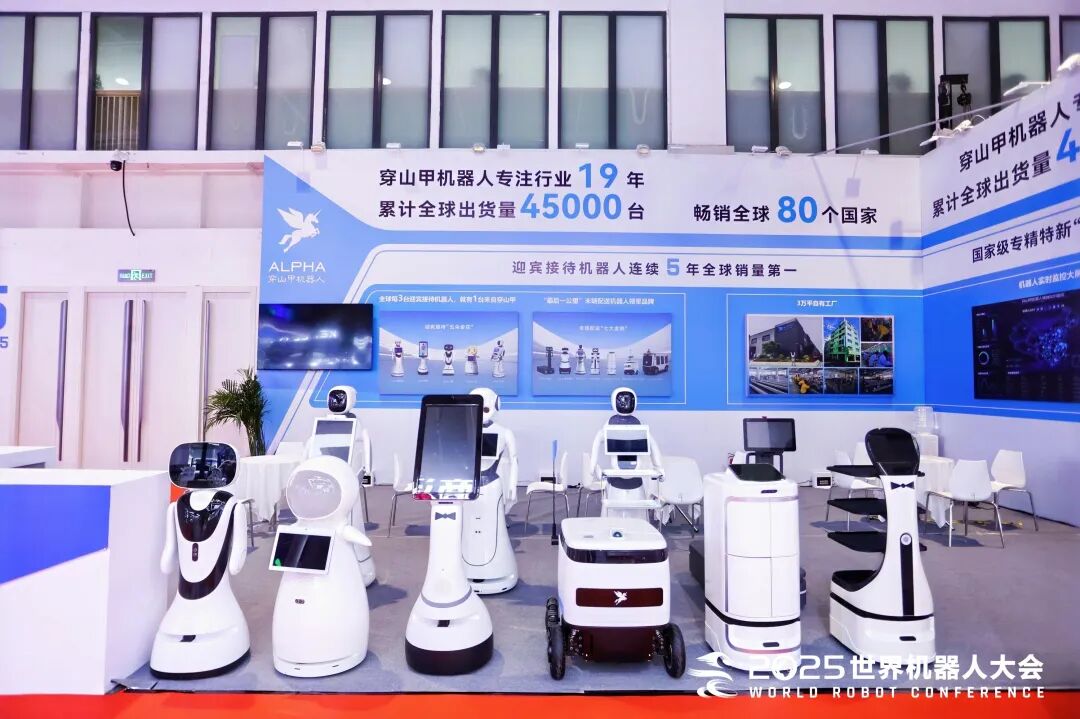
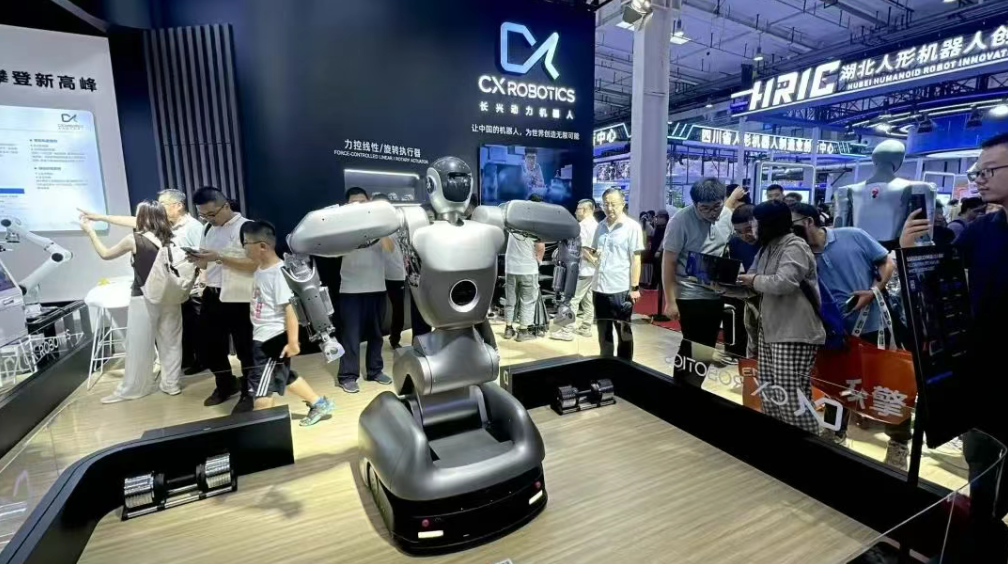
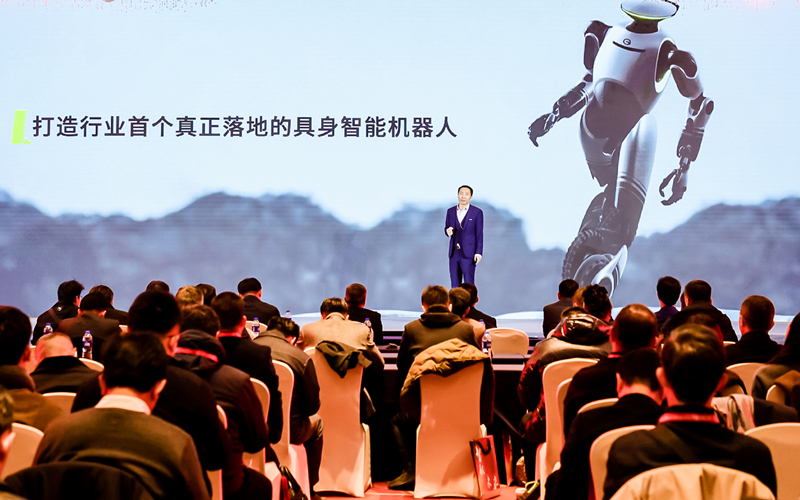
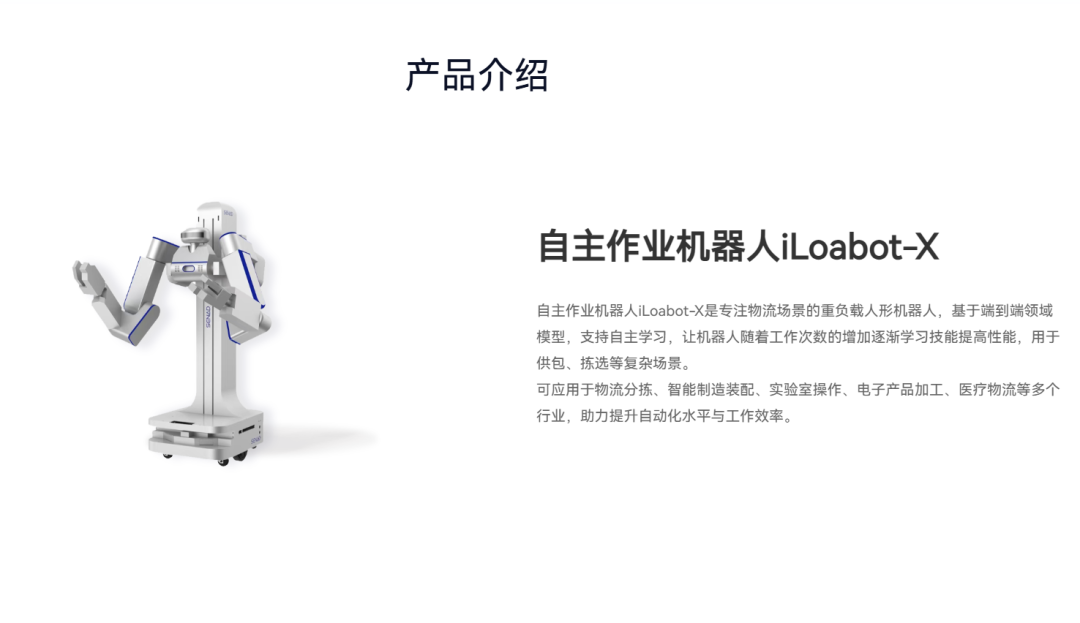
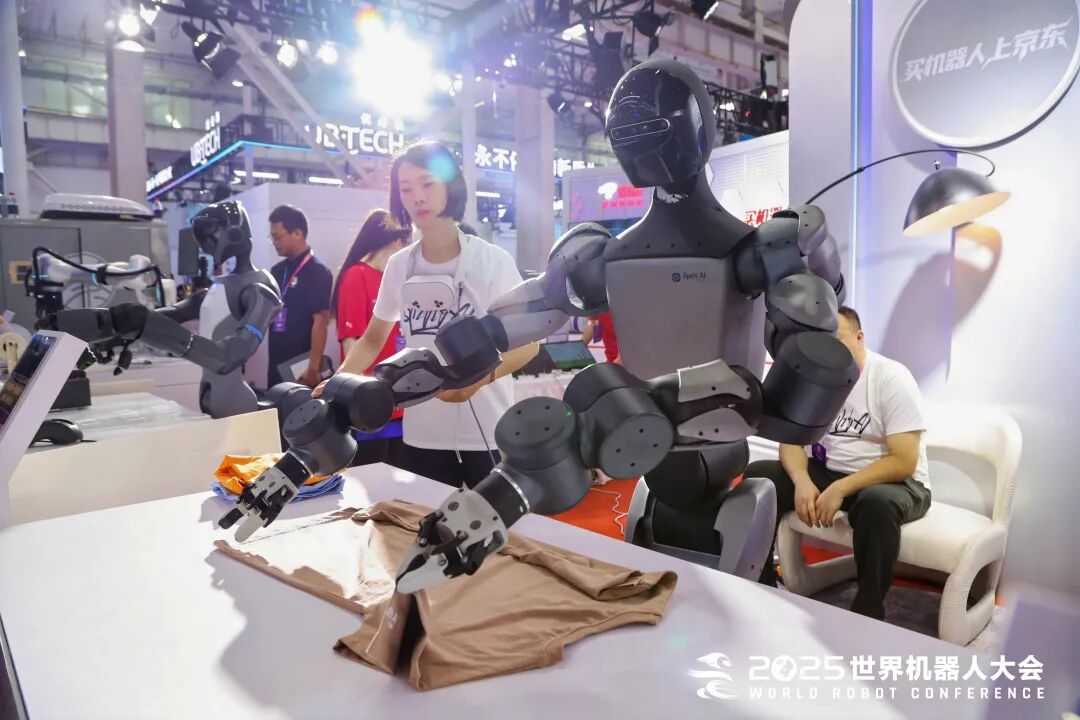
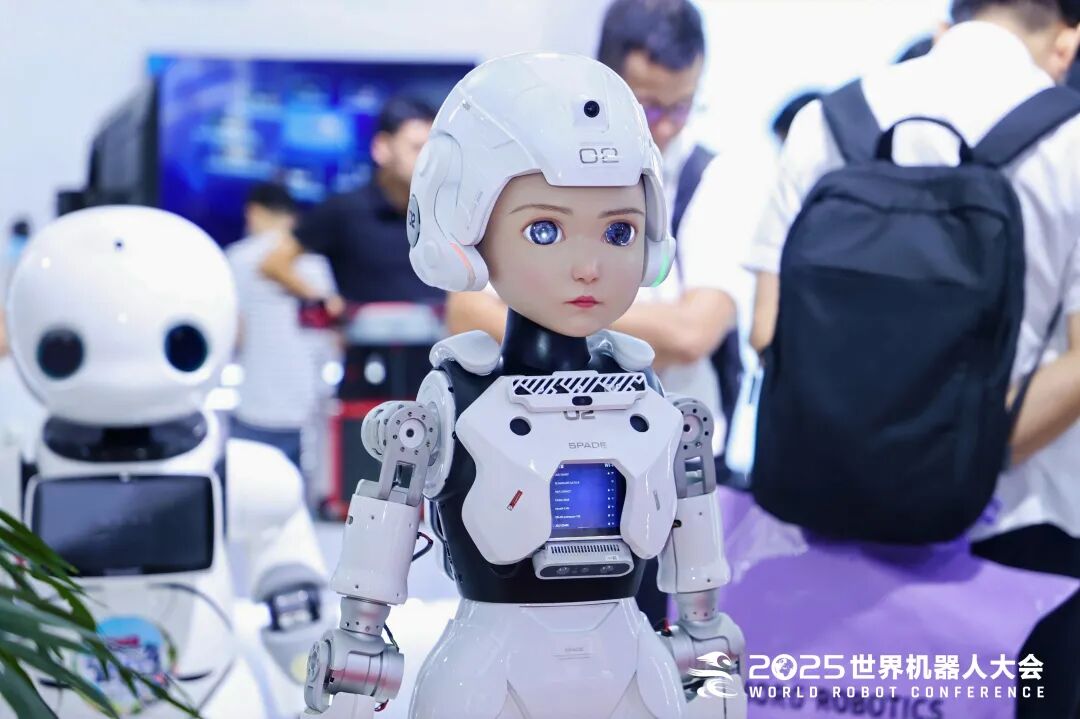
#At the 2025 World Robot Conference, humanoid robots have completely shed the label of “decorative vases” and officially entered their commercial year, marking a historic turning point. From factory workshops to logistics warehouses, from restaurant services to the inheritance of intangible cultural heritage, they prove themselves as “workforce teams” that can fill 30% of the labor gap in manufacturing, skillfully completing sorting, handling, precision testing, and even multi-machine collaborative operations. The signing of billion-yuan orders, the delivery of thousands of units, and the opening of robot 4S stores all confirm that large-scale applications in industrial and commercial scenarios are exploding.
Although challenges such as data training, cost control, and scene adaptation remain for household applications, the “brain” of embodied intelligence is not yet fully mature. However, this conference, themed “Making Embodiment Smarter”, clearly indicates the path forward: humanoid robots are transitioning from “the fastest runners” to “the most useful tools”, with the consensus in the industry being “first to work, then to home”. They are gradually integrating into existing human production and living systems with minimal environmental modification costs, step by step fulfilling their disruptive promise as the next generation of universal technology platforms following computers and smartphones.
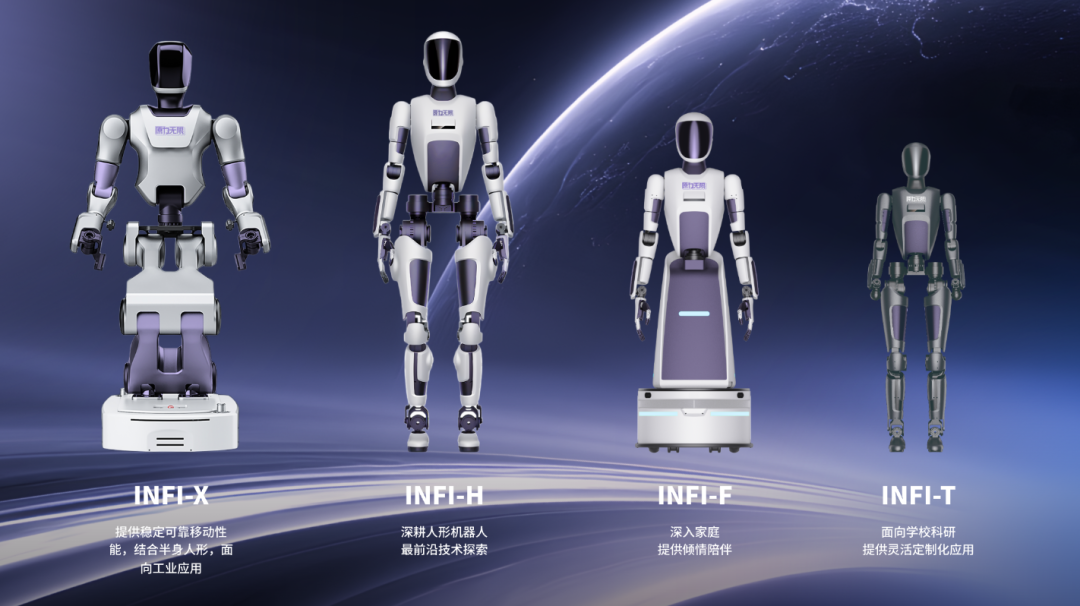
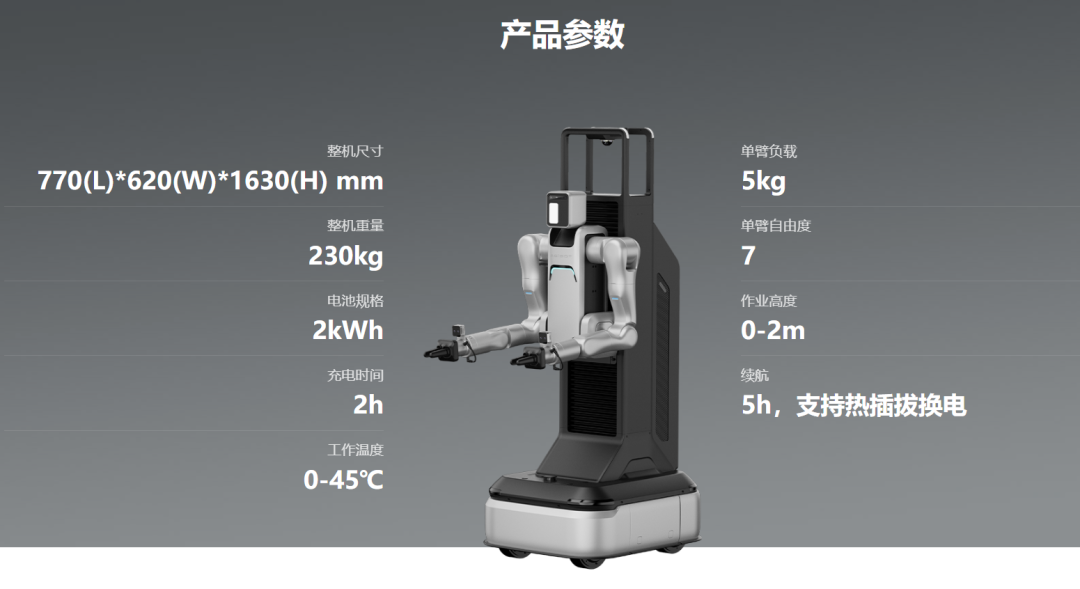
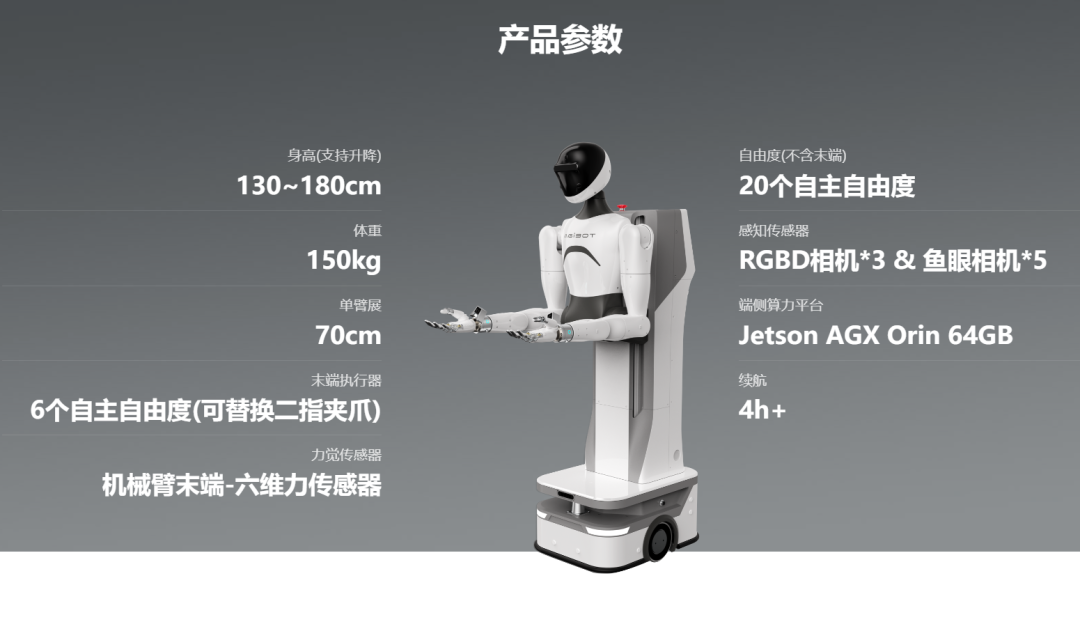
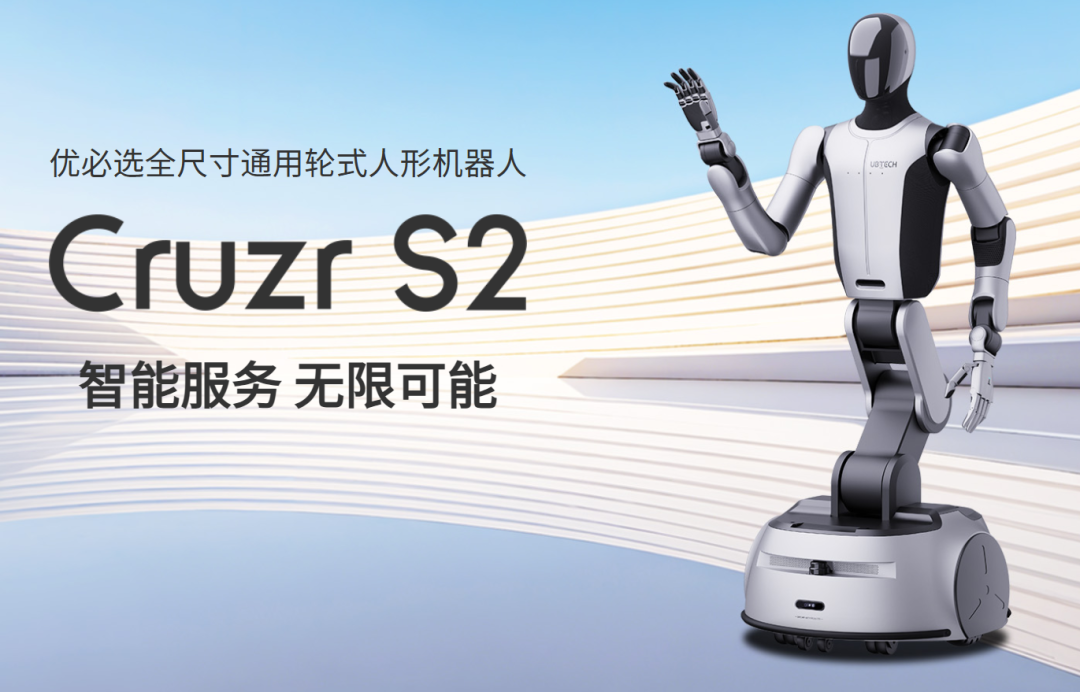
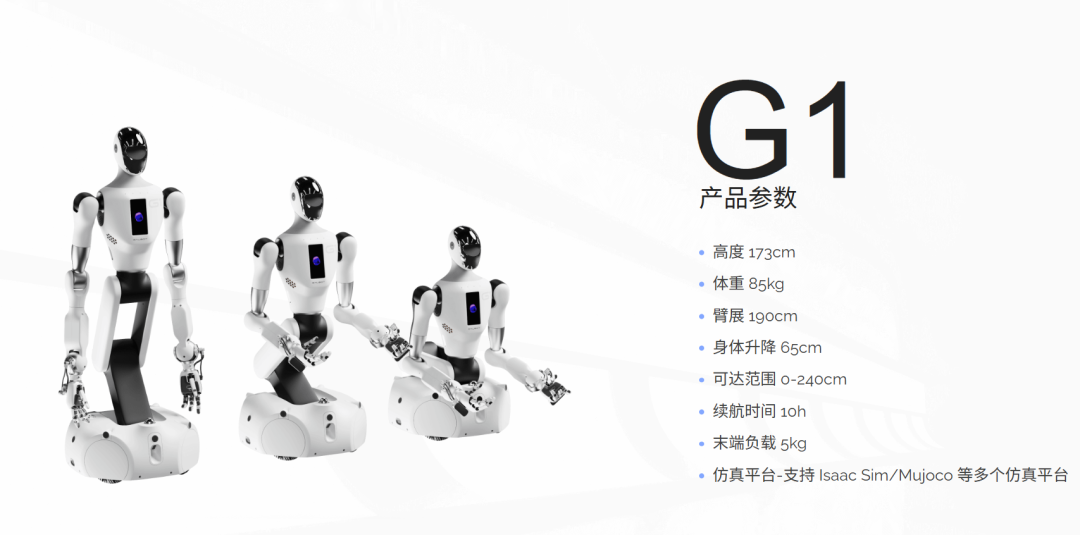
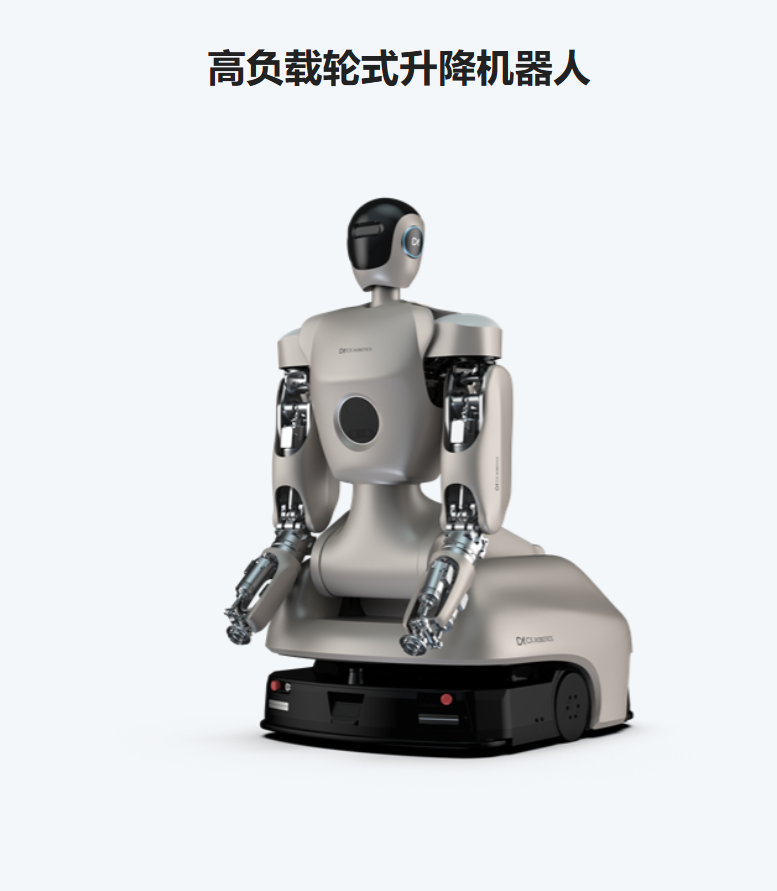
Wheeled humanoid robots are expected to achieve commercial landing first in B-end markets such as retail and factories; companies like Galaxy General and Zhiyuan Robotics are dedicated to applying wheeled humanoid robots to specific tasks, likely leading the way in commercialization progress. Currently, wheeled humanoid robots are primarily piloting in commercial service scenarios such as retail pharmacies and in factory scenarios like handling and logistics sorting, aiming to gradually achieve commercial landing in B-end markets like retail and factories, validating commercial value and increasing penetration rates. Compared to large, general-purpose AI, optimizing design for specific scenarios aligns better with the commercialization process, with the skills closest to landing still being relatively simple tasks like moving, grasping, and placing. Companies like Galaxy General and Zhiyuan Robotics focus on optimizing the application of wheeled humanoid robots for tasks like retail, handling, and sorting, likely leading the way in commercialization progress, and further advancing from simple to complex tasks towards household scenarios and diversified tasks.
Humanoid robots have a human-like structure, capable of autonomously perceiving the environment, making decisions, and executing complex tasks. Unlike traditional industrial robots and collaborative robots that are fixed on production lines, rely on precise programming, and can only repeat single actions in structured environments, humanoid robots, with their human-like appearance and embodied intelligence as the underlying technology, significantly expand joint degrees of freedom and operational space, enabling them to walk, grasp, converse, and even collaborate in unstructured environments like homes, shopping malls, and factories. Due to the high coupling between their “bodies” and the “environment”, humanoid robots have become a typical implementation platform for embodied intelligence—intelligent agents continuously interact with the real world through their physical bodies, accumulating common knowledge and learning skills through a perception-action loop.
Embodied intelligence is the intersection of artificial intelligence and robotics development, with humanoid robots being the most promising track in embodied intelligence. Embodied intelligence, which refers to AI with a body, allows its machine brain to make decisions, thereby controlling the body to respond to changes in the external environment. The core lies in the deep integration of physical devices and intelligent decision-making, achieving a closed loop of perception-decision-execution. Autonomous vehicles, quadruped robotic dogs, and other forms are different manifestations of embodied intelligence, while humanoid robots, as the machine form closest to human body shape, naturally adapt to human social production and lifestyle, becoming the most application-potential key track in embodied intelligence. Humanoid robots can operate tools with both hands, use multimodal sensors to map vision, force, and hearing to motion control, and transform each fall, grasp, and conversation into transferable knowledge through end-to-end learning. Therefore, humanoid robots are not only an extension of industrial robotics technology stacks towards high degrees of freedom and adaptability but also a key bridge for embodied intelligence to transition from algorithms to the physical world.
However, so far, the commercialization of embodied intelligence has not yet become prominent, and it may face periodic downturns due to potential bubbles in the future. Zhu Xiaohu believes that the valuation of embodied intelligence has already decoupled from its commercialization potential, stating that “there is a high consensus in the market, but commercialization is unclear.”
Many facts have proven that after innovation is born, a rich ecosystem often follows, leading to intensified competition as major companies enter the field. Just like in the fields of food delivery and AI glasses, once major companies have entered, it indicates that this uncertain area has become quite clear.
“Artificial intelligence has deeply penetrated social life, such as the popularization of voice interaction, while embodied intelligence takes it a step further,” said Professor Li Zhijun from the School of Computer Science and Technology at Harbin Institute of Technology. He stated that embodied intelligence represents a frontier field of the future, full of challenges and opportunities; it combines digital intelligence with the physical world, achieving environmental perception and physical control through technologies like the Internet of Things and robotics. “This characteristic of ‘digital-physical integration’ makes it a highly valuable track, and practitioners can actively engage in this field to seize opportunities for creating significant value.”
 In FY25Q2, we will launch rental and exhibition services for the Yushu humanoid robots H1, G1, and robotic dog Go2Focusing on the 2025 World Robot Conference: Humanoid Robots Take Center Stage!From the fastest runners to the most useful, the national and local co-built embodied intelligence robot innovation centers made their debut at the WRC2025 World Robot Conference