

Electrical Equipment Classroom
Now Open!

Let’s Learn Together
The stable operation of railway signal equipment
is directly related to
the safety and efficiency of railway transportation.
This requires our signal personnel to have solid
professional knowledge and technical skills.
Learning is endless, and action leads to far-reaching results.
The signal professional “make-up class” at Urat Front Banner workshop is officially open!

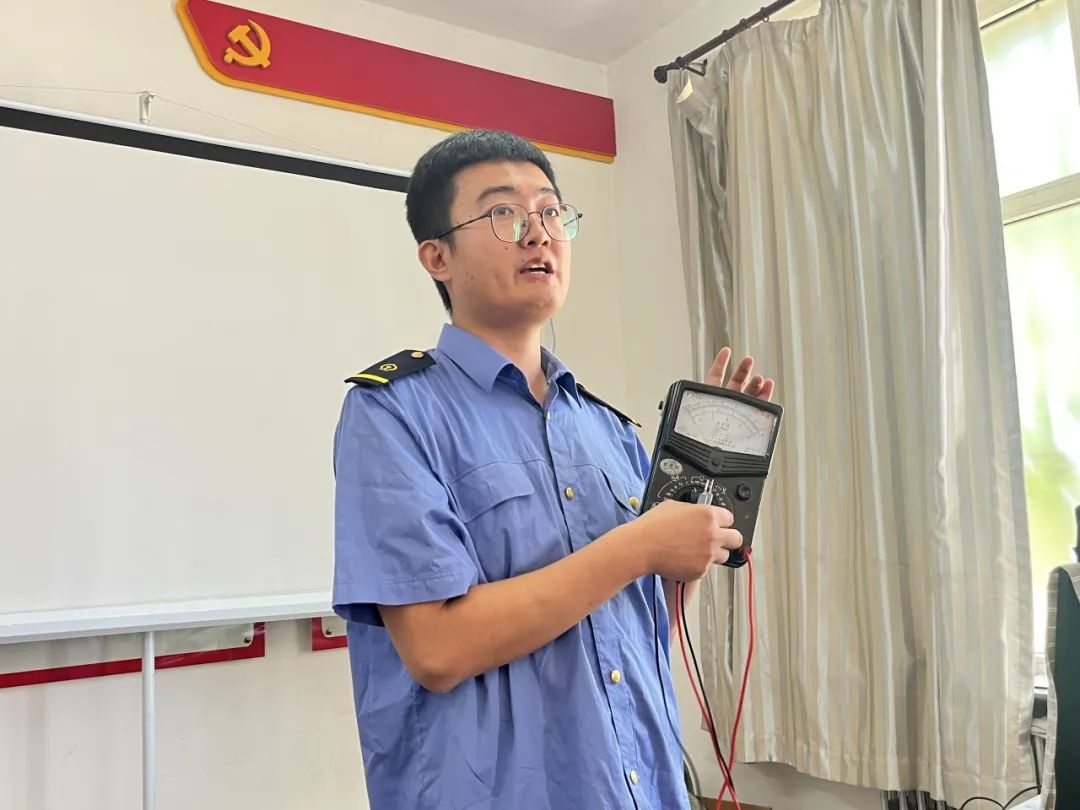
Image | Technician Wang Qian from Urat Front Banner workshop teaching

Course: Usage of Signal Instruments and Meters
1
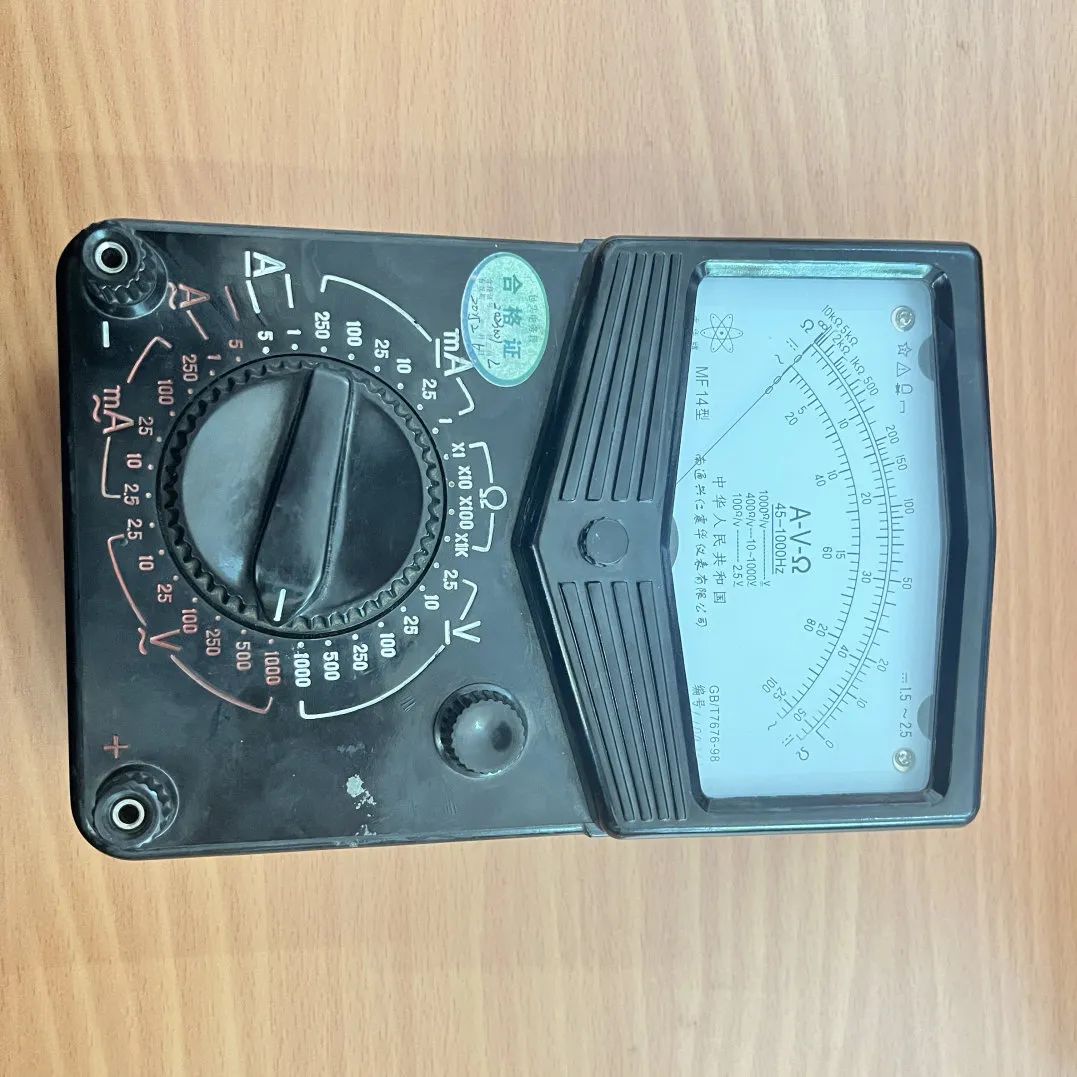
Usage of Multimeter
1. Place the multimeter horizontally
First, ensure the multimeter is placed horizontally on a stable workbench. An incorrect placement angle may lead to measurement errors.
2. Adjust the pointer to the zero scale
Before use, adjust the zero position knob so that the pointer points to the zero scale position, ensuring measurement accuracy.
3. Select the measurement range
Choose the appropriate measurement range based on the type of parameter to be measured (voltage, current, or resistance) and the range.
4. Adjust the range to maximum
Before starting the measurement, adjust the range to the maximum, then gradually decrease it until an appropriate measurement range is obtained, protecting the multimeter and avoiding damage.
5. Measure and read the value
Connect the measurement leads to the circuit to be tested, ensuring good contact. Observe the pointer’s deflection and read the value on the corresponding scale. Depending on the selected range and measurement, corresponding voltage, current, or resistance values can be obtained.
6. Note the polarity and range selection
When measuring voltage and current, pay attention to the polarity of the measurement leads, ensuring the red probe connects to the positive terminal and the black probe connects to the negative terminal. Also, select the appropriate range to avoid exceeding the multimeter’s measurement range.
7. Disconnect power to measure resistance
When measuring resistance, be sure to disconnect the power from the circuit. Connect the red and black probes to both ends of the resistance to be measured and read the corresponding resistance value.
8. Return the pointer to the zero position after measurement
After completing the measurement, adjust the pointer return knob to the zero scale position to prepare for the next measurement.
9. Set to maximum range after use
After using the multimeter, to avoid accidental damage, it is recommended to set the range to the maximum and disconnect the measurement leads.
Review and Learn New

LEARN
2
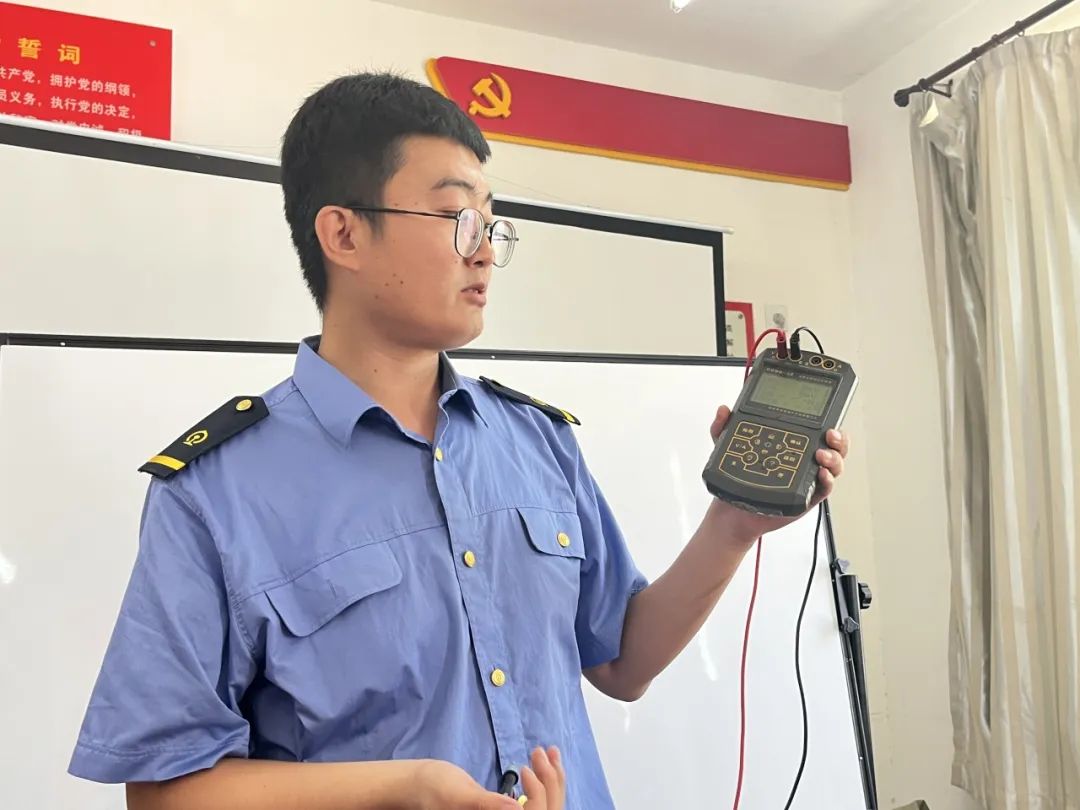
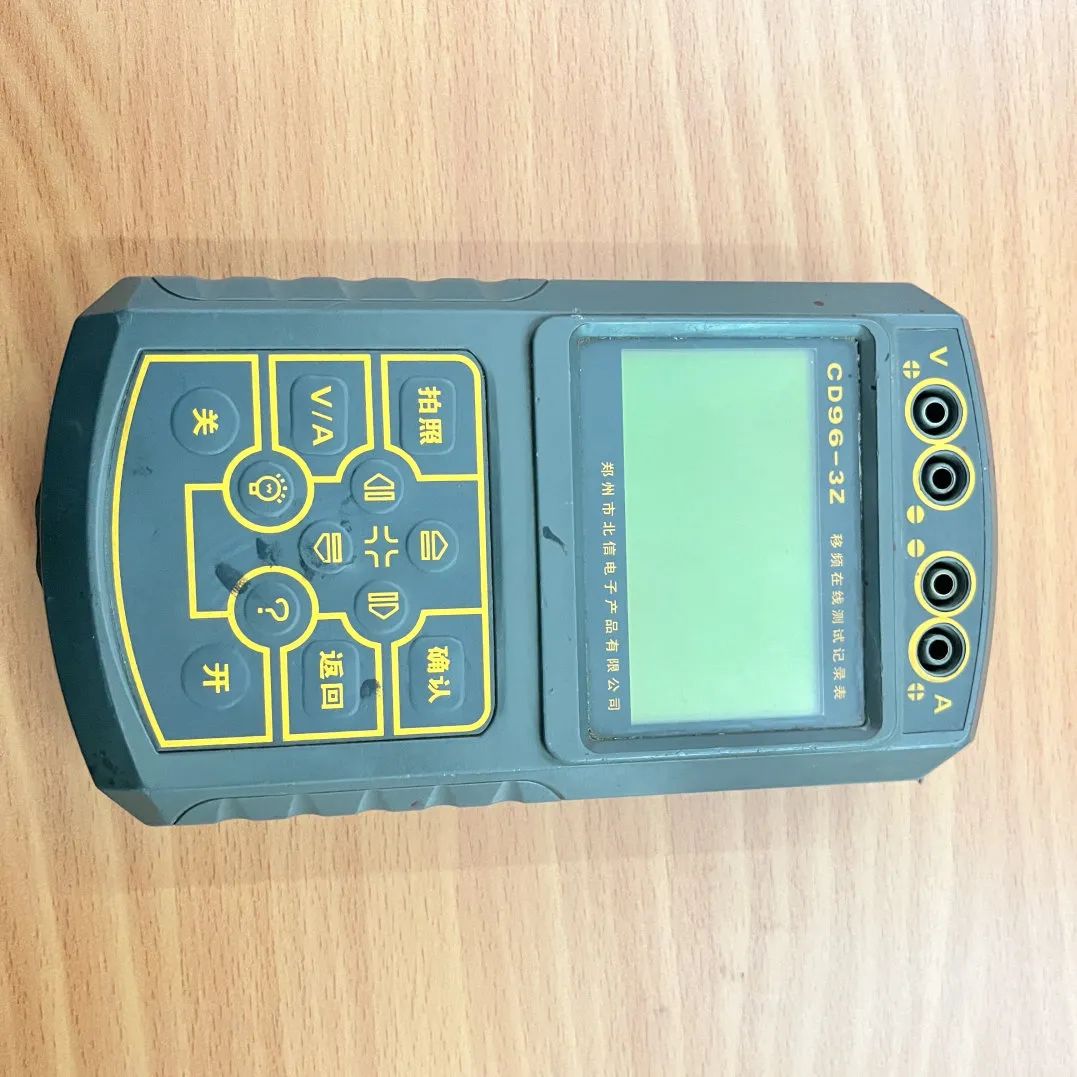
Usage of Frequency Meter
1. The frequency meter is mainly used to test ZPW-2000 track circuit and other frequency-related project information, 25HZ information, and AC/DC voltage.
2. Before use, check if the battery level is sufficient, replace the spare battery in time to prevent inaccurate test data due to insufficient power.
3. When testing single carrier frequency information, be clear about the carrier frequency of the equipment and terminals being measured to select different carrier frequency ranges.
4. When testing current, press the “V/A” switch button and select “I” or “II” on the current clamp to switch between testing frequency currents of 100~5000HZ and 25HZ/50HZ currents.
5. After use, turn off the frequency meter switch and charge it in time based on the remaining power.
Review and Learn New
LEARN
3
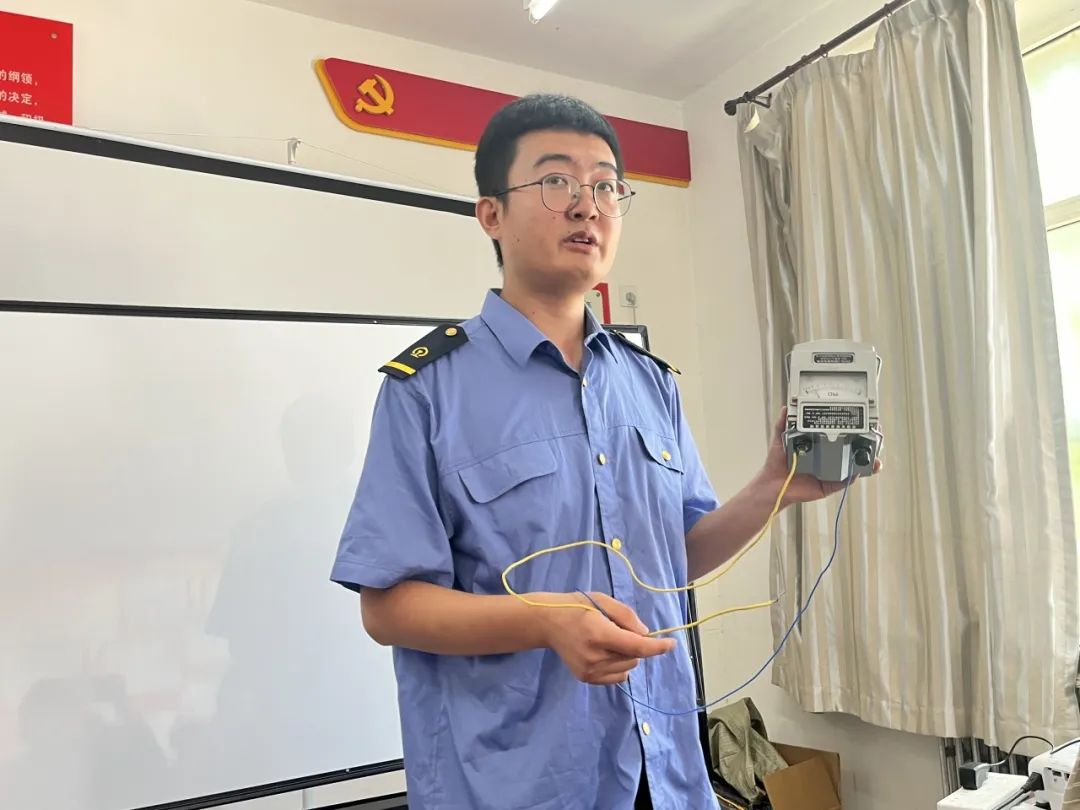
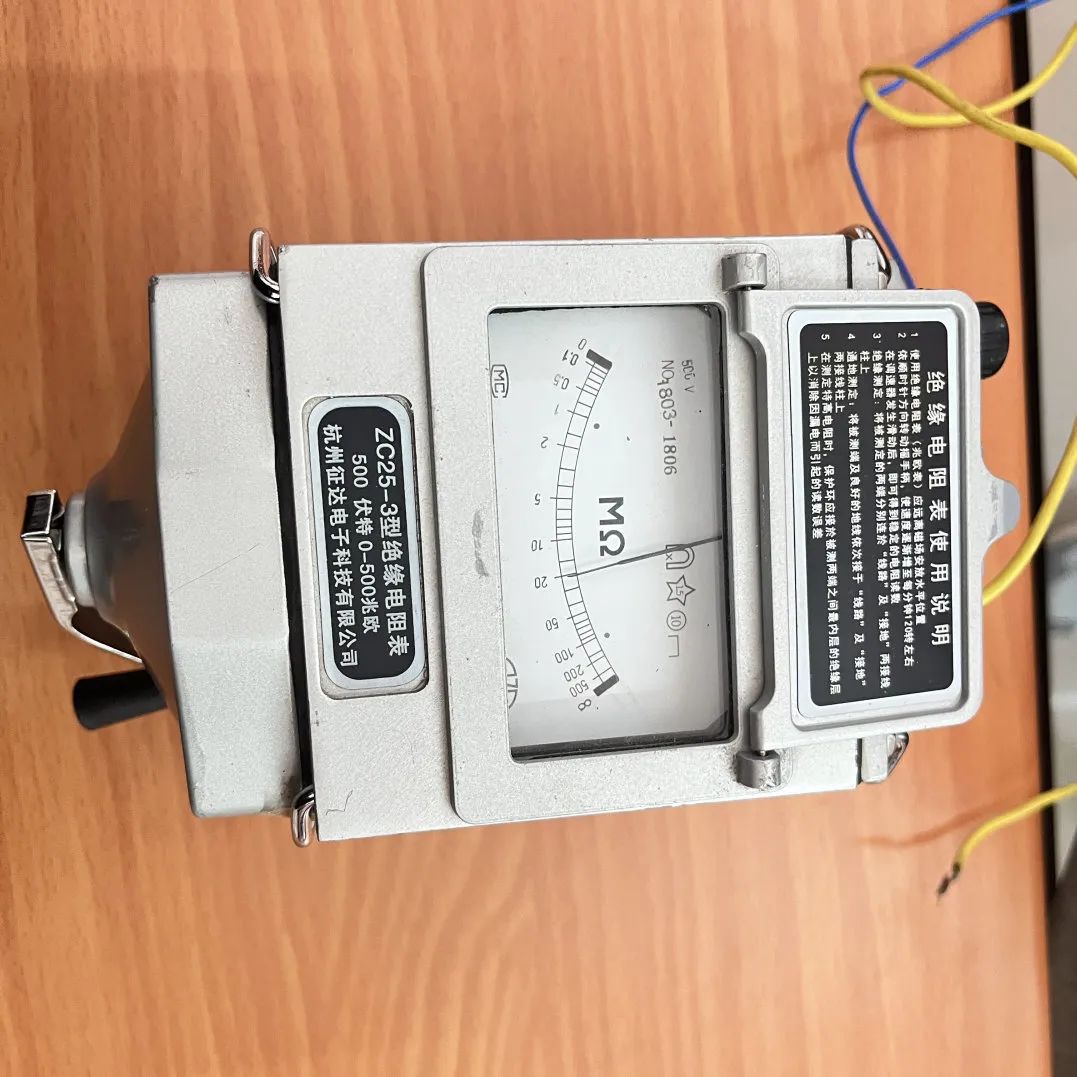
Usage of Insulation Resistance Tester
1. Calibration. Before measurement, conduct an open circuit and short circuit test on the shaking meter to check if it is functioning correctly. Open the two connection wires, shake the handle, and the pointer should point to “∞”. Then short the two connection wires, and the pointer should point to “0”. If both conditions are met, it is good; otherwise, it cannot be used.
2. Disconnect the device and circuit being measured. For large capacitor devices, discharge them as well.
3. Select a shaking meter that meets the voltage level requirements.
4. When measuring insulation resistance, generally only the “L” and “E” terminals are used, but when measuring the insulation resistance of cables to ground or when the leakage current of the device being measured is severe, the “G” terminal should be used, connecting the “G” terminal to the shielding layer or outer casing. After connecting the circuit, turn the crank clockwise, shaking speed should start slow and then become faster. When the speed reaches 120 revolutions per minute (for ZC-25 type), maintain a uniform speed for one minute before reading the value, reading while shaking and not stopping to read.
5. Discharge after reading. After reading, shake slowly while disconnecting the wires, then discharge the device being measured. The discharge method is to short the grounding wire used during measurement with the device being measured.
Review and Learn New
LEARN
Self-Assessment of Learning Outcomes
1
(Single choice question) When measuring with the resistance range of a multimeter, the selected range should make the pointer close to the scale’s ( ), the reading is more accurate.
A. Left B. Right
C. Middle D. No limit
Click the blank space to see the answer
C
2
(Single choice question) When measuring current with a multimeter, the probes should be () with the circuit.
A. Disconnected B. Closed
C. Parallel D. Series
Click the blank space to see the answer
D
3
(Single choice question) When using a megohmmeter, the speed of shaking the handle should not be too fast or too slow, generally specified as ( ).
A. 60r/min B. 80r/min
C. 90r/min D. 120r/min
Click the blank space to see the answer
D
4
(Multiple choice question) The functions of a multimeter can measure ( ).
A. Voltage B. Current
C. Resistance D. Identify diode polarity
Click the blank space to see the answer
ABCD

“Huhot Baotou Electric Department” WeChat public account
Welcome everyone to scan and follow (long press the image above to automatically recognize the QR code)


[Huhot Baotou Electric Department] Media Work Studio
Image Source: Huang Jiahui
Editor: Huang Jiahui Yang Xiaolin

Look here again