The news of DJI’s investment in Smart派 is one of the most discussed events in the 3D printing field recently. This investment serves as a signal, indicating that this rapidly growing sector is entering a new phase of competition.
Why did DJI invest in Smart派?

To understand the impact, we must first look at the deeper considerations behind DJI’s investment:
Seizing Growth Opportunities: The consumer 3D printing market is experiencing explosive growth. The global market size has reached hundreds of billions of dollars, with the consumer segment growing particularly rapidly. DJI’s move reflects its confidence in this immense potential and a proactive strategy.
Strategic Positioning: Smart派, which DJI invested in, has advantages in the Stereolithography (SLA) technology route, complementing the mainstream Fused Deposition Modeling (FDM) technology led by拓竹科技 in the consumer market. Through this investment, DJI can cover a promising technology route at a lower cost.
Addressing Potential Competition:拓竹科技 was founded by several former core employees of DJI and is developing rapidly, even competing with DJI in the talent market. Investing in Smart派 is seen as DJI’s way of influencing the competitive landscape and making a defensive move.

Comprehensive Impact on the 3D Printing Industry
From a competitive landscape perspective, in the consumer market: it directly intensifies competition among the “Shenzhen Four Little Dragons” (拓竹, 创想三维, 纵维立方, Smart派). With DJI’s funding, brand endorsement, supply chain management, and potential technological empowerment, Smart派’s strength will significantly increase. In the industrial market: in the short term, the different tracks have limited direct impact; in the long term, the maturity of consumer-level technology and cost reductions may benefit the industrial sector.
From a technological development perspective, DJI’s strong system engineering capabilities and technology transfer abilities (such as applying LiDAR and resonance control technology from the drone field to 3D printing) may elevate the product performance standards across the industry.
From an industry chain and capital perspective, upstream material and core component suppliers (such as laser manufacturers) will see greater demand. Additionally, the entry of giants provides strong endorsement for the sector, attracting more capital attention and investment in the 3D printing field.
From a market education and popularization perspective, DJI’s brand appeal can attract more ordinary consumers who previously knew little about 3D printing to focus on this field. Coupled with AI technology significantly lowering the barriers to 3D modeling, this will accelerate the transition of consumer-level 3D printing from a geek toy to a practical creative tool.

Impact on Industrial 3D Printing Companies
For companies focused on the industrial market, the direct impact of DJI’s investment in Smart派 may be relatively indirect in the short term, but in the long run, the industry changes it brings cannot be ignored.
Limited short-term impact, different tracks: Industrial and consumer 3D printing differ greatly in application scenarios, technical requirements, and customer groups. Industrial-grade printing pursues reliability, precision, and material performance under extreme conditions, mainly used in high-end manufacturing fields such as aerospace and medical implants. The focus of consumer-grade competition is on cost, ease of use, and content ecosystem. Therefore, the current battle is mainly concentrated in the consumer field, while industrial giants have their solid barriers and moats.
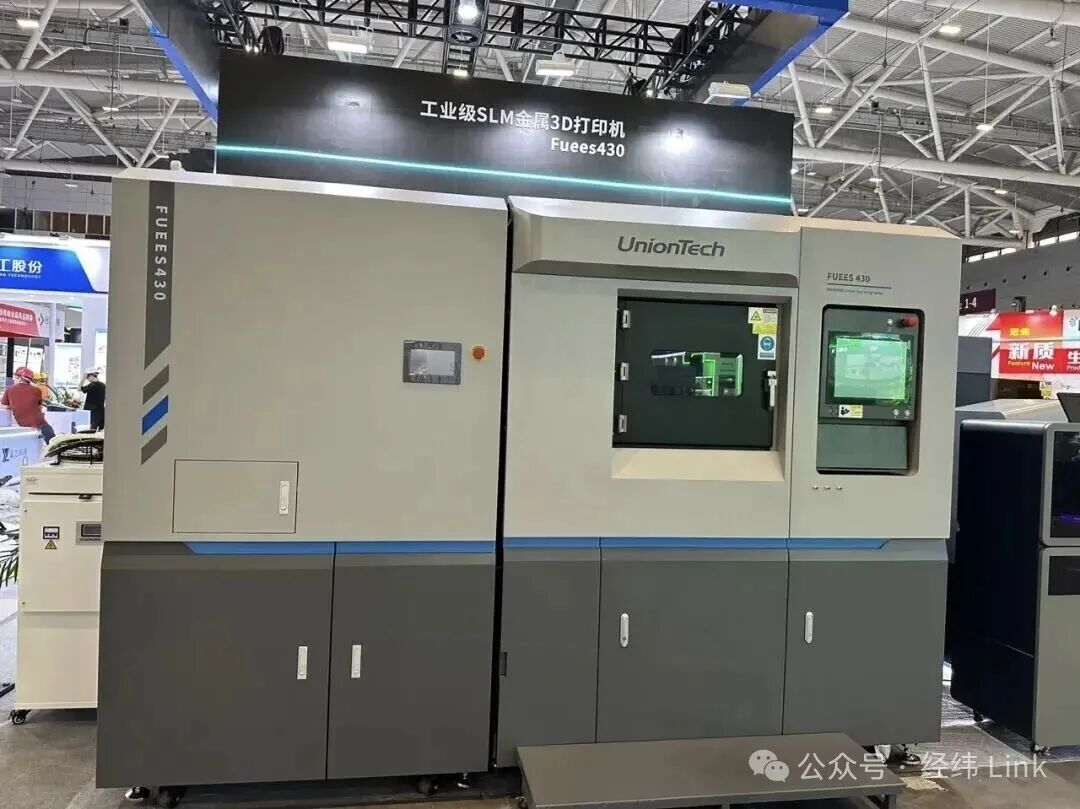
Long-term Potential Opportunities and Challenges:
Technology Spillover Effect: The technological innovations spurred by fierce competition in the consumer market (such as faster printing speeds and better user experiences) may, after reinforcement and adaptation, be transferred or migrated to industrial-grade equipment, driving advancements and cost optimization in industrial technology.
Blurring Market Boundaries: As consumer-grade equipment continues to improve, some high-end consumer or “quasi-industrial” devices may begin to penetrate traditionally industrial-dominated segments such as prototype manufacturing and mold development, introducing new competitive dimensions.
Intensified Talent Competition: The overall heating of the industry will intensify the competition for top R&D talent, and industrial companies may need to invest more resources to attract and retain core talent.
DJI’s investment in Smart派 is like dropping a “deep-water bomb” in the 3D printing industry, with its ripple effects gradually spreading from the consumer market throughout the entire industry chain. For industrial manufacturers, in the short term, it is “watching from the sidelines,” but in the long term, they need to “prepare for the rain.” The future of the industry is likely not a simple zero-sum game, but rather, under the leadership of giants, through more intense competition and broader cooperation, jointly expanding the market and promoting 3D printing technology towards a more widespread, efficient, and intelligent direction.
How should industrial 3D printing companies respond to this situation?
For industrial 3D printing companies, DJI’s investment indeed sounds the horn for industry transformation. However, this is not necessarily a threat; it is more like a strategic opportunity to redefine the battlefield and strengthen their own value. In the face of the new competitive landscape, industrial companies can build their response strategies around the following aspects.
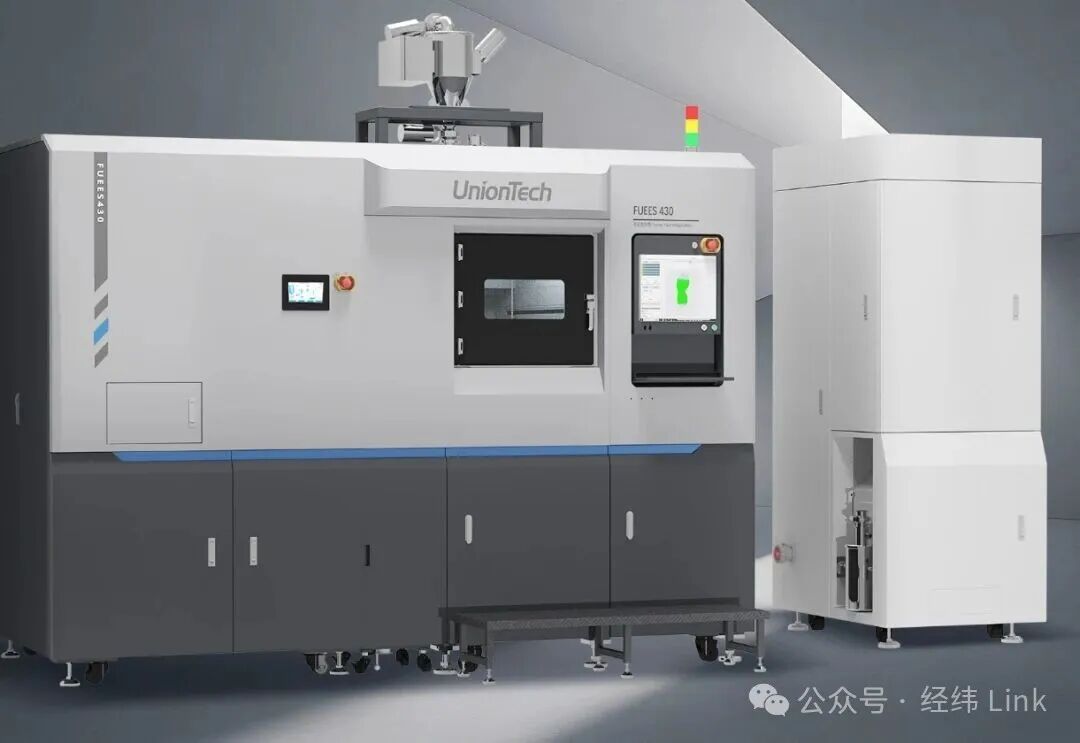
1. Strengthen core barriers, deepen technology and application moats, focus on extreme performance requirements (such as aerospace, medical implants); increase R&D investment to break through high-end materials like superalloys and high-performance composites; promote the construction of industry standards and certification systems.
2. Focus on high-value markets, deeply penetrate vertical fields, and cultivate high-barrier areas such as aerospace, medical (custom implants, surgical guides), and automotive (lightweight components, customized molds); provide integrated solutions of “equipment + materials + processes.”
3. Embrace technological integration and efficiency revolution, enhance economic viability and accessibility by reducing equipment and material costs through technological innovation; deeply integrate with AI and generative design to optimize designs and simplify operational processes.
4. Layout globalization and ecologicalization, build an open and collaborative industrial ecosystem, actively explore overseas markets, and quickly obtain international certifications and channels through mergers or partnerships; transition from single equipment sales to diversified business models such as “printing service subscriptions” and “on-demand production.”
From defense to offense: Upgrading strategic thinking
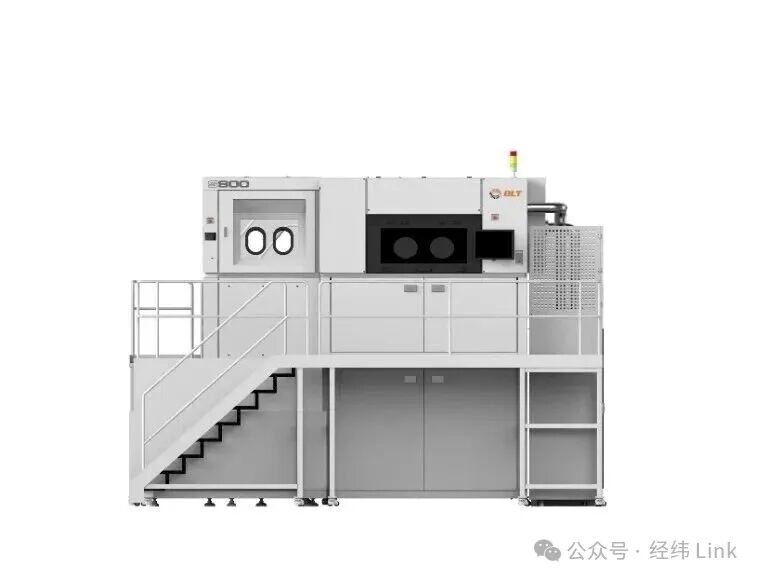
In addition to the specific strategies mentioned above, industrial companies need to achieve three major shifts in thinking:
1. From “product thinking” to “ecosystem thinking”: Future competition will no longer be about individual devices, but about manufacturing capabilities, solutions, and industrial ecosystems. Industrial companies should consider how to become indispensable infrastructure and standard setters in specific vertical fields (such as digital dentistry, rapid prototyping in aerospace).
2. From “technology-oriented” to “value-oriented”: There is a need to more directly demonstrate the actual commercial value brought by 3D printing technology to customers, such as “how much fuel can be saved for aircraft through lightweight design” and “how much production efficiency can be improved through conformal cooling molds.” Convincing customers with clear input-output ratios.
3. From “passively receiving orders” to “actively co-creating”: Collaborate deeply with industry leaders to jointly develop the next generation of products and manufacturing processes. For example, co-create lighter vehicle structures with automotive manufacturers and more ergonomic implants with medical companies. This can deeply bind their technology to the core value chain of customers.
In summary, the industry shock brought by DJI’s entry is precisely the best opportunity for industrial 3D printing companies to introspect and upgrade their strategies. The core of the response strategy lies in “leveraging strengths and avoiding weaknesses”: fully utilizing their absolute advantages in extreme performance, specialized field know-how, and reliability, while actively embracing change, reducing costs through technology, transforming services, and building ecosystems to attack high grounds that consumer-grade/quasi-industrial technologies cannot currently reach.
The outcome of this competition is more likely to be a joint expansion of the market, promoting deeper applications of 3D printing technology in different scenarios, rather than a simple zero-sum game. The key lies in whether one can quickly adjust their posture and find and solidify their value anchor in the wave of transformation.