This article mainly discusses the ADAS database and touches on poetry and distant horizons. I believe that ADAS and autonomous driving are particularly challenging areas to break through:
1) The upper dimension is this
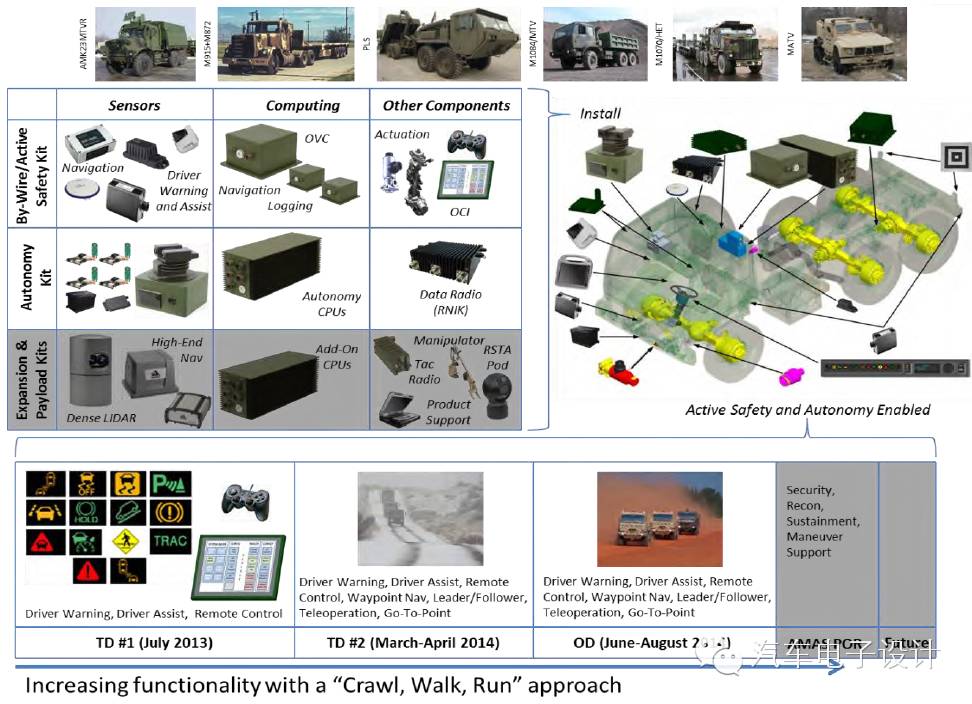 2) The center is the vehicle
3) The lower dimension consists of various automated robots
Recently, we have been breaking down the future topics for discussion within our professional group. This is our way of approaching future discussions and serves as a reference for others. Overall, we can view issues from this perspective.
a) Regularly organize discussions on technical architecture in parts
b) Exchange and analyze intelligence based on sources
c) Discuss and consider issues and scenarios based on applications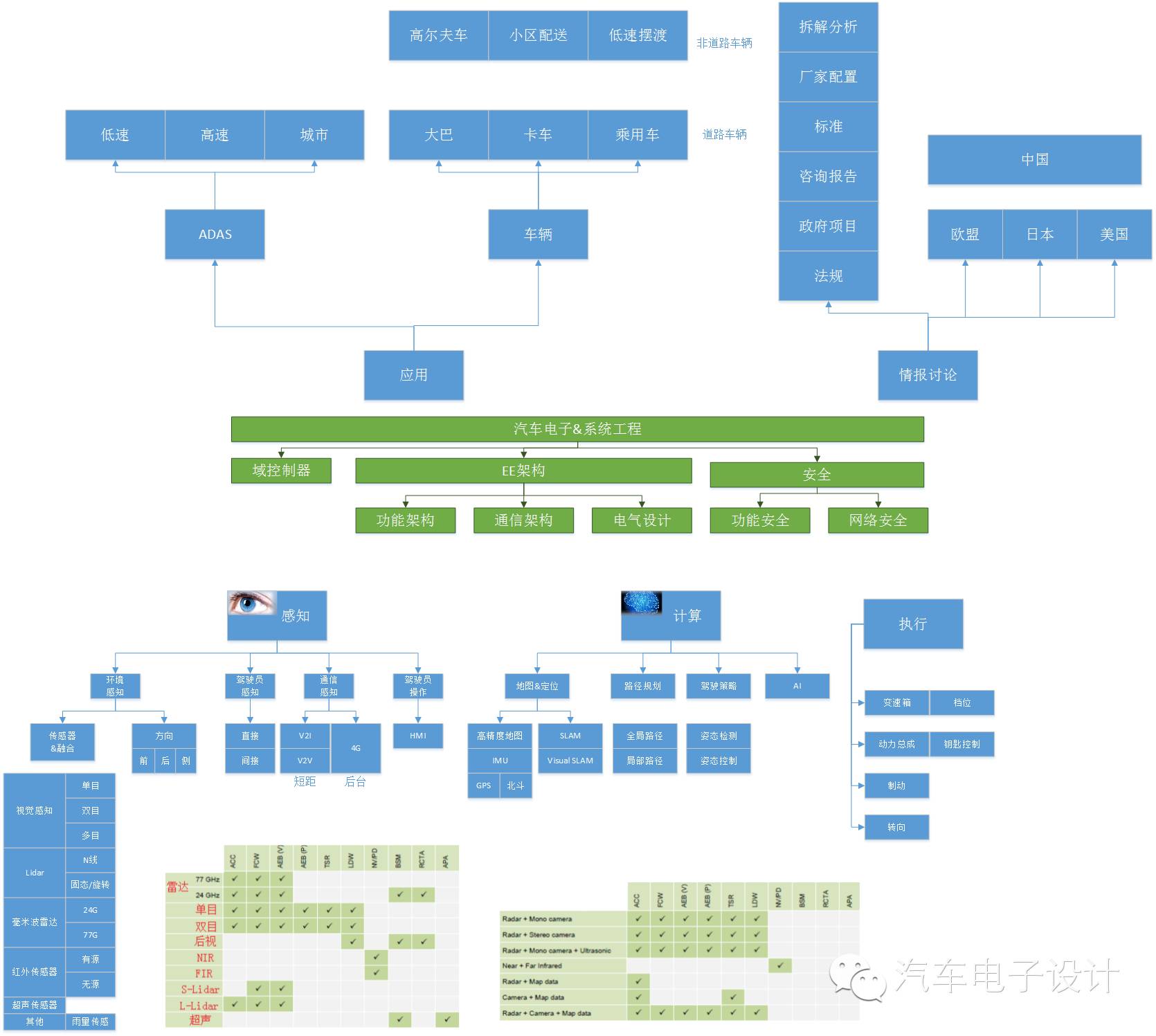
The whole concept is to decompose the entire technology and architecture content, and then regularly organize discussions based on each part to talk about everyone’s understanding, supplement it, and engage in critical thinking.
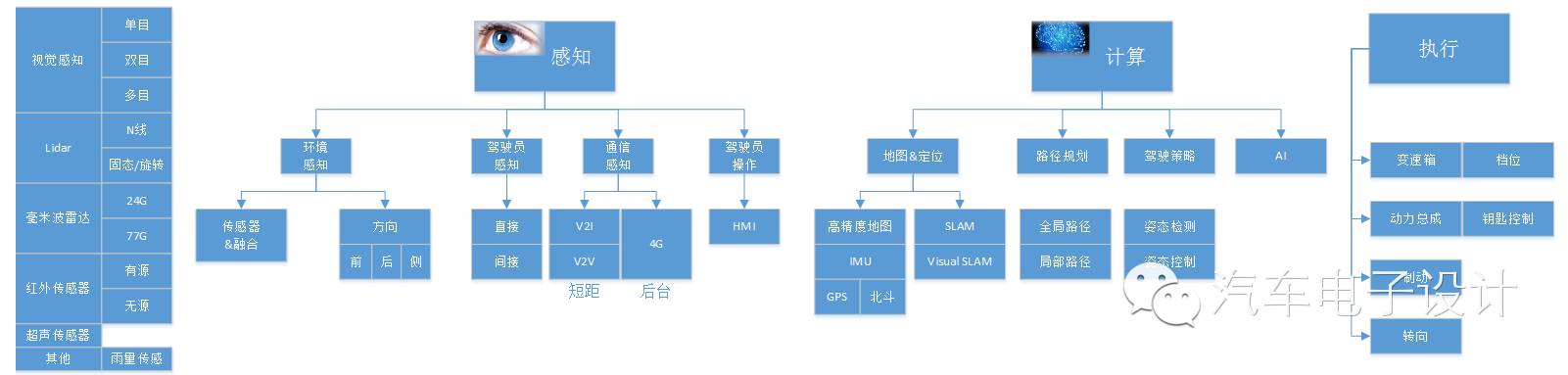
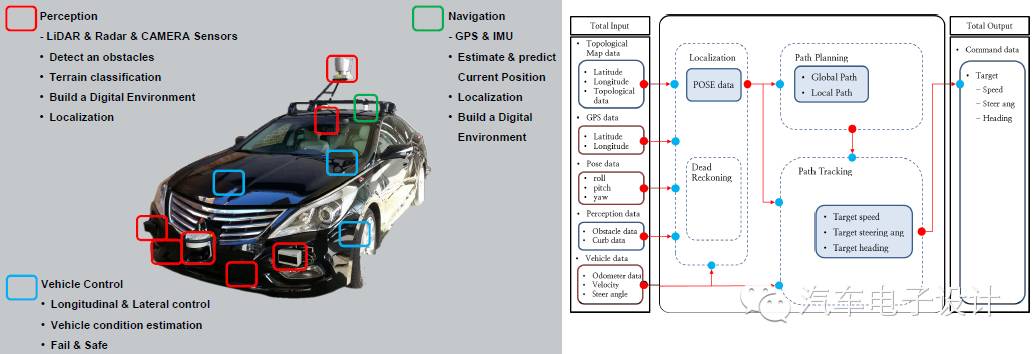
1) ADAS & Autonomous Driving Technology Decomposition
-
Perception: (sensors perceive information inside and outside the vehicle),Recognition (quantifying the vehicle’s surrounding environment),Networking (data exchange between the vehicle and the backend, and between vehicles)
-
Computation:Positioning (determining location and vehicle posture),Path (algorithm planning for the vehicle’s driving path)
-
Execution: Vehicle control, including interfaces for various components
To realize ADAS + Autonomous functions, the sensors for detecting obstacles include cameras, infrared sensors, millimeter-wave radar, laser radar, ultrasonic sensors, and several other types, each with its own advantages and disadvantages.
 The core is fusion evaluation: integrating and controlling multiple recognition sensors through sensor fusion, followed by functionality and evaluation.
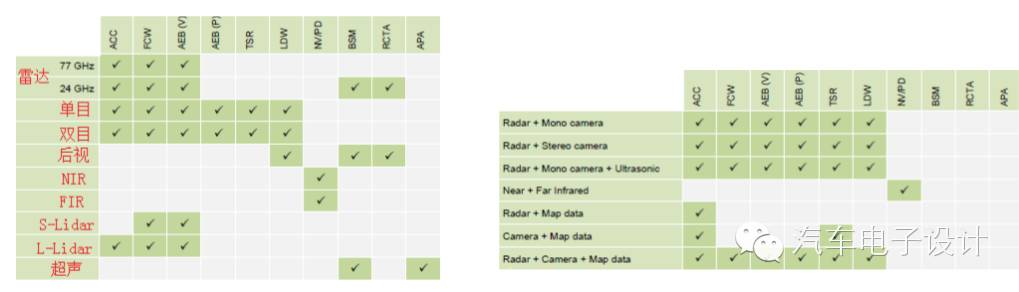 Here, we focus on discussing some aspects of the actual process
 2) Automotive Electronic System Development
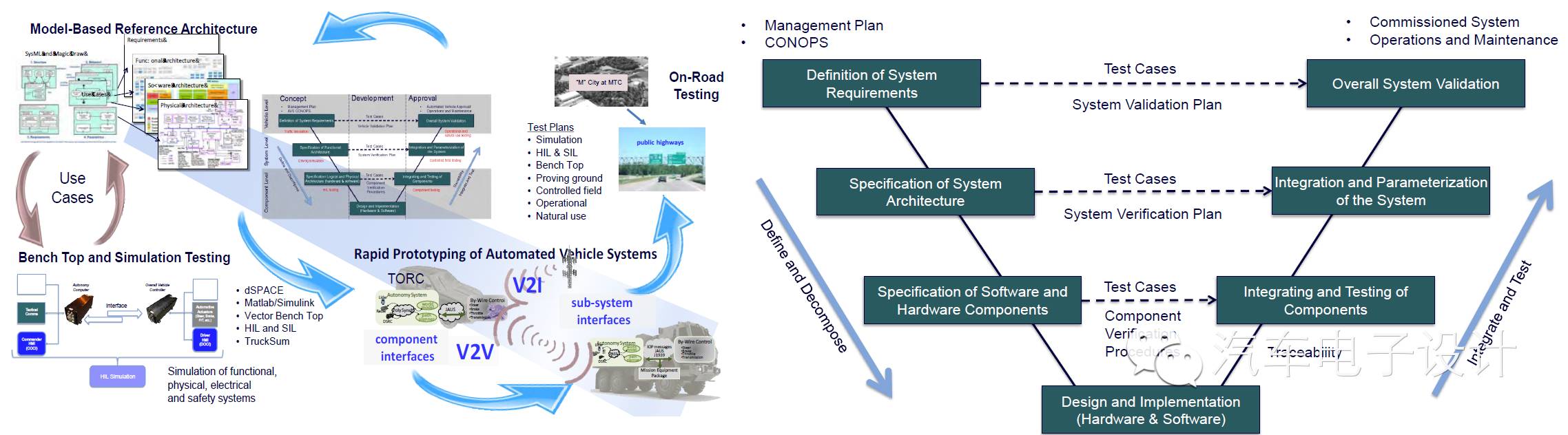
This area will be a key consideration in the methodology of ECU design, further subdividing various methods of integrated systems engineering
 Here, the development methods for upper, middle, and lower levels are actually quite similar
3) Application Scenario Analysis
This mainly combines the use of different functions in different scenarios and environments
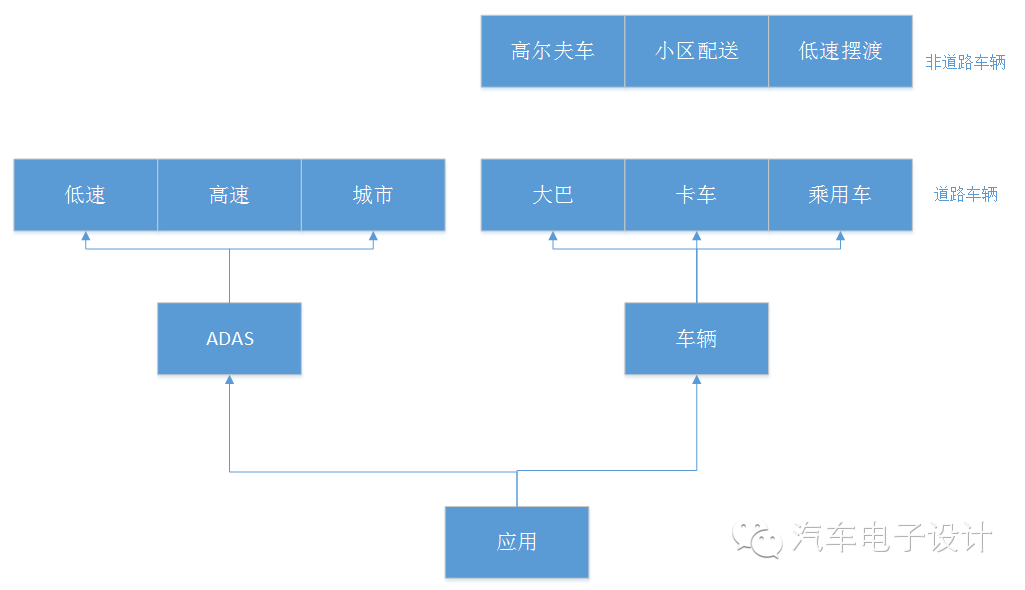
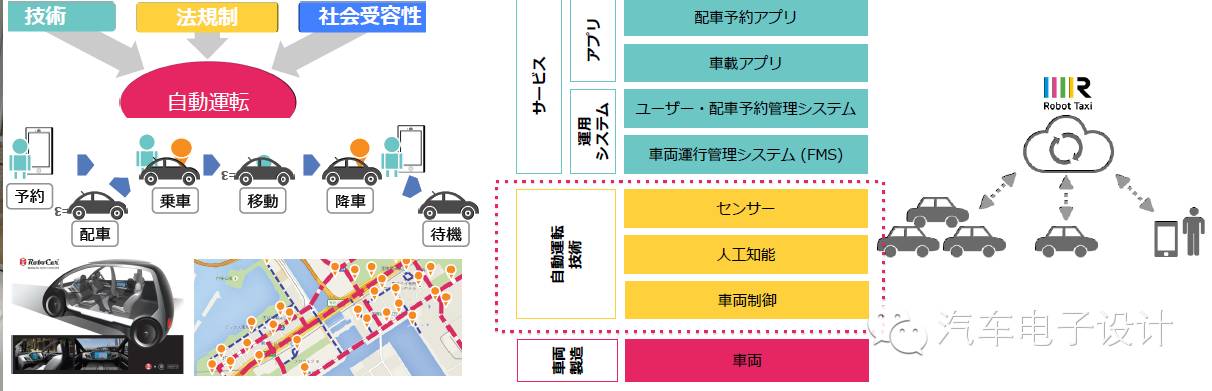
This scenario segmentation also considers the requirements of the entire operation and work system architecture from other dimensions
 4) Intelligence Analysis
The main focus is on summarizing and discussing intelligence from all regions and different levels.
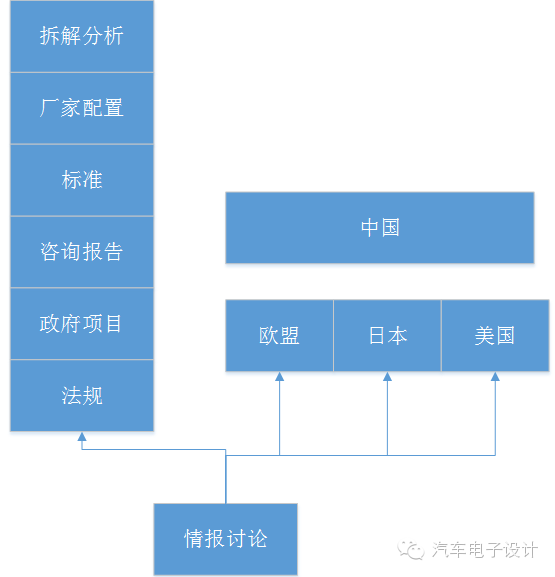
My starting point is to explore many technical issues through:
1) The curiosity and problem-driven motivation of engineers to explore various technical applications, combining scenario analysis with real situations
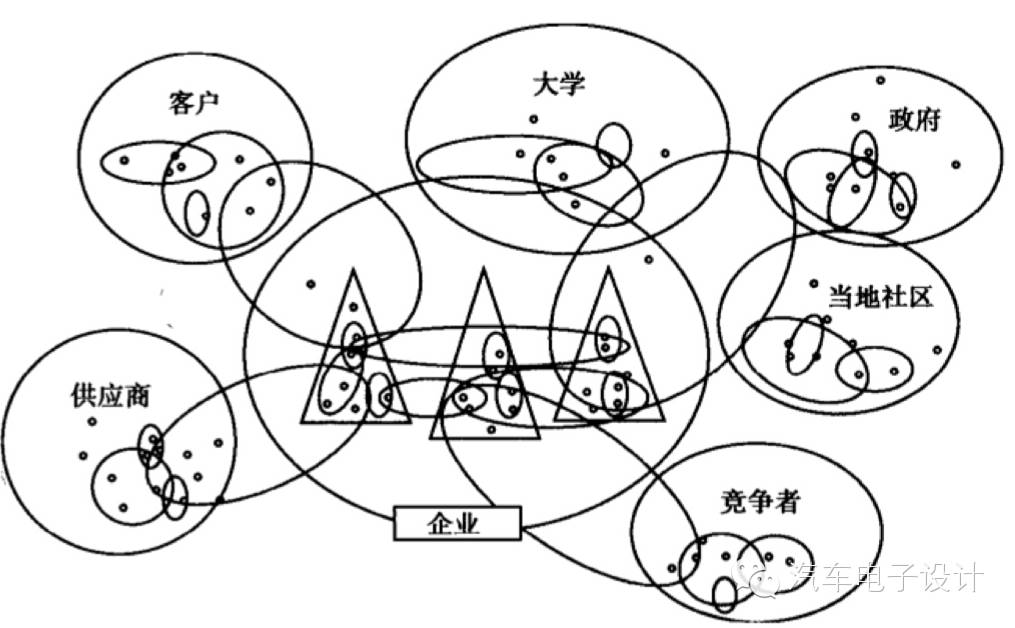 2) Rapid networking discussions and combinations of various knowledge fields
To explain to Lao Xu, this is my poetry and distant horizon.
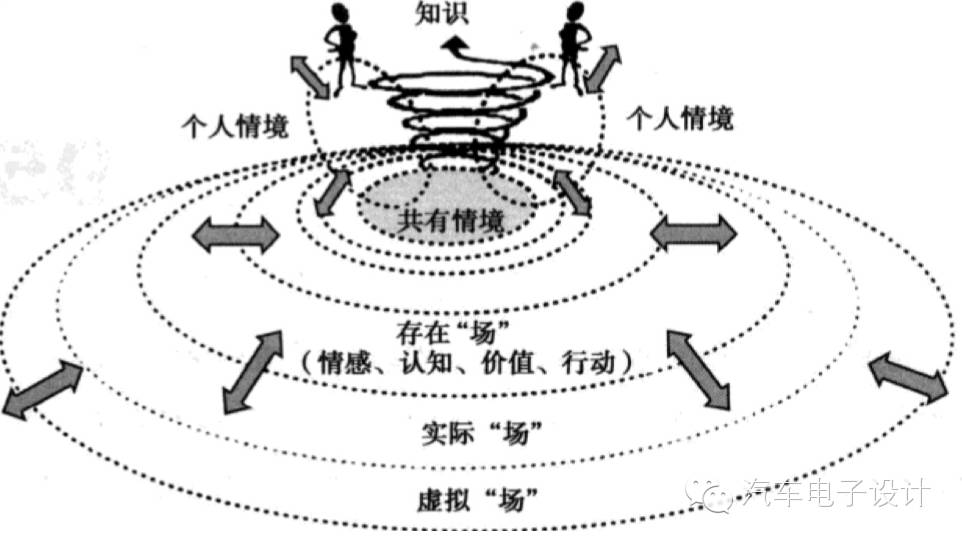 Summary
1) When people are poor, their ambitions are short; sometimes there is a significant gap between what one wants to do and others’ ideas. Currently, I can think this way due to a lot of luck.
2) I have always believed that engineering design will become increasingly valuable in the future, but most engineers currently have to solve the problems of making a living, housing, and food. A group needs bread and milk, as well as poetry and distant horizons.