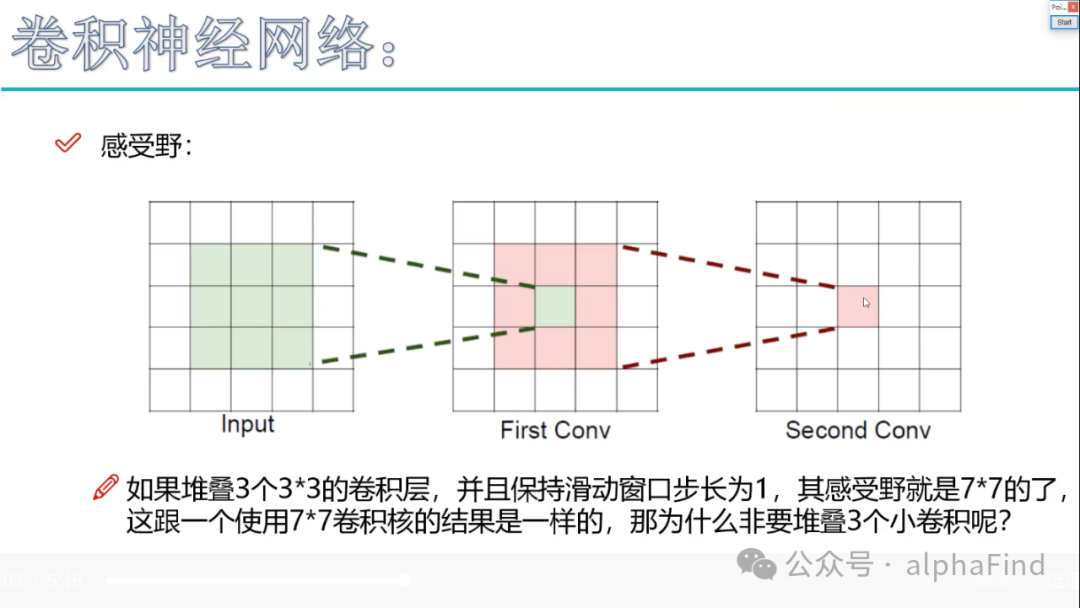
Many people learn Python by piecing together various resources, and after finishing the basics, they don’t know how to work on projects. After completing the framework, they don’t understand the underlying principles. Recently, I organized a more systematic set of learning resources that cover everything from basic syntax to architectural design, and I am sharing it with friends who need it.
📖 Introduction
Complete Overview of the Python Full-Stack Development Technology System
While organizing Python learning materials recently, I found that many students have a vague understanding of the concept of “full-stack development.” What technologies need to be mastered? What is the relationship between the various modules? Today, I will systematically break down the technology stack of Python full-stack development based on a relatively complete course outline.
📥 Download
Resource link: https://yunpan.plus/t/37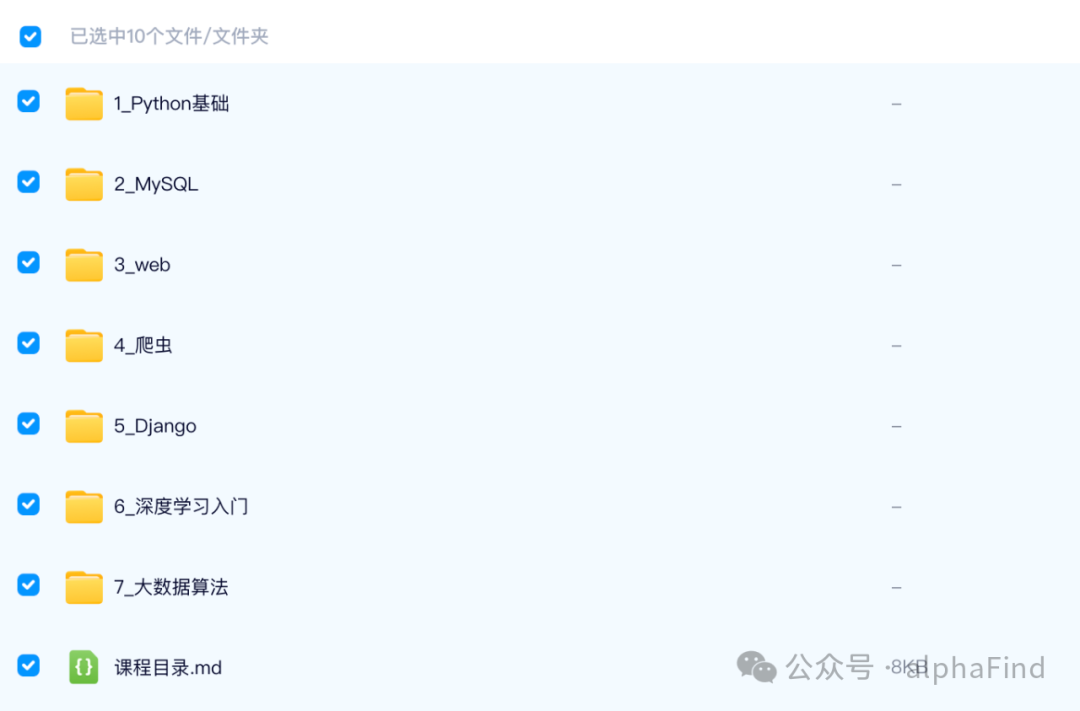
1. Basic Capability Layer (Sections 1-10)
This part is the foundation, including control flow, object-oriented programming, file operations, and exception handling. Many people tend to overlook the basics and jump directly to learning frameworks, resulting in difficulties when debugging issues. Object-oriented programming is especially important, as the class views and ORM models in Django are based on this concept.
Core Knowledge Points:
- Control flow and data structures
- Three characteristics of object-oriented programming
- File I/O and exception handling mechanisms
- Modular programming concepts
2. Data Persistence Layer (Sections 11-19)
In enterprise development, databases are indispensable. This system covers three mainstream databases:
- MySQL: Relational database for structured data
- MongoDB: Document database suitable for unstructured data
- Redis: Cache database to enhance system performance
The key is to understand the application scenarios of different databases. For example, user information can be stored in MySQL, sessions can be cached in Redis, and web scraping data can be stored in MongoDB before cleaning.
3. Frontend Technology Stack (Sections 20-37)
A full-stack engineer is not required to write flashy frontend code but should be able to independently complete page development. This part covers everything from the basics of HTML/CSS to advanced JavaScript, jQuery, and Ajax asynchronous interactions, culminating in practical experience with the Vue.js framework.
Learning Path:
Static pages (HTML/CSS) → Interactive logic (JavaScript) → Libraries and frameworks (jQuery/Vue) → Frontend-backend separation (Ajax)Sections 12-16 focus on practical skills like carousel and page layout, so hands-on practice is highly recommended.
4. Web Scraping Module (Sections 38-62)
Web scraping is a killer application of Python. The course is divided into two stages:
Beginner Stage (Sections 38-49):
- Usage of urllib/requests libraries
- HTML parsing (BeautifulSoup/lxml)
- Basics of Scrapy framework
Advanced Stage (Sections 50-62):
- Selenium for browser simulation
- Appium for mobile scraping
- Mitmproxy for packet analysis
- Captcha recognition technology
There is a technical difficulty here: anti-scraping measures. Many websites now employ JS encryption, font anti-scraping, and slider captchas, requiring a combination of various tools to overcome.
5. Web Framework Practical (Sections 63-92)
Django is the most popular web framework in Python, and this section contains the most content:
Core Modules:
- MTV architecture pattern (Model-Template-View)
- ORM database mapping
- Template engine and view functions
- Middleware and permission system
- RESTful API design
Sections 86-92 involve a project using Vue+Django for frontend-backend separation, which is the current mainstream development model. It is recommended to focus on interface design and cross-origin handling.
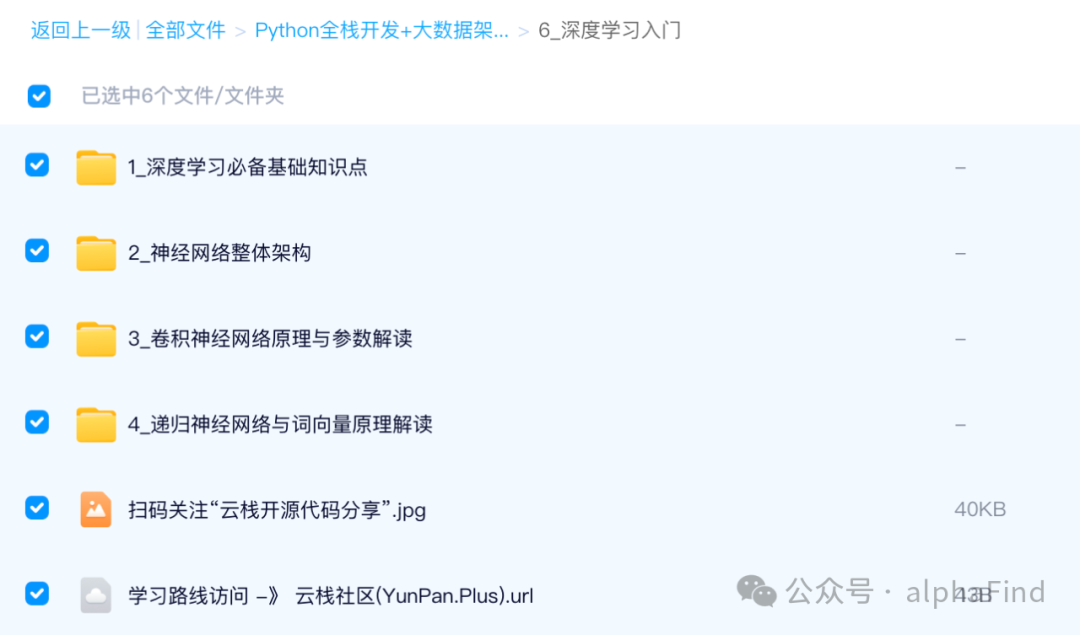
6. Machine Learning and Deep Learning (Sections 93-135)
This part is the core competency of a big data architect:
Basics of Deep Learning (Sections 93-110):
- Principles of neural networks
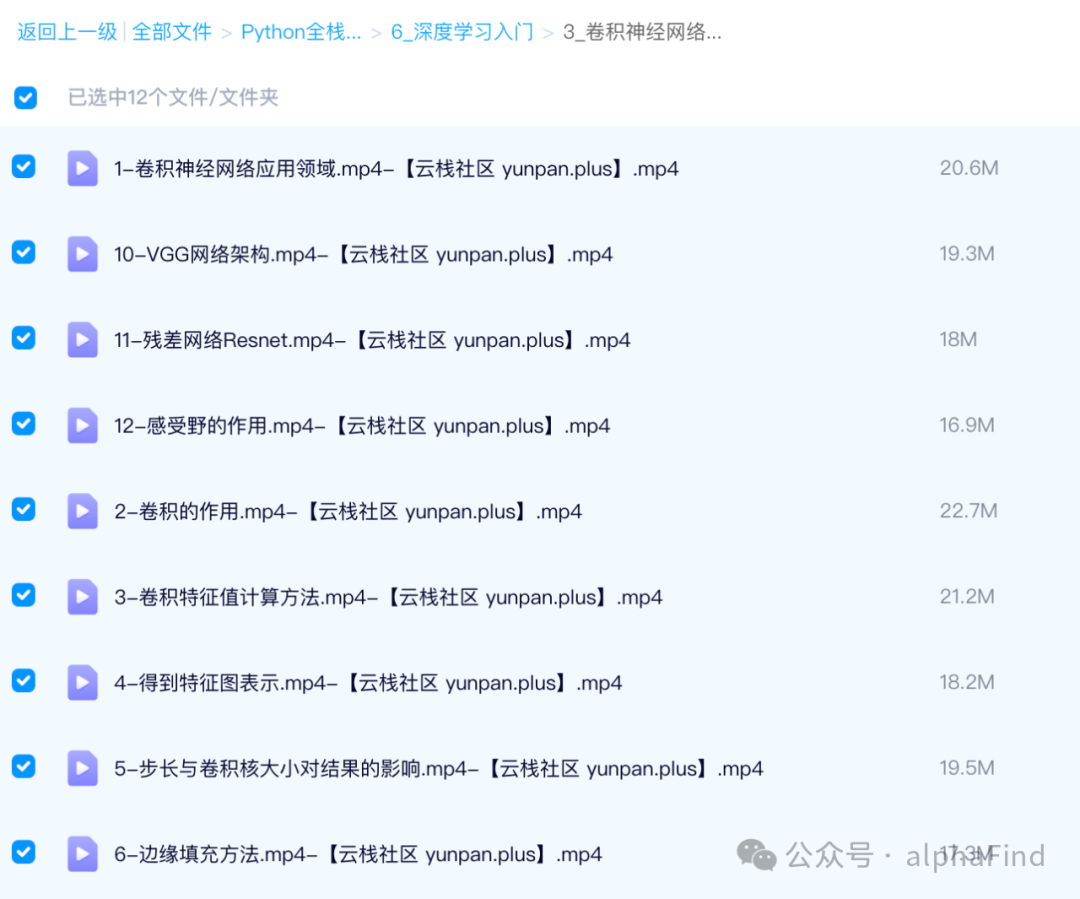
- CNN convolutional networks (image recognition)
- RNN recurrent networks (sequential data)
- Word vector models (NLP basics)
Machine Learning Algorithms (Sections 111-135):
- Decision trees and random forests
- Support Vector Machines (SVM)
- Recommendation system algorithms
- Regression and classification problems
Practical projects include captcha recognition, recommendation engines, and data visualization, all of which are common scenarios in enterprises.
7. Algorithms and Data Structures (Sections 136-155)
Many people think that web development does not require algorithms, but they are essential for interviews at large companies. This section covers:
- Sorting algorithms (quick sort, merge sort, heap sort)
- Dynamic programming (knapsack problem, longest subsequence)
- Graph theory algorithms (shortest path, topological sorting)
- String matching (KMP, Aho-Corasick algorithm)
It is recommended to practice with LeetCode to combine theory and practice for better results.
Technology Stack Relationship Diagram
Python Basics ├─ Database Layer (MySQL/MongoDB/Redis) ├─ Frontend Layer (HTML/CSS/JS/Vue) ├─ Backend Layer (Django Framework) ├─ Data Collection (Web Scraping Technology) ├─ Data Processing (Machine Learning) └─ Algorithm Basics (Data Structures)Learning Suggestions
1. Progress step by step, do not skipWithout a solid foundation, everything is shaky. If you don’t understand object-oriented programming, learning Django will be very painful.
2. Project-driven learningAfter completing each module, do a small project. For example, after learning web scraping, analyze Douban movie data; after learning Django, create a blog system.
3. The technology stack should be systematicDon’t just know Django without understanding databases, or only know web scraping without understanding data processing. Companies need engineers who can solve problems independently.
4. Focus on underlying principlesFrameworks may become outdated, but principles do not change. For example, understanding the HTTP protocol is more important than memorizing the requests API.
Target Audience
- Students with no background who want to systematically learn Python
- Beginners who know basic syntax but don’t know how to work on projects
- Professionals looking to transition to full-stack development
- Backend engineers needing to enhance their data processing capabilities
Resource Description
This course consists of 155 sections, including complete video explanations and code examples. The content covers 10 major technology modules, from basic syntax to enterprise-level project development.
Technology Stack List:
- Programming Language: Python 3.x
- Databases: MySQL, MongoDB, Redis
- Frontend: HTML5, CSS3, JavaScript, Vue.js
- Frameworks: Django, Scrapy
- Tools: Selenium, Fiddler, Mitmproxy
- Algorithms: Machine Learning, Deep Learning, Data Structures
📚 Complete Directory
Module 1: Python Basics (10 sections)
- Preparatory class sections 1, 2, and 4
- Control flow
- Object-oriented programming 1-3
- File operations
- Exception handling and module introduction
- Comprehensive exercises and basic summary
Module 2: Database Operations (9 sections)
- MySQL table operations
- MySQL data CRUD
- MySQL constraints
- Python and database interaction
- MongoDB database
- Redis database
- Multithreading
- Common modules
- Summary
Module 3: Web Frontend (18 sections)
- HTML Basics
- CSS Basics
- Advanced CSS
- JavaScript Part 1 (up and down)
- JavaScript Part 2 (up and down)
- JavaScript Part 3
- jQuery
- Ajax (up and down)
- Carousel
- Page Layout
- Web Page Writing Parts 1, 2, and 3
Module 4: Web Scraping (25 sections)
Web Scraping Basics:
- Practical introduction to Python basics
- urllib and urllib3 (up and down)
- requests (up and down)
- Fiddler packet capture
- Scrapy-redis
Web Scraping Advanced:
- Selenium automation
- Appium for mobile
- Mitmproxy packet capture
- Captcha cracking technology
Module 5: Django Framework (23 sections)
- Django basics and MTV architecture
- ORM model design
- Template engine
- View functions and class views
- Middleware mechanism
- Permission system
- RESTful API
Module 6: Vue Frontend Framework (7 sections)
- Vue.js basics
- Vuetify component library
- Frontend-backend separation practical
- Course platform frontend page development
Module 7: Deep Learning (18 sections)
- Principles of neural networks
- Convolutional Neural Networks (CNN)
- Recurrent Neural Networks (RNN)
- Word vector models
- Image recognition practical
- Sequential data processing
Module 8: Machine Learning (25 sections)
- Decision tree algorithms
- Support Vector Machines (SVM)
- Recommendation systems
- Regression analysis
- Classification algorithms
- Data visualization
- Model evaluation and optimization
Module 9: Data Structures (20 sections)
- Sorting algorithms (bubble sort, quick sort, merge sort, heap sort)
- Dynamic programming
- Graph theory algorithms
- String matching
- Trees and binary trees
- Hash tables
Module 10: Comprehensive Practical Projects
- Web note-taking system
- Data visualization platform
- Recommendation engine
- Captcha recognition system
- Web scraping data analysis
Python full-stack development and big data algorithm practical: https://yunpan.plus/t/37