Background:
Since the second quarter of 2025,the consumer electronics industry has shown characteristics driven by both policy and technology.
The new energy efficiency regulations for smart devices implemented in June by the EU strengthen sustainable design requirements, promoting product upgrades towards longevity and ease of repair.
The voice interaction standards for smart appliances released in August domestically set the technical path for the industry,accelerating the large-scale implementation of AI voice in smart home scenarios.
On the technical front, the integration of edge AI and large model solutions breaks through device response bottlenecks, with companies like Volcano Engine launching edge intelligent solutions that significantly enhance the operational efficiency of IoT devices.

Company Introduction:
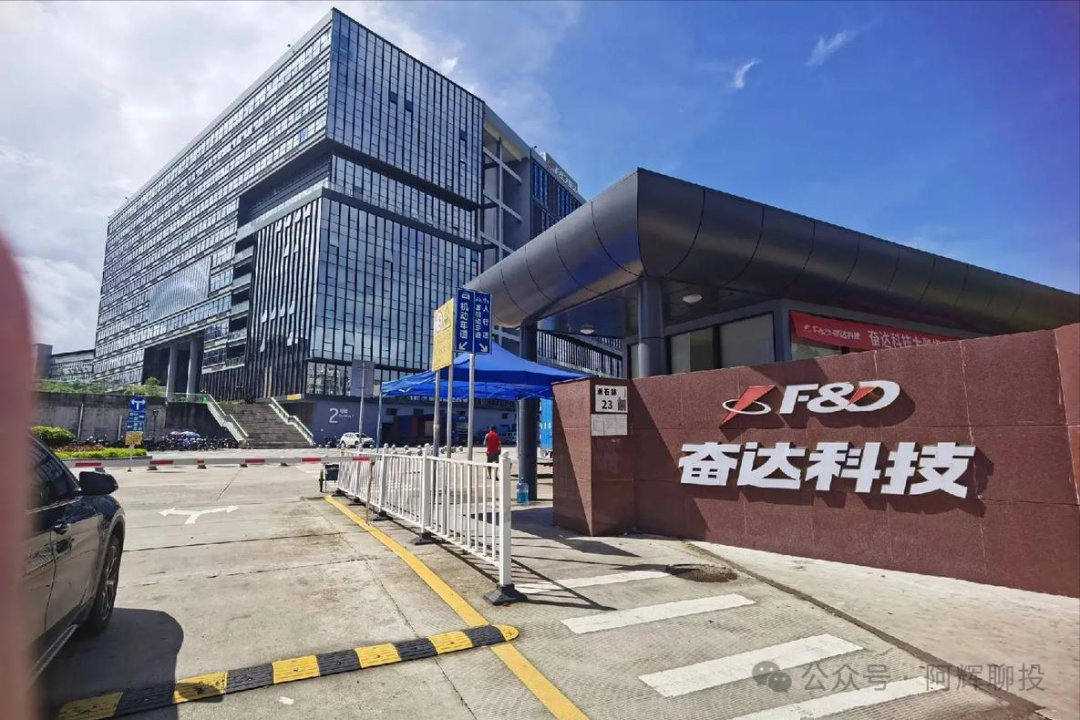
Fenda Technology focuses on smart hardware, buildingfour major technical systems: electroacoustics, wireless, software, and precision manufacturing,with business coverage in smart wearables, health appliances, smart homes, and more.
Through the “hardware + cloud services” model, its products are deeply integrated into the consumer electronics and health technology ecosystem, forming a full-chain capability from R&D design to intelligent manufacturing.
Leveraging regional industrial cluster advantages, the company has established differentiated competitive barriers in audio technology and smart interaction, promoting the iteration of traditional consumer electronics towards intelligence and health.
Main Achievements:
Leading the industry transformation with technological breakthroughs, the company has actively participated in the formulation of multiple smart hardware industry standards,promoting the standardized application of AI voice interaction technology in health appliances.
Its smart wearable devices, with low power consumption design and precise health monitoring functions,have established a technical benchmark in niche markets.
Through industry-academia-research collaboration, it has broken through key component technologies for humanoid robots,and the precision reducer solution co-developed with Tsinghua University has entered the industrialization verification stage, laying the foundation for expanding the robotics industry chain.
Investment Logic:
The ZC dividend and technological upgrades open up growth space for it:The EU energy efficiency regulations promote product structure upgrades, while the domestic “trade-in” policy activates consumption potential.
The deepening application of edge AI and large model technology in the industry,allows the company to quickly adapt its accumulations in electroacoustics and precision manufacturing to the demands of smart homes and health monitoring.
Strategic investments in the robotics industry chain and collaborations with universities,enable it to seize opportunities in the humanoid robot component sector, forming a synergistic effect between traditional business and emerging growth points.
Development Trends:
The trend towards high-end and intelligent industries provides growth momentum for it.
In the smart home sector, the implementation of voice interaction standards and the penetration of AI technology will accelerate product iteration, and the company’s full-scenario solution capabilities can deeply meet market demands.
In the health technology sector, its combination of health monitoring devices and cloud platforms aligns with the needs of an aging society.
The layout of the robotics industry chain opens up a second growth curve, with the integration of precision manufacturing technology and university R&D resources expected to occupy a first-mover advantage in the core component market for humanoid robots.
This content represents personal opinions only and is for reference only. It is not a recommendation. Any actions taken based on this are at your own risk. The market has risks, and investment should be cautious.