The in-vehicle infotainment system (IVI) integrates navigation, media playback, intelligent voice, and other functions, driving the development of automotive intelligence. The current market is highly competitive, with mainstream trends including connectivity, artificial intelligence applications, and personalized user experiences.
Current Status of the IVI System IndustryCONTENT
Definition and Role
IVI is an automotive digital cockpit platform that integrates entertainment, multimedia, navigation, communication, vehicle control, vehicle networking, and intelligent assistants.
The IVI system has become a standard configuration for mainstream passenger cars in China and is also the core support for the concept of “smart cockpit.”
Continuous Increase in Penetration Rate
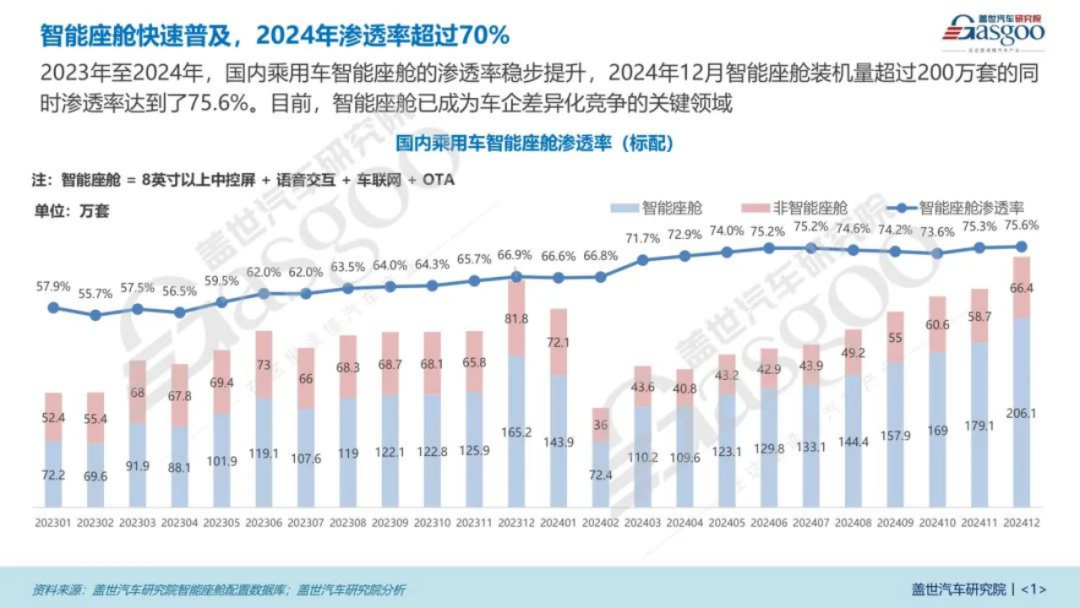
According to data from the Gaishi Automotive Research Institute, from 2023 to 2024, the penetration rate of smart cockpits in China continues to rise. By December 2024, the monthly installation volume will exceed 2 million units, with a penetration rate jumping to 75.6%, marking this technology as a mainstream configuration. Among the core functions of smart cockpits, the in-vehicle infotainment system (IVI) is undoubtedly the “central platform” with the highest penetration rate and the most direct experience—integrating multimedia entertainment, intelligent navigation, voice interaction, and vehicle-cloud connectivity, it has become an indispensable basic configuration of smart cockpits. As the industry penetration rate rapidly increases, high-end models have achieved multi-screen interaction, full-scene voice, and whole vehicle OTA upgrades based on IVI, providing users with a smarter and richer interactive experience.
 Function Integration and System EcosystemCONTENT
Entertainment Content and Ecosystem
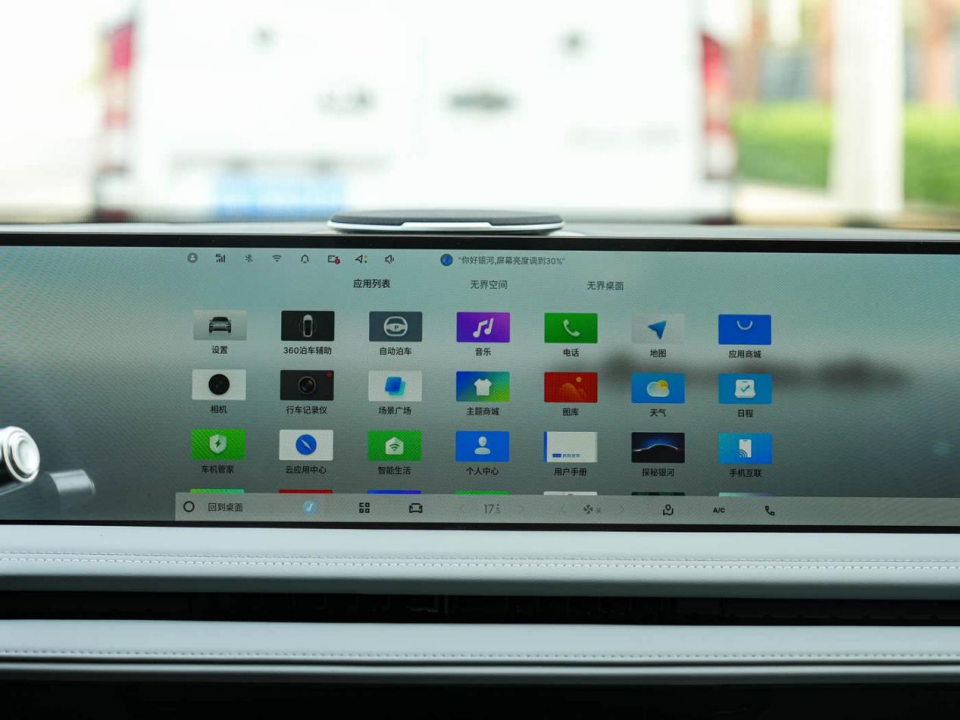
IVI integrates local and cloud music, video streaming, podcasts, games,K songs, news, etc., supporting third-party application markets. For example, Geely GalaxyE8 and BYD Han/Seagull models are all equipped with application stores, allowing users to freely downloadQQ Music, Himalaya, WeChat car version, etc. App.
Navigation and Location Services
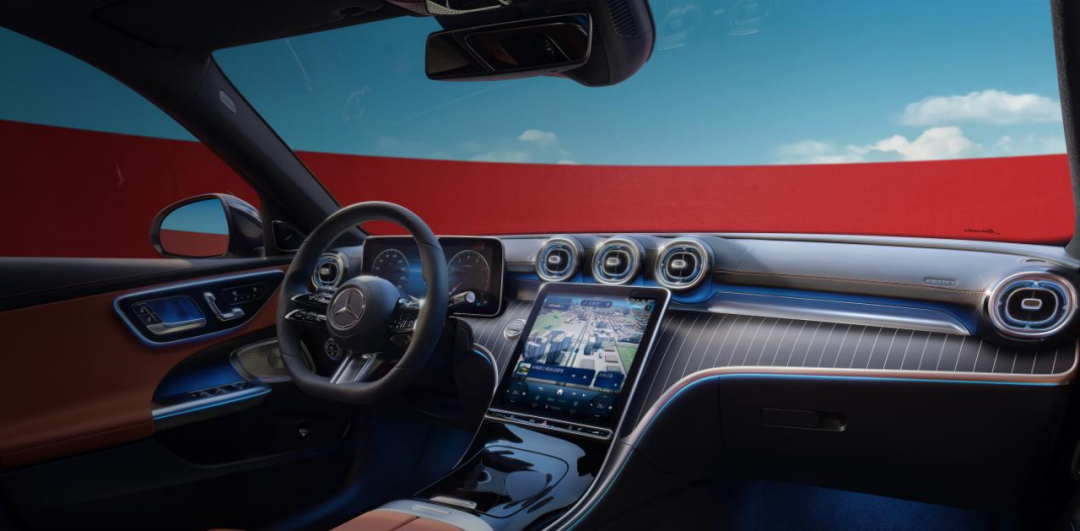
Mainstream domestic systems use customized maps from Gaode, Baidu, and Tencent, while Google Maps is common in overseas markets. High-end models integrateAR real scene navigation (such as Mercedes-Benz MBUX, NIO, Xiaopeng), real-time traffic conditions, cross-screen synchronization, and mobile interconnection have all been fully implemented.
Communication and Social Interaction
IVI systems support Bluetooth calls, native WeChat/QQ, and voice video calls. For example, BYD and Li Auto have both achieved native WeChat integration, intercom within the App, and synchronization of vehicle and mobile data.
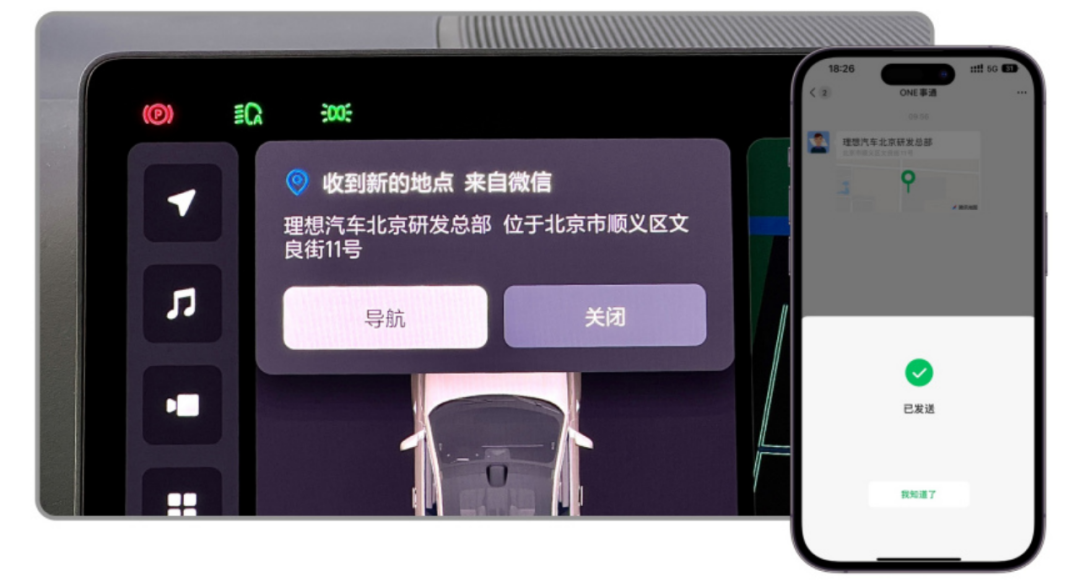
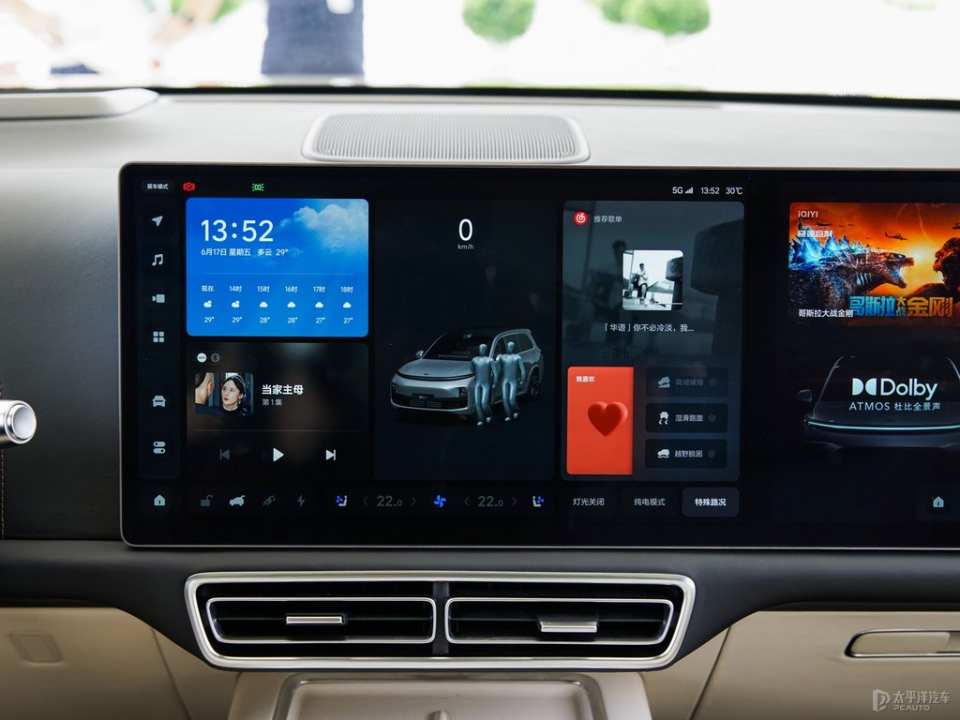
Vehicle Control and Personalization
Vehicle settings are fully integrated into the IVI touch screen and voice assistant, supporting user scenario mode customization and linkage.
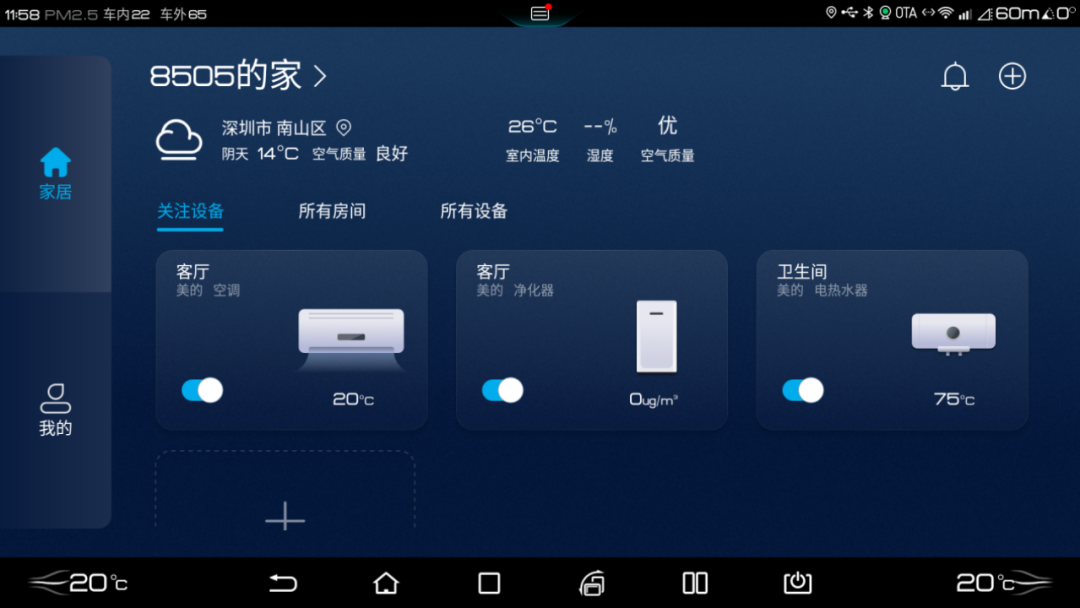
Vehicle-Home Interconnection and Remote Control
Some car manufacturers support interconnection between IVI and smart home devices, enabling remote vehicle start and inter-control of smart home devices (such as Zeekr,AITO, Tesla, etc.), with off-vehicle scenario linkage gradually becoming popular.
 Trend of Software-Hardware IntegrationCONTENT
Main Control Chip
IVI main control chips such as Qualcomm 8155/8295, NVIDIA Orin, Huawei Kirin, NXP S32G are mainstream, with significantly improved computing power, 7nm/5nm processes supporting multi-screen driving, AI voice and high-definition streaming concurrency. Geely Galaxy E8, BYD Han, Zeekr 001 all use high-spec SoCs.
Operating System
High-end models generally use in-vehicle operating systems such as QNX, Android Automotive, Harmony OS, AliOS that support multi-task concurrency and security isolation. Each car manufacturer deeply customizes on these platforms, launching representative cockpit systems such as Mercedes-Benz MBUX, Li Auto Car OS to continuously upgrade the intelligent experience of the IVI platform.
Vehicle Bus and Data Flow
High-bandwidth Ethernet (100/1000M), CAN FD/ in-vehicle LIN enable high concurrency and high-resolution audio and video streaming across multiple screens. High-end models achieve full synchronization across three or even five screens (such as Li Auto L9).
HMI and Audio Systems
Mainstream systems use QT/QML, Unity and other development engines, with a flat interface supporting multi-theme switching. High-end models are equipped with brand audio systems (Harman, Bose, Dynaudio, etc.), 64 color ambient lights and other multi-scene linkage configurations.
OTA Capabilities and Cloud ServicesCONTENT
Whole Vehicle OTA Upgrades
Currently, mainstream models at home and abroad support remote OTA for cockpit, navigation, ADAS, vehicle control, etc., allowing users to obtain new system versions and features without visiting a store. For example, Li Auto, Tesla, and BYD have all achieved full OTA push.
Data Synchronization and Cloud Accounts
Vehicle accounts connect mobile and cloud data, supporting synchronization of favorites, navigation history, music preferences, and more across multiple ends. Brands such as BYD, Zeekr, Li Auto, and Mercedes-Benz all support a three-end interactive experience between mobile Apps, cloud, and vehicle systems.
Mainstream Automotive IVISystem Application CasesCONTENT
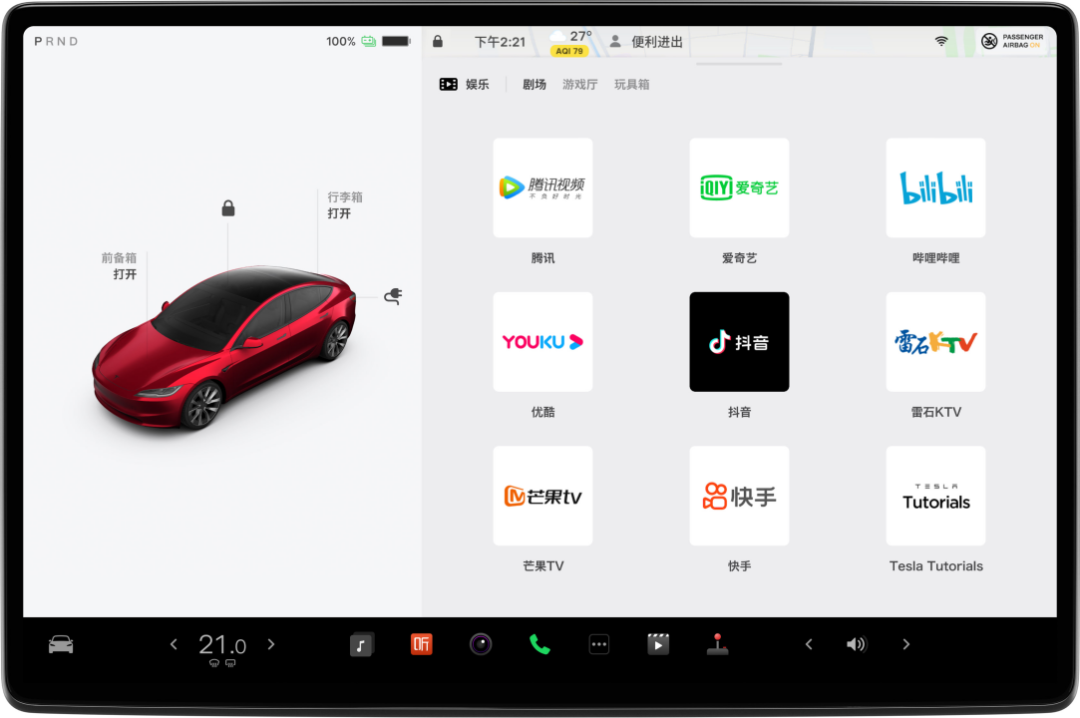
Tesla Model 3 Infotainment System
The infotainment system of Tesla Model 3 features a 15 inch large touch screen at its core, integrating navigation, multimedia playback, telephone communication, and entertainment games. The system supports a natural language voice assistant, allowing drivers to perform multiple operations via voice. Based on a customized Linux architecture, this system has powerful computing capabilities and multi-task processing performance, and continuously pushes new features through OTA remote upgrades, ensuring an optimized user experience.
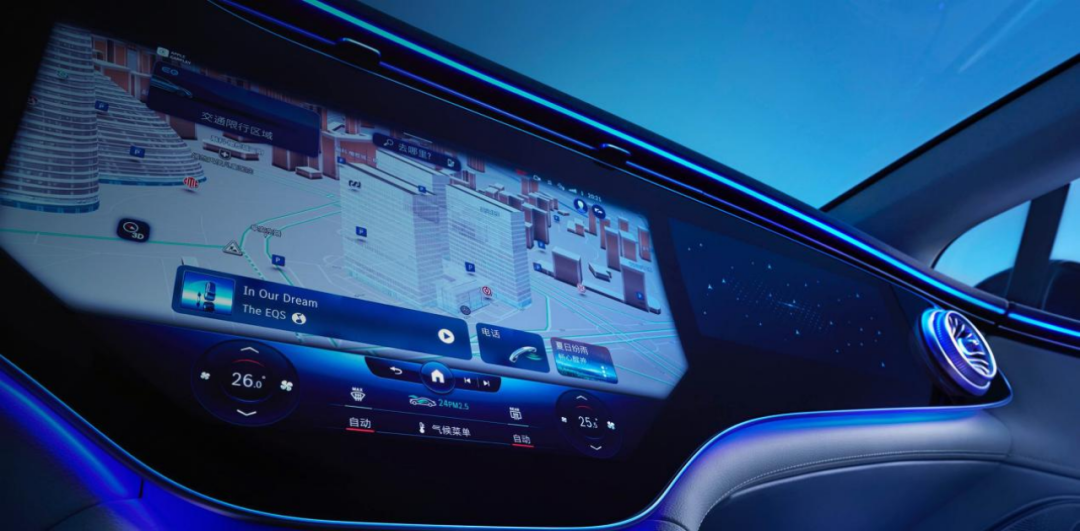
Mercedes-Benz MBUX Hyperscreen System
Mercedes-Benz MBUX system seamlessly connects the instrument panel, central control screen, and passenger entertainment screen through a tri-screen fusion design, creating an immersive digital driving experience. The built-in “Hey Mercedes” intelligent voice assistant supports multi-language natural interaction and is equipped with AR real scene navigation, enhancing driving safety. This system supports multiple input methods, including touch, voice, and gesture control, and has a rich application store and deep mobile interconnection capabilities..
BYD DiLink Infotainment System
Based on a deeply customized Android platform, equipped with a 15.6 inch adaptive rotating large screen, meeting the needs for multi-scene and multi-task operations. The system is compatible with a wide range of third-party applications, such as WeChat, Douyin, andB station, catering to users’ diverse entertainment and social needs. DiLink emphasizes vehicle-home interconnection, supporting remote vehicle control and smart home linkage, while integrating vehicle control, energy consumption, and air conditioning functions into a unified interface. The OTA upgrade mechanism ensures continuous optimization of the system, creating an open ecological and rich experience for the intelligent in-vehicle environment.
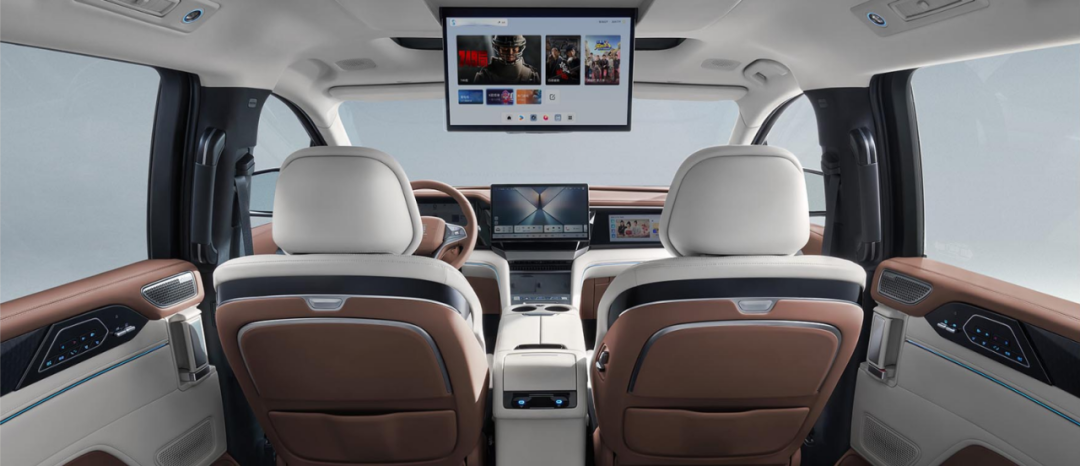
NIO NIO OS Infotainment System
NIO NIO OS achieves seamless interaction between the cockpit and rear entertainment through a multi-screen linkage design. The equippedNOMI intelligent voice assistant supports continuous dialogue and emotional interaction, enhancing the naturalness and intelligence of human-machine communication. The system deeply integrates vehicle control, navigation, media playback, and social functions, focusing on personalized user configurations and real-time driving data display. It supports online OTA upgrades, ensuring that software functions and safety performance continue to evolve, reflecting the technological strength of smart electric vehicle brands.
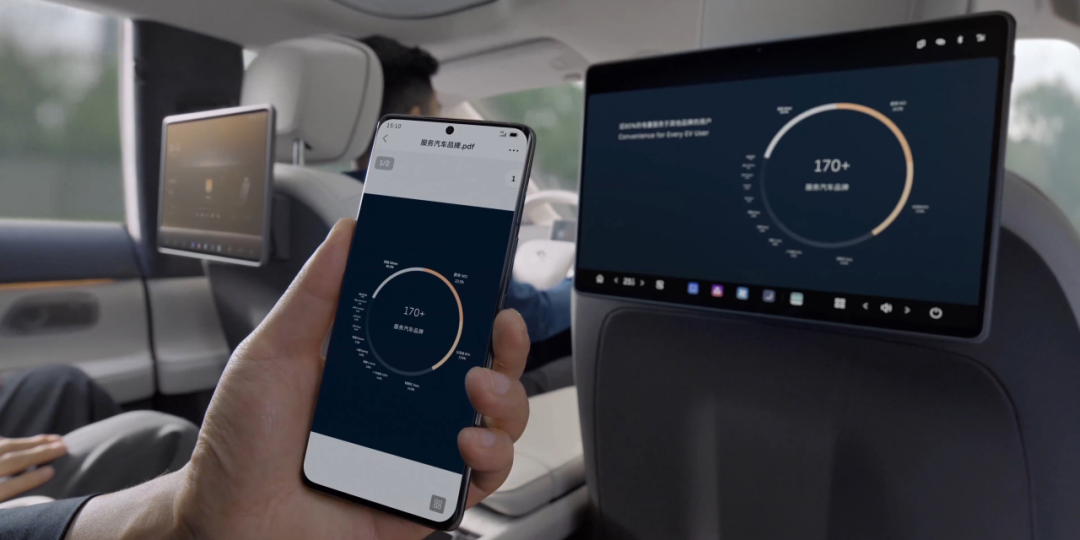
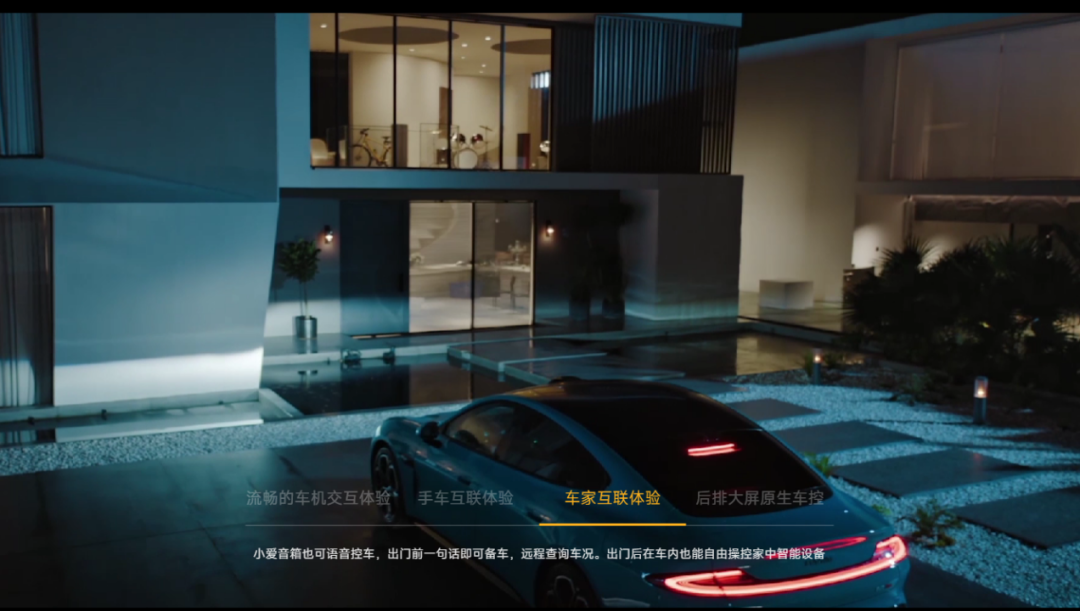
Xiaomi SU7 HyperOS Vehicle-Home Interconnection System
Xiaomi SU7 adopts the self-developed HyperOS operating system, achieving seamless collaboration among “mobile-vehicle-home”. Users can directly control smart devices at home, such as air conditioning, lighting, vacuum robots, and cameras, through the Xiaomi vehicle system, and can also remotely control the vehicle at home via the Xiao Ai voice assistant (such as pre-cooling the air conditioning, remote locking, checking vehicle status, etc.). In addition, HyperOS supports cross-end application experience, allowing users to synchronize navigation, music, and Apps from the mobile end to the vehicle system with one click, without repeated logins.
 Industry Trend SummaryCONTENT
As the automotive “intelligent cockpit” becomes the main battlefield for industry upgrades, the IVI system has become the core battlefield for the digital transformation of the entire vehicle. Whether it is the continuous evolution of automotive-grade chip platforms, the integrated collaboration of operating systems and hardware, or the open introduction of application ecosystems and the popularization of whole vehicle OTA upgrade capabilities, these have all become mainstream trends in the smart automotive industry.
Thanks to the continuous improvement of chip and operating system performance, mainstream models currently achieve multi-screen collaborative display, AI voice assistants with multi-modal interaction, and seamless integration with cloud services, elevating the in-vehicle interaction experience to a new level. Looking ahead, the IVI system will not only deeply integrate with AI large models, possessing stronger intelligent perception and semantic reasoning capabilities, but will also actively connect with smart home, mobile office, and travel ecosystem services, achieving comprehensive integration of data, services, and experiences.
Thus, the positioning of the automobile as the “third space” will become clearer, and IVI will become an important entry point for the deep integration of users’ lives, work, and travel, helping car manufacturers create differentiated brand experiences and higher premium capabilities.
—end—