Dear friends, the Bluetooth in today’s smart cars has truly become a situation where “it takes a minute to connect after getting in the car, and your phone is slower than the car itself”. You get into a new car with excitement, but then you have to wait for the Bluetooth to connect to the navigation, making you anxious and banging the steering wheel. Owner: I can’t connect at a red light, and when it’s green, it drops the connection. Who wouldn’t go crazy? Today, let’s delve into why “slow Bluetooth connections” can frustrate countless experienced drivers and what exactly is going wrong behind the scenes.
- Bluetooth is slow, and owners are left waiting like a meme
Many owners find that even with their phones and cars both on, the Bluetooth connection is still sluggish, reminiscent of the QQ login animation from the 2G era. After getting in the car and going through the motions to connect navigation, calls, and music, everything gets stuck on the “connecting” screen, and before a song even starts, your mood is already shattered.
To put it professionally, this is actually due to the slow “chitchat” between the Bluetooth module and the car’s system. Many car manufacturers use Bluetooth chips that are so outdated they could be considered archaeological artifacts, and their protocol compatibility is poor. When faced with a newer phone, both devices are left confused. Originally, Bluetooth 5.0 could fly, but manufacturers stubbornly use 4.2, and the money saved isn’t even enough to buy you a milk tea.
Why is this the case? It’s simple: to save money. High-end Bluetooth chips are expensive, and software adaptation requires manpower. Manufacturers: As long as it works, who cares about the experience? That’s the next generation of engineers’ KPI.

- Bluetooth disconnections, navigation and music rely on “fate”
Many people have experienced this: you just got in the car and connected, the navigation announces a couple of sentences, and then the Bluetooth immediately “goes on strike”. Music is choppy, and the other party on the call hears you as if you’re in a well. Bluetooth connections rely purely on luck; connecting feels like winning the lottery.
In principle, Bluetooth signals are inherently susceptible to interference. With various metals and electronic devices in the car, the signal can get lost like a “lost Wi-Fi”. Some Bluetooth modules only support basic protocols, and when faced with high-definition audio or data synchronization, they simply freeze. Moreover, if the phone randomly enters power-saving mode, the device goes to sleep, and the Bluetooth connection disappears.
The underlying motivation is quite heartbreaking: when car manufacturers create their specifications, as long as Bluetooth can be listed in the parameter table, stability is not something they care about for promotional materials. Want a good experience? Sorry, please upgrade to a higher model; don’t expect a “smooth life” from the lower models.
- The car’s system lags, and Bluetooth becomes a “victim” of the alliance
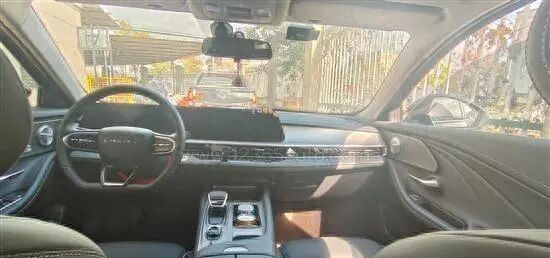
Some owners have discovered that it’s not that Bluetooth won’t connect; it’s that the car’s system is lagging like a PowerPoint presentation. Your phone connects, but the car’s system is still “loading”, almost popping up a “program not responding” window. Waiting for Bluetooth to connect can take until the next red light, and some systems even cause both Bluetooth and the main unit to crash and restart together, making you want to turn off the engine in frustration.
The blame here lies with the car’s hardware. Many manufacturers use chips in their car systems that are less powerful than those from three years ago. The exterior may feature a large screen, but inside is “ancestral configuration”; the Bluetooth module is marginalized, and any multitasking can slow down the Bluetooth connection.
In short, car manufacturers chase trends, spending big on voice assistants and useless large screens, while basic infrastructure like Bluetooth is neglected. As for lag, manufacturers rely on OTA updates to let you “look forward to next year”.

- Pairing is as difficult as a college entrance exam, with a bunch of operations still failing
Bluetooth was originally designed for “quick connections and quick departures”, but when it comes to car systems, it turns into “can’t connect, try deleting and reconnecting, clearing the cache, changing protocols”. The operation process is comparable to writing code, ordinary car owners: I’m not a programmer; can you not make it difficult for me?
In fact, many Bluetooth disconnections or failures to connect are due to historical pairing data not being cleared, leading to terrible compatibility. Car manufacturers know this but refuse to implement user-friendly features like “one-click repair”. Why? Adding a feature means more development costs. Manufacturers are counting their beads, and user experience is left to manual optimization.
- Constantly pushing “advanced protocols”, but the actual experience is a downgrade
Some owners believe in “high-definition Bluetooth” and “LDAC” as advanced protocols, only to find that once they switch them on, the experience does not improve. Bluetooth disconnections and delays become even more frequent. Manufacturers are eager to promote these features, but consumers only realize when they use them that while the protocol support is extensive, the hardware cannot keep up, leaving everything to chance.
The underlying logic is simple: parameter enthusiasts are easy to fool; who cares about your actual experience? After all, the promotional materials are filled with grand claims, but whether it actually works is known only to the car owners. Manufacturers: We are technically advanced; the experience is just a little subpar, and you have no place to complain.
- Bluetooth device compatibility has become a “gamble”
Now that phones, headphones, and car systems are all upgrading protocols, Bluetooth compatibility has turned into a situation where “whoever falls behind first takes the blame”. Many owners try to connect new phones to old car systems or old phones to new car systems, and Bluetooth simply goes on strike. Manufacturers will never tell you that they can’t even manage compatibility between their own new and old models, let alone adapt to the myriad of phones on the market.
Why? Bluetooth compatibility testing costs money, and car manufacturers prefer to spend that money upgrading other flashy features, treating Bluetooth as a “basic function” that just needs to light up to be considered qualified. As for your inability to connect, manufacturers will just blame the phone manufacturers or suggest “try restarting”.
At this point, we need to seriously call out the major car manufacturers. Slow Bluetooth connections, disconnections, and poor compatibility are not technical challenges; they are the result of manufacturers’ laziness in optimization, unwillingness to spend money, and chasing configuration gimmicks.
A truly user-centered smart experience should allow everyone to connect immediately upon getting in the car, hear navigation instantly, and receive calls without anxiety about operations. It shouldn’t require car owners to learn Bluetooth “repair secrets” and endure the torment of “slow connections”.
Technology should make life easier, not drive people crazy. Smart features have never been about piling on gimmicks; they should consider every detail for the user. Bluetooth connections may seem trivial, but they reveal the attitude of car manufacturers towards user experience—stop fooling everyone!