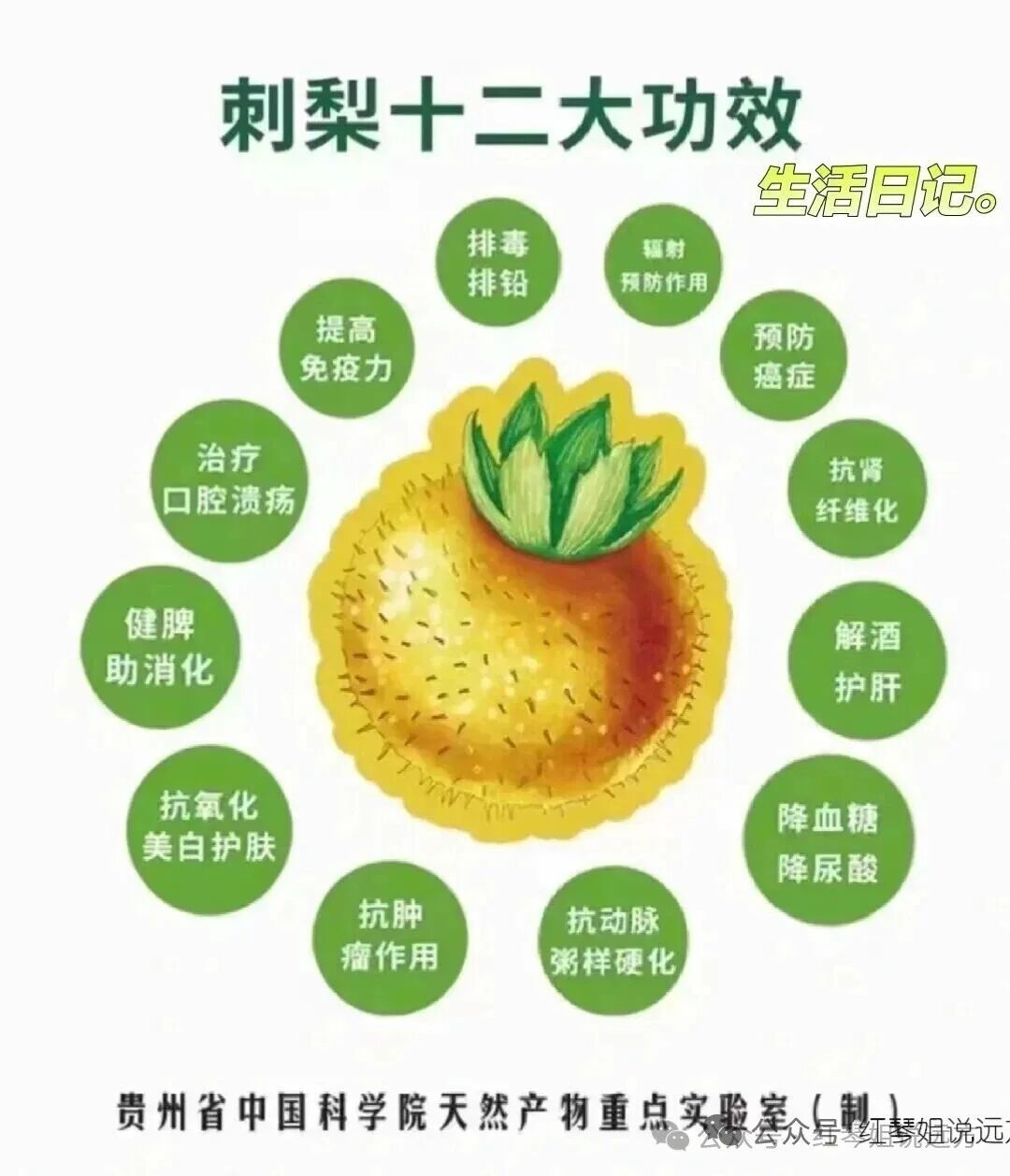
When you think of kiwi fruit, what comes to mind first? Is it the impressive title of “King of Vitamin C” or the unique taste that is both sour and sweet?
Indeed, kiwi fruit is known for its high vitamin C content. However, today we will explore another important active component— Superoxide Dismutase (SOD). Compared to exogenous antioxidants like vitamin C, SOD plays a crucial role as an endogenous enzyme in the body’s antioxidant defense system.
You may be unfamiliar with the name SOD, but it is an essential substance in biological activities. Simply put, SOD is a naturally occurring active enzyme in living organisms, and its core task is toeliminate harmful “free radicals” from the body.
Scientific research has found that the content and activity of SOD in kiwi fruit are relatively high compared to common fruits, giving it significant potential in antioxidant research.
The Pharmacological Mechanism of SOD
To understand how powerful SOD is, we first need to recognize its “enemy”— superoxide anion free radicals.
We produce these “health killers” through breathing, metabolism, and even stress and pollution. They are highly reactive and can attack our cell membranes, proteins, and DNA, triggering “oxidative stress” reactions, which are the culprits behind aging, skin deterioration, decreased immunity, and even the onset of various chronic diseases.
The Mechanism of Action of SOD:
SOD catalyzes the disproportionation of superoxide anion free radicals, converting them into relatively harmless oxygen and hydrogen peroxide, which is subsequently broken down into water by enzymes like catalase. This process fundamentally reduces the chain destruction effect of free radicals.
Therefore, maintaining an appropriate level of SOD activity in the body is crucial for protecting cells from oxidative damage and maintaining overall health.
Not Just Talk! What Does Scientific Research Say?
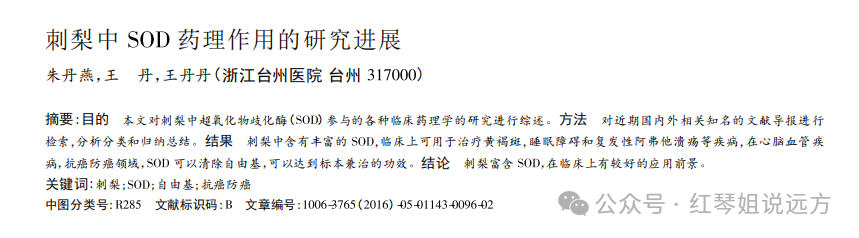
The pharmacological effects of SOD in kiwi fruit are no longer mere theoretical speculations. A wealth of modern scientific research provides solid evidence for its powerful effects.
Animal studies have shown that administering SOD-rich kiwi extract to experimental animals significantly increases antioxidant enzyme activity and markedly decreases levels of oxidative damage markers (such as MDA) in blood and organs. This directly proves that kiwi SOD can enhance the body’s overall antioxidant capacity.
In cellular-level (in vitro) studies, scientists have found that kiwi SOD can effectively protect cells from oxidative stress-induced damage and apoptosis, particularly showing great potential in protecting skin fibroblasts and delaying skin aging.
These studies collectively point to one conclusion: SOD in kiwi fruit is a substance with clear biological activity, which througheliminating free radicals, exerts multiple physiological functions such as antioxidant, anti-aging, anti-inflammatory, and immune regulation.
From the Laboratory to Life: What is the Application Value of SOD?

Based on this strong scientific evidence, the application value of kiwi SOD is transitioning from the laboratory to our daily lives, primarily reflected in the following aspects:
-
Beauty and Anti-Aging: Free radicals are the main culprits behind skin wrinkles, sagging, and pigmentation. SOD effectively eliminates free radicals in the skin, protecting collagen and elastin, making it a recognized core ingredient in “oral cosmetics”.
-
Immune Enhancement: Oxidative stress can weaken immune cell function. SOD helps maintain the body’s redox balance, supporting the immune system’s normal operation and enhancing our resistance to viruses and bacteria.
-
Chronic Disease Prevention: Many chronic diseases, such as cardiovascular diseases and neurodegenerative diseases, are closely related to long-term oxidative damage. Supplementing with SOD can help reduce the risk of these diseases.
-
Exercise Recovery: High-intensity exercise generates a large number of free radicals, leading to muscle soreness and fatigue. SOD can accelerate the elimination of these free radicals, helping the body recover faster.
SOD vs. Vitamin C/Anthocyanins: Who is the Antioxidant MVP?
Many people may ask, since vitamin C and anthocyanins are also antioxidants, what is the difference between SOD and them? Which is stronger?
This is a very good question! They do not compete with each other, but rather are“allies working in synergy”.
Vitamin C/Anthocyanins: They areexogenous antioxidants, like “one-time soldiers” that neutralize free radicals through self-sacrifice, with one molecule able to combat only one free radical.
SOD: It is anendogenous enzyme, like a “commander” or “automated factory”, where one SOD molecule can catalyze the decomposition of millions of free radicals without being consumed itself. Its action is catalytic and renewable.
The conclusion is:SOD’s mechanism of action is catalytic and regenerative, operating at a deeper level and with higher efficiency. The most amazing aspect of kiwi fruit is that it is rich in vitamin C, SOD, and polyphenolic substances (such as anthocyanins), forming a natural, three-dimensional, comprehensive antioxidant system. These substances work synergistically to enhance their overall antioxidant effects.
Conclusion and Application Prospects
From an obscure wild fruit to a highly regarded “SOD treasure trove”, the value of kiwi fruit is being continuously re-evaluated and defined by science. The superoxide dismutase (SOD) it contains, with its source-based and efficient antioxidant mechanism, provides us with a new natural solution to combat aging and resist diseases, offering new perspectives for health research.
Kiwi fruit, this “golden fruit” from the mountains, is leveraging its unique SOD advantages to transition from traditional consumption to the blue ocean of the health industry. It is not just a fruit, but a precious health asset bestowed upon us by nature, worthy of deeper research and development.
This article is based on publicly available scientific research literature for educational purposes, aiming to convey health information and does not constitute any medical advice.