Dave Weckl’s name is well-known among jazz enthusiasts around the world. He was born in St. Louis and listened to soul and jazz music from a young age. At the age of 8, Weckl received his first drum set and began to practice with legendary drummer Buddy Rich as his role model. He also started to explore the rhythms of R&B. While in college, Weckl chose jazz as his major. However, halfway through his studies at the University of Bridgeport, he left to immerse himself in the New York jazz scene, touring Europe with various bands. Weckl played for a mixed jazz band called Nitesprite, and it was his outstanding performance in that band that caught the attention of renowned drummer Peter Erskine, who helped him join the French Toast band, which featured famous pianist Michel Camilo and bassist Anthony Jackson.
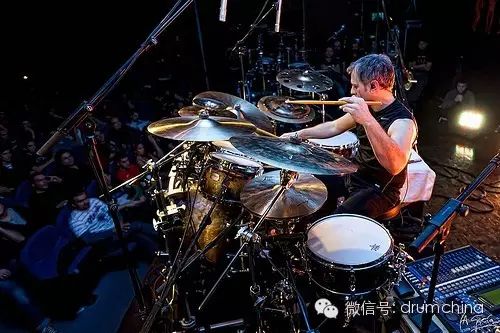
Starting with French Toast, Weckl entered the recording industry. He participated in countless early 1980s album recordings, including those for Bill Connors, Brecker Brothers, Tania Maria, Paquito D’Rivera, Eliane Elias, George Benson, and many others. Additionally, he collaborated multiple times with well-known pop artists such as Madonna, Diana Ross, and Robert Plant. In 1986, Chick Corea saw Weckl perform with guitarist Connors in New York and invited him to join his Electric Band. From then on, Weckl spent seven years with Corea, recording numerous albums and becoming a regular member of the GRP All-Star Band while also releasing many instructional videos, achieving a dual development in performance and teaching.
After leaving Corea, Weckl’s main work involved collaborating with famous guitarist Mike Stern, who had performed in China. Until 1998, Weckl’s music returned to his childhood interests, forming the R&B group Rhythm of the Soul, and then in 1999, he established Synergy. Even with the heavy workload of recording and performing, Weckl did not give up teaching; he published the instructional video The Zone in 2001. After collaborating with this group for several years, Weckl released Perpetual Motion in 2002.
Here are some quotes from Dave Weckl about applying what you learn:
“You should maintain a very positive attitude and always apply what you learn to your actual performance. For me, I need to build confidence in my practice room first, which is why I always practice very basic things rather than some very difficult phrases. This makes your feel more natural and musical. You won’t feel frustrated practicing a section that you have nowhere to apply.”
On Technical Mastery and Musical Mastery
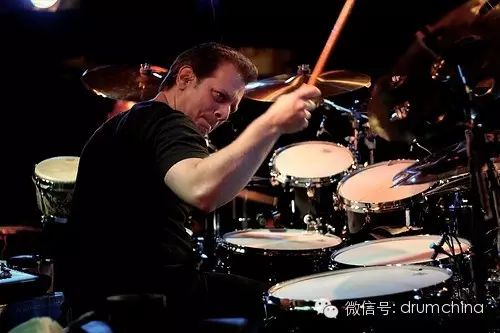
“I have always believed that having very good technique is the foundation for playing high-level music. The question then is to play different music based on personal personality. I find that being able to feel the reflection brought by the drumsticks allows me to focus more on the musical aspects, while when using very difficult techniques, I can only think about what I will play. But it allows me to play with a better sense of breath, making my timing more accurate and allowing me to produce a big sound with very little force. With technique, I can focus more on the music itself, even allowing me to not consider technical aspects at all during performance.”
On Goals “Having a long-term goal and a short-term goal is very important. It’s like having a deadline. Without goals, you will feel like you are using ‘forever’ to do something. I usually conceptualize my long-term goals by asking myself: ‘What is the purpose of your practice?’ ‘What kind of venue do you want to perform in?’ ‘Who do you want to collaborate with?’ As for short-term goals, I focus on practicing more and looking at some basic exercises, aiming to improve a certain technique day by day.”
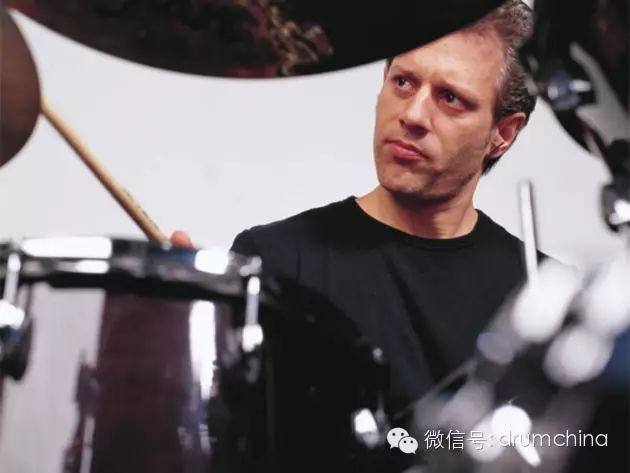
On Focus and Motivation “You should always have a schedule. If you are not practicing for long periods every day, you should at least practice for a certain amount of time each day. If you can list out what you practiced, that’s great. Then keep your practice very regular. As for motivation, I find that listening to old records and some new records is a very motivating thing. Of course, it’s even better if you can try to engage with new and different cultures. Also, you need to be mentally prepared and not let bad things in life defeat you. It’s best to find a teacher because being around knowledgeable people is also a source of motivation.”
On How to Cultivate Your Abilities “It’s very simple. I just ask myself: ‘What kind of sound do you need?’ Then I just drum according to what I imagine.”
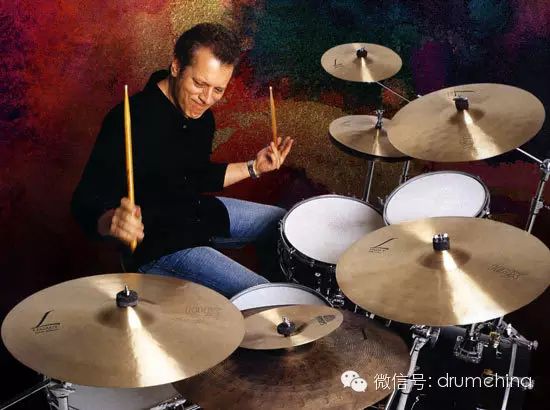
On Warming Up “Warming up is very important for me, especially before performances, as pressure can cause muscle tension. I do many stretching exercises for my fingers, wrists, arms, and legs, which last about twenty minutes. Another point is to find a pair of drumsticks that suit you. Sticks that are too heavy can lead to early fatigue and wrist injuries, while sticks that are too light can make it hard to find the feel. The pedal should also be adjusted very moderately, not too loose or too tight. If your drumsticks are not chosen properly and the pedal is not adjusted correctly, then no amount of warm-up will help.”