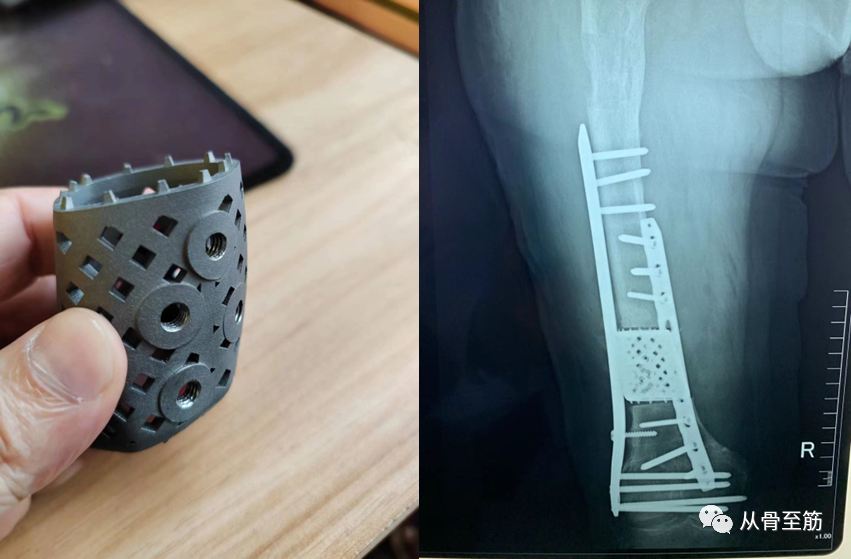
 In recent years, as a leader in the third industrial technological revolution,3D printing technology has rapidly penetrated the medical field. Compared to traditional medical technologies,3D printing technology can be customized according to the patient’s injury needs. 1.Reconstruction of preoperative models simulating bones, soft tissues, blood vessels, organs, etc.; 2.Customized surgical guides that fit the patient’s bony and epidermal characteristics based on the clinical needs of the surgeon; 3.Reconstruction of 1:1 metal implants for bone injuries through reverse engineering based on the injured area; 4.More advanced applications even include bioprinting through printing devices to reconstruct missing parts such as blood vessels and cartilage.
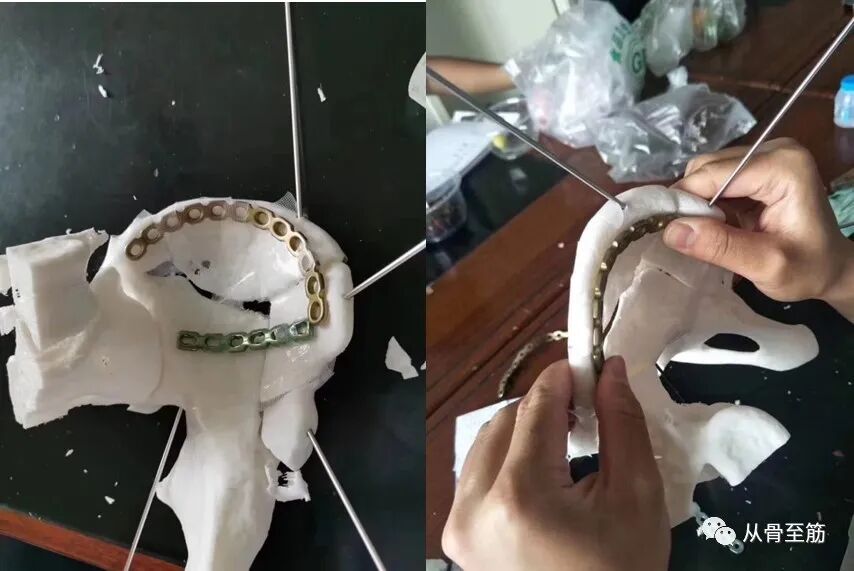
1.Preoperative Model Reconstruction The3D printing technology plays a significant role in preoperative planning for complex trauma cases.Due to the complexity of some fracture surgeries, a good surgical plan and preparation must be established beforehand, which helps reduce intraoperative bleeding, shorten surgery time, achieve better reduction quality, and lower the risk of damaging nerves, blood vessels, and organs during surgery.Previously, three-dimensionalCT imaging data was used as a reference for complex fracture surgical plans, but sinceCT three-dimensional reconstruction provides static, planar images, physicians often cannot understand specific local details and cannot accurately formulate a good surgical plan.By creating physical models using3D printing technology, visual and tactile assistance is provided, allowing physicians to think and rehearse the surgical approach in advance, genuinely feel the anatomical structure and fracture displacement, mark the main fracture fragments in the model, and then disassemble it, ensuring they are well-prepared before surgery.
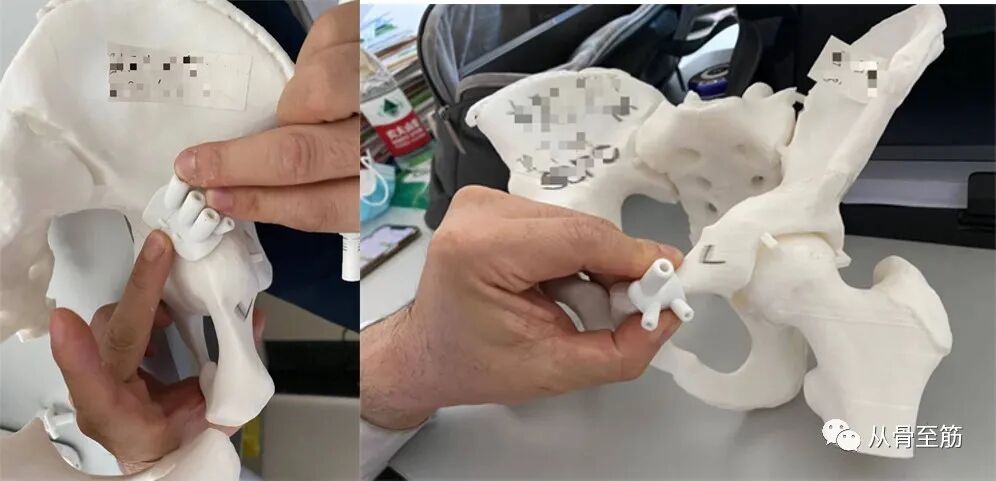
2.Surgical Guides The3D printed guides have several main clinical applications: 1.Precise osteotomy in deformed areas (osteotomy guides) 2.Fracture reduction and screw implantation (screw placement guides) 3.Minimally invasive external puncture (percutaneous guides) Previously, the repositioning and screw implantation relied on the physician’s experience, and due to individual patient differences, special situations such as screws penetrating joints often occurred.Using guide template technology can significantly improve the accuracy of surgical operations, reduce surgery time and fluoroscopy times, and increase the success rate of surgeries. Currently, with the development of technology, using3D printing technology to print the required navigation templates to guide surgical treatment has become more economical and effective.
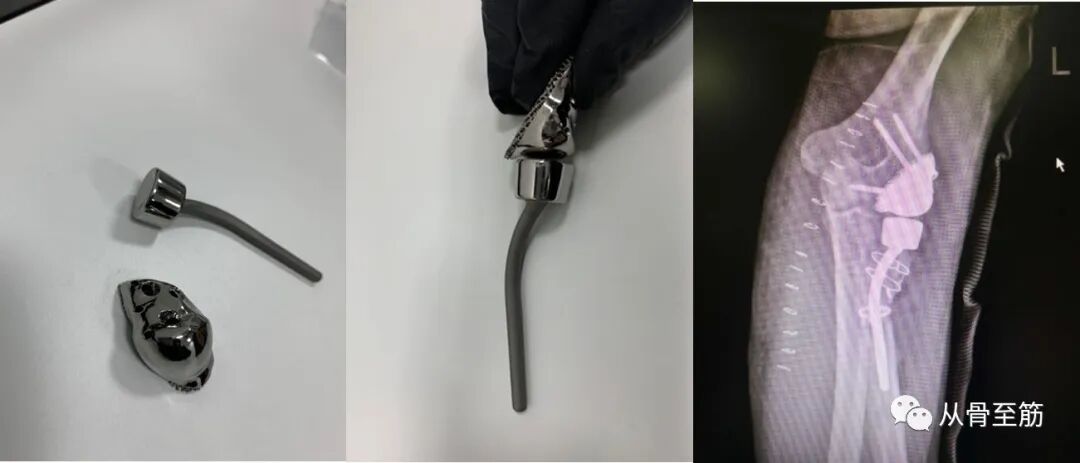
3.Customized Metal Implants In recent years, with the significant control of the pandemic, various sports have become popular.Activities like skiing, skateboarding, off-roading, and cycling have enriched people’s lives and improved their health, but they also come with certain safety risks, such as fractures and bone injuries. In such cases, a small number of severe patients require prosthetic implants for replacement. Currently, most implants on the market are standardized and mass-produced, but due to individual differences among patients, mismatches in the size of the implants occasionally occur, which can increase the difficulty of surgery, making personalized implants very necessary. The3D printing technology can customize implants based on the actual conditions of the patient to meet their needs and achieve more precise surgeries.