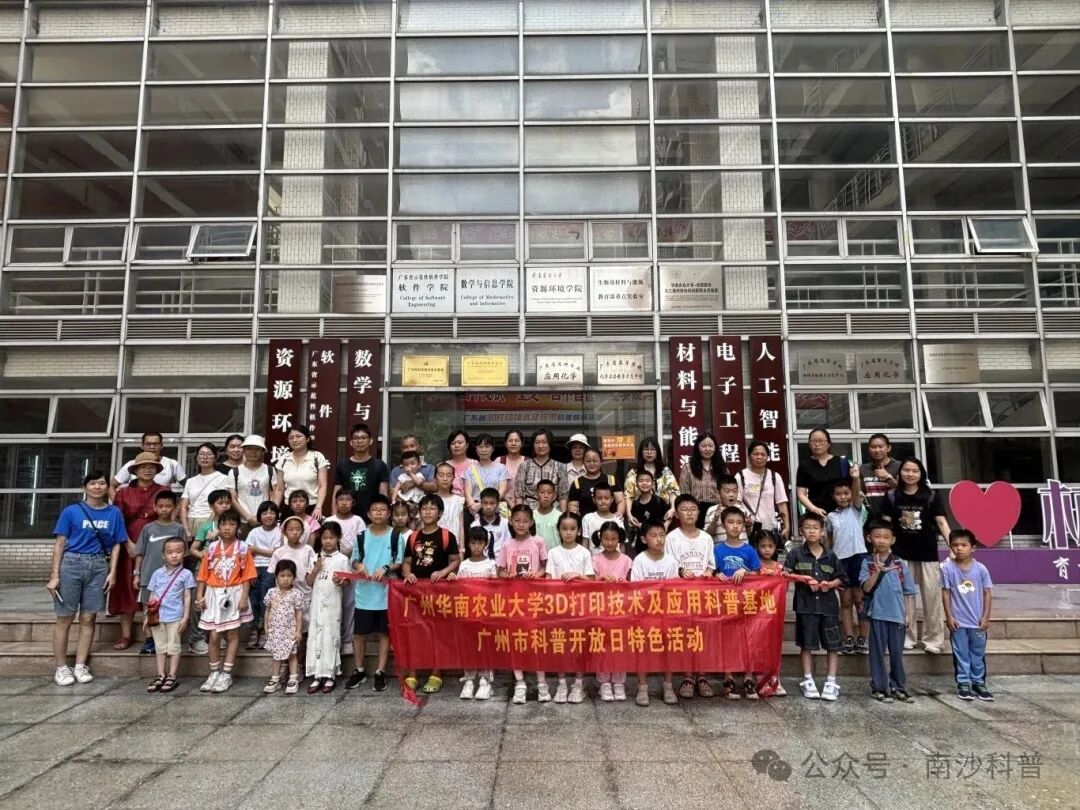
On June 8, 2025,the Science and Technology Association of Nansha District, Guangzhou collaborated withthe 3D Printing Technology and Application Popularization Base of South China Agricultural University to successfully hold the Nansha Science Popularization Tour at South China Agricultural University –“Printing Dreams in Agriculture, Shaping New Chapters with Technology”. This unique exploratory journey combines parent-child science education practice with an innovative atmosphere experience, leading families to stroll through the long history of agriculture, explore 3D printing technology, and customize creative models, immersively experiencing the academic charm of a higher education institution. The event centers on the temporal and spatial leap between “ancient farming” and “cutting-edge technology,” allowing children to cultivate their curiosity for scientific exploration through hands-on practice, laying a solid foundation for technological enlightenment.
 01Strolling through the Yogurt Culture Museum, savoring the essence of dairy history
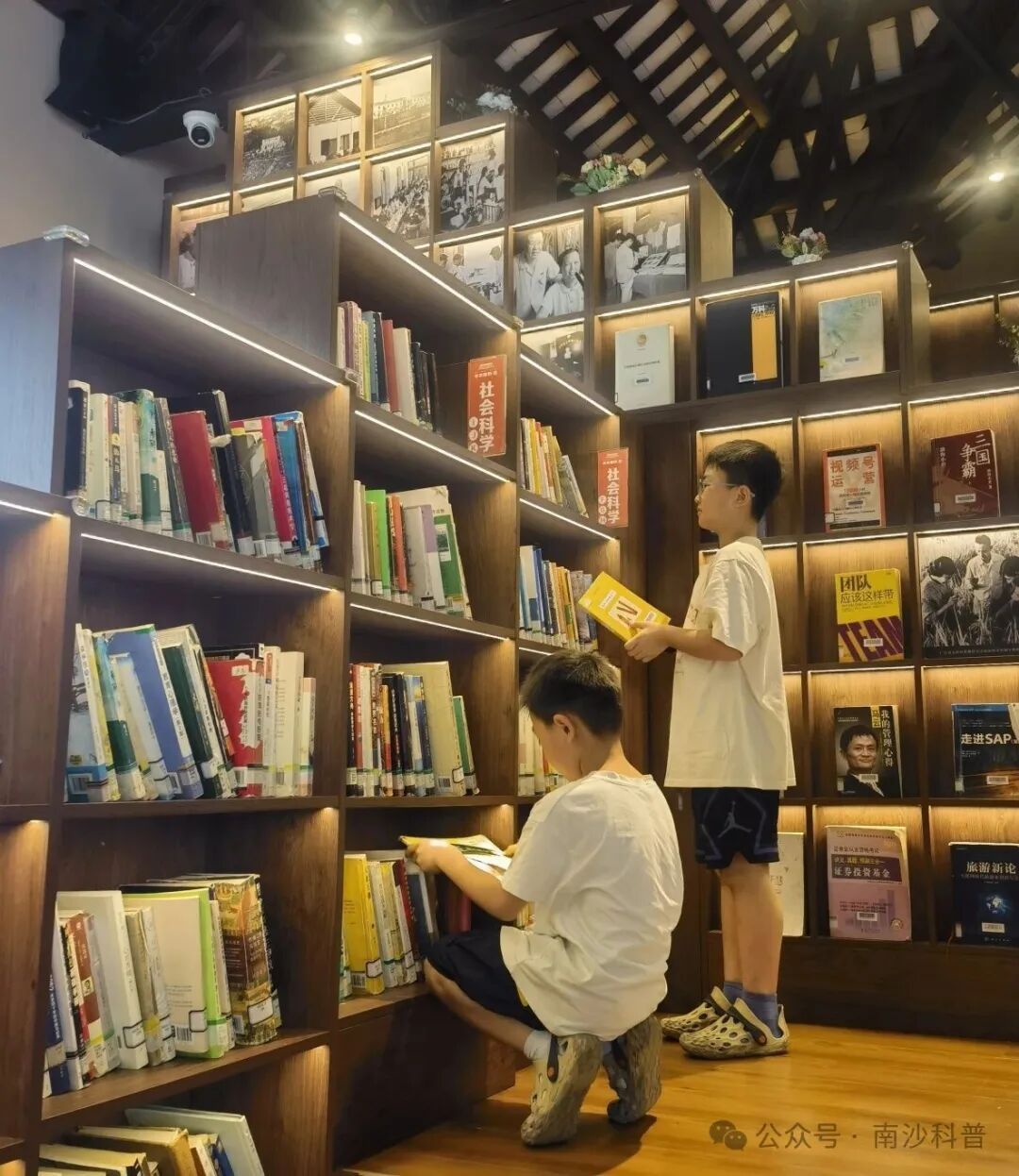
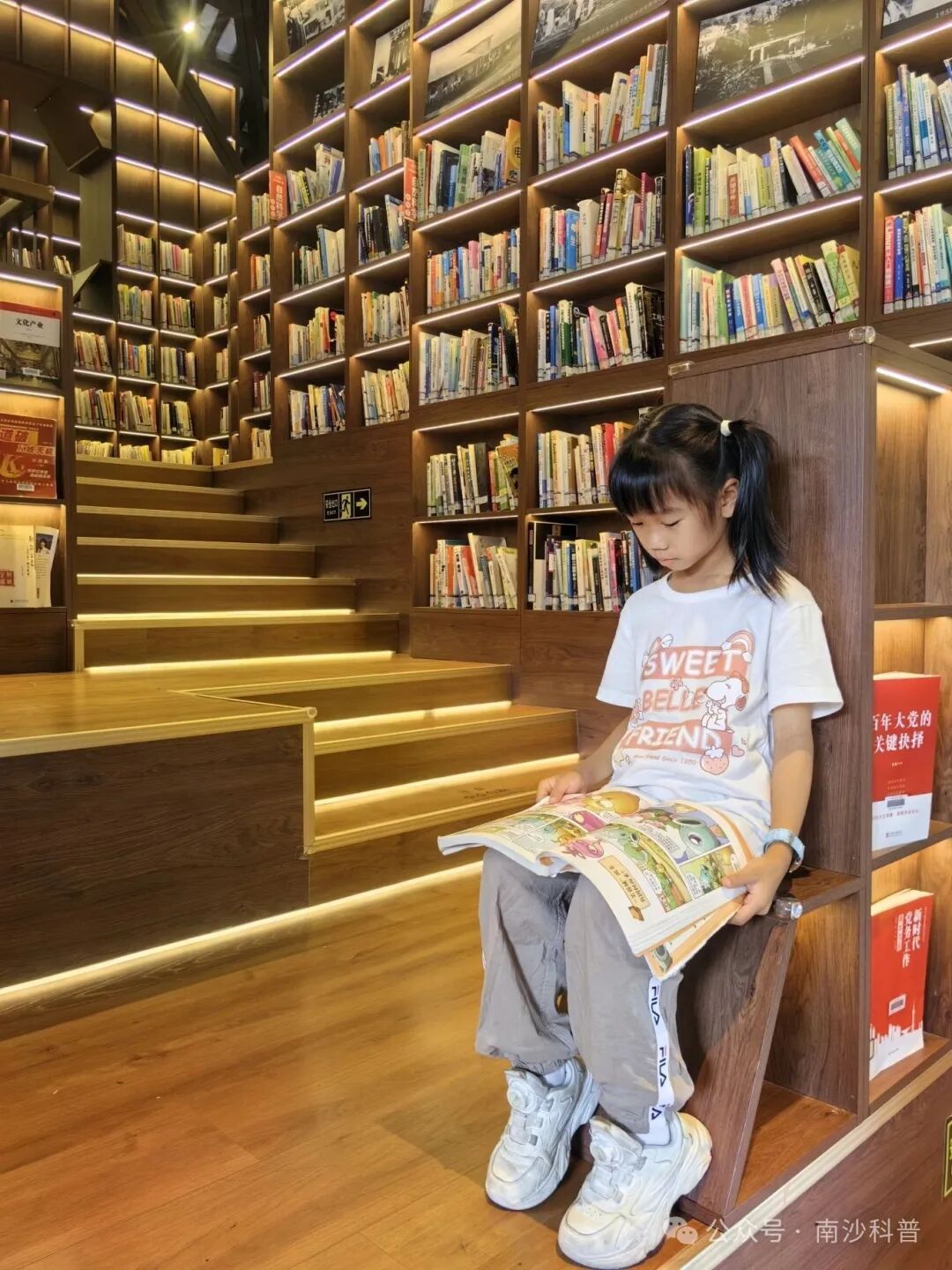
At the Yogurt Culture Museum of South China Agricultural University, parent-child families carefully taste the creamy and sweet Huazhong yogurt, allowing the rich dairy aroma to blend quietly with the historical fragrance on their tongues. In the yellowed documents, the development of yogurt is meticulously inscribed in neat small characters, and children lean down to browse, tracing the thousand-year lineage of skill inheritance in front of the book wall. Some children squat or stand, their eyes following keywords like “lactic acid fermentation” and “wisdom of nomadic peoples” between the lines, occasionally asking, “Dad, do you see the ‘mixing culture into milk’ here? Is it related to the yogurt we just drank?” Their fingertips lightly touch the pages recording traditional crafts, as if opening the box of time, experiencing the profound heritage of Huazhong dairy culture in the lines, making every whiff of dairy aroma a taste note connecting the past and present.

 02Tracing back to the Agricultural Museum, touching the traces of civilization
Stepping into the Agricultural History Museum of South China Agricultural University, the river of time solidifies into amber here. In the exhibition hall, the mottled Neolithic stone plow and the exquisite Qing Dynasty cast iron hoe silently display – the former breaks the chaos of primitive farming with its rugged wedge shape, while the latter outlines the pinnacle of traditional agriculture with its smooth curved blade. In the imprints of the soil, countless dialogues between humanity and the land are etched through the ages. The yellowed volumes of “Qimin Yaoshu” rest on the velvet, with red annotations like stars scattered across the pages, and the ancient wisdom of “farming without labor is worse than being violent” floats in the ink fragrance. Children skim through the chapters on “sowing grains” and “harvesting wheat,” as if hearing the morning dew from a thousand years ago falling on the plowshare, seeing the figure of Jia Sixie standing between the ridges, and those discussions about “manure is the mother of crops” are carried by lead characters, bearing the genes of agricultural civilization.
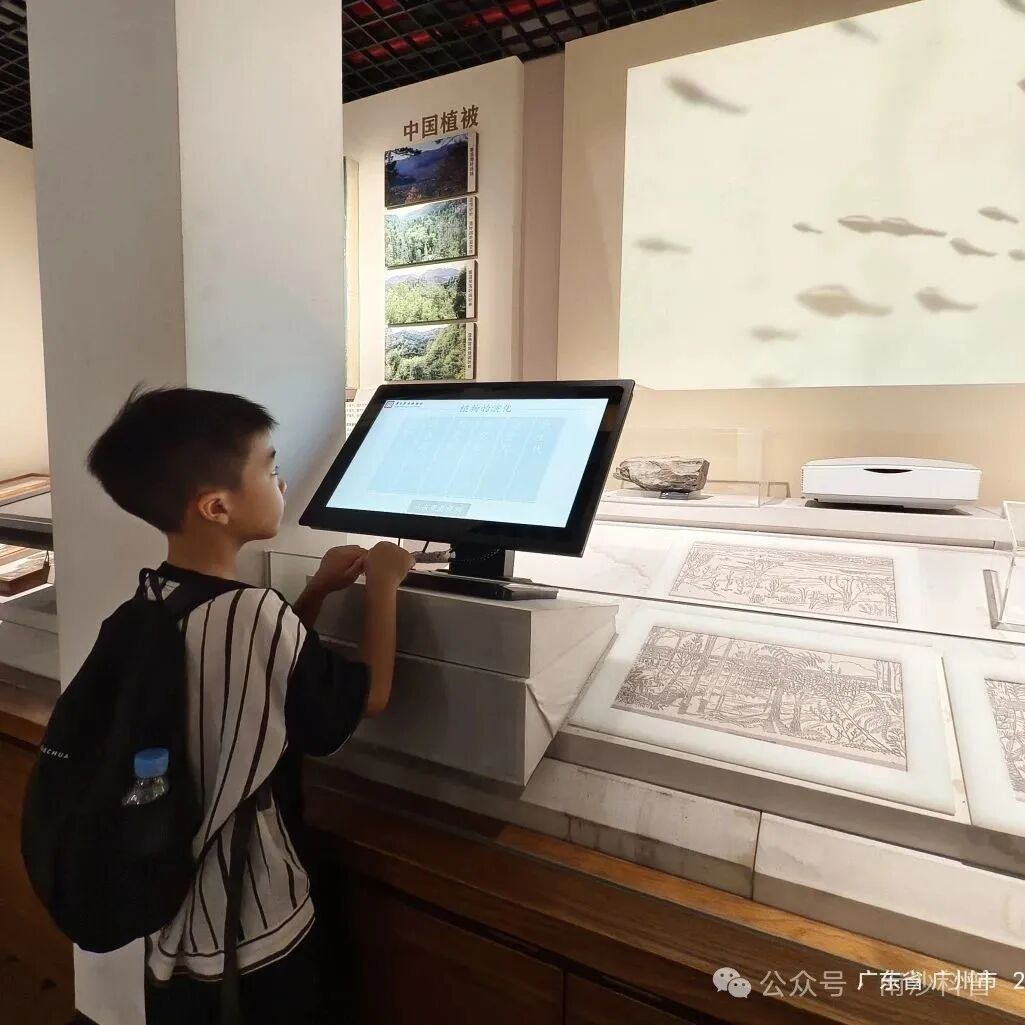
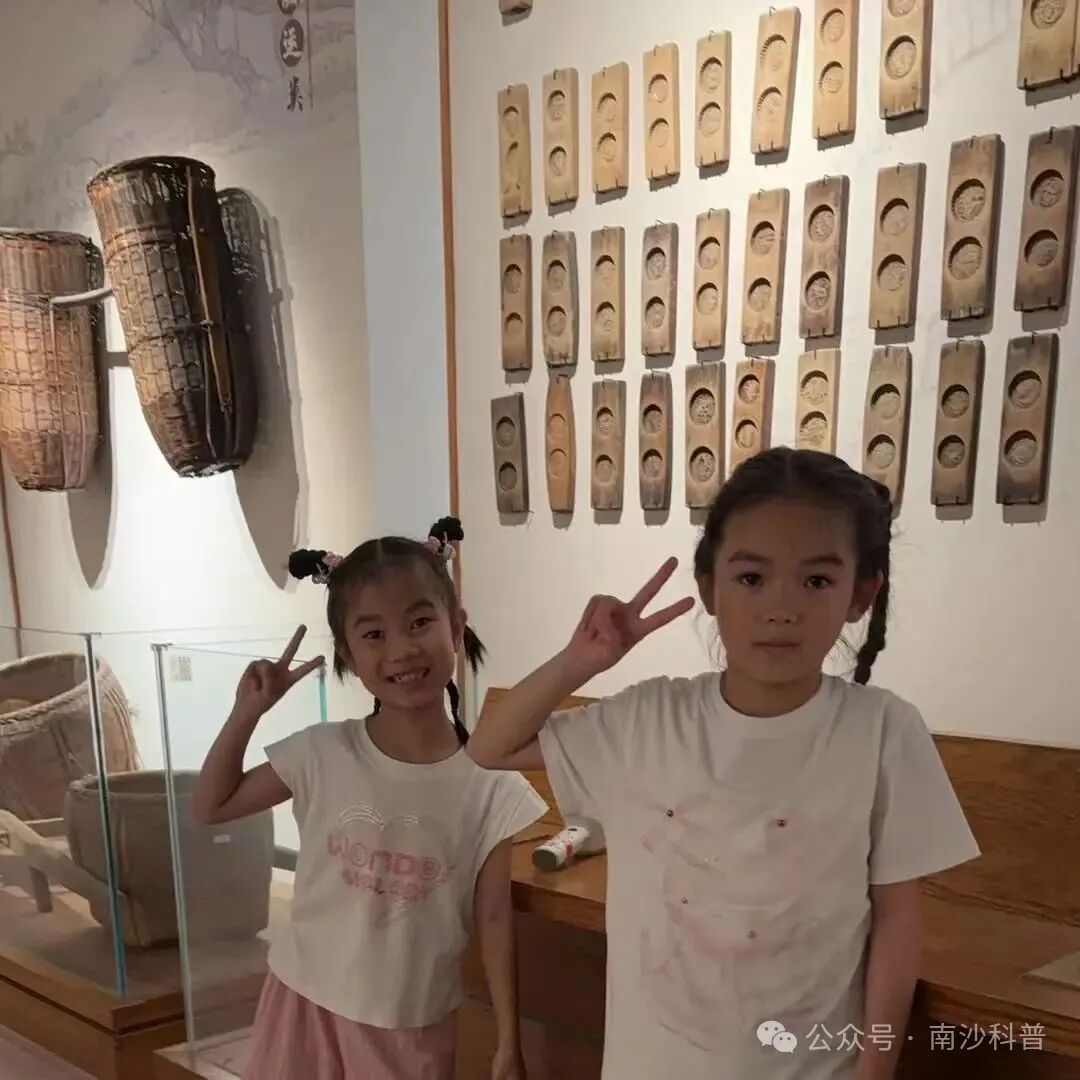
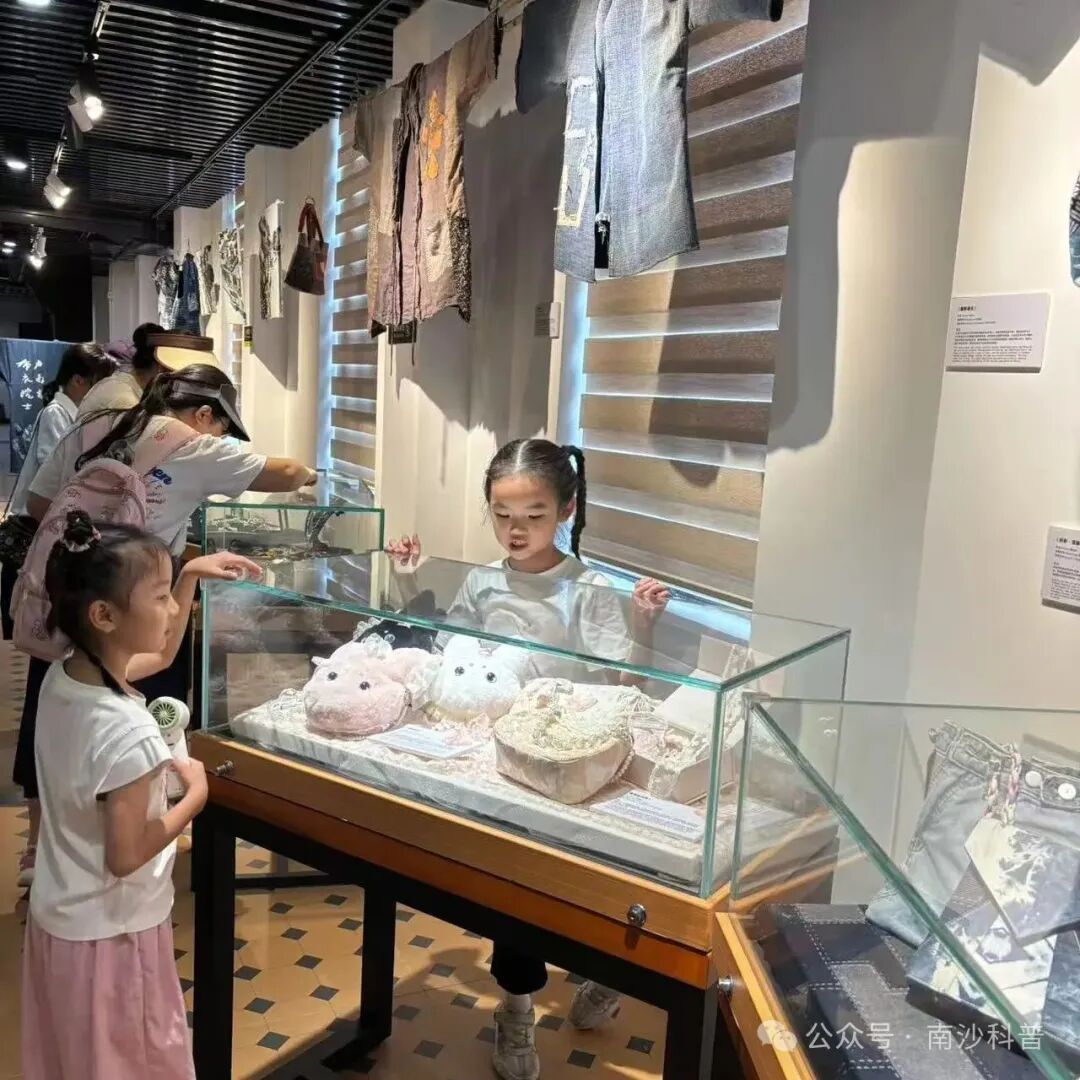
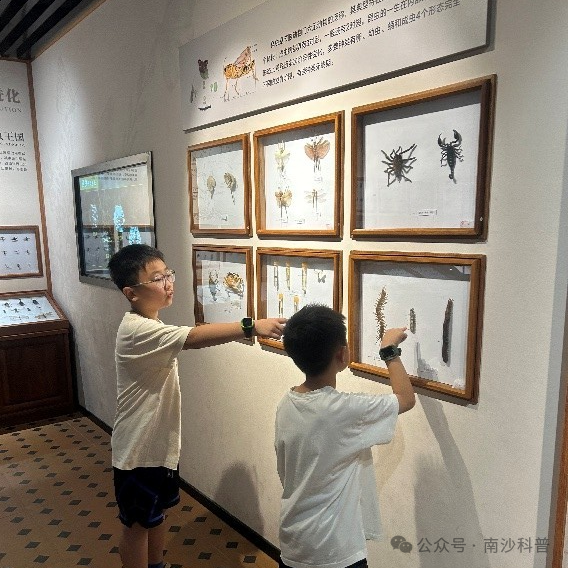
On the display case, the Warring States period iron plow used for deep tillage has a rugged wedge design that embodies the power to penetrate compacted soil; various bronze hoes and Han Dynasty iron hoe for fine soil cultivation, with shapes that are either wide or narrow, and the blade curves pointing to different field techniques… “Dad, look, this one looks like the ‘grass-cutting artifact’ in the game!” The surprise in the children’s voices shatters the thin mist of history, as several children sketch the outlines of farming tools in their notebooks, debating whether “stone sickles or iron sickles cut wheat faster.” These simple iron, stone, and wooden tools transform into vibrant “ancient black technology” in the eyes of the children – the iron plow is the “icebreaker of the land,” the bronze hoe is the “hairdresser of crops,” and the iron sickle is the ancestor of the “grain harvester.” They inject modern context into the ancient tools with their innocent imaginations, making the thousand-year wisdom in the display case a bridge connecting the past and present through their lively discussions.
03Exploring 3D Printing, Touching the Future of Intelligent Manufacturing
In harmony with the profound echoes of agricultural history, the special exhibition area of the 3D Printing Technology and Application Popularization Base at South China Agricultural University resembles a “time-repairing map” woven by technology. The digital models of clay figurines from the Agricultural Museum are captured through high-precision scanning, and in professional software, they are accurately positioned and algorithmically filled like a puzzle; the support structures at the break points are printed with resin in an antique glaze color, and their microporous structure and mechanical properties are rigorously simulated, ultimately restored through 3D printing technology. These exhibits, bearing transparent restoration explanation labels, vividly narrate how technology transforms into the most precise “time adhesive,” allowing the details of lost civilizations to breathe again in the symphony of digital and material, opening a new path for cultural relic protection that allows for “non-invasive rewriting of history.”
In the 3D printing popularization classroom, science popularization instructors take the children on an immersive journey of technological knowledge. From analyzing “the basic concepts of 3D printing” to revealing “the core logic of technology operation,” from sorting out the evolution of technologies like fused deposition and photopolymerization to showcasing their cutting-edge applications and future visions in aerospace and biomedical fields, the instructors use vivid explanations to transform abstract technological principles into tangible cognitive systems. One child asked, “Can we print a flying house with it?” The innocent and imaginative thoughts turn the classroom into a vibrant magnetic field for innovative thinking.
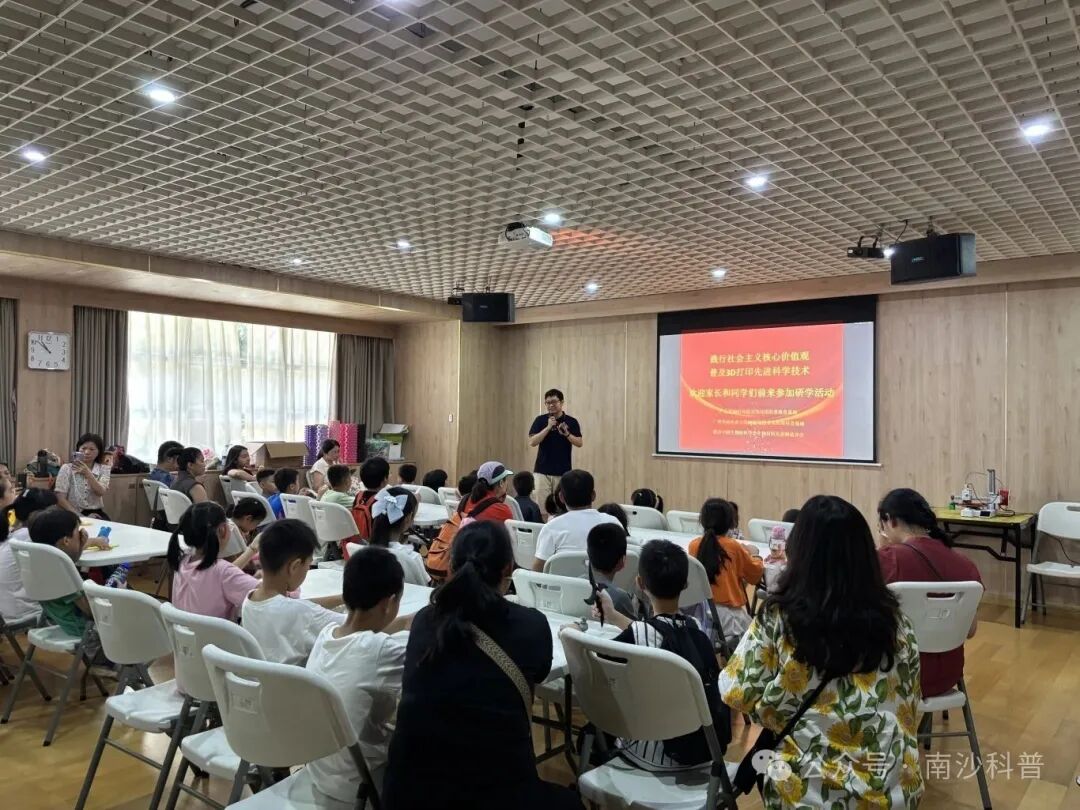
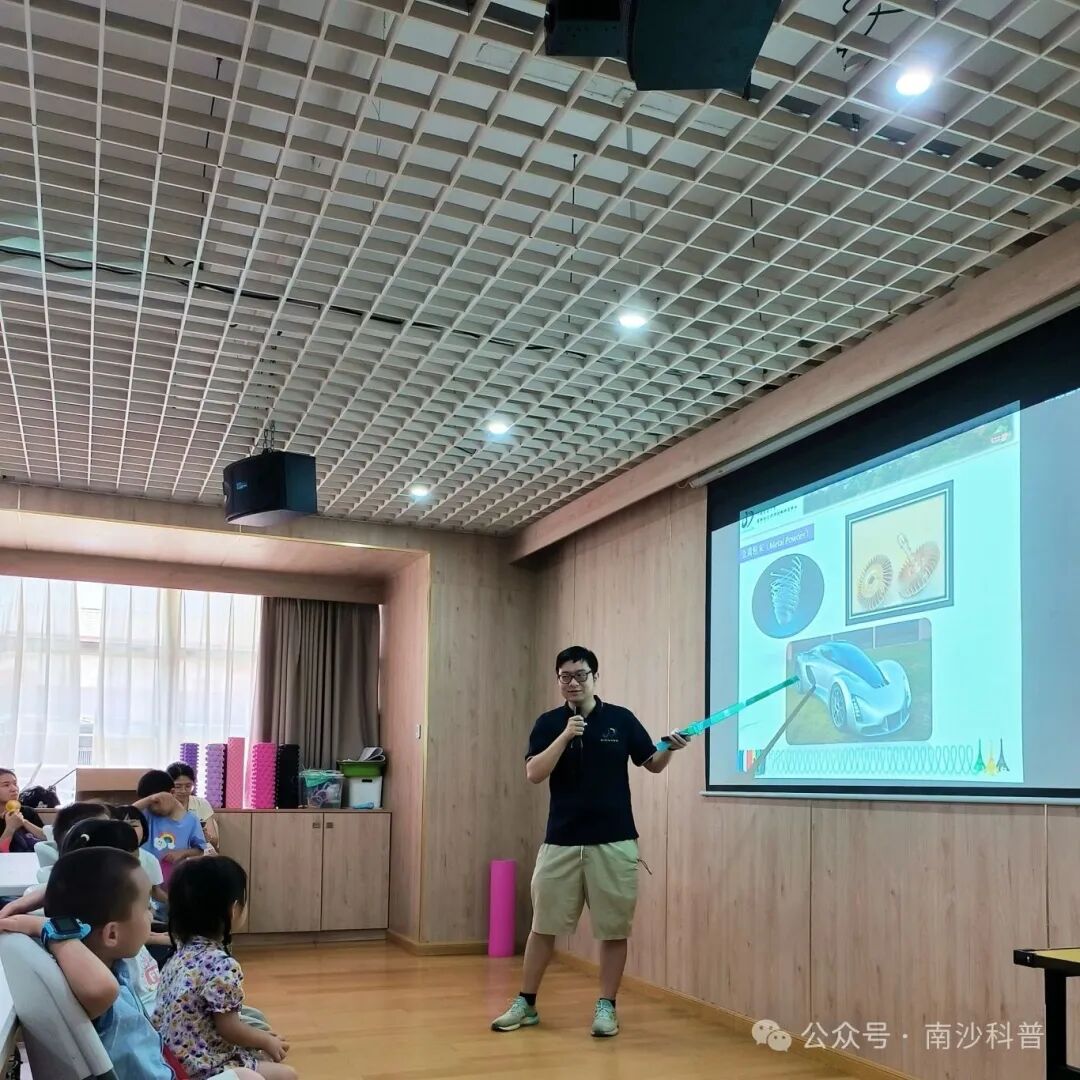
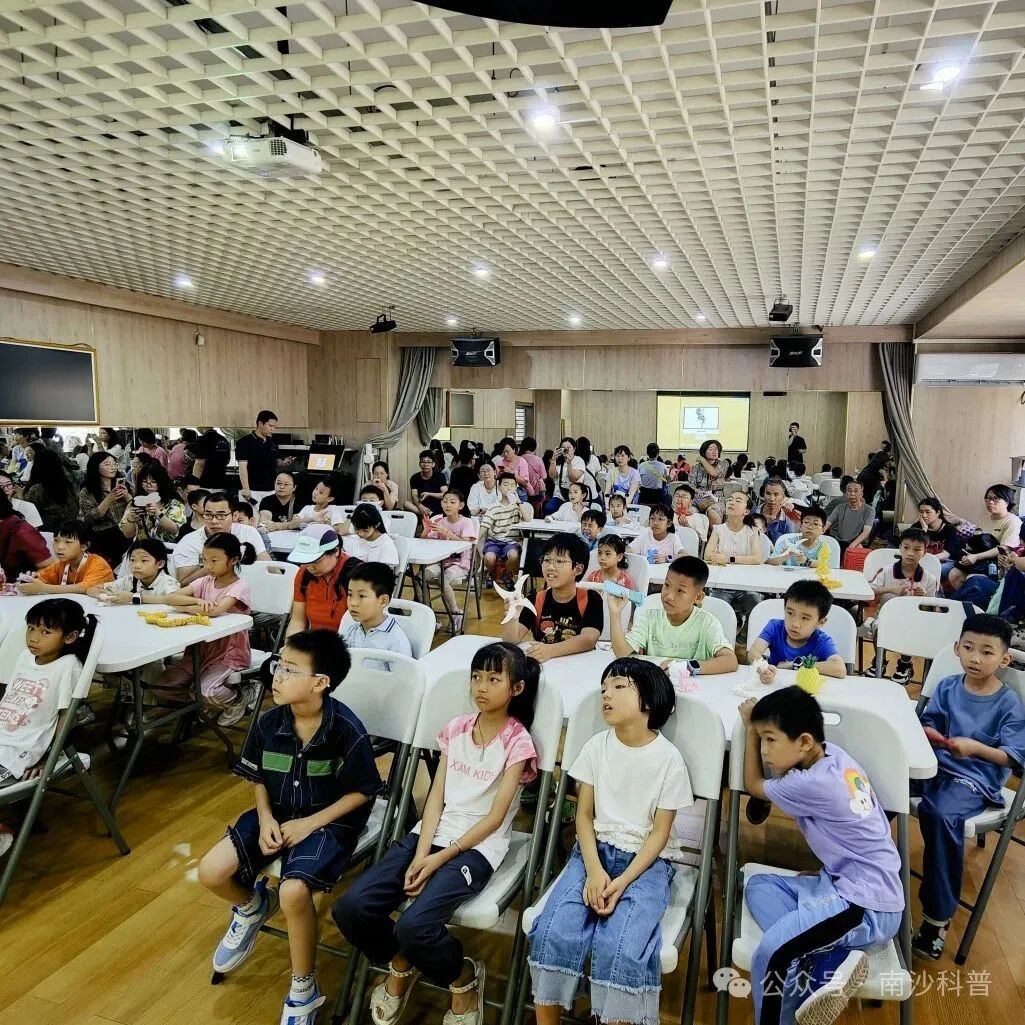
The session of using the 3D printing pen to create three-dimensional models is undoubtedly the peak of joy for the children! They become little designers, first sketching their beloved cartoon characters in their minds – perhaps a mechanical bird ready to take flight or a cute bear wearing a doctoral hat, then holding the 3D printing pen, letting the melted material flow from the pen tip like magical lines: first outlining the shape, then stacking the body layer by layer, and finally carving the wing textures or the furry details of the cute pet.
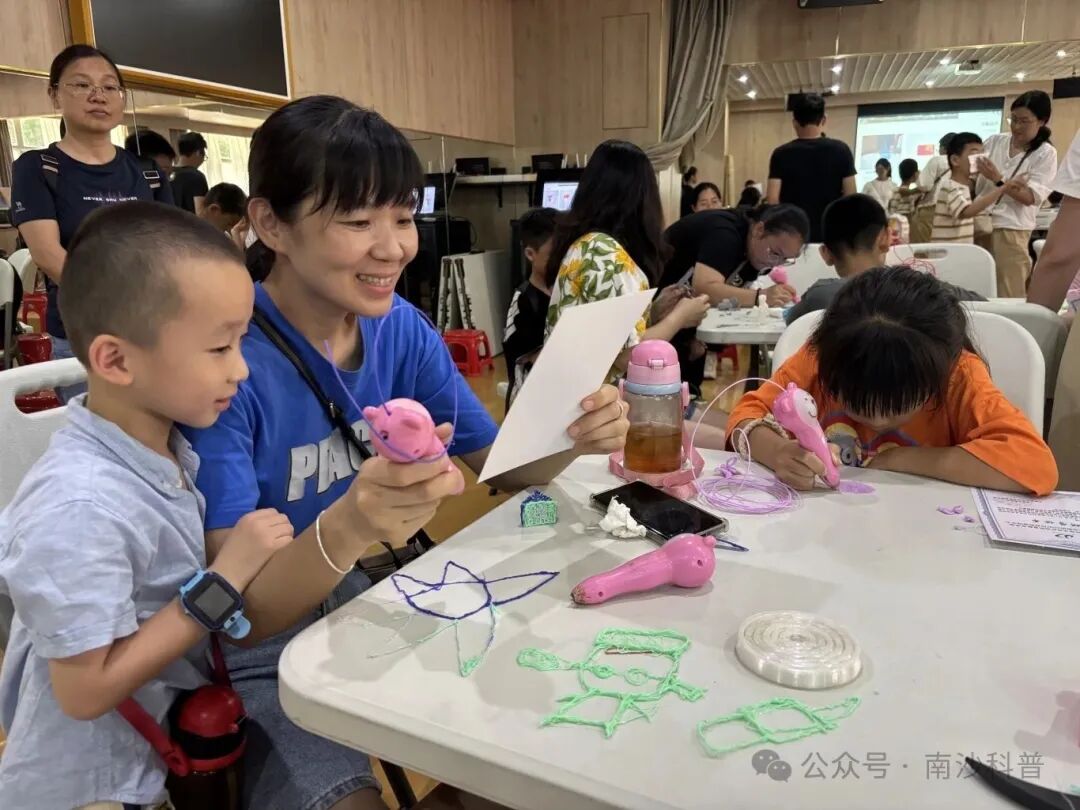
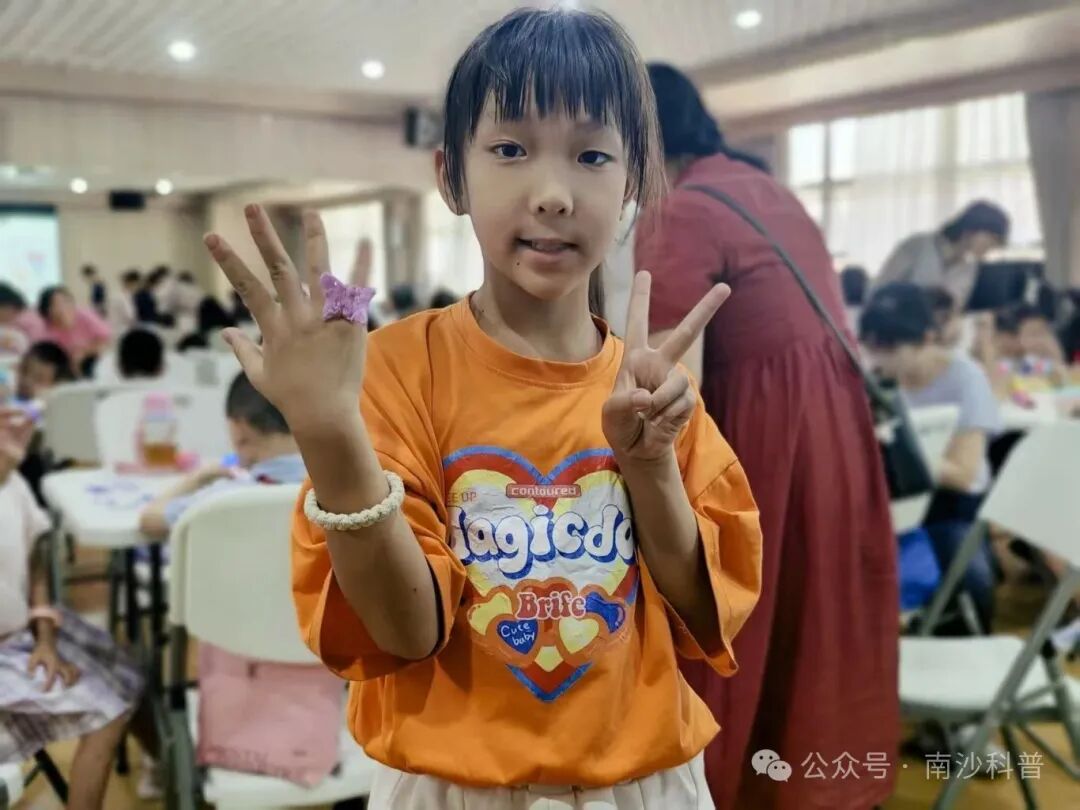
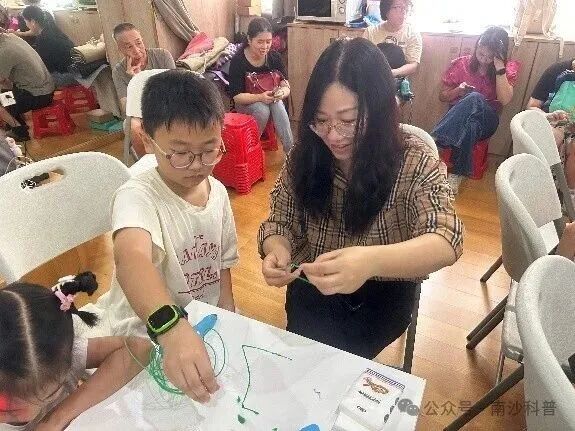
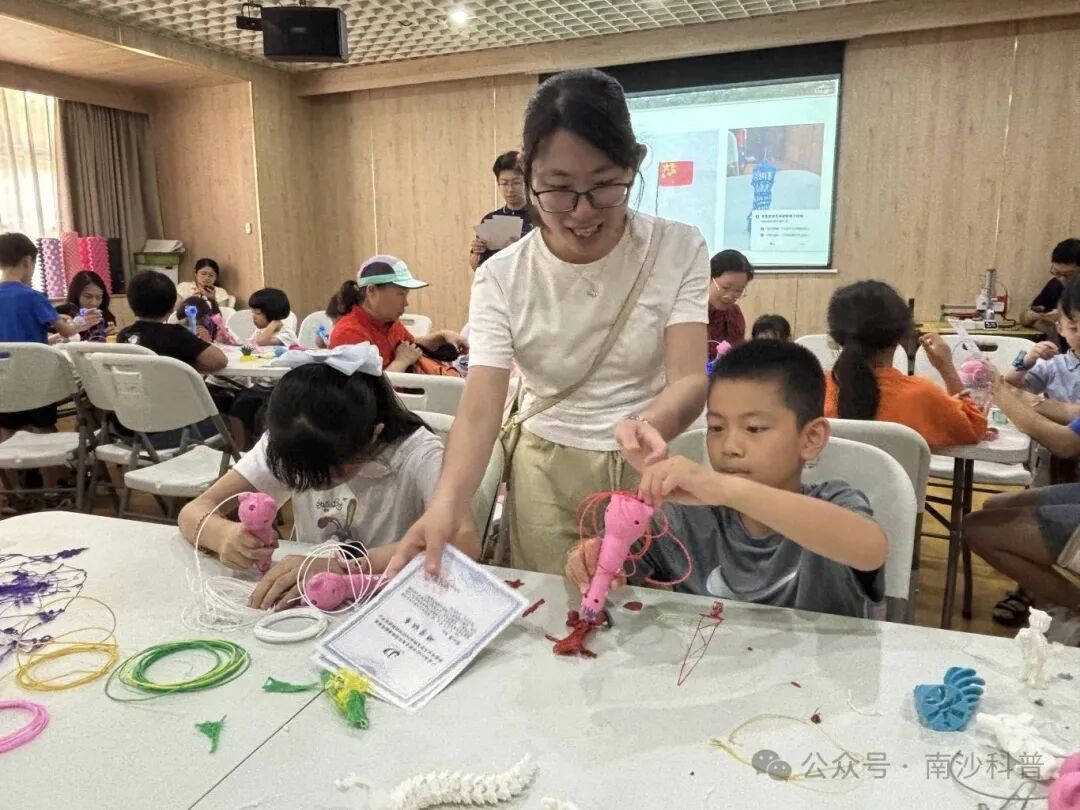
When the flat sketch “stands” in the air and transforms into a tangible three-dimensional sculpture, the children’s eyes sparkle with surprise, unable to help but exclaim, “My bear has grown ears!” The warm material flows through their fingertips, transforming into a touchable three-dimensional world, where every curve is a manifestation of imagination, and every stacking is a growth of logical thinking. In the cycle of designing, drawing, correcting, and forming, the children not only master the skills of spatial composition and structural balance but also perceive through immersive experience that technology innovation can be so close to life, and every one of their whimsical ideas may be realized through the power of technology.
The Nansha District Science Association takes this “Printing Dreams in Agriculture, Shaping New Chapters with Technology” event as a starting point, continuously cultivating on the dual tracks of technological innovation and cultural inheritance, with a sense of mission to “connect the past and the future,” engraving cultural genes on the journey of technological innovation, and nurturing scientific spirit in the warmth of parent-child companionship. This land, soaked in a thousand years of agricultural civilization, will eventually bloom the flowers of scientific innovation belonging to the Greater Bay Area under the dual irrigation of technology and culture, making every glance back at tradition a starting point for innovation, and every handshake between parents and children nurturing the possibilities of the future.
 Previous Recommendations
Storing “Seeds of Life” in the Future Bank? Witnessing Future Medical Miracles with Parents and Children
Unlocking Brain Potential, Mastering Champion-Level Stress Resistance Secrets!
Unlocking Song Dynasty Culture during the Dragon Boat Festival, Bringing Health and Culture Home!
Soaring into the Sky! The Aviation Science Carnival Ignites the Technological Dreams of Thousands of Youths
Guides: Lin Zhihao, Xu Maonan, Deng Xiang
Text and Images: Deng Xiang, Lin Zhihao
Reviewed by: Zhou Wuyi

Don’t forget tolike, share, and follow