

 Everything at your fingertips, install via QR code for Meixi Online
Amazon Web Services (AWS) announced on September 19 that it has introduced artificial intelligence robots in its data centers to help extend the lifespan of electronic devices and promote the efficient recycling and reuse of electronic waste. This initiative is an important attempt by AWS to achieve its sustainability goals and also showcases new applications of artificial intelligence in the circular economy.
It is reported that AWS has partnered with the Virginia-based robotics startup Molg. The intelligent robots developed by Molg can perform automated inspections and assessments of decommissioned equipment and facilitate precise disassembly. The disassembled components can be reused, sold to third parties, or enter the recycling process, thereby maximizing their value.
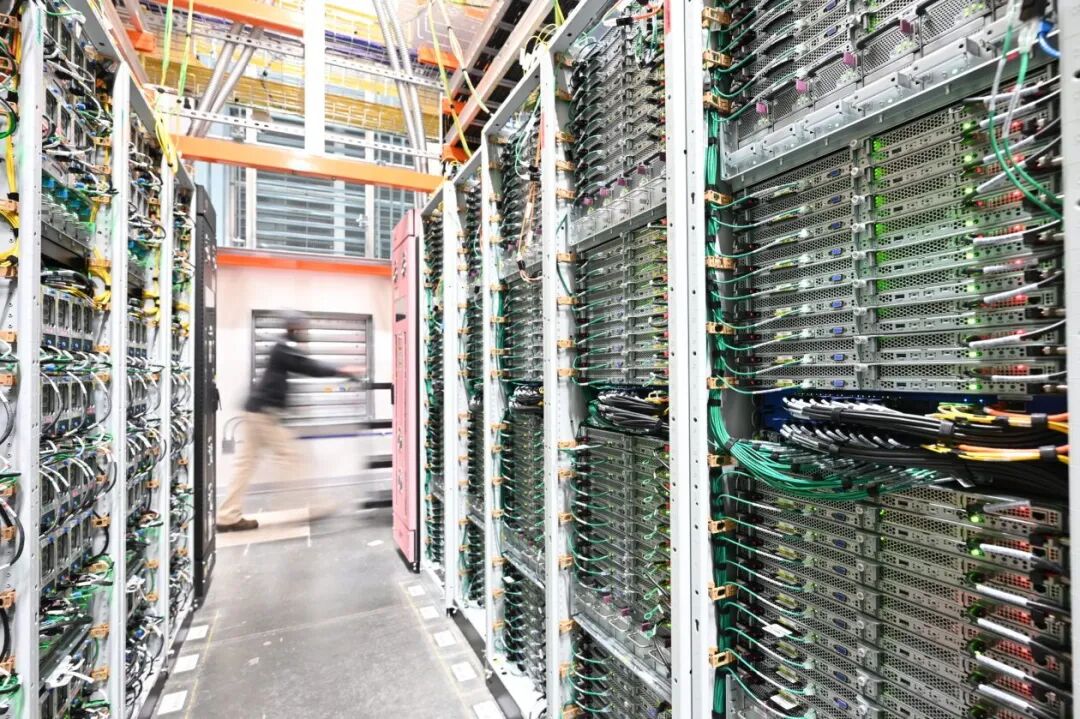
As early as a year ago, Amazon invested $10 million in Molg’s seed round financing through its $2 billion Climate Pledge Fund. Nick Ellis, head of the AWS Climate Pledge Fund, stated that this process has significantly improved resource utilization, “Many devices have had their lifespan extended by one to two years, and our recycling volume is greater than ever, which also reduces our carbon footprint.”
Electronic waste is one of the fastest-growing sources of waste globally. According to United Nations statistics, approximately $62 billion worth of electronic materials are discarded each year, but only 22% are recycled. AWS operates hundreds of data centers worldwide, where servers and hard drives typically retire after five to six years. How to handle these decommissioned devices has become a dual challenge for environmental protection and operational costs.
Molg’s robots have been deployed in AWS’s reverse logistics facility in Pennsylvania and are planned to expand to facilities in Kentucky, Dublin, and Singapore. Manju Murugesan, AWS’s global circular economy leader, revealed that last year Amazon extracted 16% of components from reusable inventory, and this ratio is expected to increase further with the introduction of Molg robots.
Molg’s CEO Rob Lawson-Shanks described the collaboration with Amazon as “a true gift.” He emphasized that traditional electronic waste processing often takes a “smash and grab” approach, skipping the reuse phase, while Molg’s goal is to maximize hardware value and promote a true circular economy.
The application of artificial intelligence is a significant advantage of the Molg system, enabling it to quickly adapt to different types of electronic products, from servers to hard drives, and potentially future memory and network cards. Molg has also received a $6.5 million grant from the U.S. Department of Energy to enhance the efficiency of laptop disassembly and recycling.
Additionally, Amazon and Microsoft have jointly invested in a company called Cyclic Materials, which focuses on extracting rare earth elements and magnets from recycled electronic products, further refining the sustainable development supply chain.
In the face of multiple challenges related to energy consumption, carbon emissions, and electronic waste, AWS stated that it will continue to drive sustainability through technological innovation, striving to achieve carbon neutrality by 2040.
Recommended Reading:
A jewelry store in the Bay Area was robbed! The owner shot in self-defense!
Chinese involvement in a $36.9 million digital investment scam
A California woman registered her pet dog as a voter and voted
ICE intensifies immigration raids in “sanctuary cities”
California-born citizenship rights resolution passed