 Clickthe blue text aboveto follow us~
Set the programmer's articles as favorites to read them first.Today, I will share a 15-day quick start tutorial for Python (see the end of the article for how to obtain the complete PDF learning tutorial).:Part One: Basic Knowledge
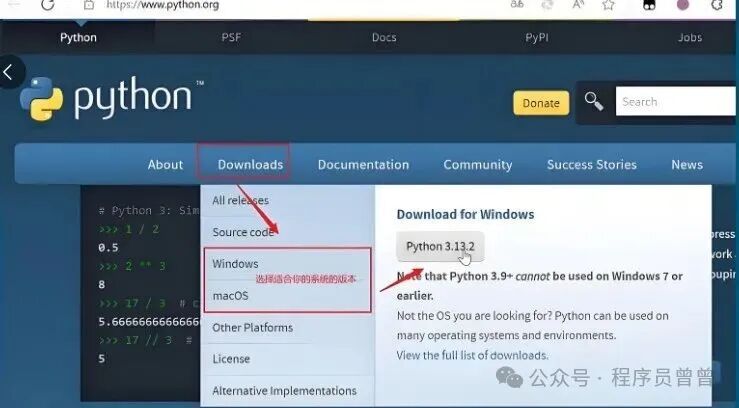
DAY 1: Install Python on your computer and run your first program “Hello world!”.
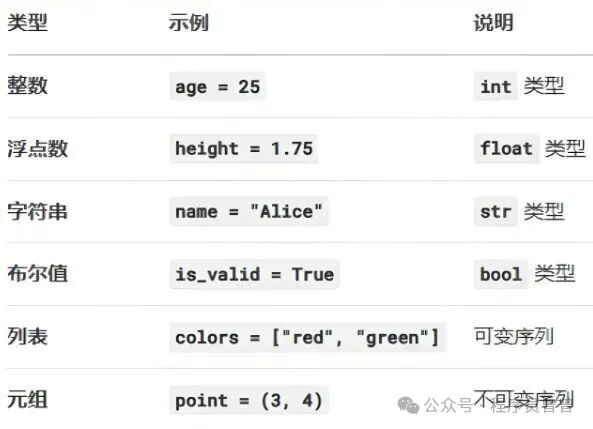
DAY 2: How to store information in variables and use text and numbers.
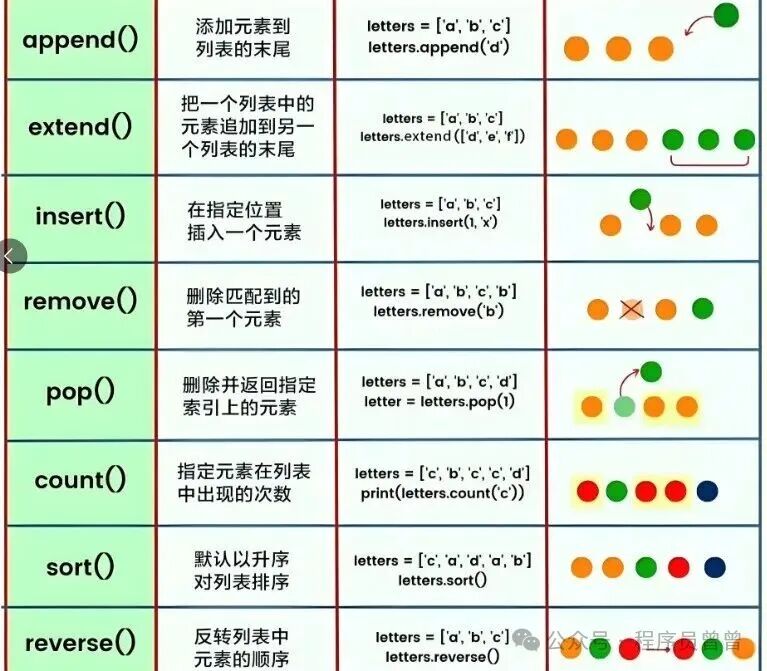
DAY 3-4: Lists, using lists to store any amount of information in a single variable for efficient data handling.
DAY 5: Use if statements to write code: take one action when a specific condition is met, and another when it is not.
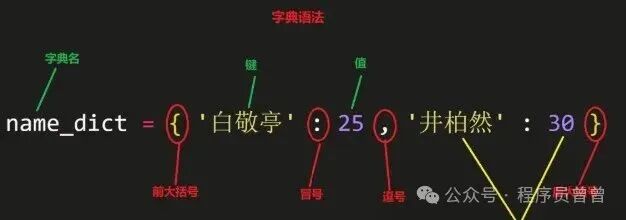
DAY 6: How to use Python dictionaries to associate different pieces of information.
DAY 7: How to get input from users to make the program interactive. Learn about while loops, which repeatedly execute a block of code until a specified condition is no longer met.
DAY 8: Write functions. Functions are named blocks of code that perform specific tasks and can be executed whenever needed.
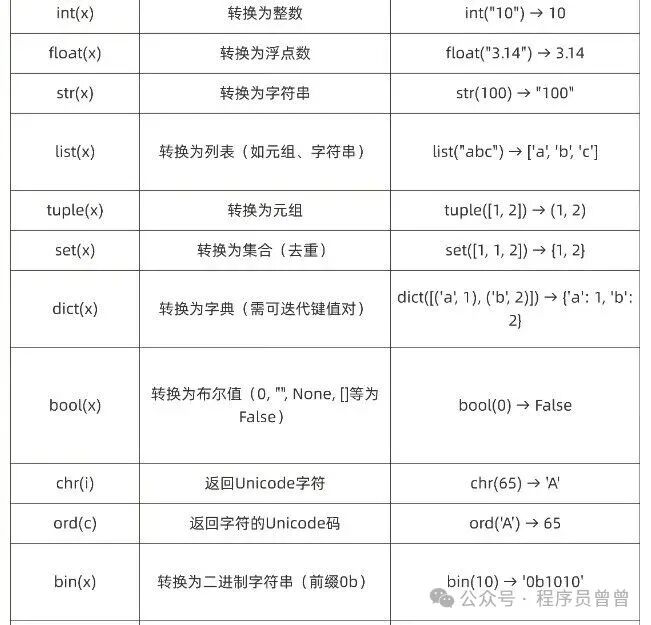
DAY 9: Learn about classes, which can model real-world objects like dogs, cats, people, cars, rockets, etc., allowing your code to represent anything real or abstract.
DAY 10: How to use files and handle errors to prevent the program from crashing unexpectedly. Learn about Python exceptions. Save data before the program closes and read it when the program runs again.
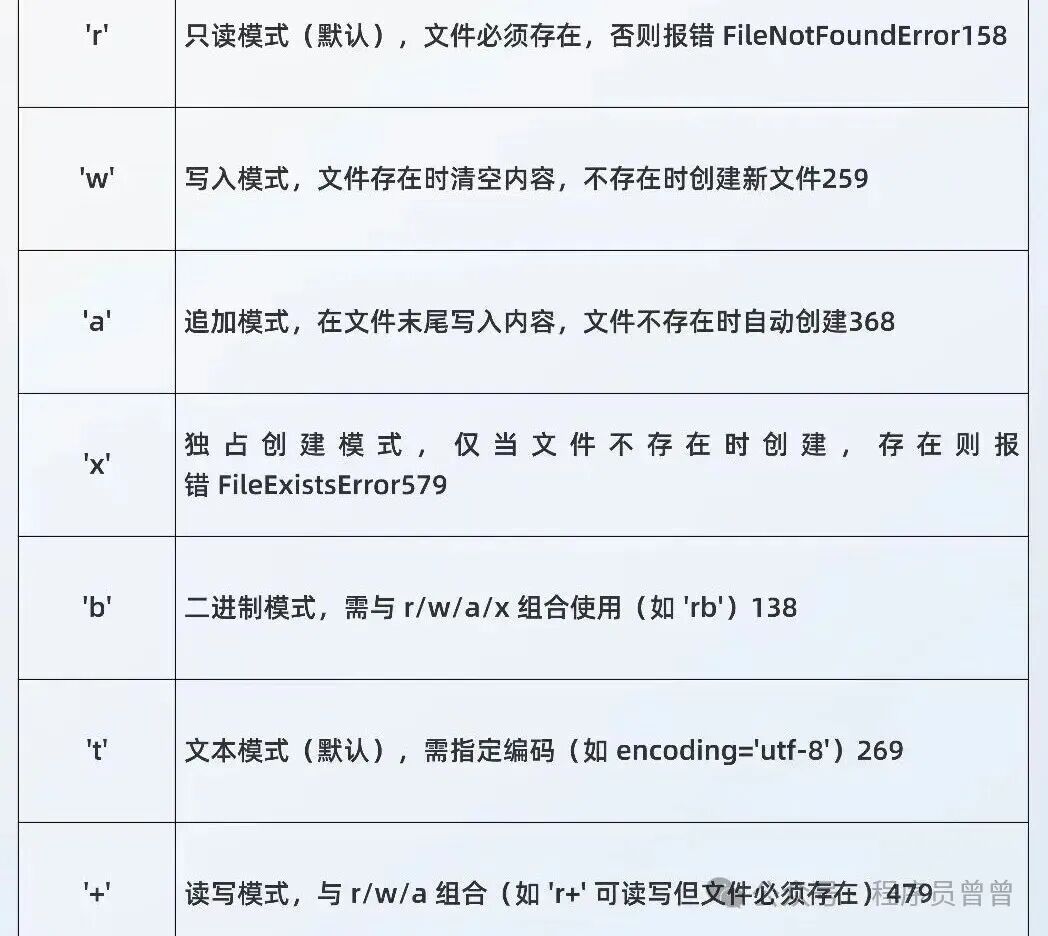
DAY 11: Write tests for your code to verify that the program works correctly.
Part Two: Projects
DAY 12:Alien Invasion Project, develop a game using Python.
DAY 13-14:Data Visualization
① Learn how to use matplotlib and Pygal to generate data and create useful and beautiful charts based on that data.
② How to obtain data from the internet and provide it to visualization packages to create weather maps and world population maps.
③ How to write a program that automatically downloads data and visualizes it.
DAY 15:Web Application
Use the Django package to create a simple web application, learn how to deploy applications, and gain hands-on experience in creating simple web applications while delving into additional resources on how to develop applications using Django.
Books are an indispensable part of learning Python!
See the end of the article for how to obtain the PDF!1. Beginner’s Literacy
① “Learning Python Through Comics: Fun, Informative, Playful, and Useful”
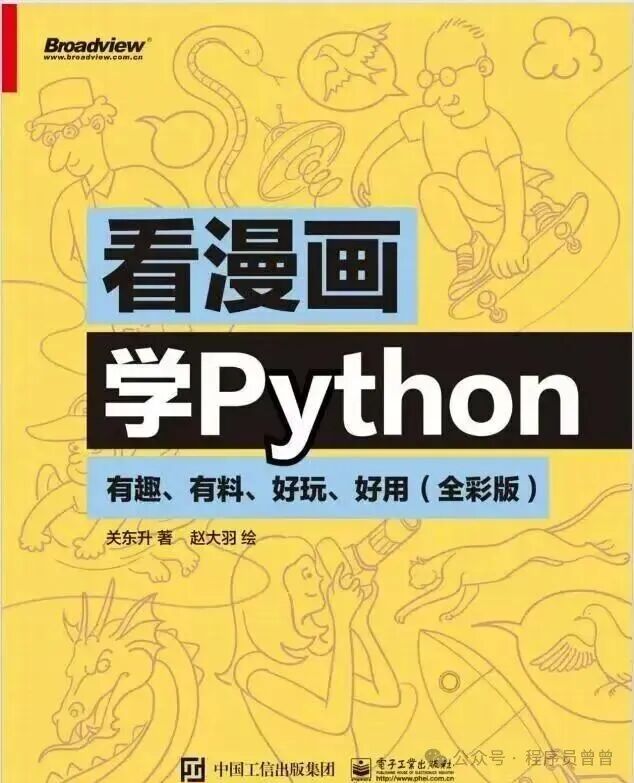
It is no exaggeration to say that anyone who can use a computer can understand it. It is suitable for cultivating interest in learning Python, mainly explaining complex Python issues in an easy-to-understand manner through simple dialogues between three comic characters. The content includes basic Python knowledge and library usage, with dedicated chapters providing application examples and synchronized exercises.
② “Python Programming: From Beginner to Practice”
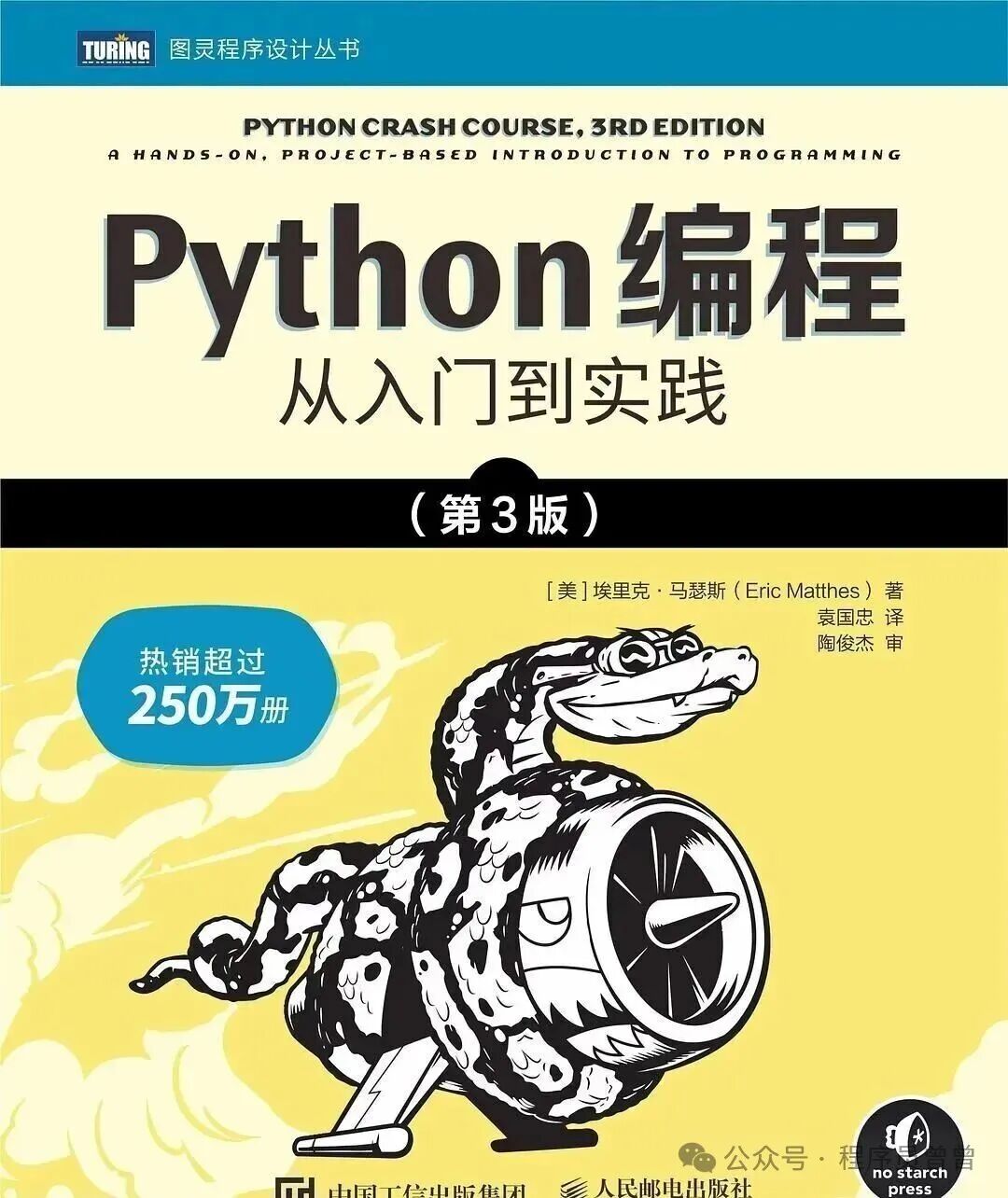
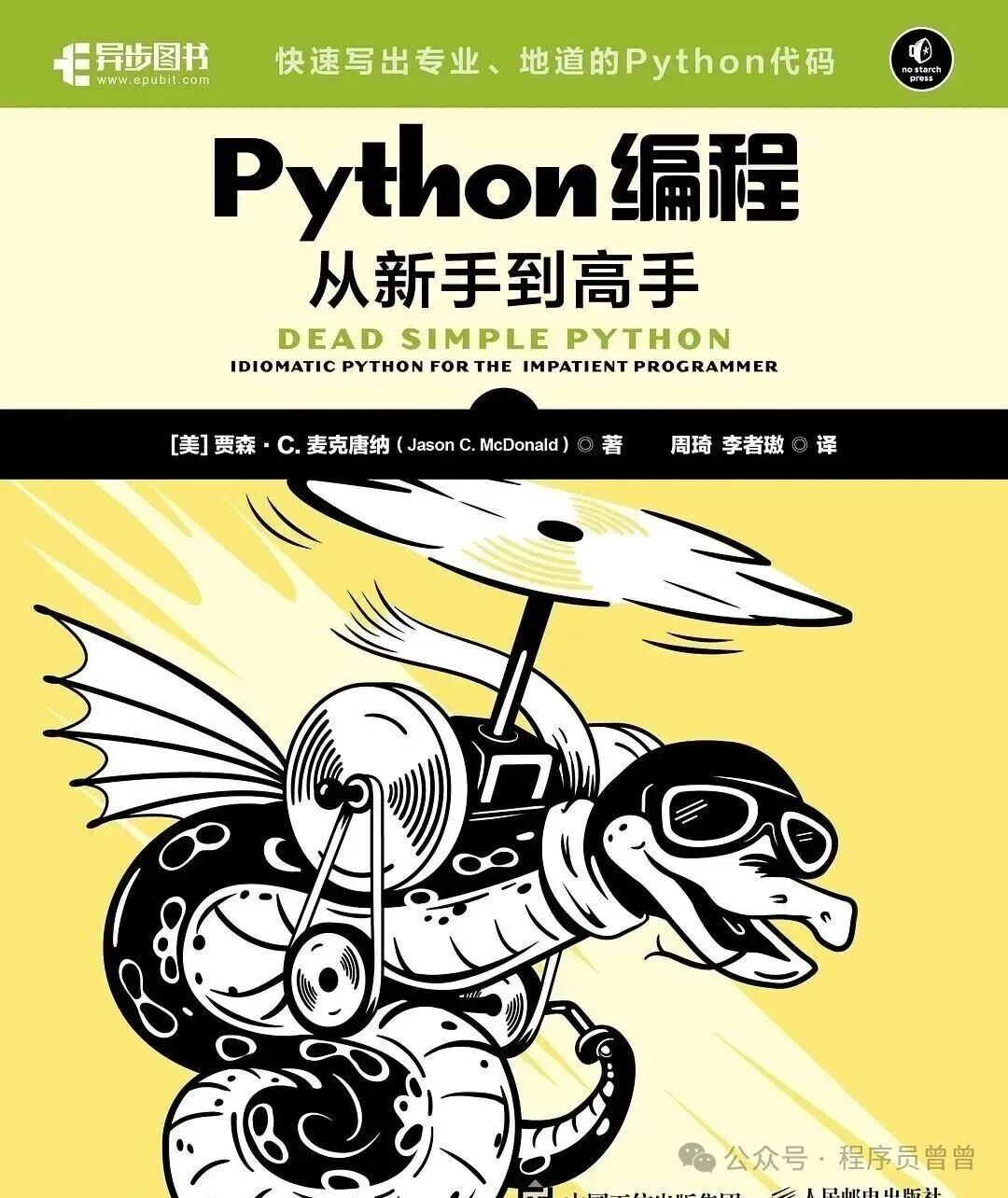
This is a classic introductory textbook for Python, basically everyone should have a copy. It allows you to quickly grasp the basic knowledge of programming and write code that can solve practical problems. The book starts with the most basic definitions, with important concepts presented in separate chapters, each method accompanied by clear explanations and practical case studies. Compared to other programming teaching books, this one uses a lot of relatable examples, making it very suitable for beginners learning Python.
③ “Python Algorithm Tutorial”
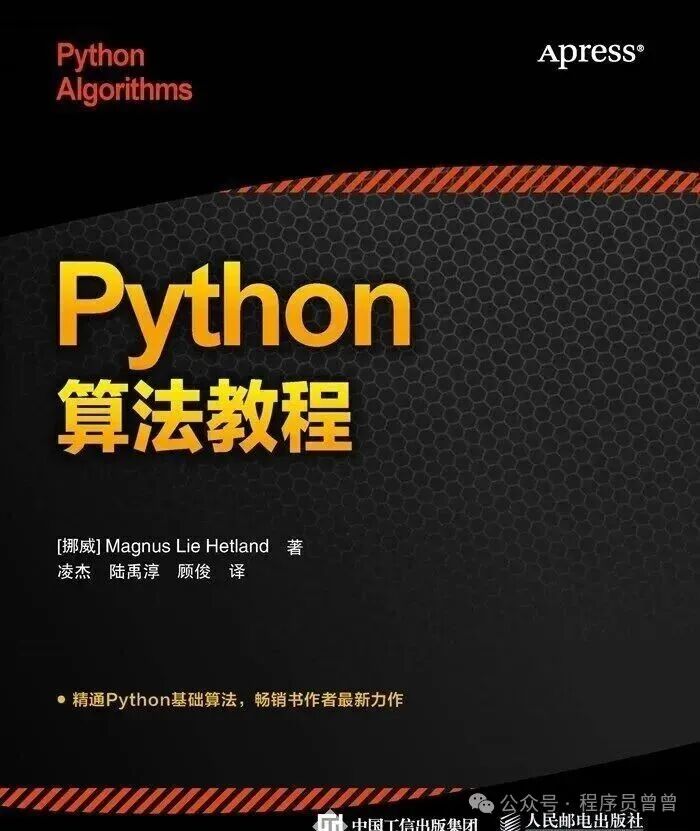
This book mainly focuses on classic algorithms, laying a solid foundation for readers in basic algorithms. At the end of each chapter, there are exercises and reference materials for self-checking, along with hints for the exercises to help readers fill in gaps. This book explains concepts and knowledge points clearly, with concise language. It is very suitable for intermediate users interested in Python algorithms to read and self-study.
④ “The First Book for Programming Beginners: Python Introduction”
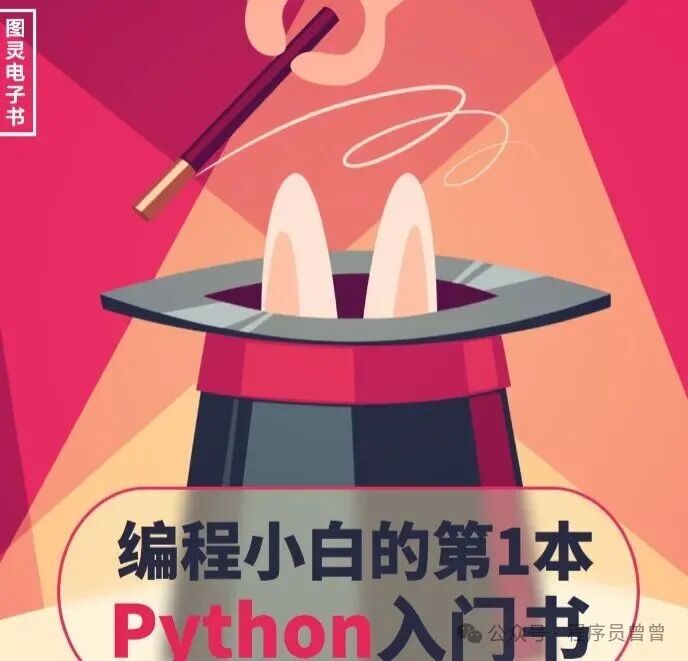
Designed specifically for absolute beginners, this book teaches programming in a smart way. It is a book that keeps you engaged until the end. The three steps truly allow you to experience going from zero to one: Simplify: learn the most critical knowledge; Understand: use analogies and visual methods to grasp these core concepts; Practice: after building your knowledge system, gradually refine it through practice.
2. Advanced Entry
① “Fluent Python”
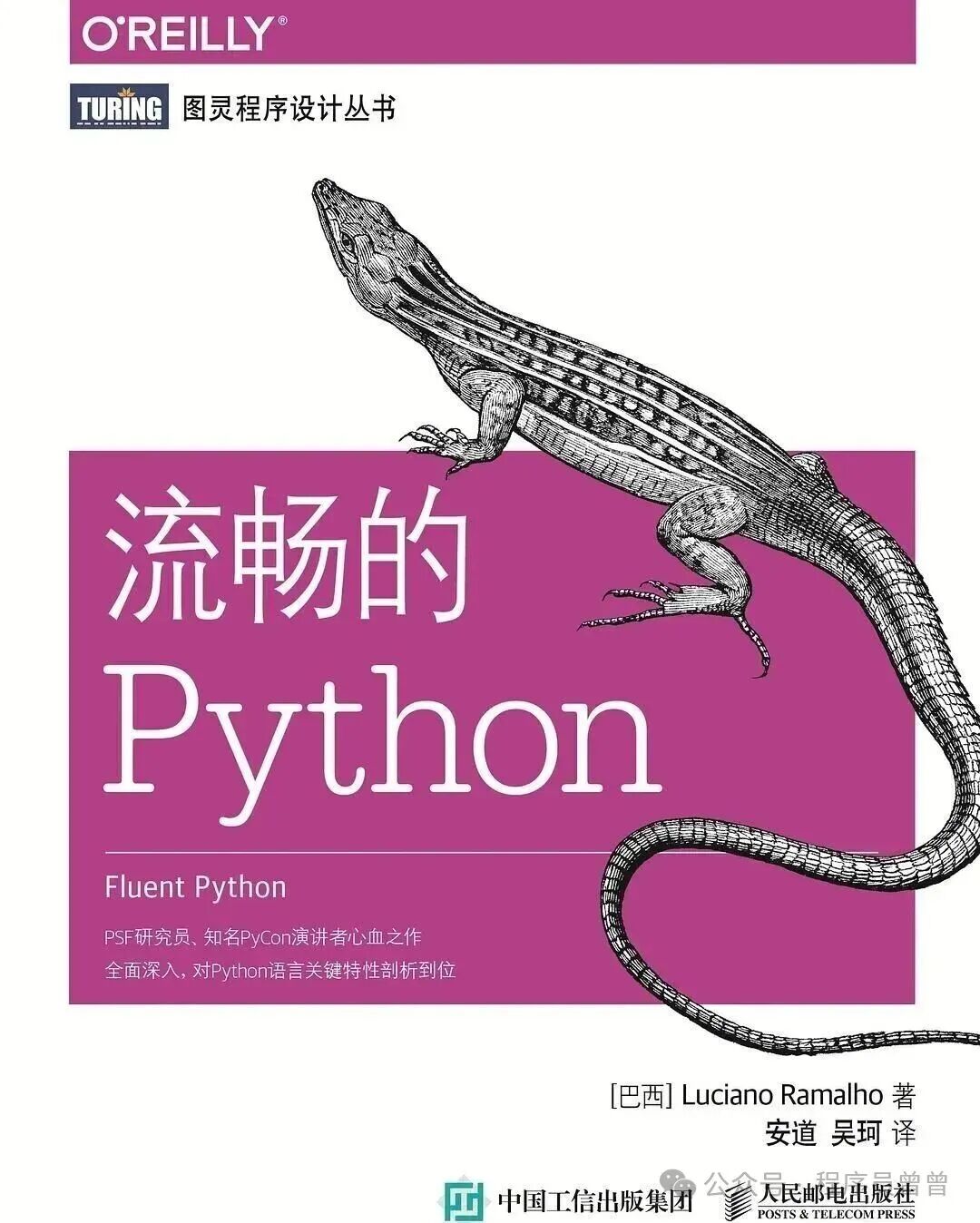
This book focuses on the basic usage of the Python language, making your code concise, efficient, and readable, transforming you into a proficient Python programmer.
It provides comprehensive explanations and includes a wealth of practical tips, exploring advanced uses of the Python language, covering data structures, Pythonic object styles, parallelism and concurrency, as well as metaprogramming, allowing developers at the same level to better understand their programs and write better code.
② “Core Python Programming”
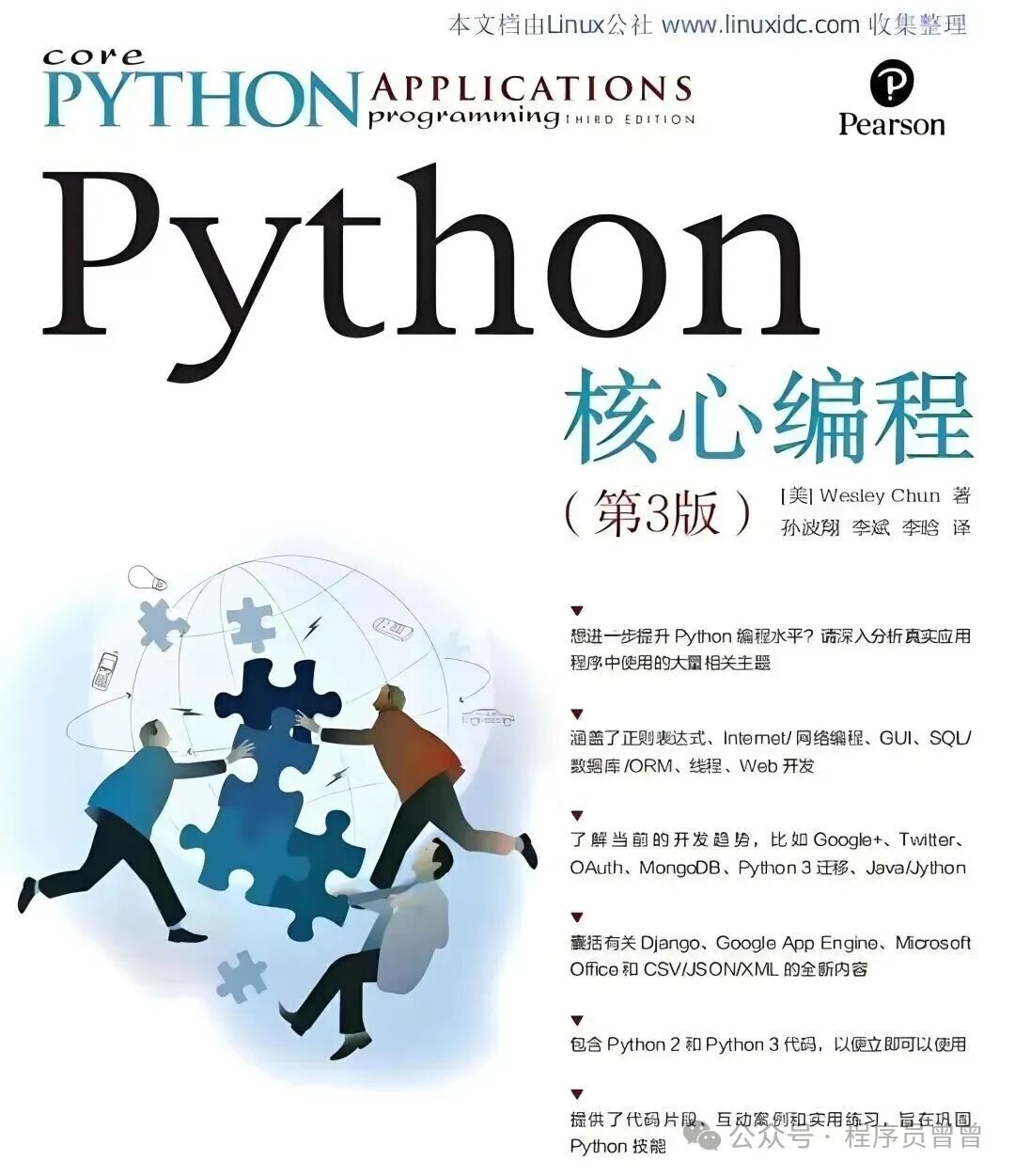
This is a complete guide for Python developers, to be read after the basics, explaining some common applications of Python, such as regular expressions, network programming, internet client programming, GUI programming, etc., which can be used to learn professional Python styles and good programming habits.
③ “Programming Collective Intelligence”
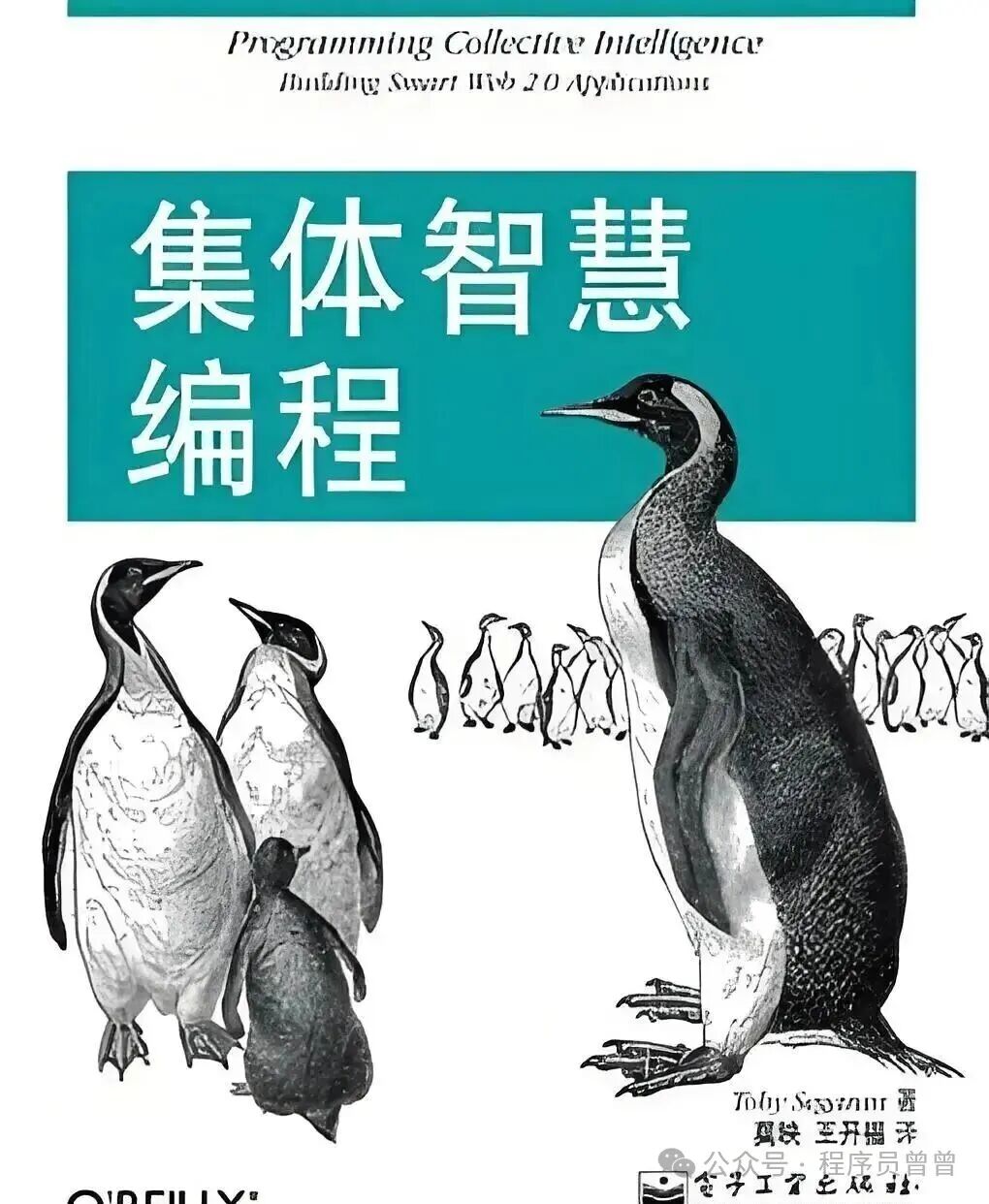
This book is the best choice for internet development applications. It focuses on machine learning and computational statistics, using Python as the code example, so familiarity with Python programming will help you understand algorithms. As a guide to learning programming, it is particularly important that we have written enough code to familiarize ourselves with the basic concepts.
④ “Python Source Code Analysis”
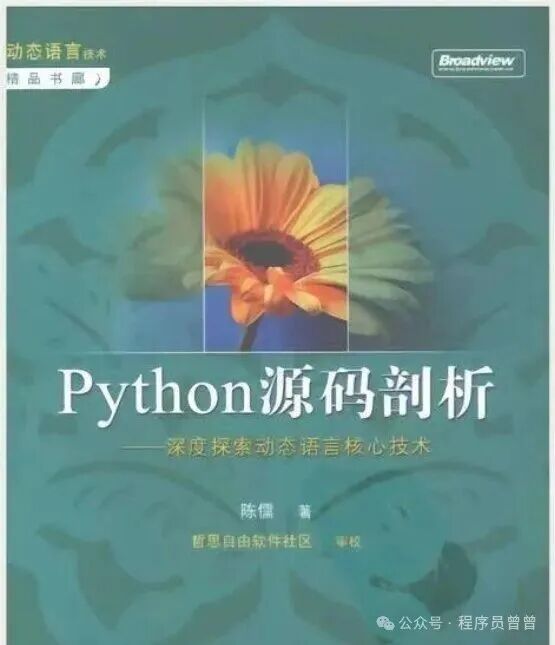
This book deeply explores the core technologies of dynamic languages, and Python’s powerful extensibility allows developers to easily use C/C++ to write Python extension modules and embed Python into C/C++ programs, adding dynamic extension and dynamic programming capabilities to their systems.
All materials are ready
How to obtain the materials:
1. Like + Recommend 
2. Click the small card below and reply “Learning” to automatically receive it.