3D printing is an emerging technology in the manufacturing field, known as a “manufacturing technology of industrial revolution significance.” In recent years, with advancements in industrial technology, 3D printing technology has rapidly developed and gained widespread media attention. Facing numerous 3D printing technologies, are you feeling a bit overwhelmed?
No worries, this article organizes the top ten 3D printing technologies, vividly presenting their principles through animated images, bringing the lofty 3D printing technology down to earth!
This article shares the principles of 3D printing in the polymer and metal categories, mainly introducing five major technologies: SLA, CLIP, 3DP, PolyJet, and FDM, as well as five major metal 3D printing principles: NPJ, SLM, SLS, LMD, and EBM.
1. SLA (StereoLithography)
SLA, or Stereolithography, is a light-curing molding technology that uses ultraviolet light to irradiate liquid photosensitive resin, causing a polymerization reaction that cures layer by layer to create a three-dimensional entity. The dimensional accuracy of the workpieces produced by SLA is high, making it one of the earliest commercialized 3D printing technologies.
Below is the SLA process engineering:
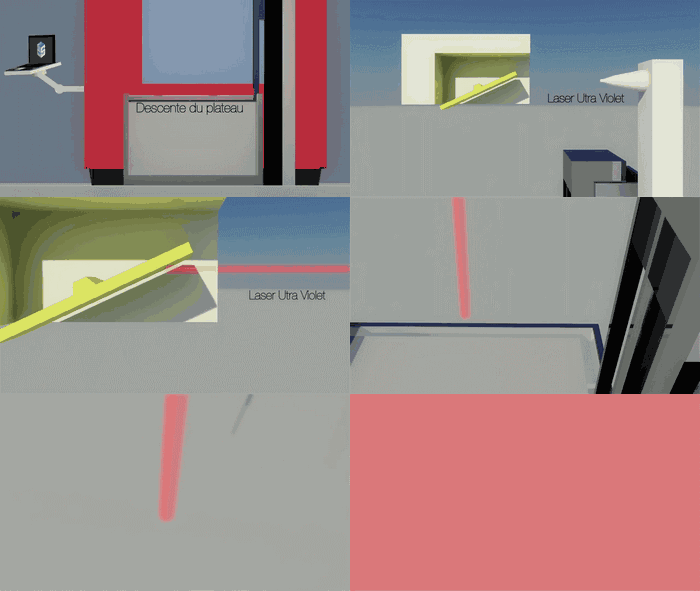
UV Laser Source

Light-Curing Reaction
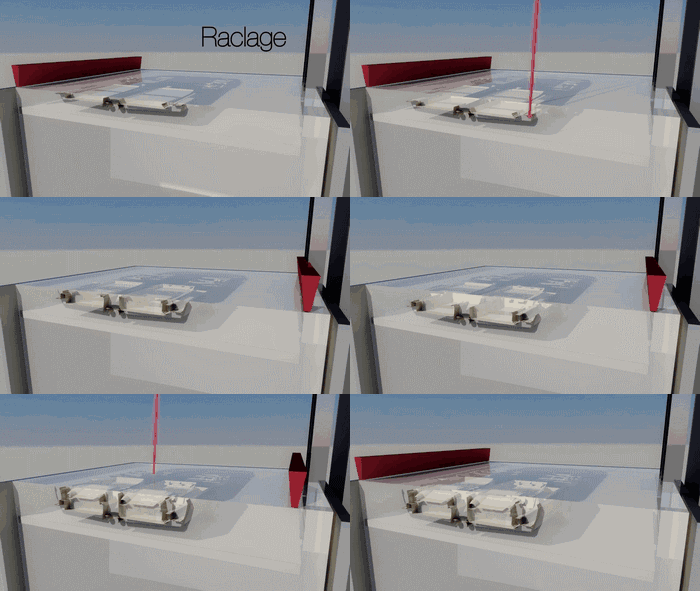
Layered Scanning Molding
2. CLIP
CLIP, or Continuous Liquid Interface Production, is a revolutionary 3D printing technology developed by Carbon 3D based on SLA technology, increasing the speed of 3D printing by 100 times!
CLIP projects from the bottom, curing the photosensitive resin, while controlling oxygen to create a dead zone that suppresses the light-curing reaction, thus maintaining a stable liquid area, ensuring the continuity of curing.
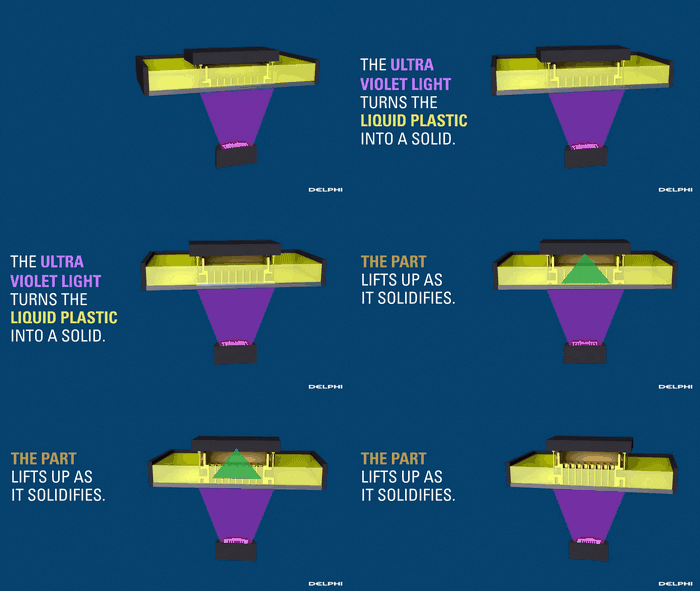
Light-Curing Reaction
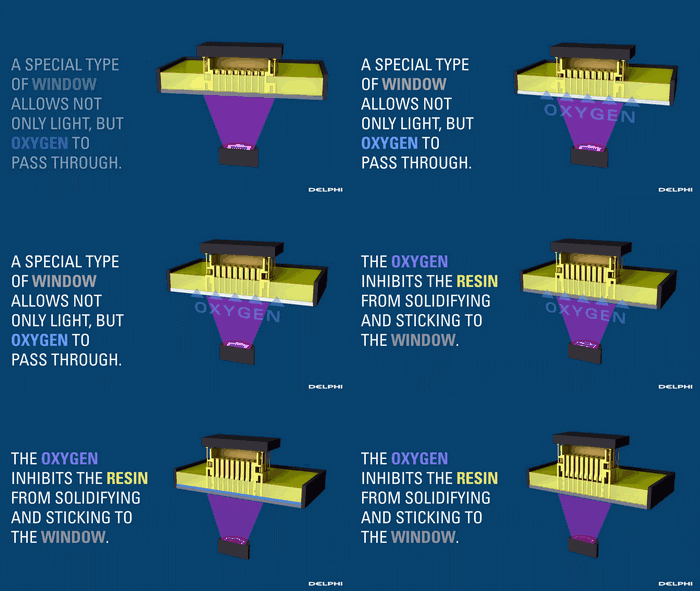
Oxygen Suppression of the Light-Curing Process
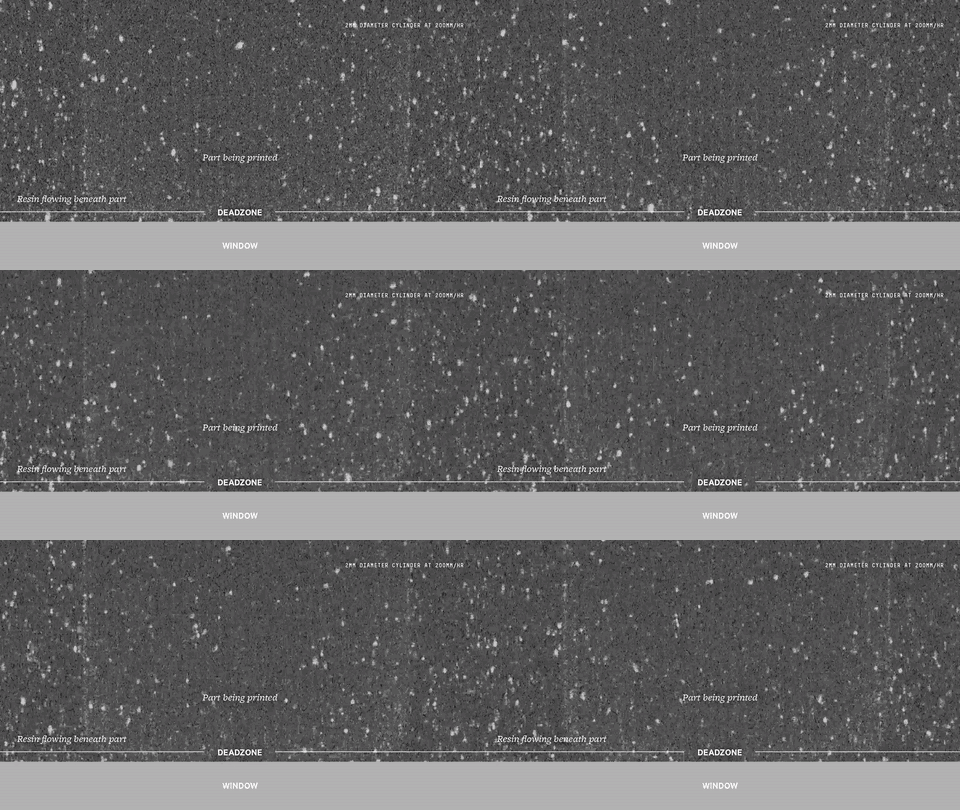
Light-Curing Dead Zone Demonstration
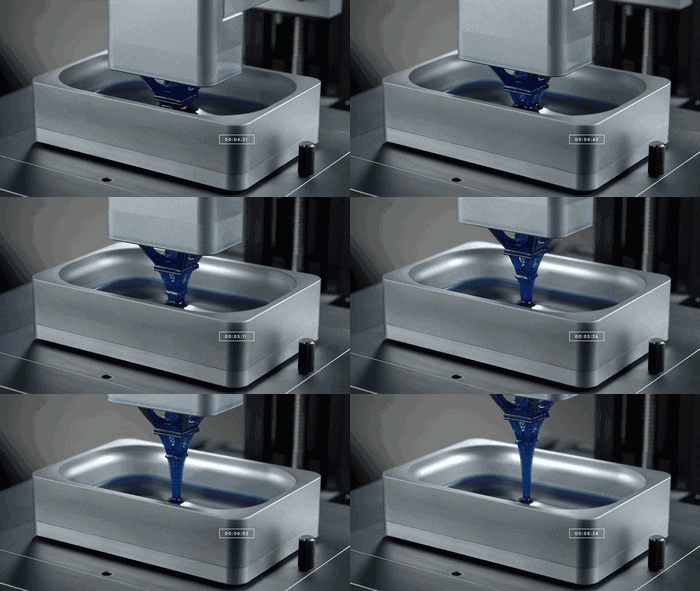
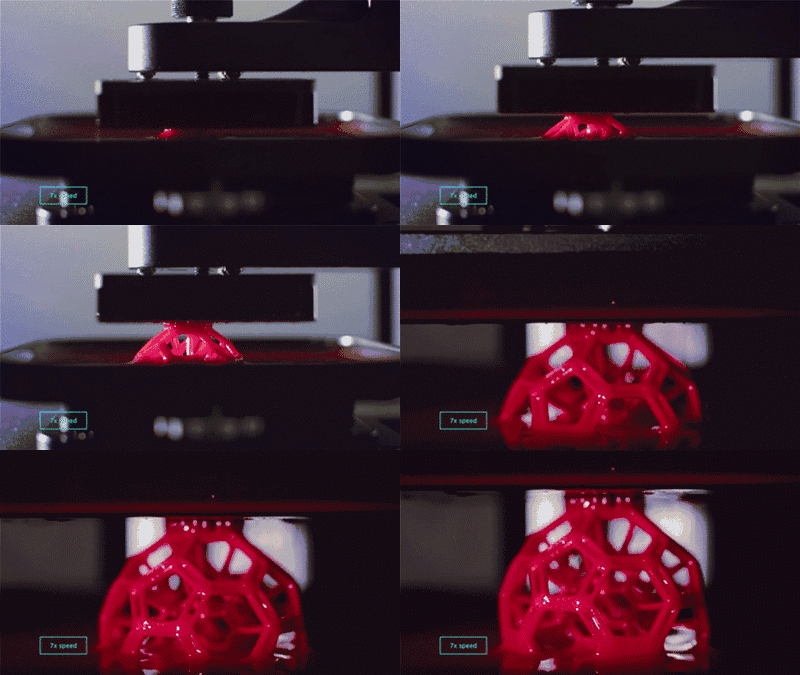
CLIP Molding Process
3. 3DP (Three-Dimensional Printing)
3DP, or Three-Dimensional Printing, is a rapid prototyping technology similar to traditional two-dimensional inkjet printing, where a binder (colored binder can print colored parts) is ejected from the print head to bind powder on the platform, typically using gypsum powder as the forming material. 3DP technology currently has two main applications: full-color 3D printing and sand mold casting.
Below is the process of sand mold casting using 3DP technology by Exone:
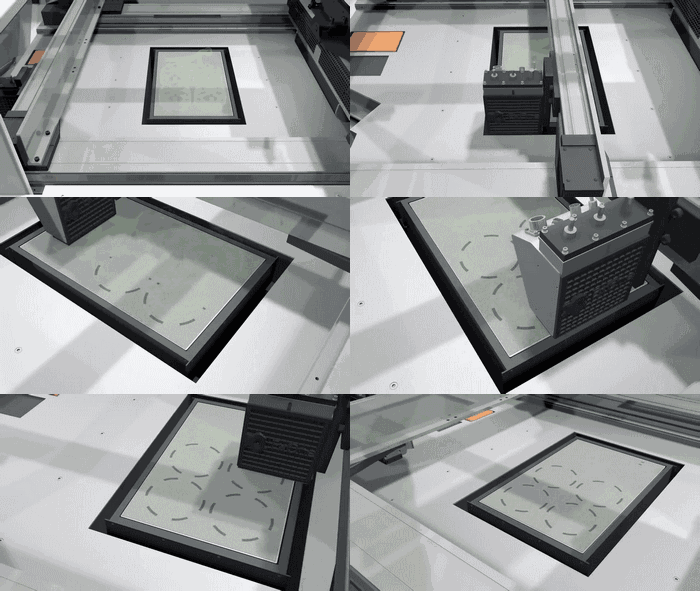
Binder Jetting
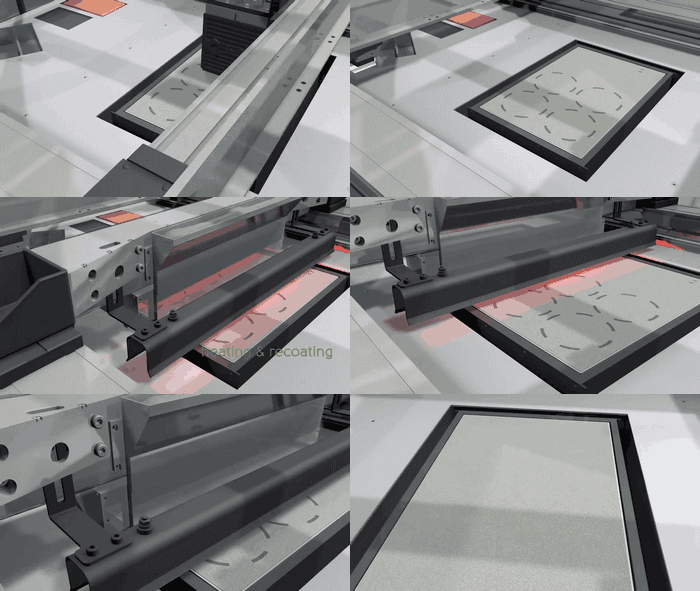
Heating and Curing
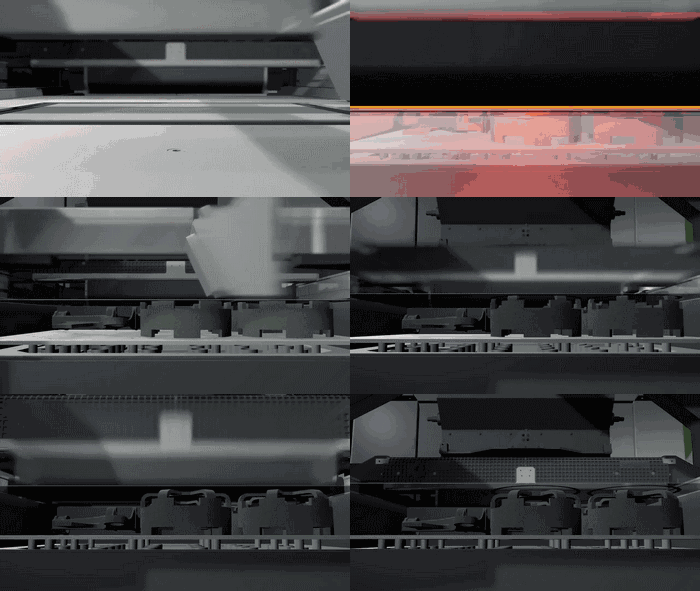
Printing and Molding
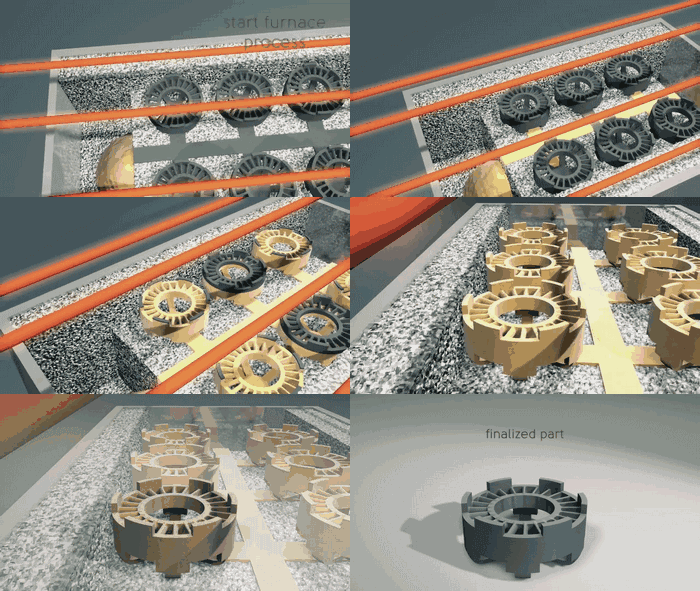
Casting Molding
4. PolyJet
PolyJet is a polymer jetting technology, whose molding principle is similar to 3DP technology, but instead of a binder, it jets light-curing resin, which is cured by ultraviolet light after jetting.
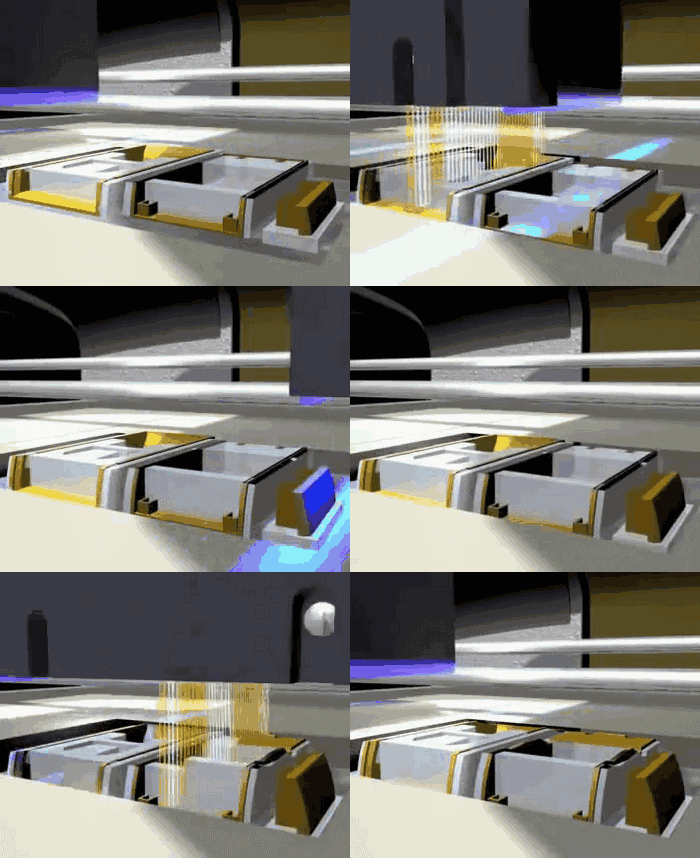
PolyJet Molding Principle
PolyJet uses an array of nozzles, and can even simultaneously jet different materials, achieving multi-material and multi-color printing.
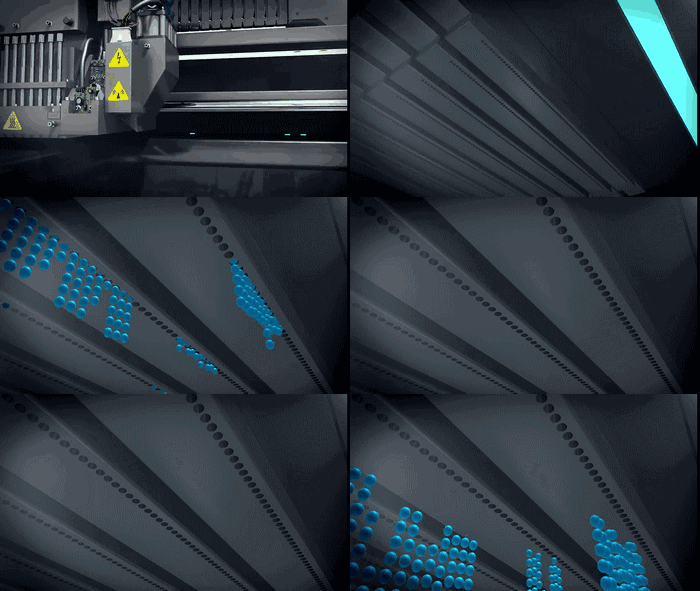
Array Nozzle Working Process
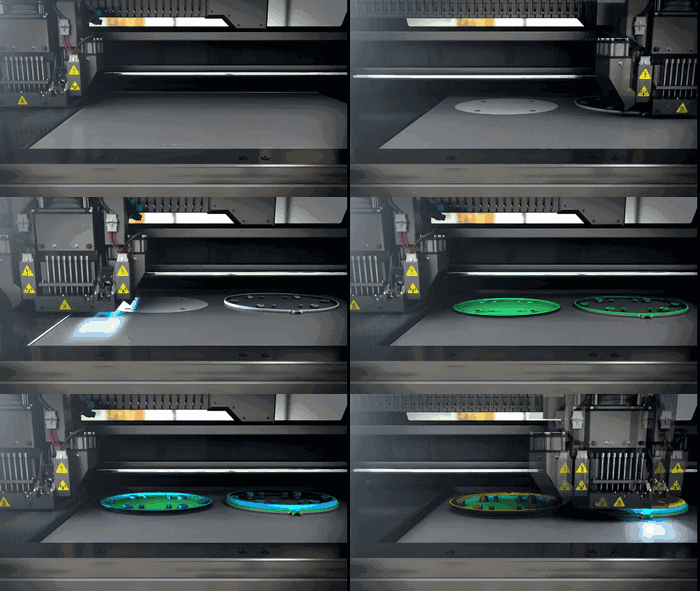
PolyJet Printing Process
5. FDM (Fused Deposition Modeling)
FDM, or Fused Deposition Modeling, utilizes high temperatures to melt materials, extruding them through a print head into filaments that accumulate to form components. FDM is the simplest and most common 3D printing technology, typically used in desktop 3D printing devices.
Below is the working principle of FDM technology:

Model Processing
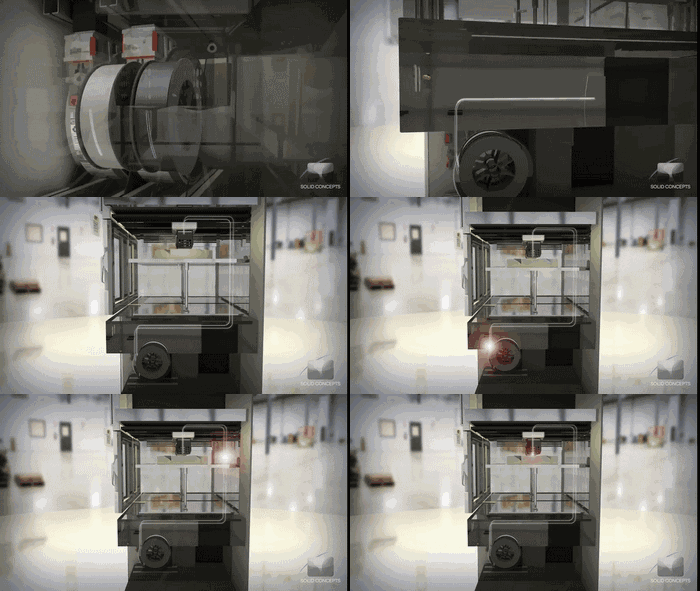
Material Extrusion Molding
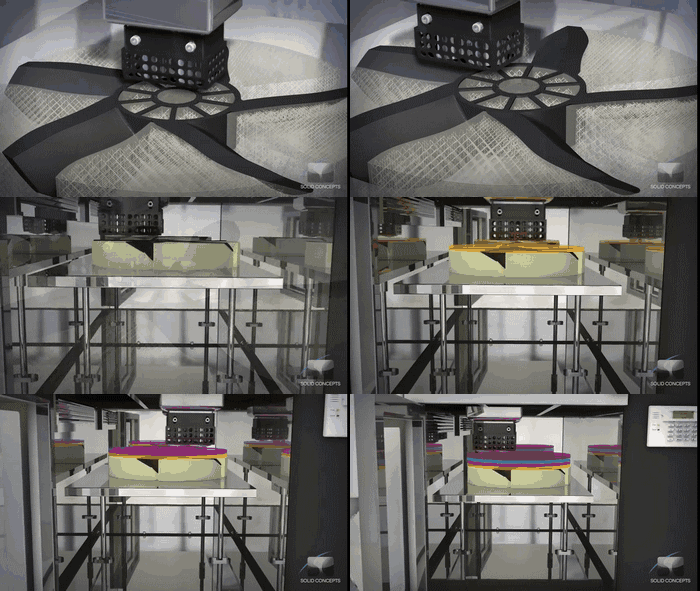
Layered Printing Process
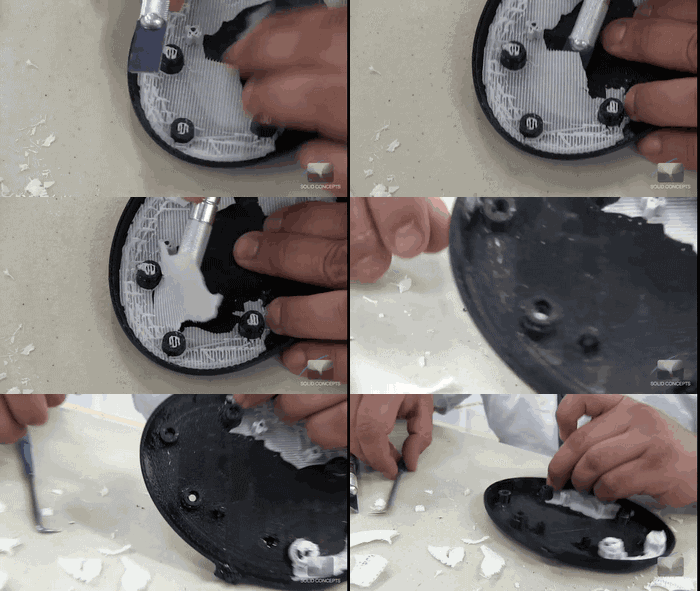
Support Removal
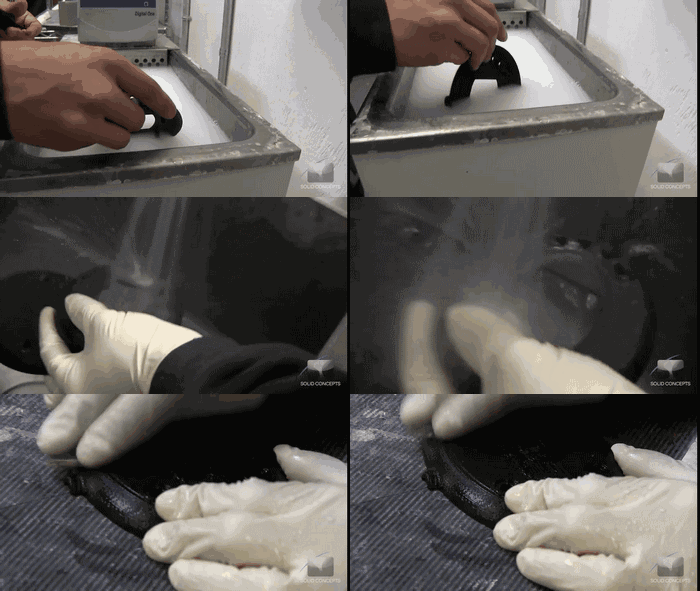
Surface Treatment
Metal 3D printing technology can be directly used for rapid prototyping of metal parts, with broad industrial application prospects. It is a key 3D printing technology developed both domestically and internationally. Below, we will share the principles of five metal 3D printing technologies: NPJ, SLM, SLS, LMD, and EBM.
6. NPJ (Nano Particle Jetting)
NPJ technology is a metal 3D printing technology developed by the Israeli company Xjet. Compared to ordinary laser 3D printing, it uses nano liquid metal, deposited in a jetting manner, with a printing speed five times faster than ordinary laser printing and excellent precision and surface roughness.
Below is the working process of the Xjet device:
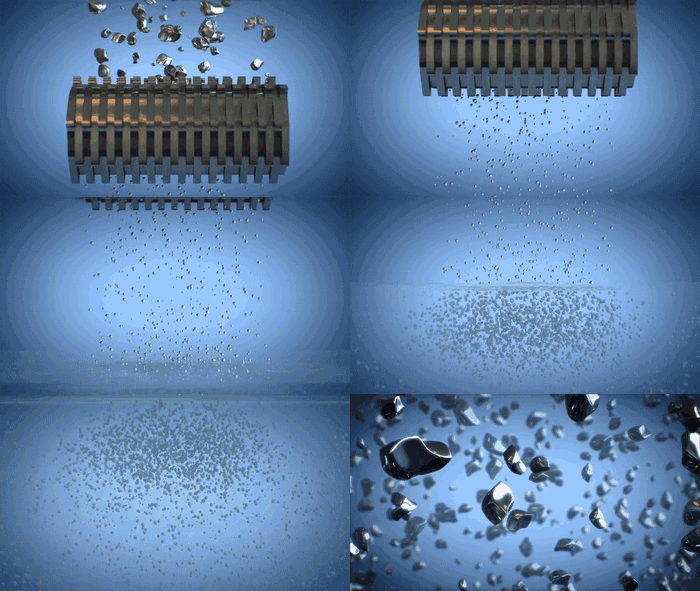
Metal Particle Refinement
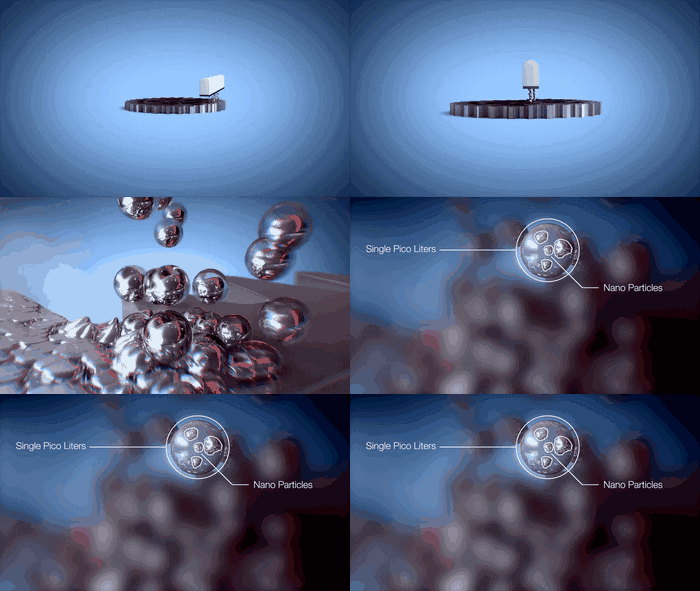
Metal Particles Distributed in Droplets

Droplet Jetting Molding Process
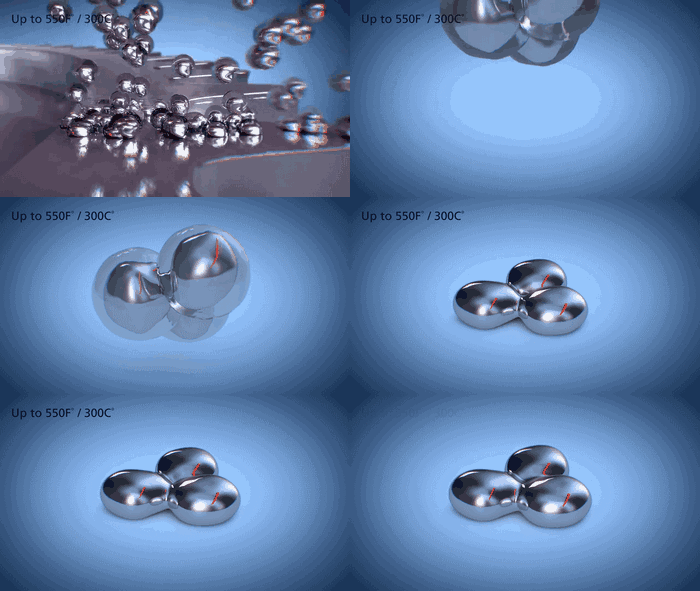
Liquid Phase Discharge Process
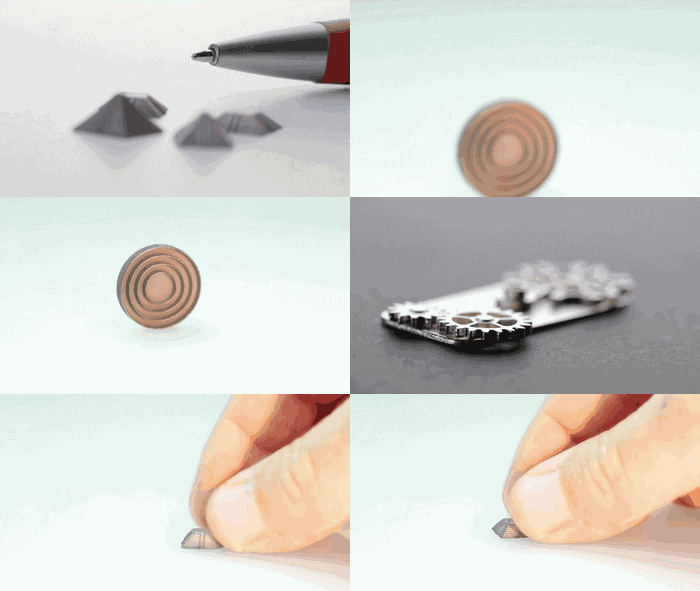
Sintered Parts
7. SLM (Selective Laser Melting)
SLM, or Selective Laser Melting, is currently the most common technology in metal 3D printing, using finely focused laser beams to rapidly melt pre-placed metal powder, directly obtaining parts of any shape with complete metallurgical bonding, achieving a density of over 99%.
The laser galvanometer system is one of the key technologies of SLM. Below is the working diagram of the galvanometer system from SLM Solutions:

Laser Emission

Laser Transmission
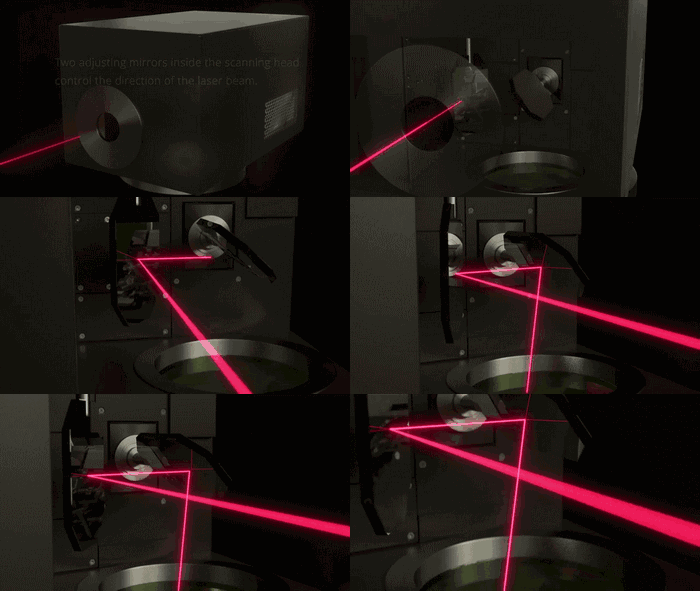
Scanning Galvanometer
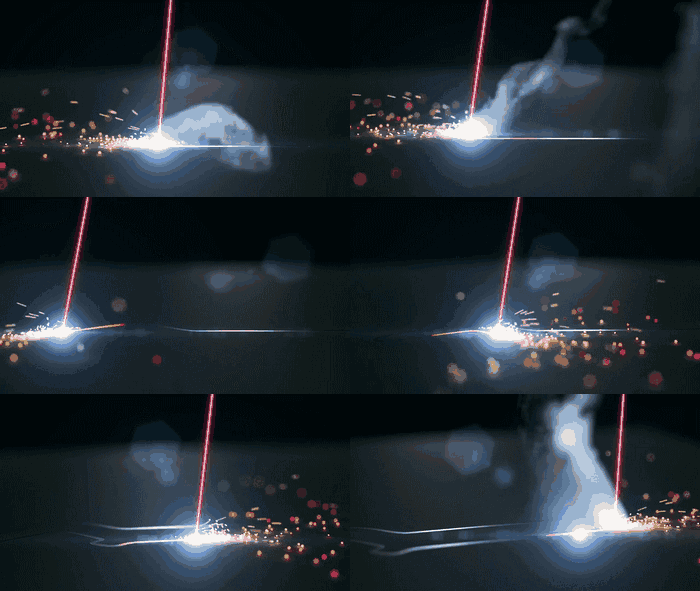
Laser Scanning Melting

Metal Powder Melting Process
During the metal 3D printing process, since the parts are usually complex, support materials need to be printed, and after the parts are completed, the supports need to be removed, and the surface of the parts needs to be treated.

Removing the Part
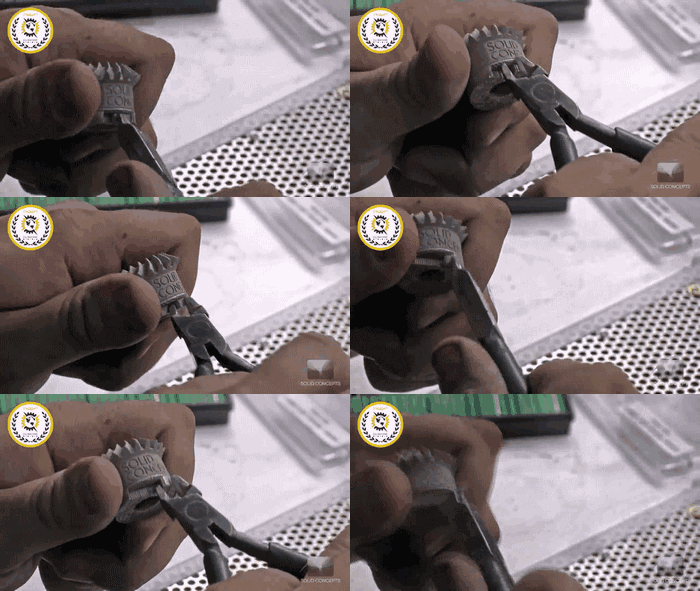
Removing the Support
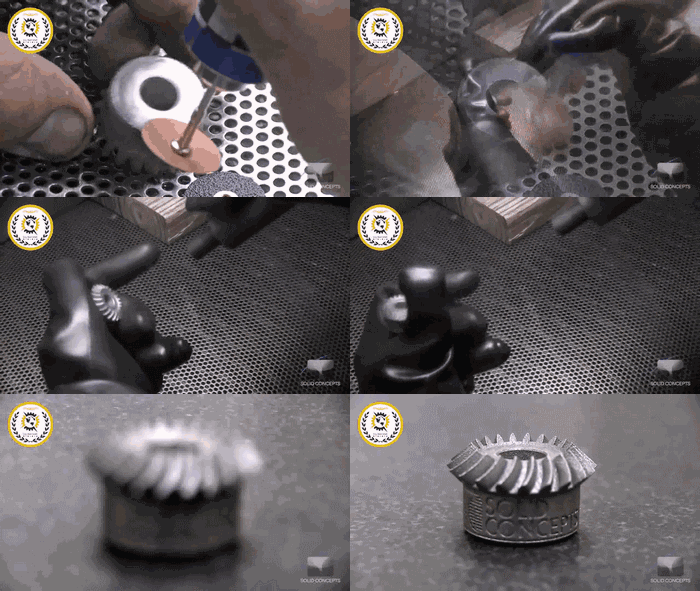
Post-Processing
8. SLS (Selective Laser Sintering)
SLS, or Selective Laser Sintering, is similar to SLM technology, with the difference being the laser power used, typically applied for 3D printing of polymer materials.
Below is the process of preparing plastic parts using SLS:
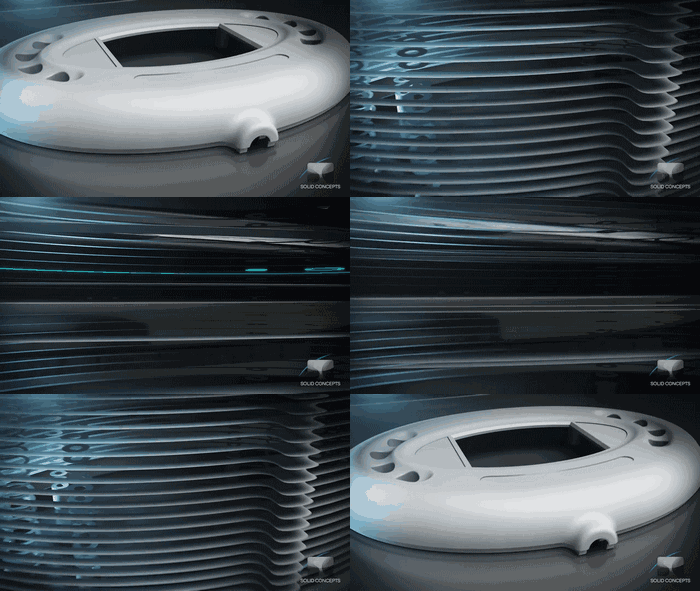
Model Layer Slicing

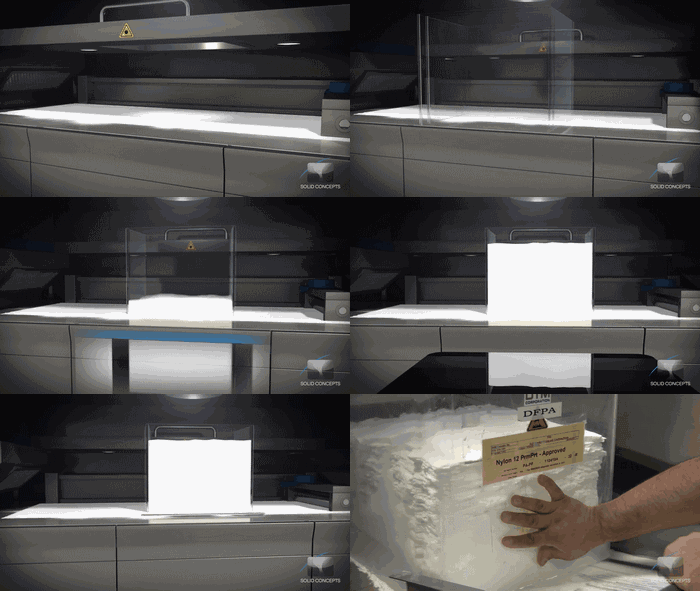
Removing the Parts

Post-Processing
SLS can also be used to manufacture metal or ceramic parts, but the resulting parts have low density and require subsequent densification treatment to be used.

SLS Manufacturing Metal Parts
9. LMD (Laser Metal Deposition)
LMD, or Laser Metal Deposition, has many names, as different research institutions have independently studied and named it. Common names include: LENS, DMD, DLF, LRF, etc. The main difference from SLM is that its powder is concentrated on the work surface through a nozzle, melted together with the laser at one point, and the powder melts and cools to form a stacked overlay.
Below is the working process of LENS technology:
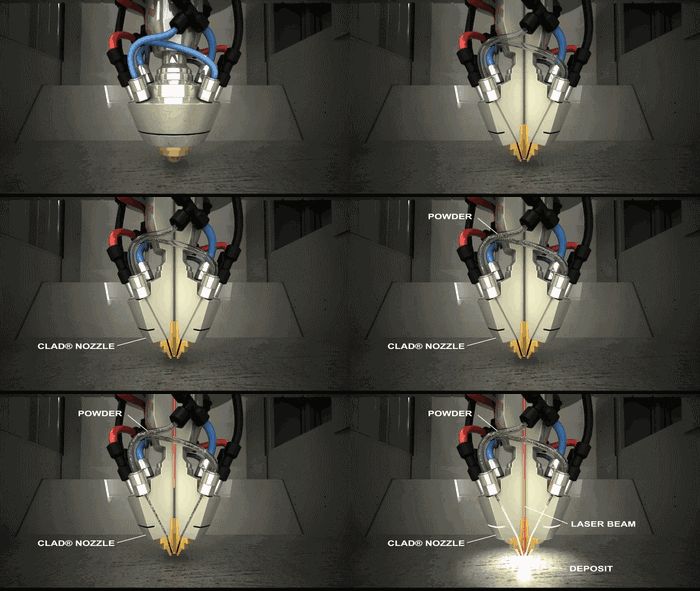
Coaxial Powder Feeding
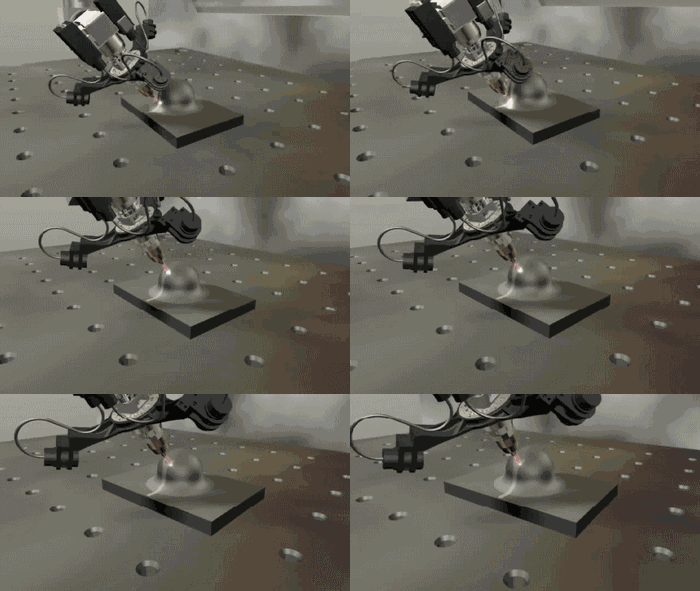
Building Process
10. EBM (Electron Beam Melting)
EBM, or Electron Beam Melting, has a process very similar to SLM, with the difference being that the energy source used in EBM is an electron beam. The energy output of EBM’s electron beam is usually an order of magnitude greater than the laser output power of SLM, and the scanning speed is also much higher than that of SLM. Therefore, during the building process, the entire build platform needs to be preheated to prevent excessive residual stress due to high temperatures during the molding process.
Below is the working process of EBM:
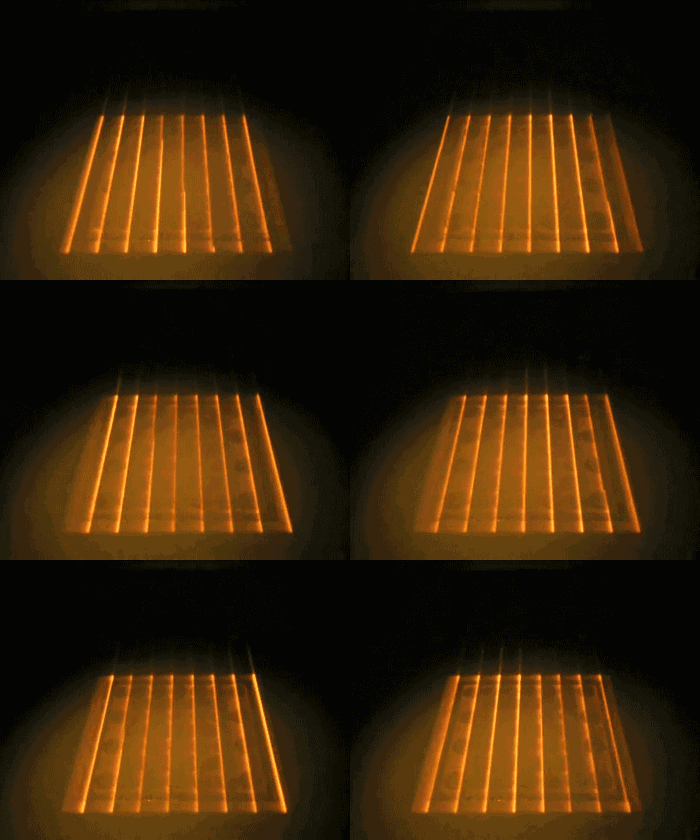
Overall Preheating
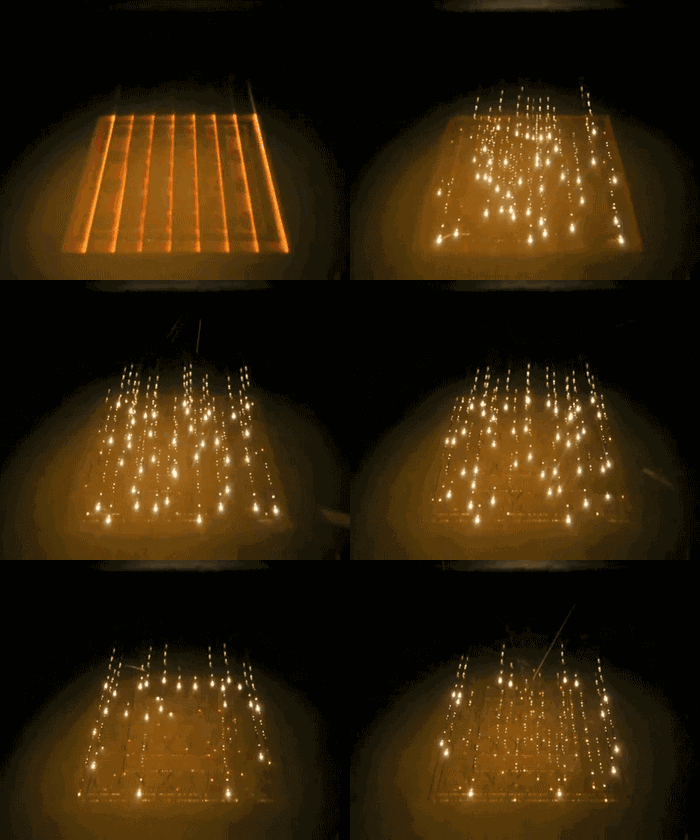
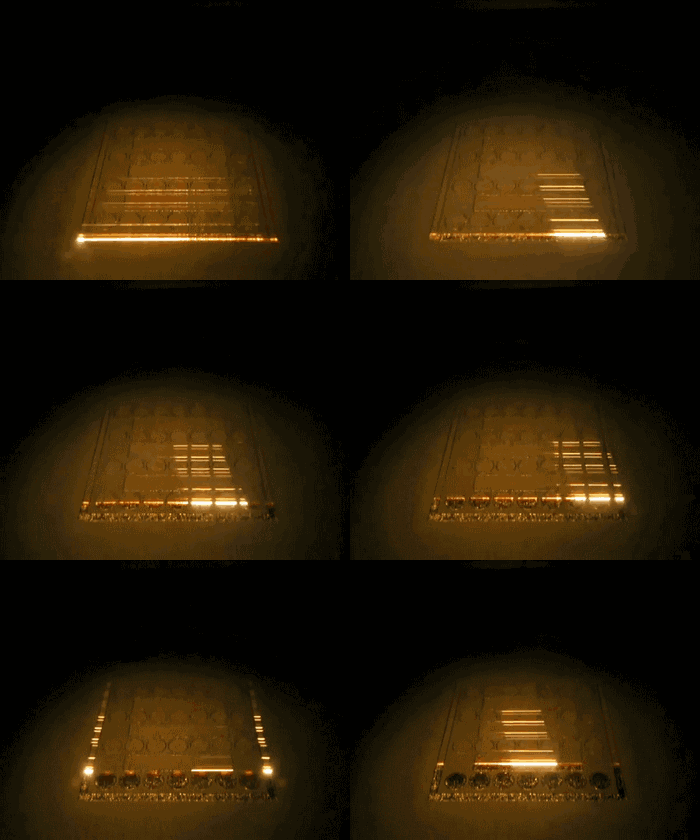
Forming Process
Changes in Powder During Melting
-End-
☞ Source: Mechanical Master ☞ Media Cooperation: 010-88379798 ext. 520 ☞ The only submission website for Metal Processing Magazine:http://tougao.mw1950.cn/

Submission Guidelines
Metal Processing (Cold Processing) magazine’s submission scope includes: processing technology schemes for metal parts in aerospace, automotive, rail transportation, engineering machinery, molds, ships, medical devices, and energy industries; design/manufacturing schemes for tooling and fixtures; design/processing schemes for cutting tools; intelligent manufacturing (programming design, optimization) schemes; as well as maintenance and renovation plans for mechanical equipment or tools.
For submissions, please contact: Han Jingchun, 010-88379790-518, 18501077977 (same as WeChat)
Submission Guidelines:Please clickMetal Processing (Cold Processing) Magazine Submission Standards
Disclaimer: If there are any copyright issues with the videos, images, or text used in this article, please inform us immediately, and we will verify the copyright based on the materials you provide and pay remuneration according to national standards or immediately delete the content!
Disclaimer: If there are any copyright issues with the videos, images, or text used in this article, please inform us immediately, and we will verify the copyright based on the materials you provide and pay remuneration according to national standards or immediately delete the content!