How to Output Analog Signals with Mitsubishi PLCs? A Step-by-Step Guide to Controlling Inverter Speed
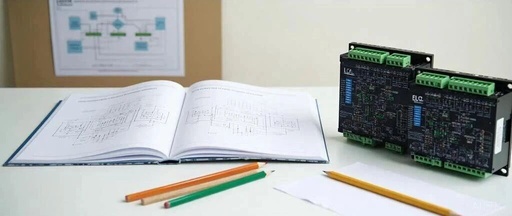
How to Output Analog Signals with Mitsubishi PLCs? A Step-by-Step Guide to Controlling Inverter Speed

In the previous issue, we discussed how PLCs “read” analog signals (such as temperature and pressure). In this issue, we will talk about how PLCs “write” analog signals—such as controlling the speed of an inverter or adjusting the opening of a valve. Many beginners find this part complex, but as long as you understand “how … Read more
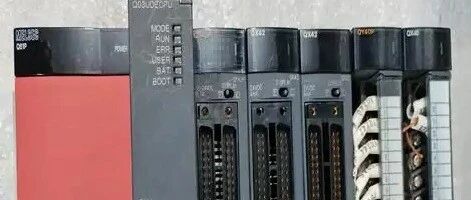

Application of Mitsubishi Q Series PLC Analog Output Module in Controlling Inverters

Application of Mitsubishi Q Series PLC Analog Output Module in Controlling Inverters

MitsubishiQSeriesPLCAnalog Output Module for Controlling Inverters Implementing0-50Hz precise speed control solutions Application Overview In industrial automation control systems, using the MitsubishiQSeriesPLCanalog output module to control inverters is a common application scenario. By controlling the inverter output frequency with analog signals (0-10V or 4-20mA), stepless speed regulation of motors can be achieved to meet various process … Read more

How to Control Mitsubishi Inverters with Mitsubishi PLC via RS-485 Communication

How to Control Mitsubishi Inverters with Mitsubishi PLC via RS-485 Communication

Recommended: 1. Share and Download | Complete Materials for Yaskawa, KUKA, ABB, FANUC! 2. 【15G】Free Siemens 200/300/1200/1500 PLC Video Tutorial Available! Limited to 200 people 3. Limited Time Download | 【10G】Complete Video Tutorials for Mitsubishi, Siemens, Omron PLC! Methods for Mitsubishi PLC to Control Mitsubishi Inverters: Using the PLC’s digital output to control the inverter … Read more

How to Implement RS-485 Communication for Mitsubishi PLC Control of Mitsubishi Inverters?

How to Implement RS-485 Communication for Mitsubishi PLC Control of Mitsubishi Inverters?

Method of Mitsubishi PLC Controlling Mitsubishi Inverter: Using the PLC’s digital output to control the inverter (i.e., connecting the PLC’s digital output directly to the inverter’s digital input, allowing the PLC to control the inverter’s start, stop, forward, reverse, and multiple speed operation at high, medium, and low speeds through programming). Using the PLC’s analog … Read more