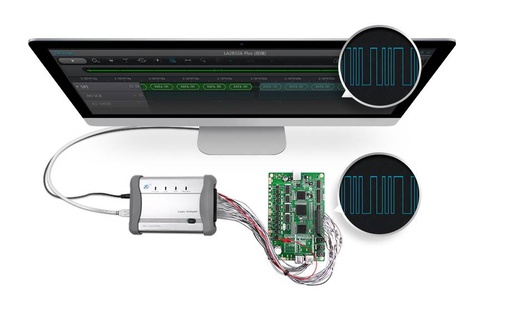
Learning High-Speed Differential Probe Design for 20G Oscilloscope
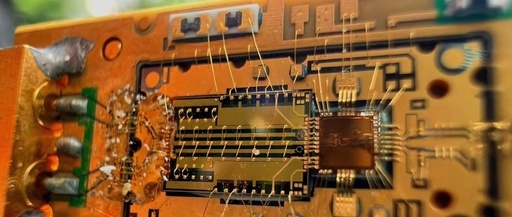
Learning High-Speed Differential Probe Design for 20G Oscilloscope

Accurate measurement begins at the probe and probe end. Probes that match the oscilloscope and the device under test (DUT) can capture complete signals into the oscilloscope for maximum signal fidelity and measurement accuracy. To measure typical signals and voltage levels, passive probes can provide easy-to-use and various measurement capabilities at a reasonable price. However, … Read more
What is the Difference Between Grounding and Ungrounding an Oscilloscope?

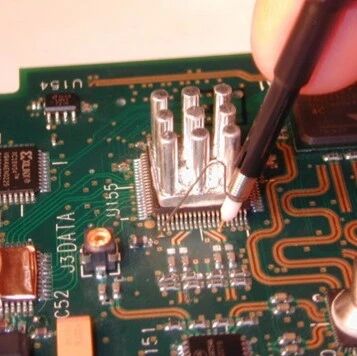
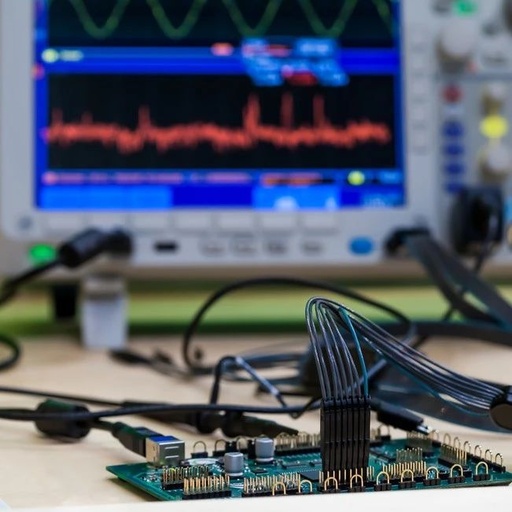
What is the Difference Between Grounding and Ungrounding an Oscilloscope?

What is the purpose of grounding an oscilloscope? Grounding serves as the reference point for all voltage measurements, ensuring that there is a known 0V voltage point in the circuit. This is crucial for ensuring measurement accuracy, suppressing noise interference, and ensuring measurement safety. It can be observed that the power cord of a desktop … Read more

How to Safely Connect an Oscilloscope to 220V AC

How to Safely Connect an Oscilloscope to 220V AC

Recently, a colleague at the company asked me: “Can an oscilloscope be directly connected to the 220V voltage between the live wire and the neutral wire? Will it blow up?” Because it indeed exploded once before, it left a lingering fear~ I believe many of you have similar questions, so today I will summarize this … Read more

Low-Cost Long-Term Monitoring Solution for RS-485 Bus

Low-Cost Long-Term Monitoring Solution for RS-485 Bus

 RS-485 is a commonly used differential communication bus, capable of long-distance transmission with good interference resistance. However, how can we monitor the communication process for several hours or even days in the face of occasional faults during communication? 1. Testing Requirements Low-cost long-term monitoring of RS-485 bus communication. 2. Testing Challenges The RS-485 is … Read more