Nowadays, more and more cycling helmets use the MIPS protection system, such as Bontrager, Giro, Scott, etc. Helmets equipped with the MIPS protection system often cost about two hundred more than the standard versions. However, many cyclists wonder what MIPS actually is and what its purpose is.
MIPS is actually a very inconspicuous multi-directional impact protection system, located between the foam and the liner inside the bicycle helmet, which reduces rotational forces during an impact. This technology was first designed in the mid-1990s and is an example of academic research turning into a commercial product; cheese is power.

The connection between medical academic research and bicycle products is intriguing. The inventors of MIPS are two Swedish scientists. One of the inventors, Hans von Holst, is a neurosurgeon at the Karolinska University Hospital in Stockholm. After seeing several surgical cases of brain injuries despite wearing helmets, he collaborated with engineer Peter Halldin from KTH Royal Institute of Technology to develop a brain protection system.
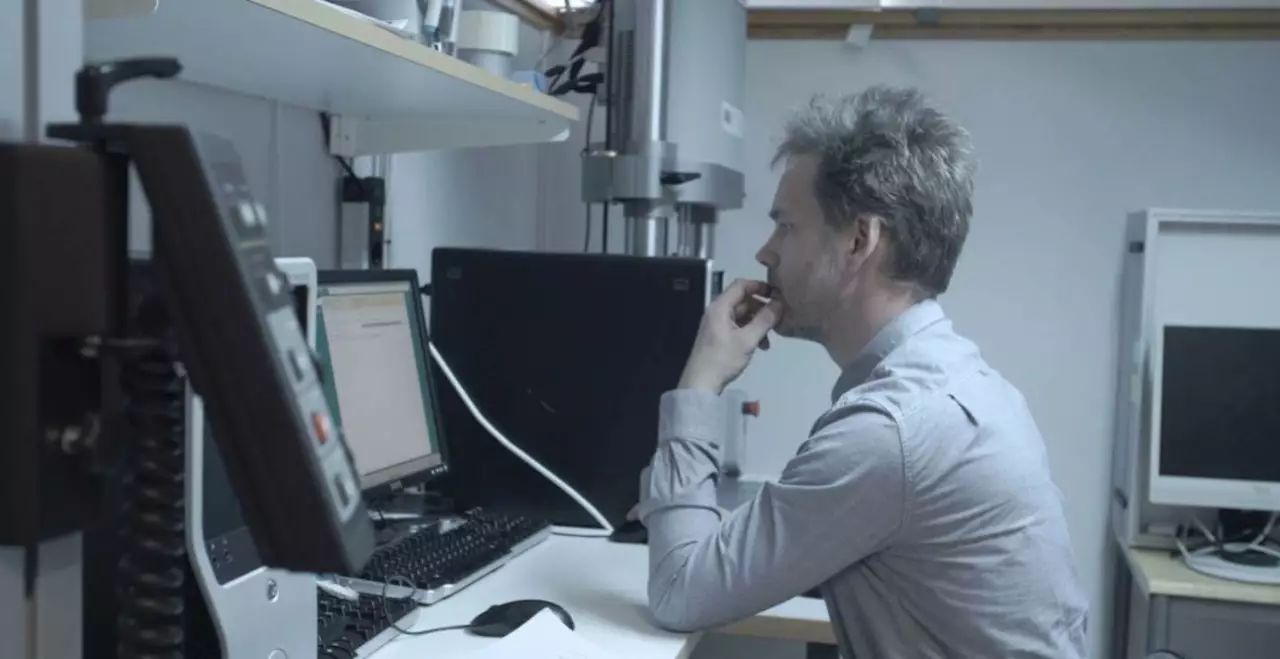
The final implementation of the MIPS concept depended on a multidisciplinary approach. Peter Halldin’s engineering experience was crucial for designing a product that mimics the brain’s dura mater. These experiments were conducted in collaboration with Nigel Mills’ laboratory, which had the necessary equipment to test the effectiveness of the MIPS concept. The police helmet was the first application of the low-friction layer, and the results were published in 2001.
The researchers addressed the issue of angled impacts and measured the rotational forces on the head. By positioning the low-friction layer between the head and the helmet, they were able to reduce the rotational forces by up to 50%, which can lower the risk of concussion by 50%. Von Holst and Halldin applied for a patent for the MIPS concept in 2002, which was officially granted in 2003.
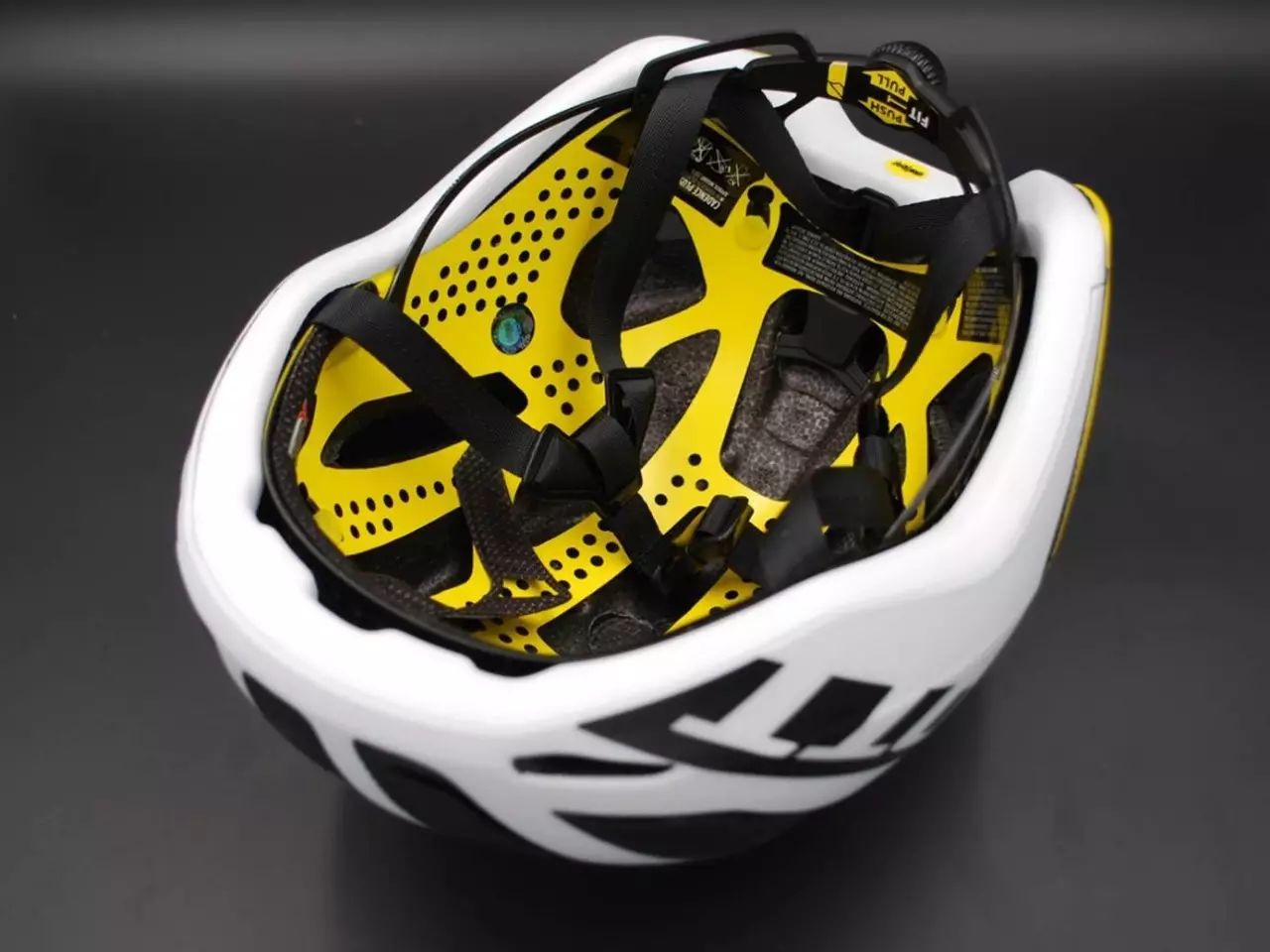
The MIPS protection system is relatively expensive and faced many challenges in the market in its early years. Eventually, Scott became the first bicycle helmet brand to collaborate with MIPS, as some users were willing to pay more for increased safety. Therefore, MIPS is often found in higher-end helmets. All MIPS products are made in China, as most helmets are also produced there. After helmet manufacturers place orders with MIPS, the company produces MIPS specifically modified for their helmet styles and then ships the individual MIPS to manufacturers for final production. Currently, the MIPS used in helmets is the second-generation version.
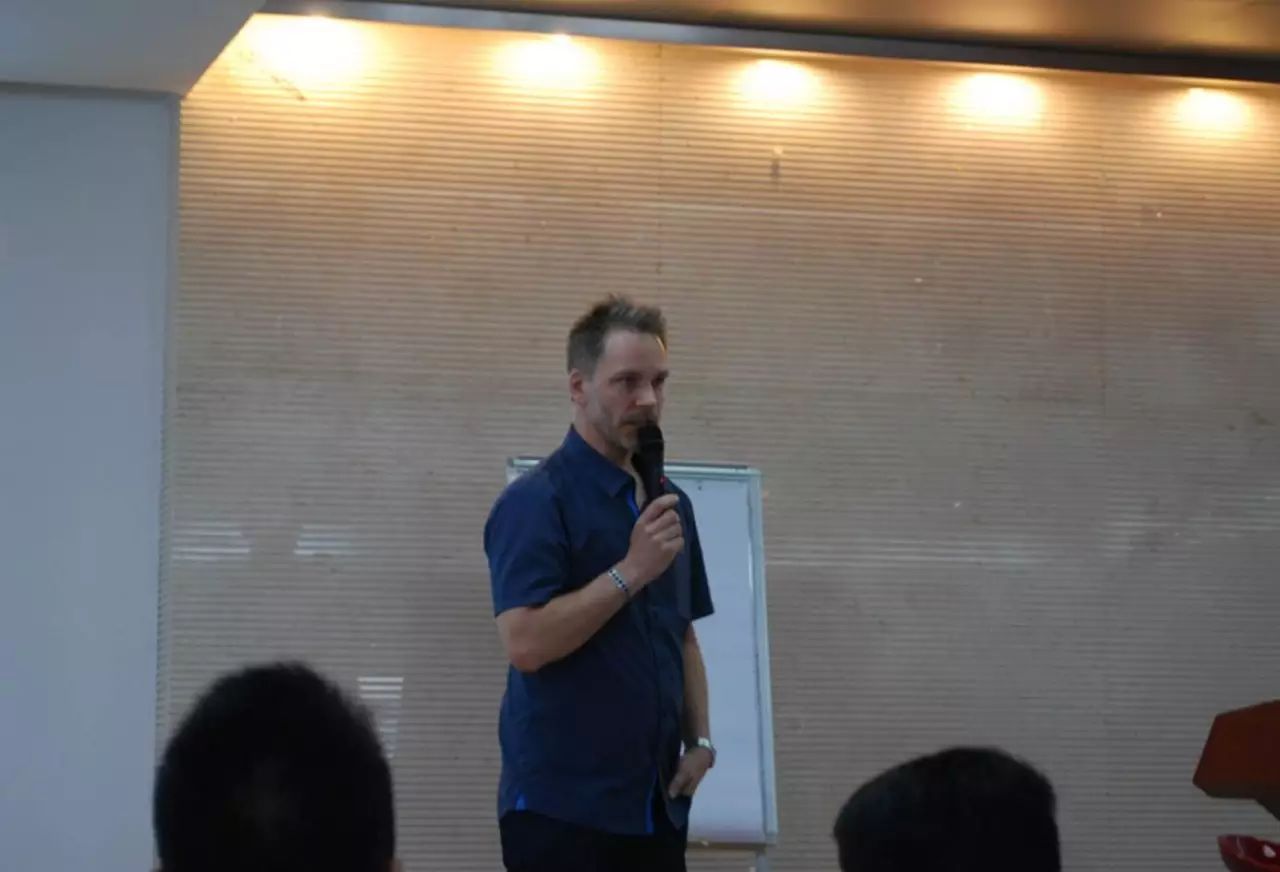
At this year’s MIPS seminar, we were fortunate to have Professor Peter Halldin explain the system to us personally. Does he look a bit older than in the photos? The photos were taken years ago and have been digitally enhanced.
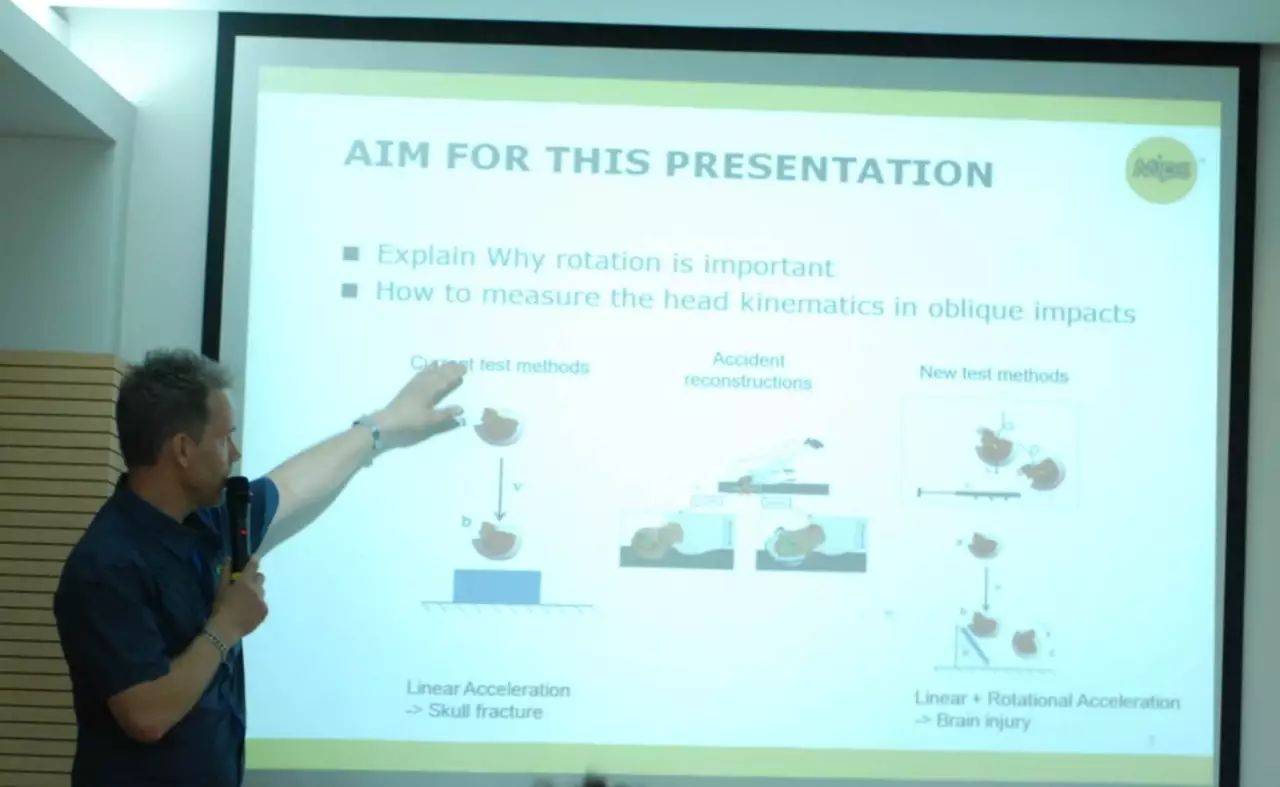
According to the current helmet quality inspection standards in Europe and the US (with slight differences in EU standards, US standards, Chinese standards, etc.), the standard is based on the CEN TC158-WG11 experiment, where helmets are subjected to vertical impacts at free fall speeds of 5-10 m/s without damage, effectively protecting the skull.
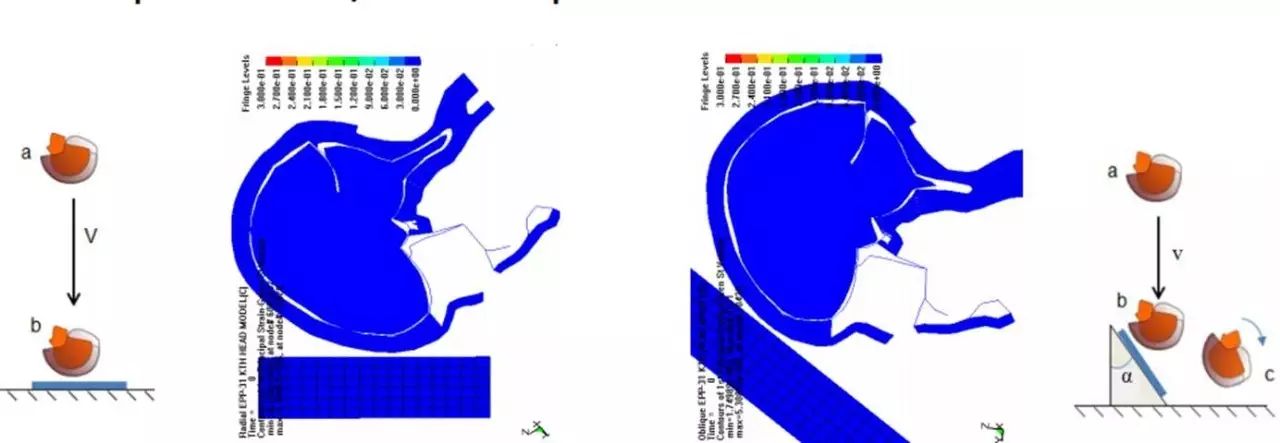
However, in actual cases, direct vertical impacts to the ground are quite rare. During cycling, most impacts are lateral, so we set the experimental standard at 6.5 m/s, impacting at a 45° angle with the road.
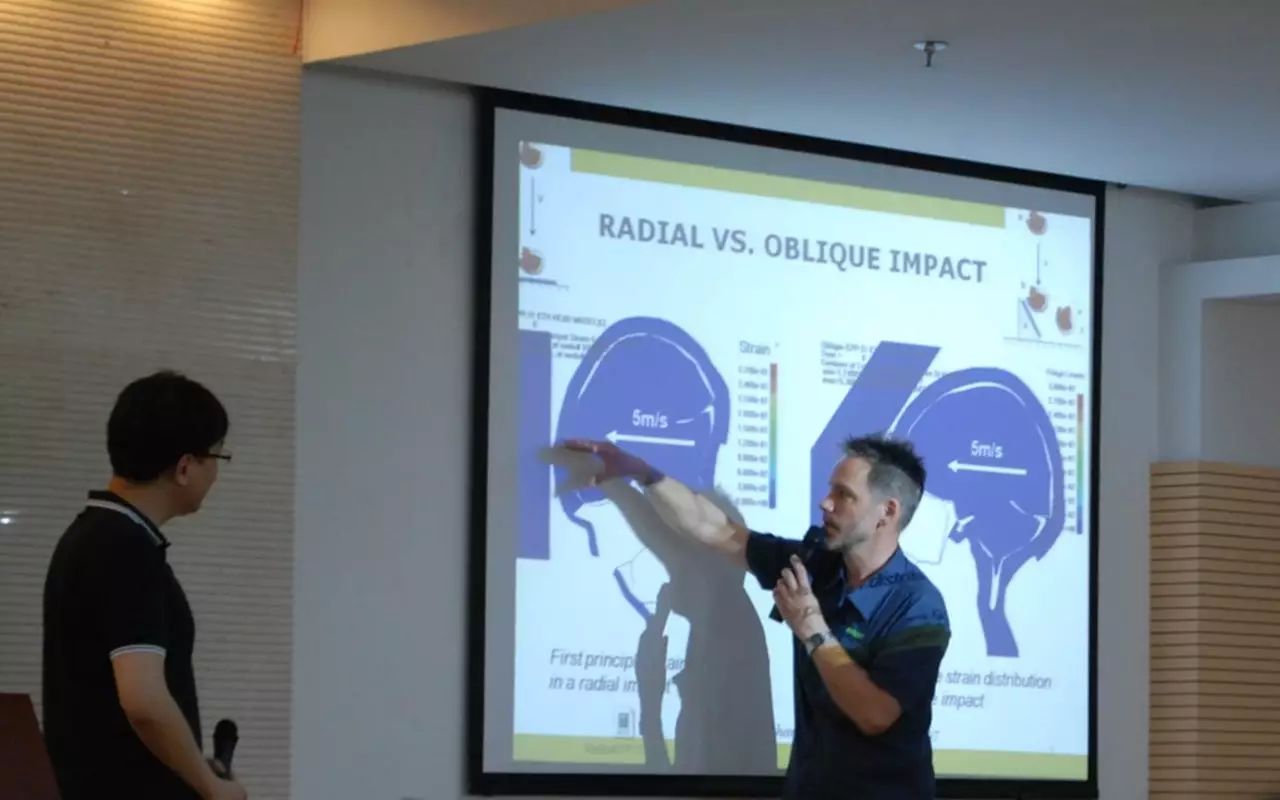
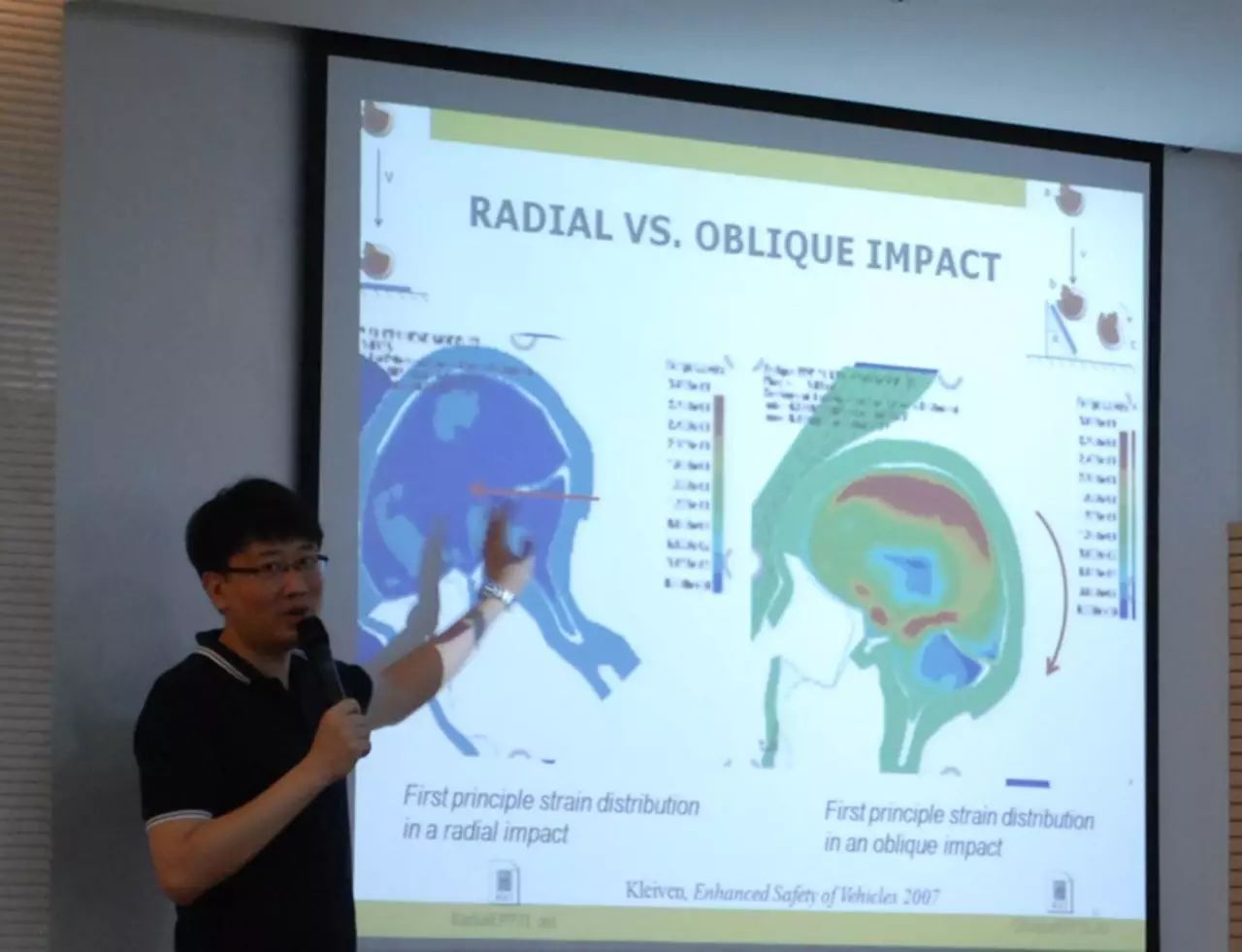
At 5 m/s, the pressure distribution maps for radial and angled impacts are shown.
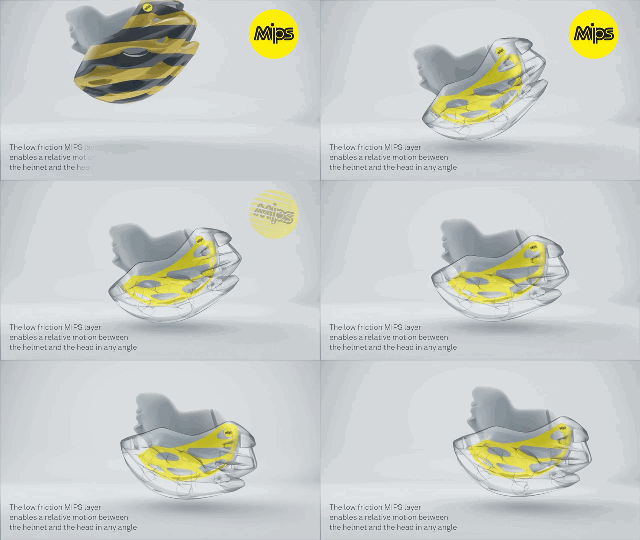
How does MIPS work? This GIF clearly demonstrates the shock-absorbing effect of MIPS under angled impacts, thus protecting the brain tissue inside the skull.
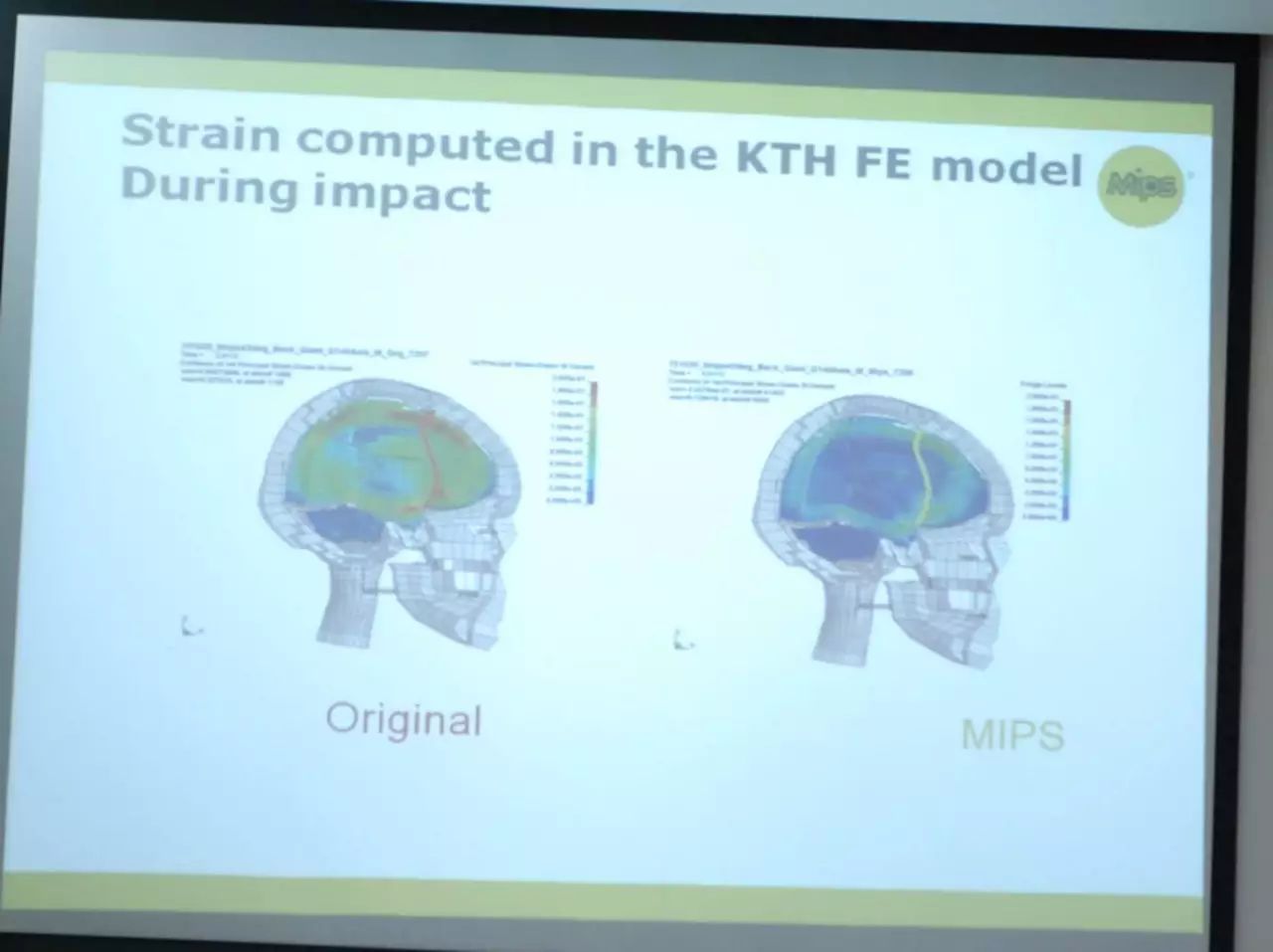
The finite element analysis of brain impacts conducted in the laboratory of KTH Royal Institute of Technology shows the intracranial pressure maps, clearly indicating that helmets equipped with the MIPS protection system experience significantly less impact on the brain, greatly reducing the likelihood of concussions.
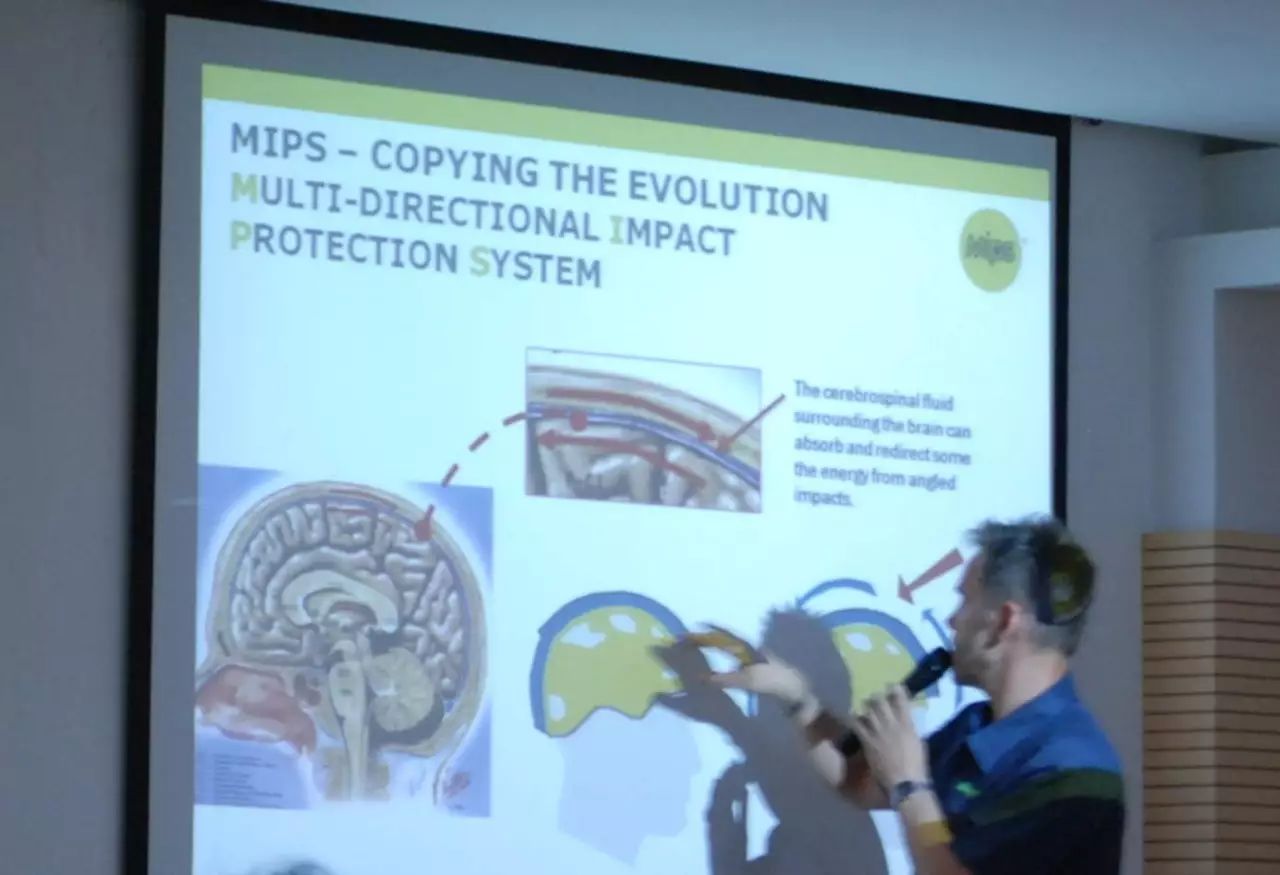
M.I.P.S. fills a low-damping material between the inner and outer layers, allowing the helmet’s outer shell to move relative to the inner layer, similar to how the brain floats in cerebrospinal fluid. The head effectively “floats” within the helmet, limiting the direct transmission of shock to the brain.
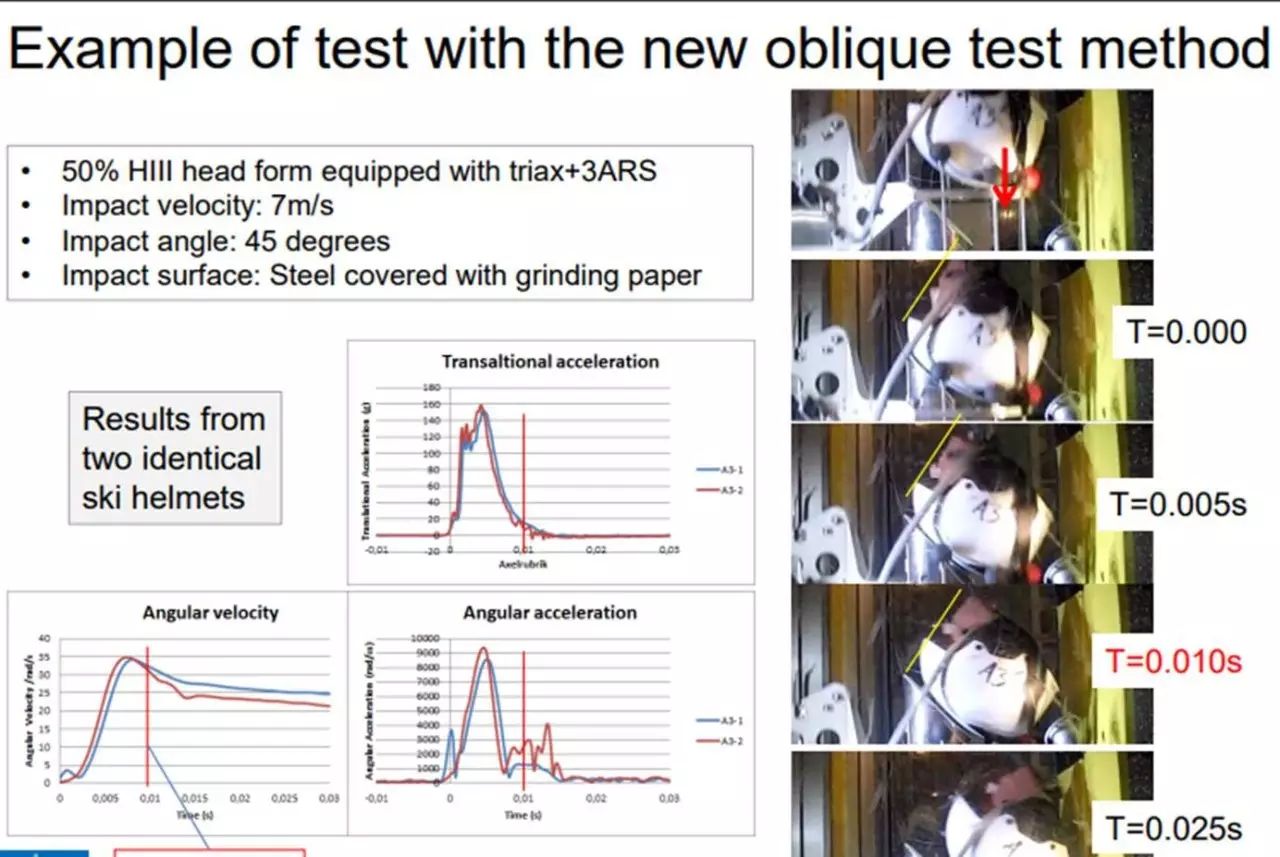
MIPS is also working to develop angled impact testing into a new international standard, as helmets equipped with the MIPS protection system clearly outperform traditional helmets in this test. Currently, other companies have also designed protection systems similar to the MIPS concept, aimed at reducing the impact force of angled collisions; there are many roads leading to Rome. We also visited the factory to observe various helmet impact tests; unfortunately, due to the involvement of several major companies and their unreleased new products, we could not film the testing process. In the spirit of mutual trust, we were allowed to take some pictures, but were instructed not to make them public, so we apologize for not being able to share them with everyone.
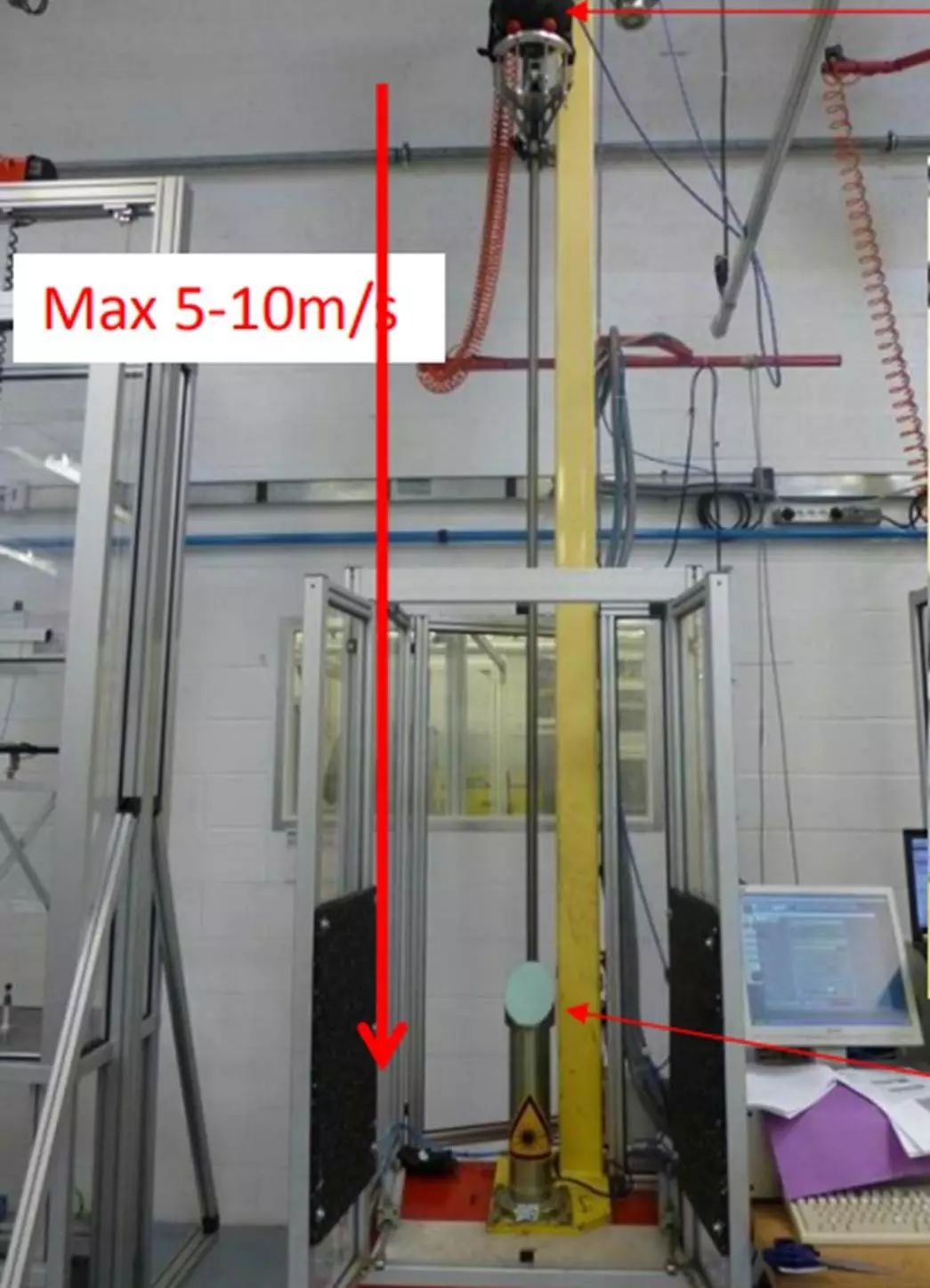
The images were taken in Guangdong, where this is the testing machine capable of conducting angled impact tests, and can also be modified for frontal impact tests. Regular brand helmets undergo frontal impact testing, while counterfeit products are not accepted for testing by legitimate testing organizations. Currently, brands using MIPS in cycling helmets include ABUS, BELL, Oakley, LAZER, Bontrager, Specialized, GIRO, POC, Scott, Easton, ESSEN, 661, FOX, LIMAR, SMITH, zerorh+, and others; this is not an exhaustive list, and specific brands can be found on the MIPS official website, which includes many well-known brands. MIPS has successfully been applied in cycling, skiing, equestrian, motorcycle, motocross, automotive, hockey, soccer, and military helmets.
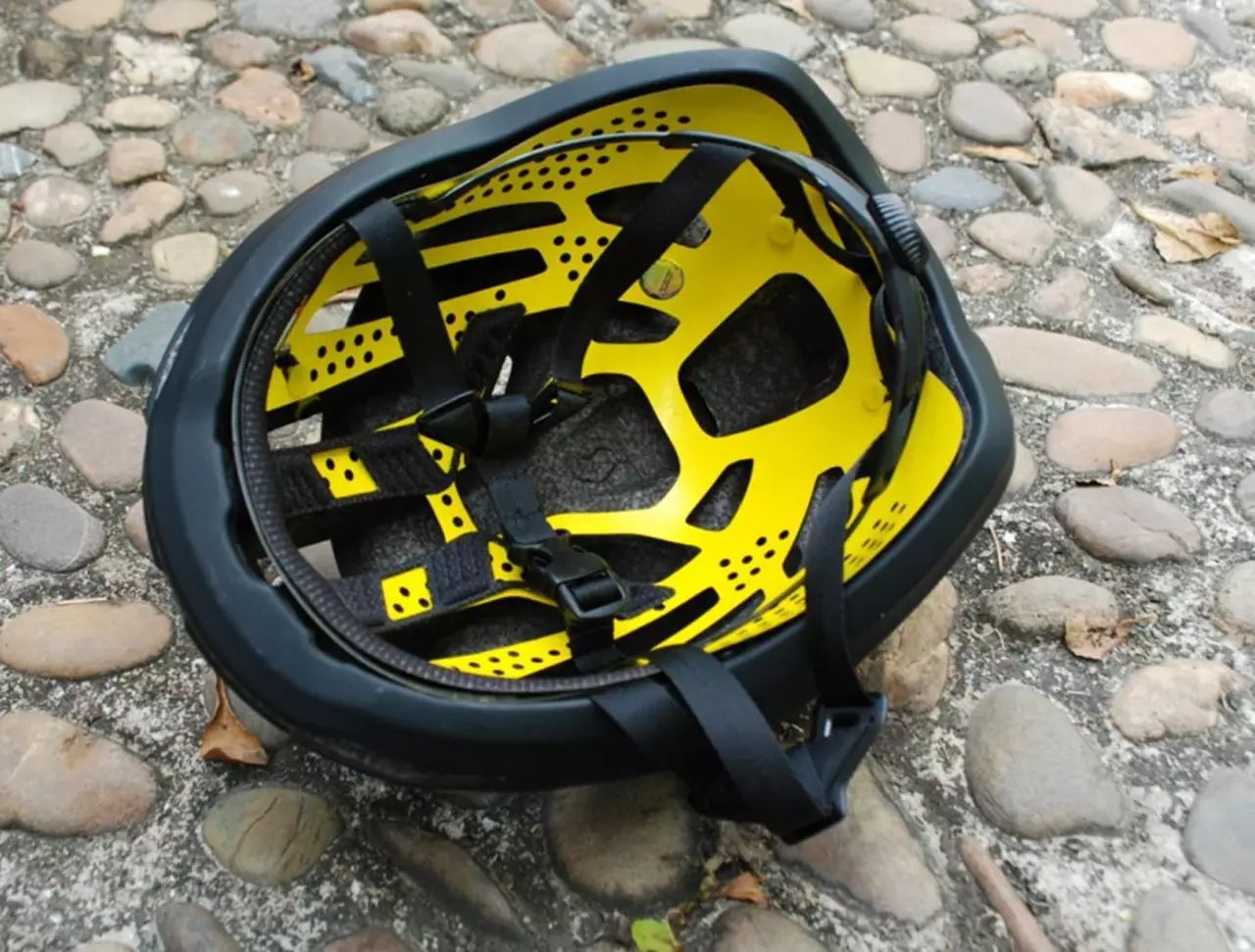
For cycling helmets, some cyclists question whether they are heavy and hot. In reality, the MIPS layer changes shape with the helmet’s exterior and incorporates numerous hollow designs, typically adding 15-25g to the weight of standard road helmets. It is not to say that helmets without MIPS do not provide protection; any helmet that passes standard quality testing can offer head protection. Interested students can privately message the author for related papers and reports on the MIPS protection system for brain protection; it may be a bit challenging for those without relevant knowledge.
Some images are from MIPS official sources and taken at the MIPS China seminar.
Editor and image copyright: Island Wild Intestine Powder