The Industrial Internet of Things (IIoT) platform is a digital platform that connects industrial devices, collects data, and utilizes cloud computing, big data, and artificial intelligence technologies to achieve device monitoring, predictive maintenance, production optimization, and resource management. Its aim is to enhance industrial efficiency, reduce operational costs, and promote intelligent transformation.
There are numerous industrial IoT platforms, and here are some common platform introductions:

Leading Domestic Industrial IoT Platforms
1. RootCloud Platform
· Supports over 1,100 industrial protocols, features device modeling, low-code development, and edge computing capabilities, widely used in remote monitoring, operation and maintenance, and production optimization of manufacturing equipment.
2. Alibaba Cloud IoT
· Based on Alibaba Cloud infrastructure, it provides device management, data analysis, and AI capabilities, supporting the entire ecosystem of “cloud management at the edge,” covering smart cities, manufacturing, automotive, and other fields.
3. Huawei Cloud IoT (OceanConnect)
· Combines 5G and AI technologies, focusing on smart manufacturing and the energy industry, supporting industrial protocol compatibility and one-stop device management.
4. Baidu Smart Cloud TianGong AIoT
· Empowers industrial scenarios with “cloud intelligence integration,” supporting predictive maintenance and process optimization, covering industries such as manufacturing, transportation, and home automation.
5. XCMG HanCloud
· Ranked among the top ten globally for key platform capabilities, it rose to second place domestically in 2023, serving the digital transformation of construction machinery and manufacturing industries.
6. Kaos COSMOPlat (Haier)
· For five consecutive years, it has ranked first among national “dual-cross” platforms, covering 15 industries including home appliances, energy, and automotive, supporting personalized customization and digital twins.
7. Aerospace Cloud Network INDICS (Aerospace Science and Industry Corporation)
· Constructs a service system of “one brain, one cabin, two rooms, and two stations,” covering smart manufacturing and industrial big data.
8. Inspur Cloud Zone
· With “connectivity, security, and modeling” as core capabilities, it promotes the assetization of industrial data.
9. Shuzhino Industrial IoT Platform
· Focuses on industrial device connectivity and data collection, supports over 1,100 industrial protocols, and provides remote monitoring, fault warning, and data analysis services.
Internationally Renowned Industrial IoT Platforms
1. Siemens MindSphere
· Focuses on the industrial IoT, supports digital twins and edge computing, widely used in the digital transformation of the manufacturing industry.

2. PTC ThingWorx
· Designed specifically for industrial scenarios, supports remote asset monitoring and real-time data analysis, helping enterprises achieve smart manufacturing.
3. GE Predix
· An early representative of industrial IoT platforms, providing device connectivity, data analysis, and application development capabilities, serving industries such as energy and aviation. These platforms each have unique characteristics in terms of technical capabilities, application scenarios, and industry coverage, allowing enterprises to choose suitable platforms based on their needs.
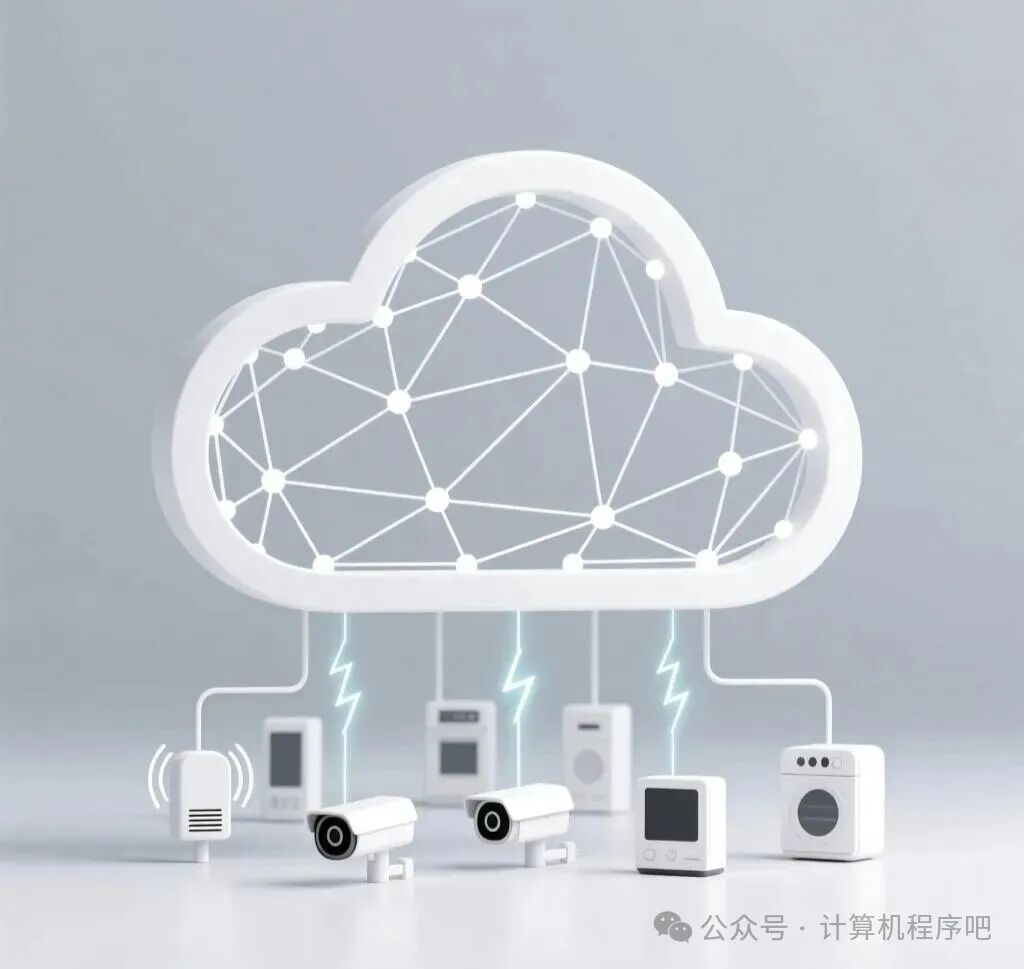
There are significant differences between domestic and international industrial IoT platforms in terms of application scenarios, enterprise composition, and global layout: domestic platforms are often led by leading manufacturing enterprises, focusing on large-scale system integration and model innovation, with complex application scenarios and significant investment, primarily serving domestic enterprises; while international platforms are centered around IT companies, focusing on digital business innovation, quickly addressing pain points through small and precise solutions (such as IoT device modules), and actively expanding into global markets.
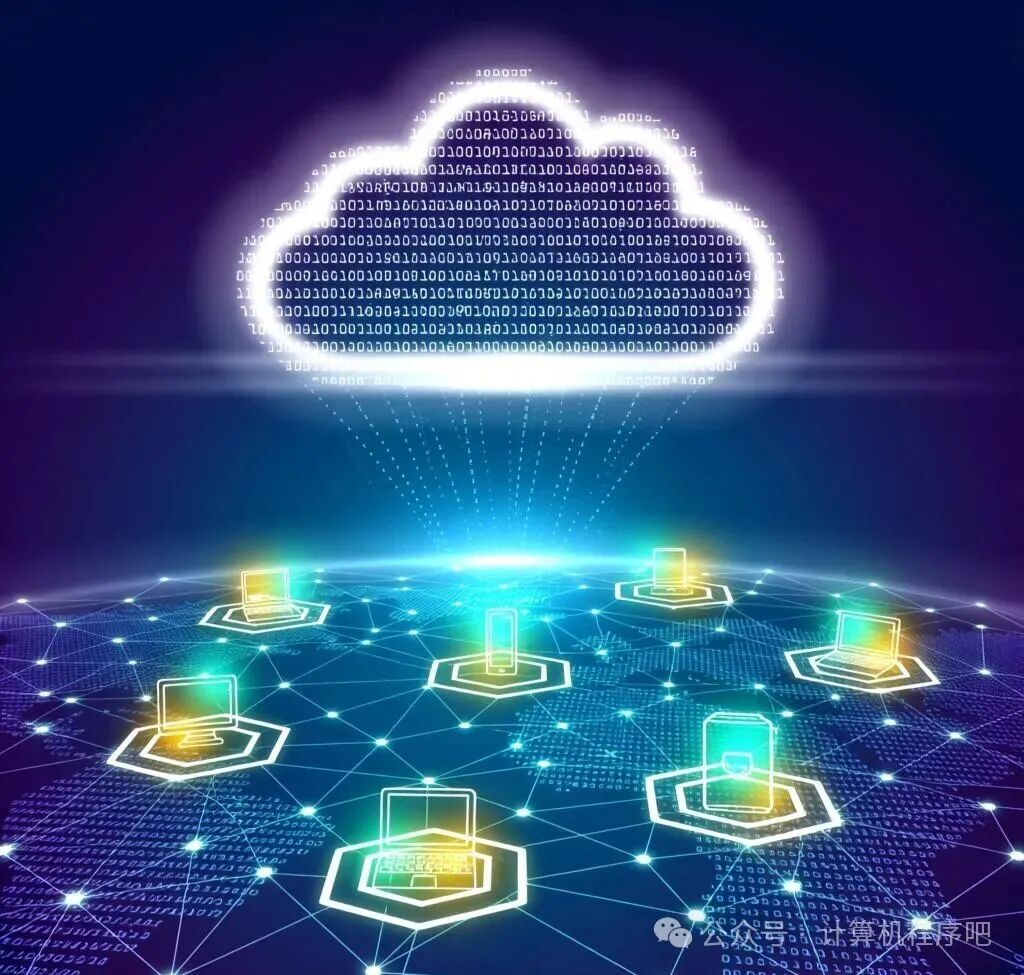
Additionally, domestic platforms tend to integrate resources from multiple departments to break down information silos, while international platforms focus more on the development of new products/services based on IoT, with both having unique characteristics in terms of technical paths and ecosystem construction.