Industrial IoT: A New Direction for Digital Enterprises
[Author’s Note] This article is based on the author’s speech delivered on March 7, 2019, at the “Path to Digital Transformation Summit” organized by PTC, which aims to explain how to apply industrial IoT technology to drive digital transformation in enterprises. The full text is published with images for readers’ reference.
Good morning, colleagues and experts!
First of all, I would like to thank PTC for providing this platform for me to share my understanding of industrial IoT. We often say that informatization is an improvement for enterprises, while digitization is a transformation. Regarding how this transformation can be driven, industrial IoT technology should play a significant role in the next decade. Recently, the national level has held the two sessions. During the two sessions, the biggest benefit to the manufacturing industry is the reduction of the value-added tax rate from 16% to 13%, which not only shows the government’s strong support for the manufacturing sector but also indicates that China’s manufacturing industry is facing severe issues. According to experts, the development momentum of enterprises is undergoing a transformation and upgrade, shifting from low-quality growth to high-quality growth, transitioning from ‘Made in China’ to ‘Quality and Intelligent Manufacturing in China.’ Specifically, this means upgrading productivity from being based on low-cost production factors to optimizing production methods and production relationships.
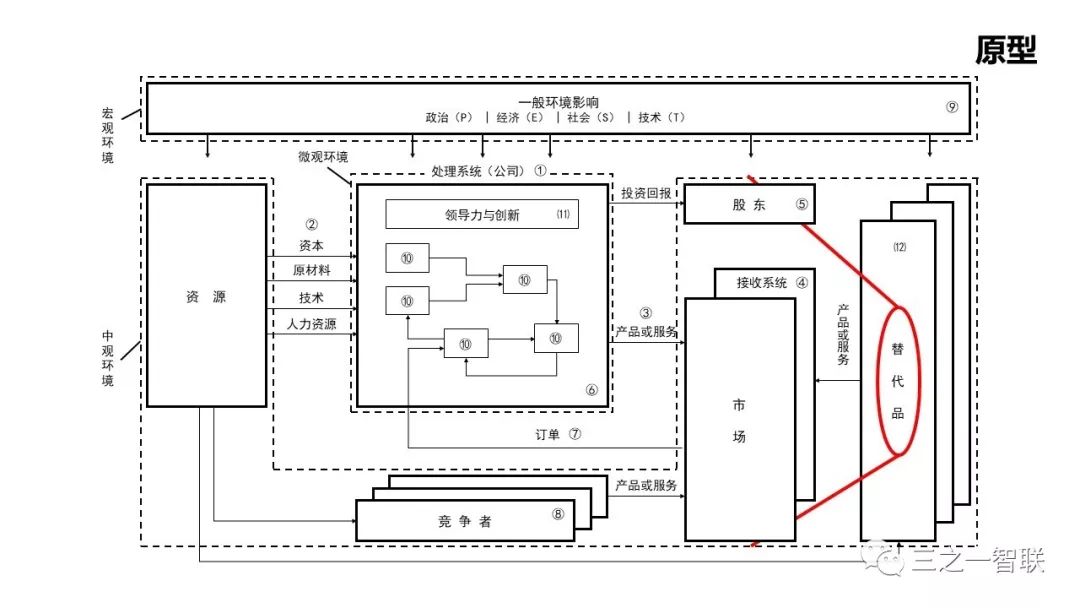
Figure 1: Enterprise Operation Principle Model
As shown in Figure 1, an enterprise functions as a processing system that obtains resources such as capital, raw materials, technology, and labor from upstream, then transforms them into products and services required by customers through its capabilities, thus creating enterprise value. In the past, the productivity of Chinese manufacturing was primarily built on low-cost production factors, such as leveraging local investment promotion policies to obtain low-cost land, water, electricity, gas, and tax incentives, and utilizing the demographic dividend to secure low-cost labor resources. Additionally, there was a reluctance to invest significantly in environmental protection for industrial emissions. In recent years, with rising prices of raw materials, the disappearance of the demographic dividend, and increasing government efforts in environmental protection, the low-cost production factor approach has become unsustainable, leading many manufacturing enterprises to feel that making profits is becoming increasingly difficult. The transformation of enterprise development momentum requires companies to shift their focus on enhancing productivity from acquiring low-cost production factors to optimizing production methods and relationships. The essence of smart manufacturing is to optimize the production methods of enterprises, while the essence of Internet+ is to optimize the production relationships within enterprises. Internet companies like Alibaba, Didi, and Meituan have rapidly grown because they optimized industry production relationships through internet technology.
Another typical transformation brought about by digital technology is cross-industry competition, which not only complicates business models and intensifies competition but also poses new challenges to enterprise capabilities. Taking the automotive industry as an example, traditional automotive manufacturers face competition not only from new entrants but also from various mobility services. If we extend the essence of automotive products to the realm of mobility services, companies like Didi, Shenzhou Car Rental, high-speed rail, subways, and Mobike are all competitors in the automotive industry, and this evolution of cross-industry competition is just beginning. I believe that from a technological perspective, autonomous driving will be a key stage in the future of automotive development, and the core of autonomous driving lies in IoT (Vehicle-to-Everything), big data, artificial intelligence, edge computing, and 5G information and communication technologies. Consequently, traditional automotive manufacturers’ biggest competitors will come from internet and high-tech companies like Apple, Google, Amazon, Alibaba, Baidu, and Huawei. Traditional automotive companies excel in manufacturing physical products, while internet and tech companies excel in IT/CT. The determining factor will be which side has a longer learning curve and a higher technological barrier. In my view, the learning curve and technological barriers for IoT, artificial intelligence, and other IT/CT fields are higher than those for manufacturing physical products. Therefore, in the future, it is likely that internet and high-tech companies will hold an advantage in overtaking the competition.
Looking back at the so-called new forces in car manufacturing that have been in the spotlight in recent years, many new entrants have joined an already oversaturated car manufacturing market. The feasibility of this can be attributed to two main reasons: one is that electrification is a necessary stage for the development of autonomous driving technology. Autonomous vehicles are filled with sensors, actuators, and software systems, requiring the vehicle to always be powered on. New entrants are entering the market through electric vehicles as a means of competitive repositioning; the second reason is the belief that electric vehicles lack traditional components like engines and transmissions, making their structure simpler and lowering the entry barrier for new participants. However, once they actually enter the market, many have found this latter viewpoint to be incorrect: compared to traditional internal combustion vehicles, electric vehicles are not simpler but rather more complex. The key reason is that while electric vehicles have fewer mechanical components, they have more electronics and software, which are significantly more complex in terms of testing, validation, system upgrades, and quality assurance. Currently, many new entrants have products on the market, but some have faced frequent quality issues, largely due to software system upgrades. A recent industry story describes how a certain brand’s vehicle underwent a software upgrade while driving, rendering it inoperable for nearly two hours on Chang’an Street in Beijing, highlighting the new problems brought about by new products.
With the advancement of technology, not only cars but also most industrial goods like machinery, household appliances, and mobile phones are becoming integrated products of mechanics, electronics, and software, with an increasing proportion of software components. Strictly speaking, the boundaries between mechanical products, electronic products, and software products are becoming increasingly blurred, and it can even be said that all industrial enterprises will transform into software companies. On February 25, Volkswagen established a new department: Digital Car & Service, positioning itself as a software-driven automotive company, which aligns with this change.
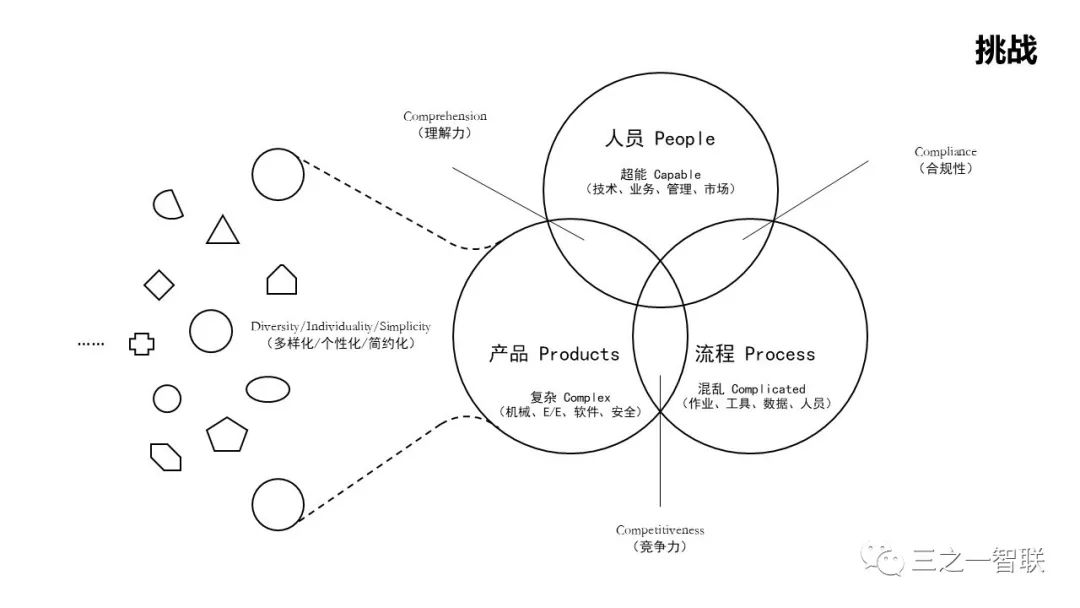
Figure 2: New Challenges Facing Enterprises
On one hand, product functionalities must cater to increasingly diverse, personalized, and simplified customer needs; on the other hand, the trend of integrating mechanics, electronics, and software in product structure is becoming increasingly evident. This poses new challenges to enterprises, especially in product development, process construction, and personnel organization.
(1) In product development, products are becoming increasingly complex. The integration of mechanics, electronics, and software brings not only compatibility and reliability issues but also safety concerns.
(2) In terms of business processes, if not effectively managed and governed, business processes will become increasingly chaotic. The increasing types and quantities of new operations such as the development and validation of electronics, software systems, etc., raise higher demands for deliverables and data management, tool application, and regulatory compliance.
(3) In personnel organization, the fragmentation of market demand, product complexity, and disorderly processes impose higher requirements on personnel capabilities. Employees in enterprises need to understand not only technology but also management and market dynamics, resulting in a more complex competency model for job roles.
If these changes are not effectively addressed, enterprises will gradually fall behind in market competition. In the new situation, enterprises need new thinking and methods. In fact, enterprises have been continuously making beneficial attempts in areas such as product modeling and management transformation.
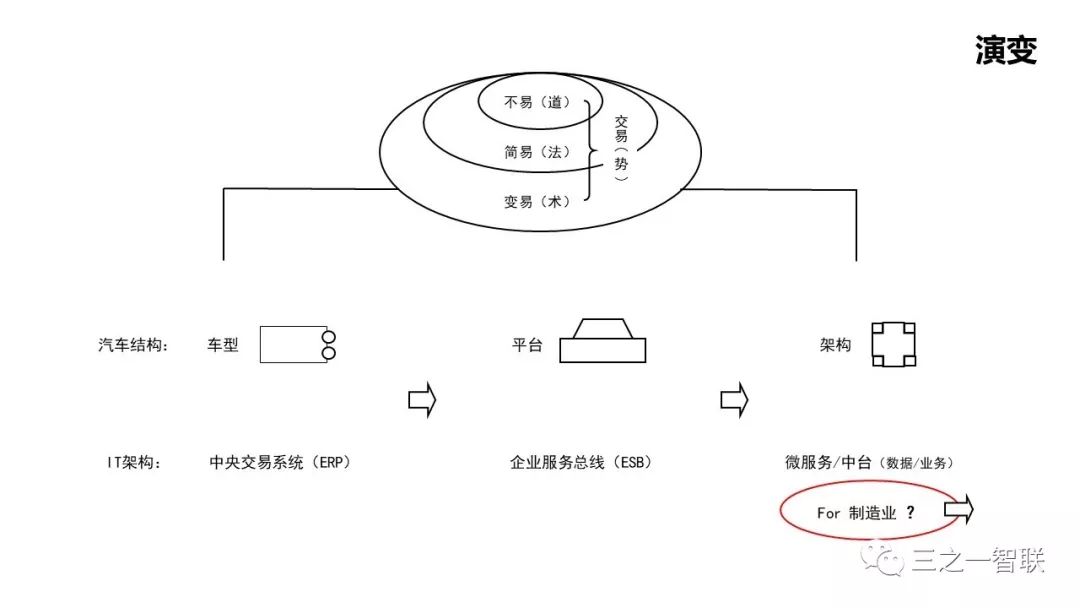
Figure 3: Evolution of Product Organizational Forms
The only constant in the world is change. To cope with environmental changes, ancient wisdom in China, as expressed in the “I Ching,” guides people’s practices through the four changes: the unchanging, the simple change, the changing, and the transaction. Perhaps we can seek some inspiration from the four changes in the “I Ching.”
In fact, to respond to the diverse and personalized market demands, the automotive product evolution from model-based to platform-based and then to modular design is a way to cope through modular product design. By decoupling and reducing the dimensions of product structures, enterprises can meet personalized demands through various product forms while enhancing the standardization and generalization of components through modularization, thus providing a richer range of automotive products to the market with shorter time, lower costs, and higher quality.
Similarly, in the design of enterprise IT architecture, the evolution from the application integration centered around ERP in the 1990s to the enterprise service bus (ESB) in the early 21st century, and now to the popular microservices and business/data middle platforms in internet companies, reflects a consistent decoupling and componentization of enterprise IT applications, which is generally in line with the modular evolution of automotive products.
In the field of enterprise IT, microservices and middle-platform strategies are not without merit in addressing complexity, but the key lies in whether this approach has universal applicability in the majority of manufacturing enterprises. My personal understanding is that universal applicability is quite difficult. On one hand, the microservices and middle-platform transformation in enterprise IT requires a robust architect team of at least a dozen people, which many manufacturing enterprises evidently do not possess; on the other hand, manufacturing enterprises already have ERP, PLM, MES, CRM, and other application systems, and completely overhauling these systems would not only be costly but also time-consuming. So, is there an alternative path for the digital transformation of manufacturing enterprises and the modular construction of IT systems? Industrial IoT might be a good approach.
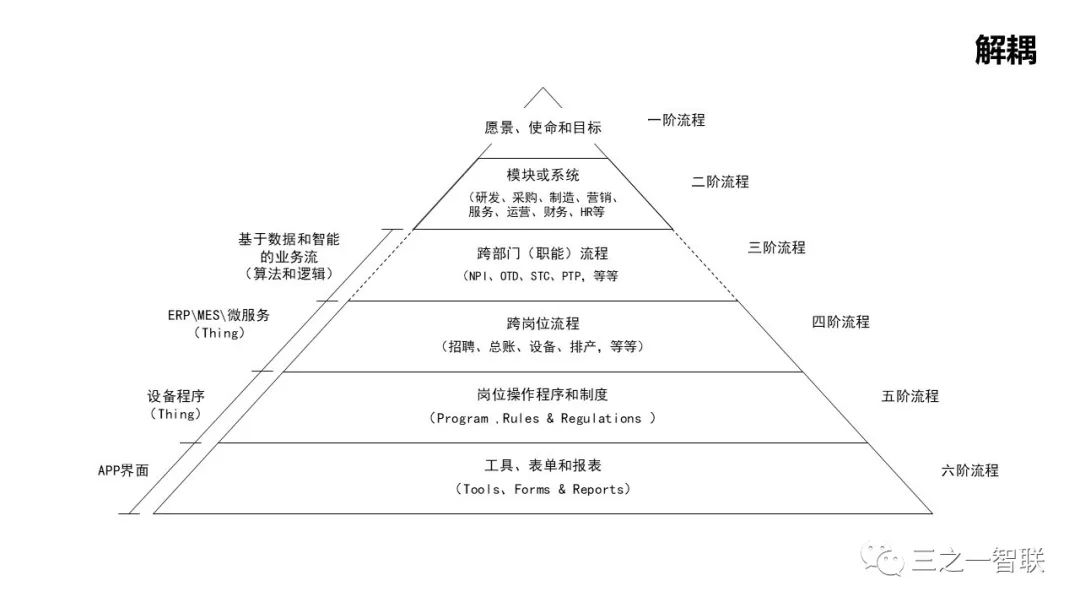
Figure 4: Typical Problems in Enterprise IT Systems
Currently, many manufacturing enterprises’ IT systems often fall into two extremes: one is fragmented, siloed IT systems leading to data islands, where data uniqueness and accuracy are heavily criticized; the other is overly rigid and tightly bound IT systems that not only create complex interfaces and information overload but also incur high costs for construction, learning, and usage, making IT development a black hole. Data islands are clearly unacceptable, and information saturation is equally excessive; this situation must be effectively managed and governed. If data islands arise from siloed systems, information saturation results from excessive “marriages” between systems. From the perspectives of data quality and system flexibility, enterprise IT systems should establish a “dating” type connection relationship, allowing for real-time interaction and continuous exchange of necessary business data to compensate for each other’s shortcomings, while also being flexible and organically reconfigurable in response to environmental changes or functional adjustments. In a “dating” style enterprise IT architecture, organic loose coupling between IT systems allows for real-time connections based on situational needs or timely decoupling for different scenarios, making this architecture more flexible and enabling enterprises to quickly reorganize their capabilities in response to environmental changes. The application of industrial IoT technology can support the realization of a “dating” style enterprise IT architecture.
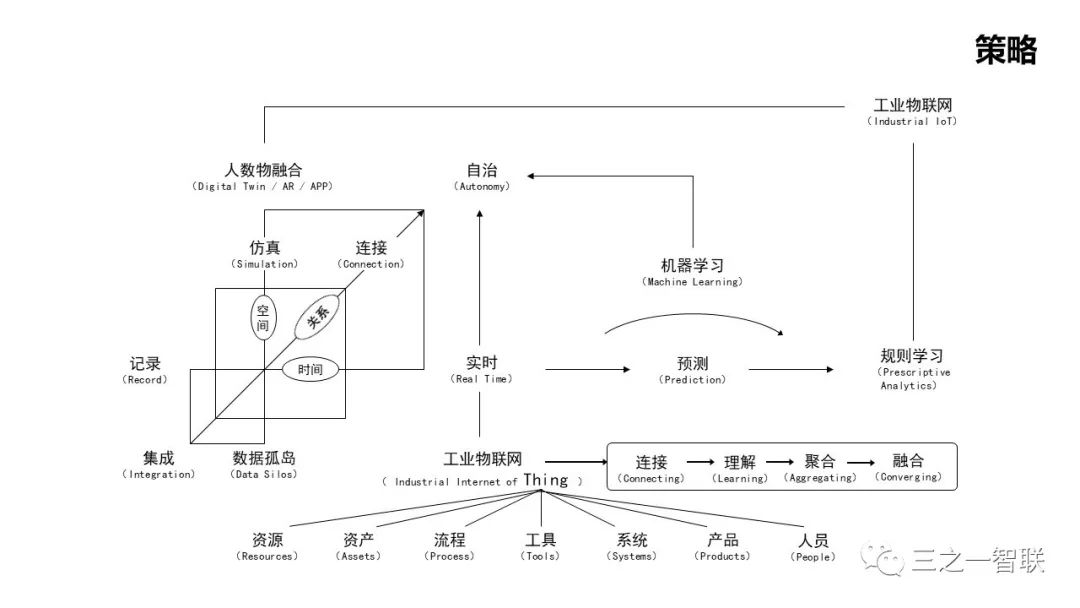
Figure 5: Characteristics of Industrial IoT Technology Applications
Compared to traditional IT technologies, industrial IoT technologies have several advantages:
(1) Real-time management of business and data processing. ERP, PLM, CRM, and other IT systems are record-oriented systems that document business processing results and share them, but they are often reactive to actual business problems. Industrial IoT platforms establish real-time connections with resources, assets, devices, processes, tools, systems, products, and personnel, enabling real-time understanding of business execution and utilizing machine learning and other artificial intelligence technologies to comprehend and learn from business data, thereby providing early warnings for business anomalies, predicting business outcomes, and even executing rule learning and scenario-based autonomous decision-making.
(2) In the industrial IoT platform, the relationships between things are connections. Compared to system integration, connections are loosely coupled, allowing for flexible connections and recombinations, thereby avoiding data islands and preventing the rigidity of integrated capabilities. If big data technologies are combined with these connection relationships, algorithms can guide system configurations and establish connections, enabling a certain degree of self-organization and self-planning in enterprise IT systems.
(3) Industrial IoT is a highly integrated system of data, things, and people. Compared to data islands or information saturation, industrial IoT platforms achieve business simulation through “Digital Twin,” providing human-machine interfaces through augmented reality (AR) and role-based industrial apps. The way data is presented is more intuitive and complete, allowing users to master and use IT systems with virtually no learning curve, truly achieving the integration of data, things, and people.
To apply industrial IoT technology in manufacturing enterprises, it is first necessary to decouple the existing architecture of the enterprise, especially the decoupling of third-level processes from other processes or the decoupling of fourth-level enterprise application systems from other IT systems.
Figure 6: Decoupling of Enterprise Process Framework
The business logic of an enterprise can be categorized into three main types: planning, organization, and execution, where organizational business logic plays a central role, bridging planning and execution.
Planning is the decision-making process of finding optimal choices. Planning is closest to enterprise decision-making or the latter stage of business decision-making. Some enterprises rely on intuition or experience for their decisions or plans, while others use algorithms, such as linear programming, which is a typical planning algorithm.
Organization involves the allocation of enterprise resources and the design of organizational structures, where the input of organizational activities comes from the results of planning activities, and the output of organizational activities serves as input for execution activities. In enterprise IT systems, organizational activities are reflected in forms such as pricing strategies, order types, product structures (BOM), process routes, production batches, personnel roles, and permissions.
Execution is the specific operation to achieve business objectives, serving as the primary process for converting resources into products or services. The main content of execution consists of the results of organizational activities. In actual operations, execution activities perform various tasks and provide feedback on task results to organizational and planning activities while accepting further scheduling from them.
In enterprise operations, the logic of planning activities is the most variable, followed by the logic of organizational activities, while the logic of execution activities remains relatively stable. For an enterprise to achieve flexible organization, it must decouple the logic of planning, organization, and execution activities.
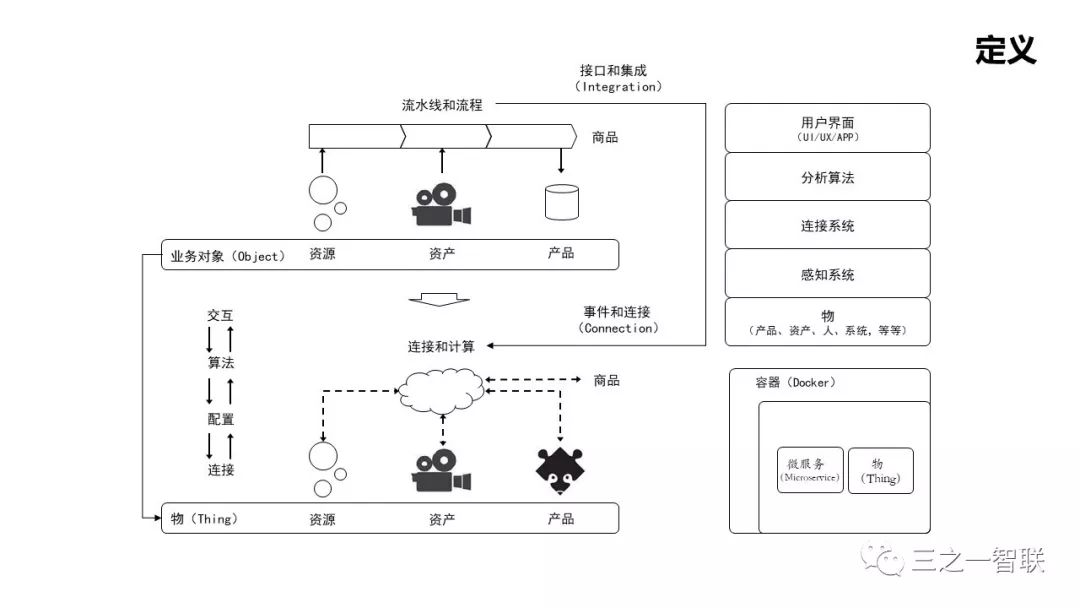
Figure 7: Redefinition of Enterprise Capabilities and IT Systems
In enterprise IT architecture, organizational activities are primarily implemented in ERP, PLM, CRM, and other systems. Especially in ERP systems, which support not only organizational activities but also planning and execution activities. From practical experience, many enterprises find that the application of their ERP systems is not ideal, mainly because their planning and organizational functions are poorly utilized, while execution functions are generally used effectively.
In a relatively stable social and economic environment, large and comprehensive ERP systems perform well in data integration, effectively eliminating data islands. However, their architecture tends to be rigid, requiring high capabilities from application personnel. Taking MRP operation as an example, it demands high accuracy and real-time data for inventory, in-transit, work-in-progress, BOM, etc., and requires periodic rolling forecasts for sales, necessitating high cross-functional collaboration among sales, production, procurement, and technical departments. While the intention behind MRP is good, its implementation often diverges from the actual circumstances of enterprises, especially when market environments change rapidly, leading to even higher demands on enterprises. In contrast, many Japanese and Korean enterprises heavily promote JIT in their planning, organization, and execution activities, which are more readily accepted by enterprises and often yield better results than MRP.
The application of industrial IoT technology or platforms requires re-positioning and service-oriented transformation of enterprise IT systems, particularly ERP, PLM, CRM, etc. Specifically, this involves separating the planning and organizational functions of these systems to be managed by industrial big data platforms and algorithms, while primarily retaining their execution functions, resembling microservices in form.
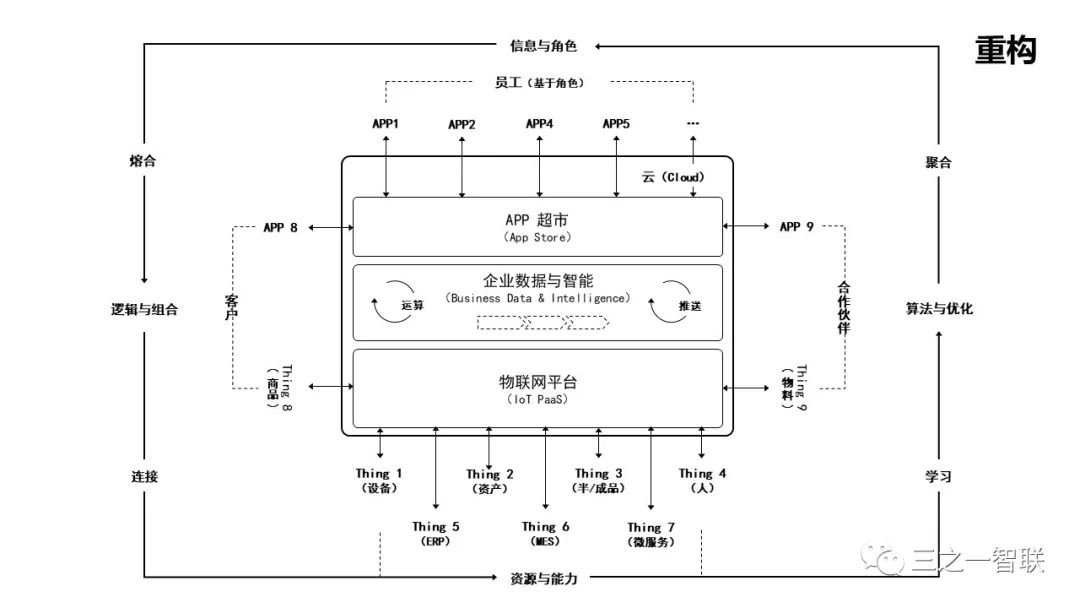
Figure 8: Reconstruction of Enterprise IT Systems
In an enterprise IT architecture centered around industrial IoT platforms, systems like ERP, PLM, CRM, MES, etc., are treated as “things.” At the level of “things,” they are equal, and the industrial IoT platform connects these systems through data connectors. Of course, the “things” in the context of industrial IoT not only include IT systems but also devices, assets, raw materials, semi-finished and finished products, personnel, etc. These “things” are connected and interact based on business scenario needs. In terms of representation, these “things” are similar to microservices.
At the collaboration level of “things,” who connects with whom, when to connect, and what data is exchanged during interactions represent the organizational activities of enterprises, which are realized through artificial intelligence and industrial big data.
In human-machine interfaces, a series of role-based industrial apps or augmented reality applications provide a highly integrated view of data, things, and people, presenting users with simple, intuitive, interactive, and three-dimensional interfaces.
The industrial IoT platform aggregates data through connections, understands and learns from data through machine learning, and integrates data, things, and people through apps, providing a new approach for the digital transformation and construction of enterprises. Of course, the application of industrial IoT platforms can not only realize flexible enterprises but also assist enterprises in achieving service-oriented manufacturing, reduced workforce operations, innovative product development, and other transformations.
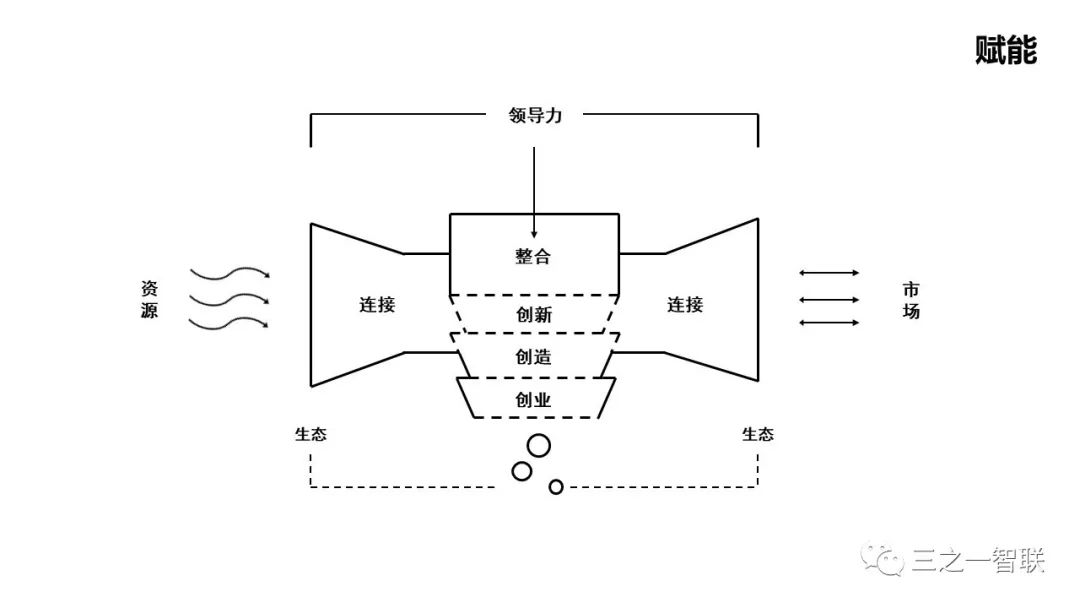
Figure 9: Application Scenarios of Industrial IoT Platforms
As shown in Figure 9, the application of industrial IoT technology or platforms can realize five major categories of scenarios in enterprises:
(1) Service-oriented manufacturing. With the support of industrial IoT platforms, enterprises can deliver smart, interconnected products or services to customers. Enterprises or users can remotely connect to their products for remote control and interaction, and even sense the product’s status to realize value-added service scenarios. For instance, in a smart, internet-enabled refrigerator, it can real-time sense the consumption of vegetables or drinks inside, and when the inventory falls below a set threshold, the system automatically generates a purchase order to a nearby supermarket, triggering their restocking or sales activities.
(2) Digital workshops. I believe that future factories will be characterized by fewer people; even if some employees remain, most will be “robot caretakers.” As the demographic dividend in China diminishes, the labor shortage in manufacturing will become increasingly severe. The policies promoted by the government in recent years, such as machine networking and “replacing people with machines,” are aimed at addressing the labor shortage. I believe that with the support of industrial IoT technology or platforms, the vision of fewer, automated factories will increasingly become a reality.
(3) Digital twins. Digital twins use digital technology to simulate and optimize the physical world of enterprises. In manufacturing enterprises, the application scenarios of digital twins mainly include product digital twins and factory digital twins. Product digital twins can help enterprises understand the actual application scenarios of products during new product development, even allowing for virtual validation of product performance, thus shortening the development cycle and reducing costs while improving quality. Factory digital twins refer to the digital simulation of trial production or mass production factories for real-time monitoring, control, early warning, and operational optimization.
(4) Digital mainline. The digital mainline is a replacement for enterprise service bus technology, utilizing industrial IoT technology or platforms to microservice-enable enterprise ERP, PLM, MES, and other IT systems, thus constructing a flexible enterprise IT architecture to support flexible organizational capabilities.
(5) Digital experience. Through augmented reality and role-based industrial apps, industrial IoT technology or platforms can provide users with aggregated, simplified, intuitive, and interactive user experiences, lowering the learning costs associated with enterprise IT systems, thereby enhancing employee work efficiency and quality.
Of course, the aforementioned five categories of application scenarios for industrial IoT technology or platforms in manufacturing enterprises are just a rough enumeration. The core lies in connection, aggregation, learning, and integration. I believe that once readers grasp the core connotation of industrial IoT, they can creatively deduce more application scenarios, which will significantly enhance enterprises’ capabilities in connection, integration, and innovation.
Figure 10: Digital Empowerment of Core Enterprise Capabilities
Through the connection capabilities of industrial IoT platforms, enterprises can effectively connect more resources, more devices, more capabilities, and broader markets. Through the aggregation capabilities of industrial IoT platforms, enterprises can aggregate business data, understand and learn from this data, and quickly complete the DIKW (Data à Information à Knowledge à Wisdom) learning curve, thereby enhancing their integration capabilities. Through the simulation capabilities of industrial IoT platforms, especially the application of digital twin technology in new product development, enterprises’ innovation and creative capabilities will be significantly strengthened.
Industrial IoT is the main battlefield for enterprises’ digital transformation. By applying industrial IoT technology or platforms, enterprises will drive exponential improvements in their connection, integration, and innovation capabilities, reshaping the forms of their products or services, operations, governance, and business models.
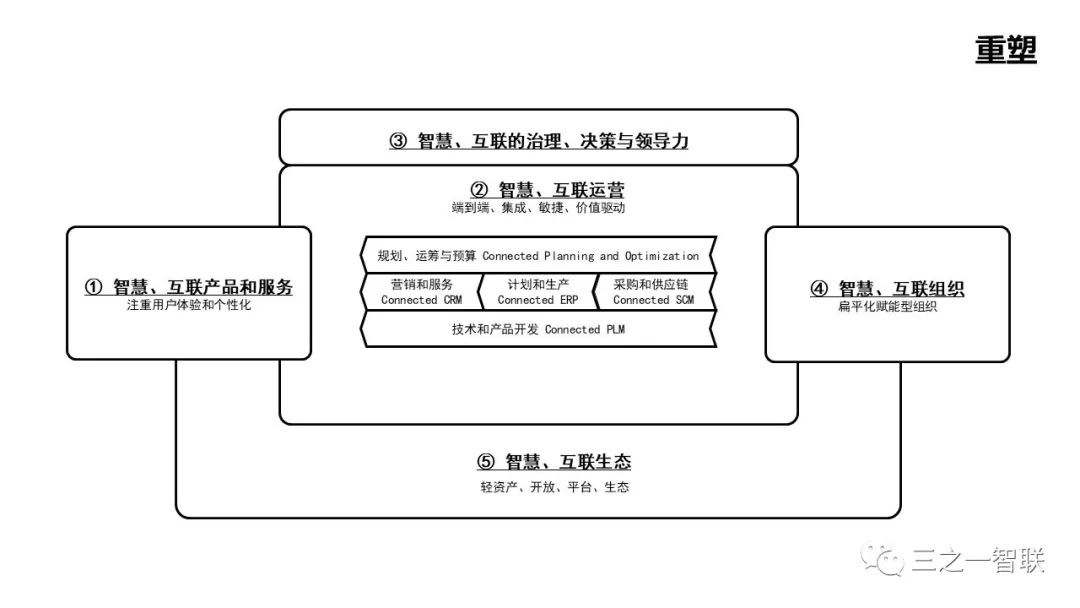
Figure 11: Digitalization Drives Enterprise Reshaping
In the digital era, where industrial IoT is the main battlefield, the products or services, operational models, organizational structures, governance and leadership, business models, etc., of enterprises will all be tagged with intelligence and interconnectivity. Intelligent and interconnected products or services will be a new species capable of real-time dialogue with enterprises or customers; intelligent and interconnected enterprise operations will be self-planning, self-organizing, self-coordinating, and self-adapting; ERP, PLM, SCM, MES, and other enterprise IT systems will be intelligent and interconnected IT systems; under intelligence and interconnectivity, enterprise organizations will become flatter and leaner, with information intermediary management layers completely exiting the historical stage, and self-empowered, self-driven employees becoming mainstream; similarly, the business models of enterprises will also become smarter and ultimately integrate into the industry ecosystem, continuously evolving and developing in a light asset, open ecosystem.
The digital transformation of enterprises driven by industrial IoT technology or platforms will not only reshape the forms of enterprises but also bring about growth in areas such as operational efficiency, revenue growth, and organizational evolution.
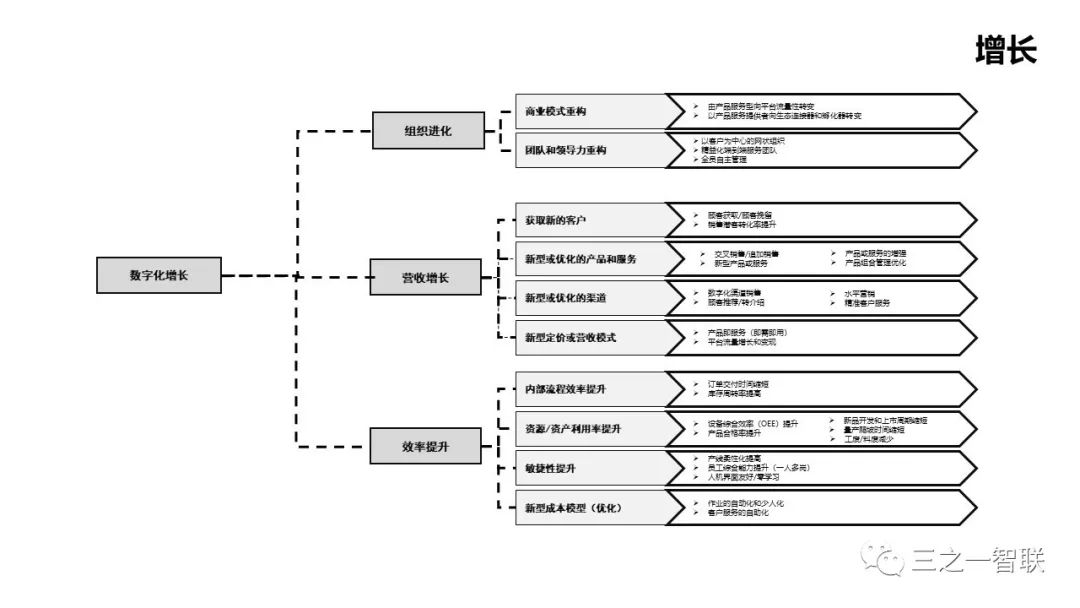
Figure 12: Digital Enterprise Growth
In terms of operational efficiency, digitally transformed enterprises supported by industrial IoT platforms will achieve growth in internal process efficiency, resource/asset utilization rates, agility, and cost structure optimization.
In terms of revenue, particularly with the emergence of smart, connected products (SCP), service-oriented manufacturing becomes possible, enabling enterprises to achieve growth in acquiring new customers, developing new types of products or services, exploring new channels (smart, connected products themselves serve as marketing channels), and new pricing or marketing models.
In terms of organizational evolution, digitally transformed enterprises supported by industrial IoT platforms will have leaner and more agile organizational structures, with teams and leadership achieving self-empowerment, thereby realizing new types of business models comprehensively. Particularly regarding enterprise forms and structures, fewer people and increased intelligence are inevitable trends.
A journey of a thousand miles begins with a single step; without accumulating small steps, one cannot reach a thousand miles. The vision of intelligent, interconnected enterprises supported by industrial IoT technology or platforms is promising, but in practice, it requires starting from the basics and small steps, such as smart, interconnected products or services, digital twin products, digital mainlines for enterprises, and particularly the construction of digital workshops. The latter has a smaller scope and quicker results, making it a good starting point to lead from small to large, from partial to holistic, thereby promoting the digital transformation of enterprises.
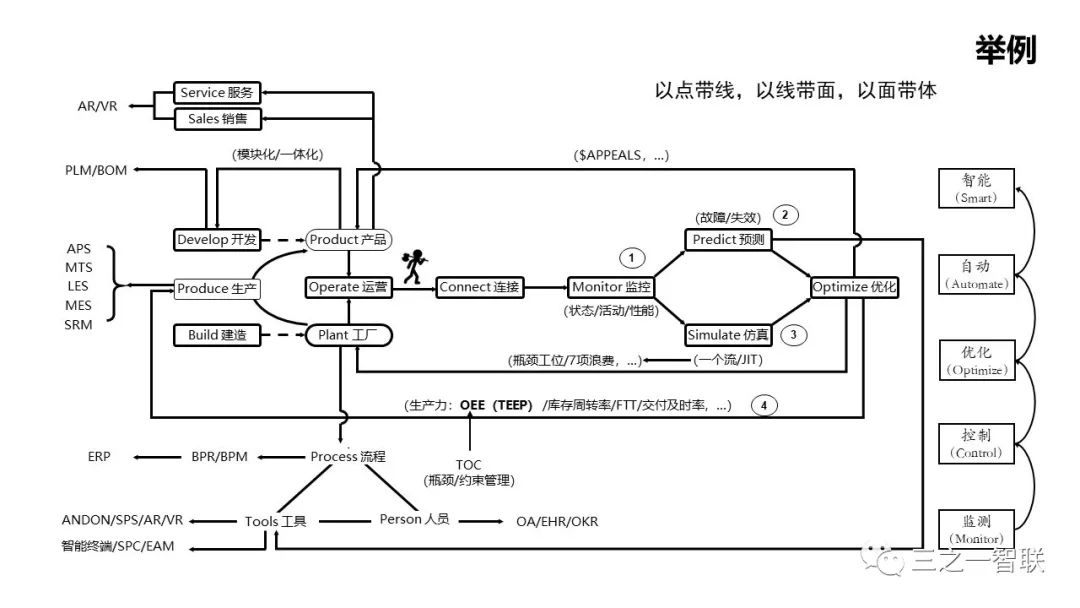
Figure 13: Digital Workshops under Industrial IoT Technology
With the aid of industrial IoT technology or platforms, enterprises can connect and monitor elements such as people, machines, materials, methods, environments, and measurements in real-time, and through machine learning technologies, understand and learn from the connected data, achieving anomaly alerts and fault predictions, and promoting comprehensive operational efficiency (OEE) of the entire workshop under the guidance of the Theory of Constraints (TOC) or lean production principles. This will subsequently optimize and enhance upstream product development, supply chain planning and organization, production scheduling, organizational performance, personnel skills, and ERP/PLM/MES systems, leading to the realization of fewer, automated, and intelligent factories.
At this point, I have basically completed my discussion on the necessity, feasibility, and purpose of industrial IoT technology or platforms in enterprises’ digital transformation. I believe that the materialistic communism will definitely be realized, possibly within our lifetime, because in fewer, intelligent enterprises, material production may be achieved at zero marginal cost, supported by the application of technologies or platforms like industrial IoT.
Of course, this process may take a long time, potentially decades. During this time, changes in technology, environment, and society are inevitable, and the breadth and depth of these changes are unpredictable. As an IT professional, we must actively embrace change while not losing our direction in the face of it. In the journey of life dancing with change, the four changes in the “I Ching”—the unchanging, the simple change, the changing, and the transaction—can serve as our framework for thinking. The unchanging is the way; the changing is the technique, which has thousands of variations; the transaction is the dynamic that requires spontaneity; thus, I will briefly discuss the simple change, focusing on model-based systems engineering and dialectical development methodology for readers’ reference.
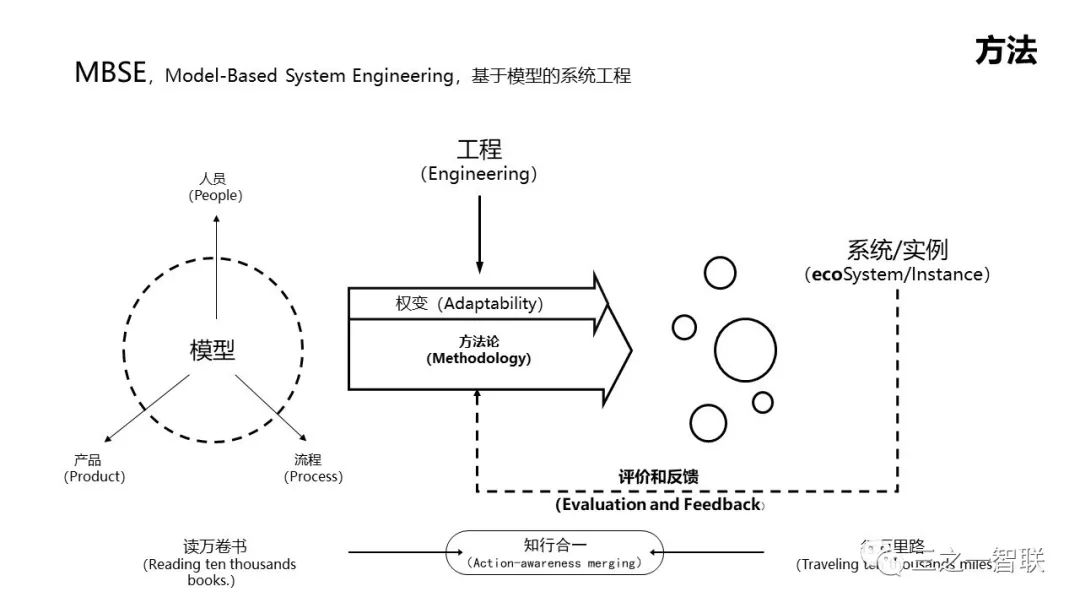
Figure 14: Model-Based Systems Engineering
MBSE, or Model-Based Systems Engineering, is a methodology for designing and developing electronic and electrical systems. I borrow this concept to help us understand the operational mechanisms of complex systems. In the field of enterprise IT, any IT system or entity involves three elements: products, processes, and people. By approaching from the angles of product modeling, process modeling, and personnel modeling, we can deconstruct and model complex systems. The modeling process is a thought process that sees through phenomena to grasp essence, akin to “reading thousands of books”; it is also a process of seeking “God.”
In real work and life, the specific manifestations of things are certainly diverse, much like how people can be of different genders, heights, weights, colors, intelligence levels, and moral standings. As the saying goes, practice brings true knowledge, which is a process of “traveling thousands of miles.” Only through continuous refinement and summarization in practice, by understanding the “multitude,” can one further comprehend “God.” Specifically, in the enterprise IT field, this means researching and utilizing various IT systems—ERP, PLM, CRM, MES, etc. If possible, it is best to practice them all.
From models to systems, from models to instances, from “God” to “the multitude,” there is a process that requires corresponding methodologies for controlled and orderly development. The main components of methodologies include processes (activities), tools, data, personnel, and responsibilities, among others. In the practical application of industrial IoT, a typical methodology is WnA, which is a waterfall deployment (generally lasting about three months) followed by multiple cycles of iterative (Agile) delivery every two weeks or monthly, continuously improving the desired outcomes.
Based on models, instances, and methodologies, MBSE can be applied in our industrial IoT and enterprise digital transformation project practices; however, this serves merely as a broad guiding framework. In specific practices, we need to adhere to dialectical development thinking.
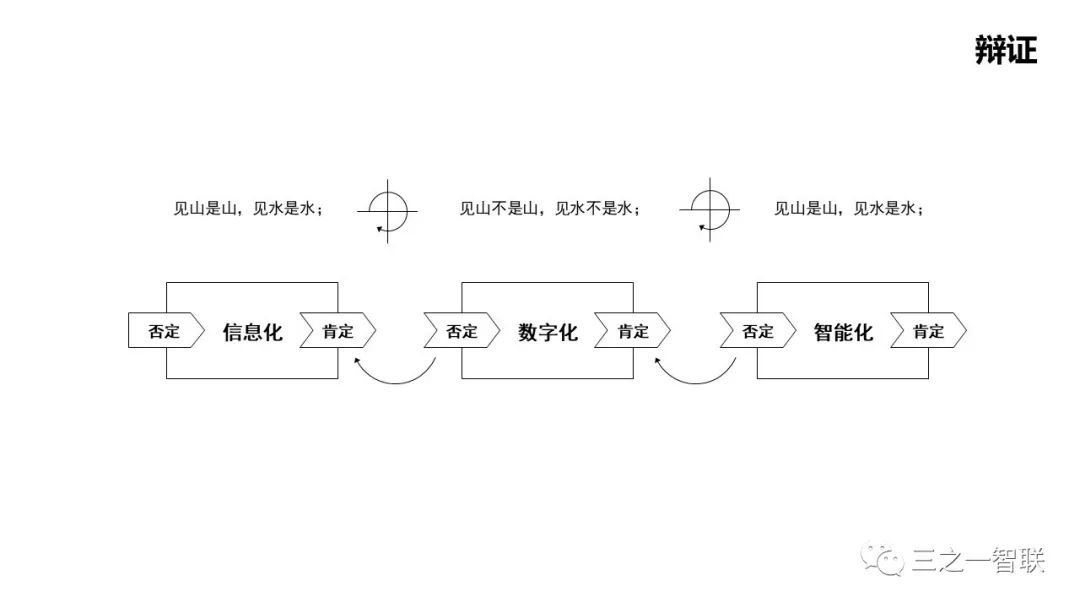
Figure 15: Dialectical View of Enterprise Digitalization
It must be reiterated that industrial IoT is not a complete negation of enterprise IT constructions such as ERP, CRM, PLM, etc., but rather a dialectical development based on the latter; similarly, enterprise digitalization is not a complete negation of informatization but a dialectical development based on it. The ancient Chinese saying “building on the past to open up the future” suggests that if there is only “the past” without “the future,” it leads to conservatism and rigidity; conversely, if there is only “the future” without “the past,” such “future” is also a source-less water, a tree without roots. The dialectical development view from affirmation to negation and back to affirmation can help us “keep pace with the times.”
Finally, I would like to conclude today’s sharing by comparing internal martial arts, the “I Ching,” and enterprise transformation.
In internal martial arts, there are notions of three layers of principles, three steps of skills, and three methods of practice. The three layers of principles refer to refining essence into qi, refining qi into spirit, and refining spirit into void; the three steps of skills refer to changing bones, changing tendons, and changing marrow; and the three methods of practice refer to clear energy, hidden energy, and transformed energy, which correspond with each other.
Similarly, the “I Ching” can also have three layers of principles, three steps of skills, and three methods of practice. The three layers of principles refer to change, simplicity, and unchangeability; the three steps of skills refer to words, symbols, and meanings; and the three methods of practice refer to playing with words to clarify principles, valuing symbols to create tools, and interpreting changes through divination. The three layers of principles, three steps of skills, and three methods of practice in the “I Ching” correspond with each other, with change corresponding to “words” and playing with words to clarify principles, and so on.
Specifically in the field of enterprise IT, we can also interpret the three layers of principles, three steps of skills, and three methods of practice. The three layers of principles refer to informatization, digitalization, and intelligence; the three steps of skills refer to integration, connection, and innovation; and the three methods of practice refer to organization, flexibility, and adaptability. Likewise, the three layers of principles, three steps of skills, and three methods of practice in enterprise IT correspond with each other, with informatization corresponding to integration and “organization,” digitalization corresponding to connection and “flexibility,” and intelligence corresponding to innovation and “adaptability.”
Regarding the three layers of principles, three steps of skills, and three methods of practice, I do not wish to elaborate further; readers may interpret and derive their own understanding.
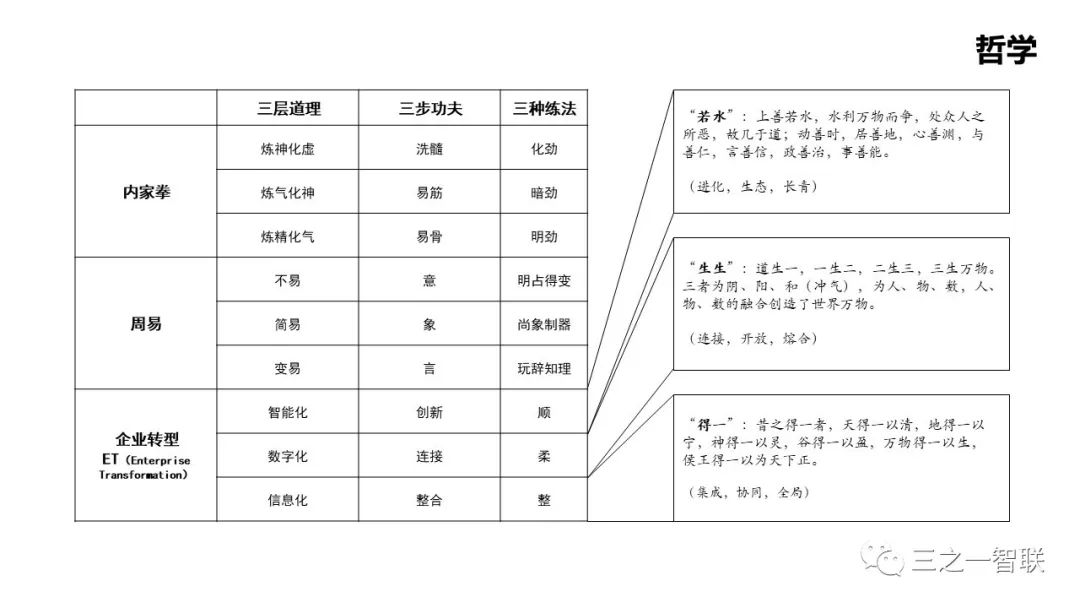
Figure 16: Three Layers of Principles, Three Steps of Skills, and Three Methods of Practice
Colleagues and experts, today we gather at Qingcheng Mountain, one of China’s Taoist holy sites. Here, I would like to quote three sentences from the Taoist classic—”Tao Te Ching” to summarize my sharing today:
In the stage of enterprise informatization, the focus is on “gaining one.” The ancient saying goes, “Heaven gains one to be clear, Earth gains one to be peaceful, Spirit gains one to be spiritual, Valleys gain one to be full, All things gain one to be alive, and Lords gain one to be just like Heaven.” The “one” in informatization refers to integration, collaboration, and overall optimization.
In the stage of enterprise digitalization, the focus is on “generating generation.” The saying goes, “The Tao gives birth to one, one gives birth to two, two give birth to three, and three give birth to all things.” The three represent yin, yang, and harmony, as well as things, numbers, and people; the integration of things, numbers, and people creates the digital world. The “generating generation” in digitalization refers to connection, openness, and integration.
In the stage of enterprise intelligence, the focus is on “like water.” The saying goes, “The highest good is like water, which benefits all things without contention. It dwells where others dislike to be, hence it is close to the Tao; it acts at the right time, dwells in the right place, maintains a good heart, speaks with good faith, governs well, and performs effectively.” Laozi said that the Tao cannot be named, hence it can only be interpreted through the actions of those who have attained it. In Laozi’s view, the closest thing to the “Tao” in all things is water. Enterprise intelligence is about constructing a “water-like” enterprise, where “like water” represents evolution, ecology, and sustainability.
The above is my sharing. Thank you all!