The editor tested the “349” model back in 2017, when it was still called B’TWIN AEROFIT 900. However, with the adjustment of the product line naming, it now belongs to the VAN RYSEL brand. It’s impressive that after five years, the price of the “349” hasn’t increased, which shows some integrity.
Given the increasing demand among cyclists for the MIPS system, VAN RYSEL has launched another option for the “349” model, which is the upgraded RC500, known as the VAN RYSEL 500 MIPS. Let’s see if this helmet is worth purchasing.
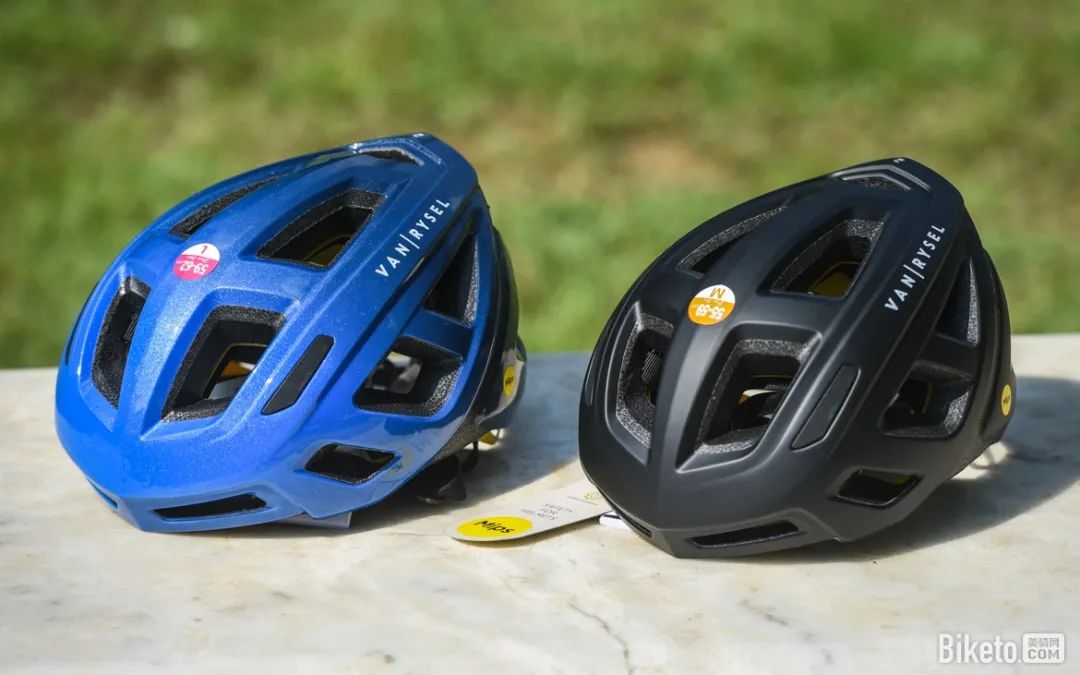
The VAN RYSEL 500 MIPS comes in two colors: gradient blue and matte black. Since the BLING~BLING~ gradient blue looks quite flashy, we’ll use it to showcase the details.
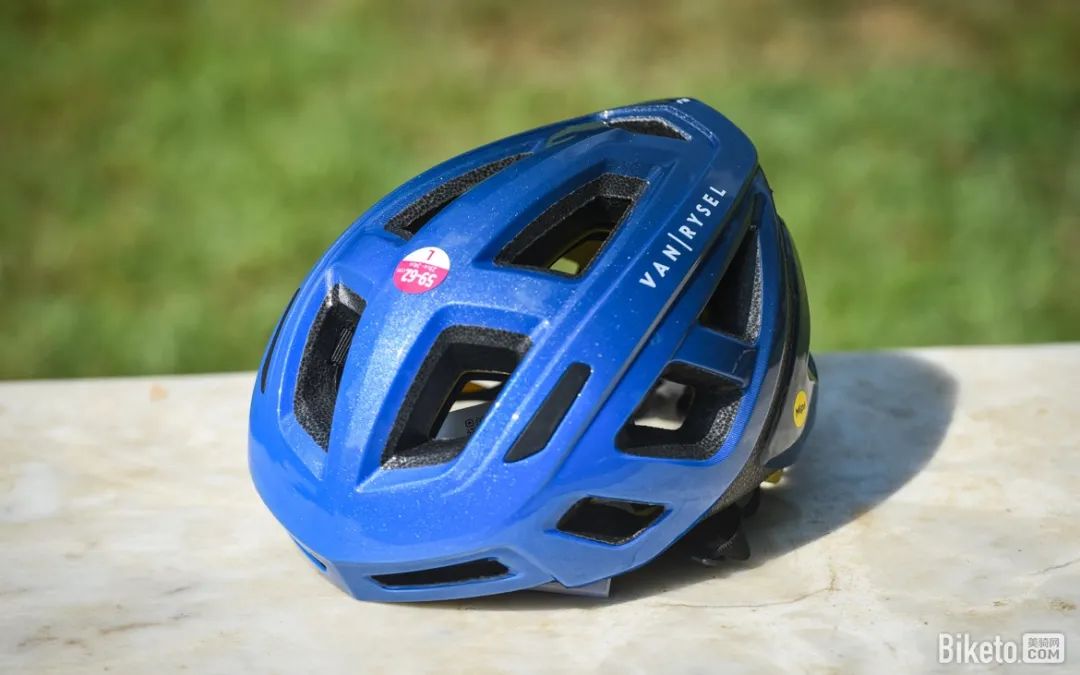
The overall shape is consistent with the RC500. All helmets in the series use a family design language; the design is quite nice and does not give a cheap impression.
The sky blue to deep blue gradient sparkle paint is rather eye-catching.
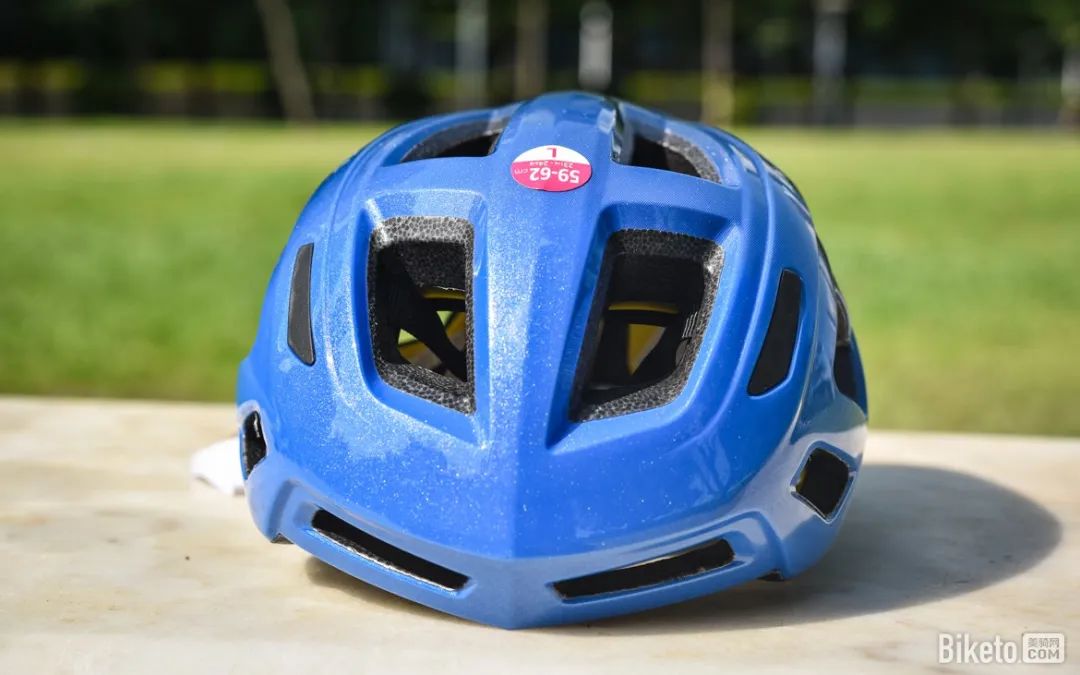
The design style of the front is quite similar between the 100 and 900 models, which reminds me of a recent joke where a cyclist used the RC100 helmet to imitate Batman.
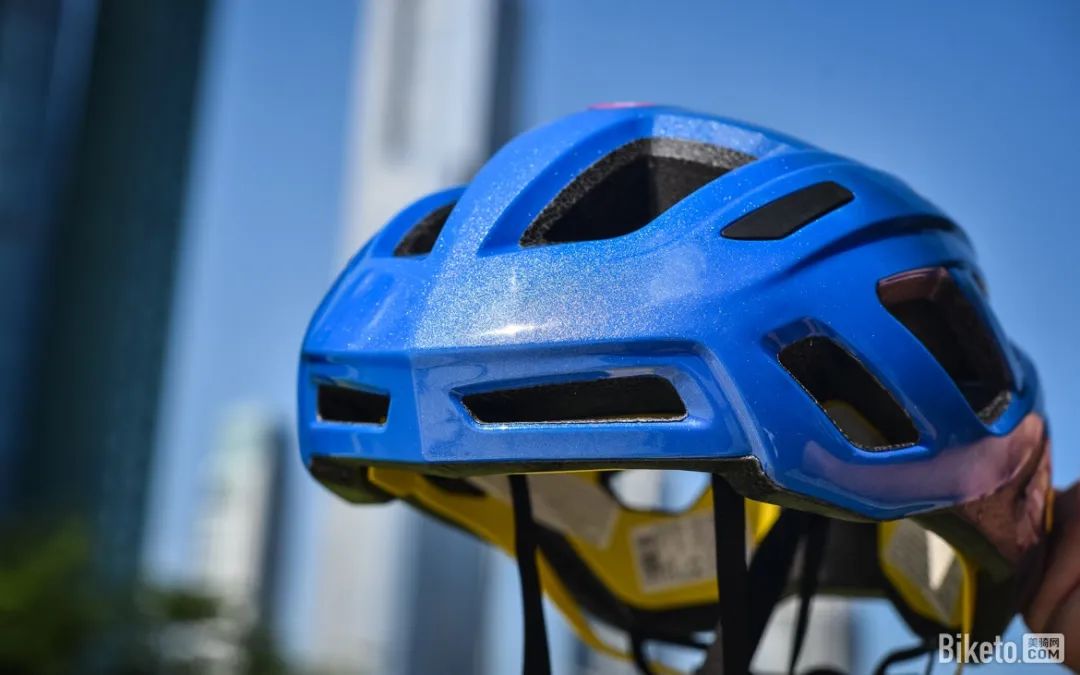
However, from Batman’s mask, ahem, the front air intake, we can see that the addition of MIPS slightly obstructs the air intake.
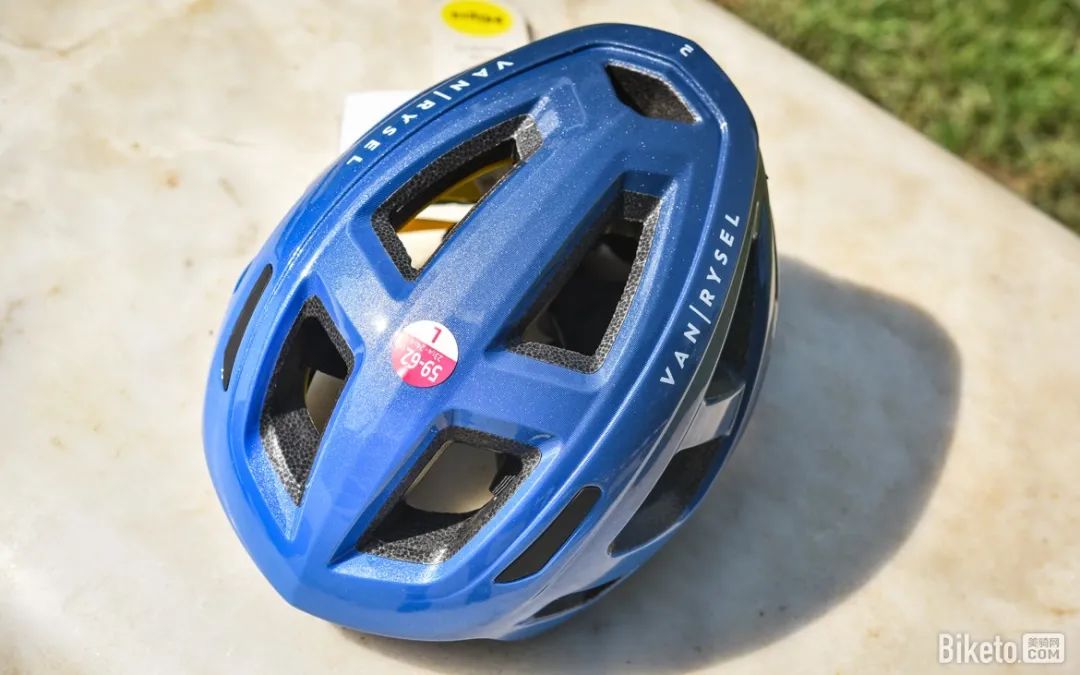
The 500 helmet features a large ventilation hole design, enhancing the ventilation and heat dissipation performance at the top of the head.
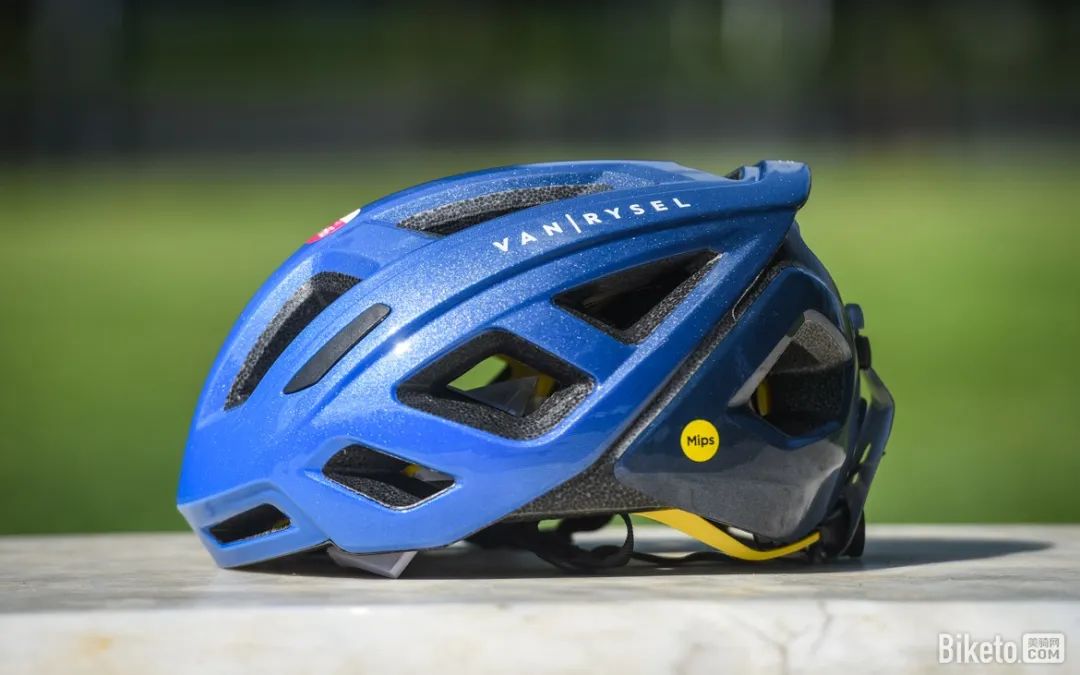
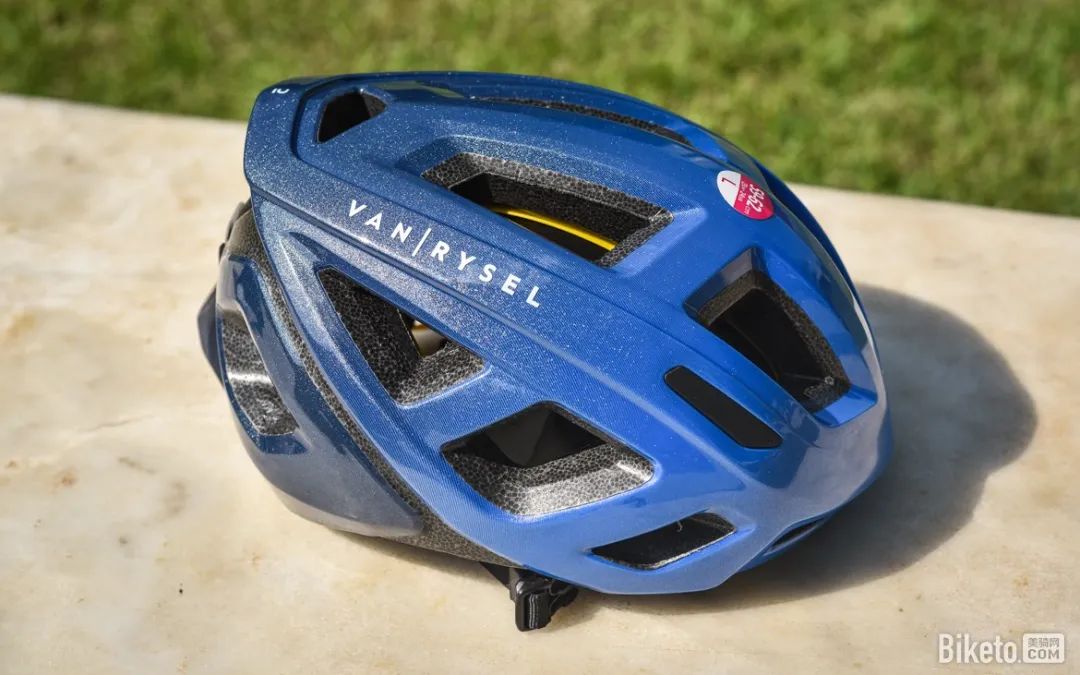
The side ventilation holes are also quite large. The blue sparkling paint looks very good under sunlight, and the color is particularly unique; I personally like it a lot.
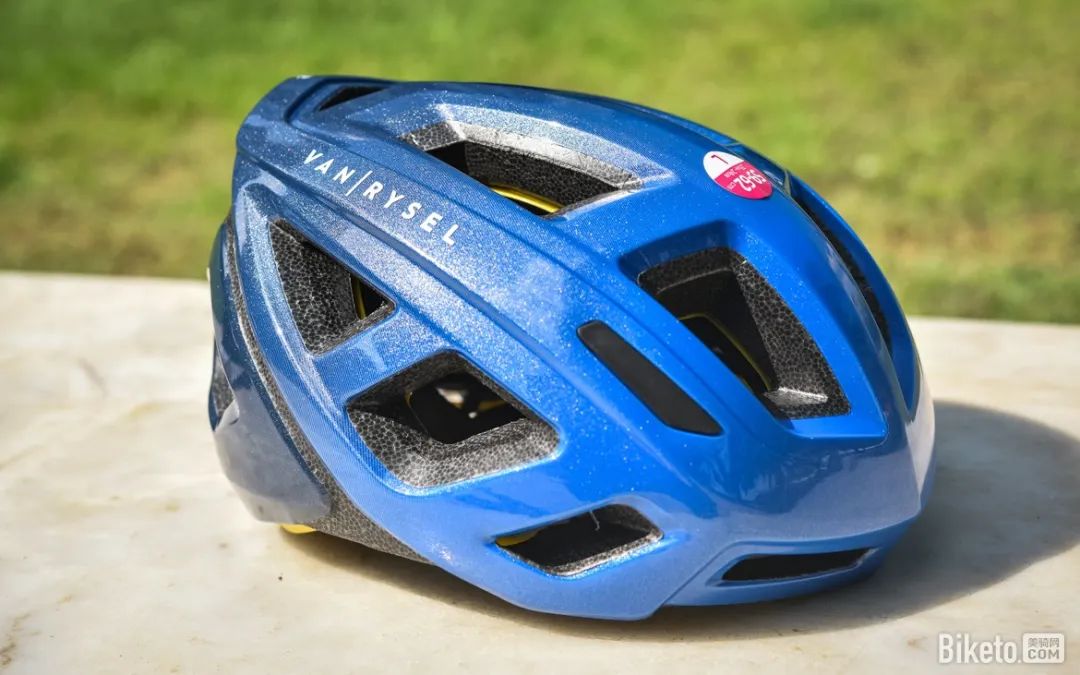
Given the affordable price, it’s understandable that it doesn’t use hidden strap anchor points.
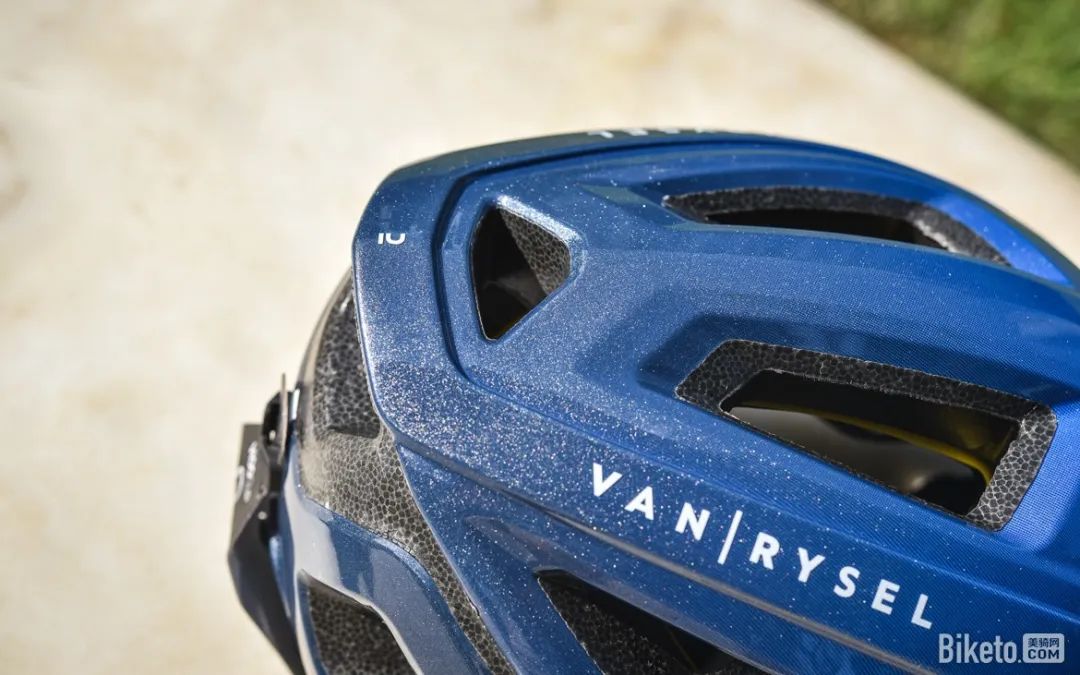
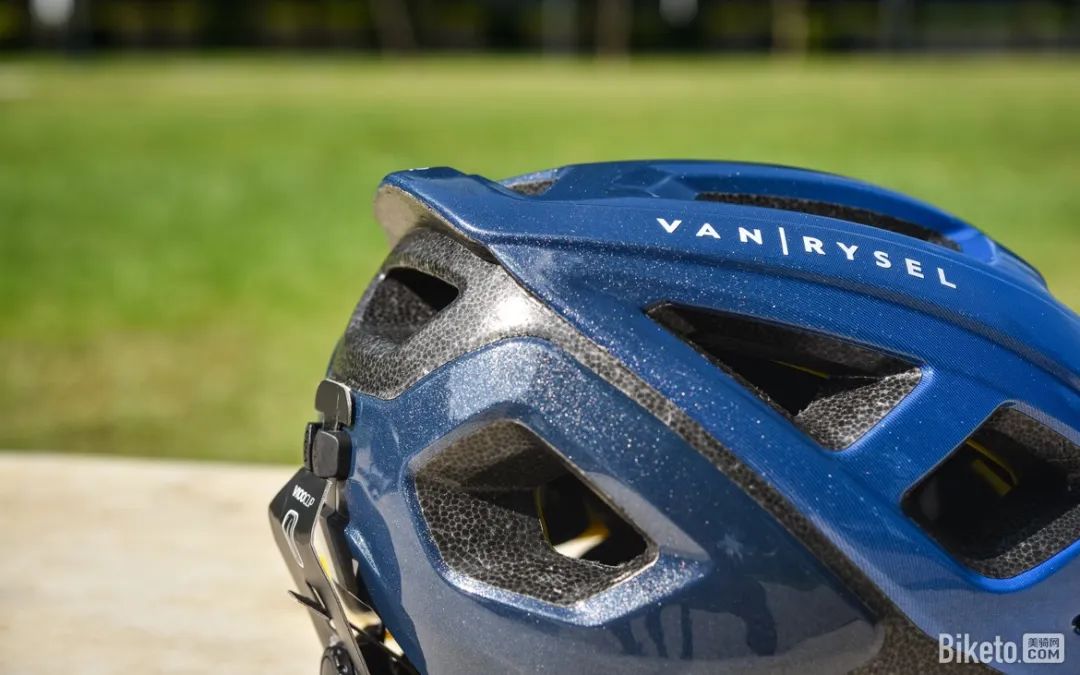
▲ The rear has a small wing shape
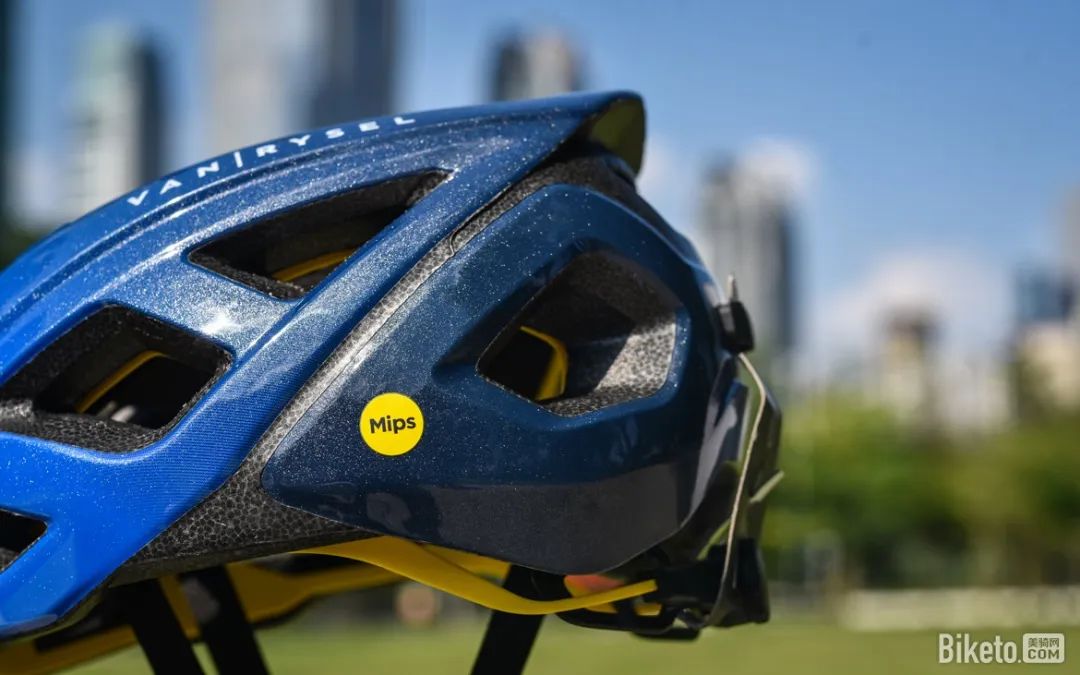
Having paid the “protection fee”, it naturally bears the MIPS logo.
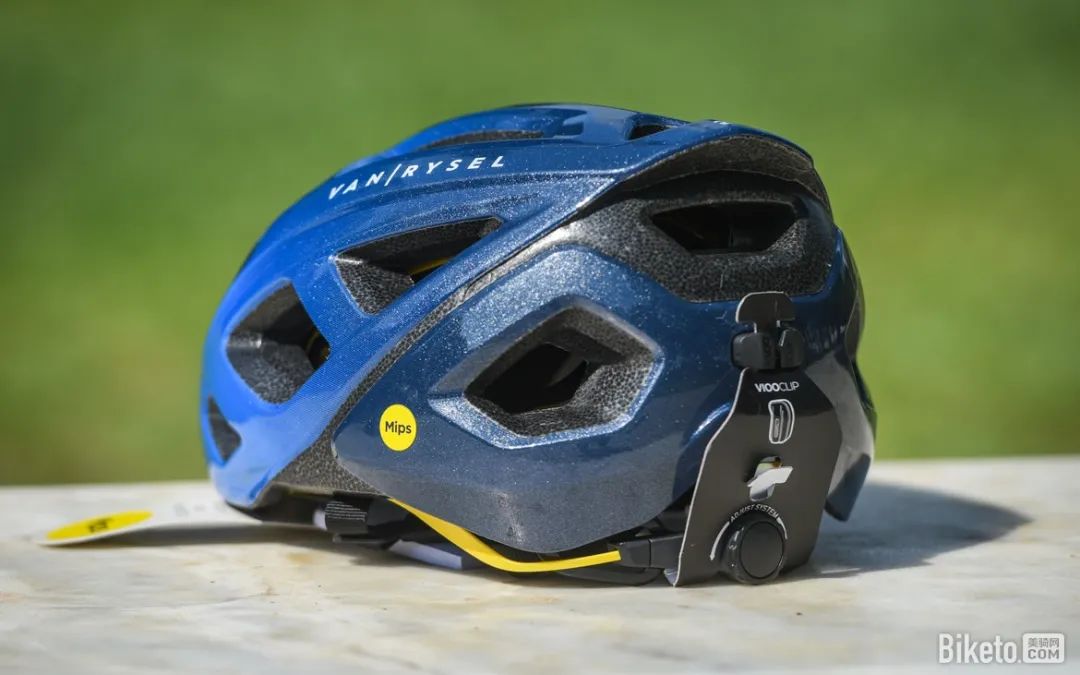
Compared to the front of the helmet, the rear shape is somewhat bulky, which is intended to provide good protection for the back of the head.
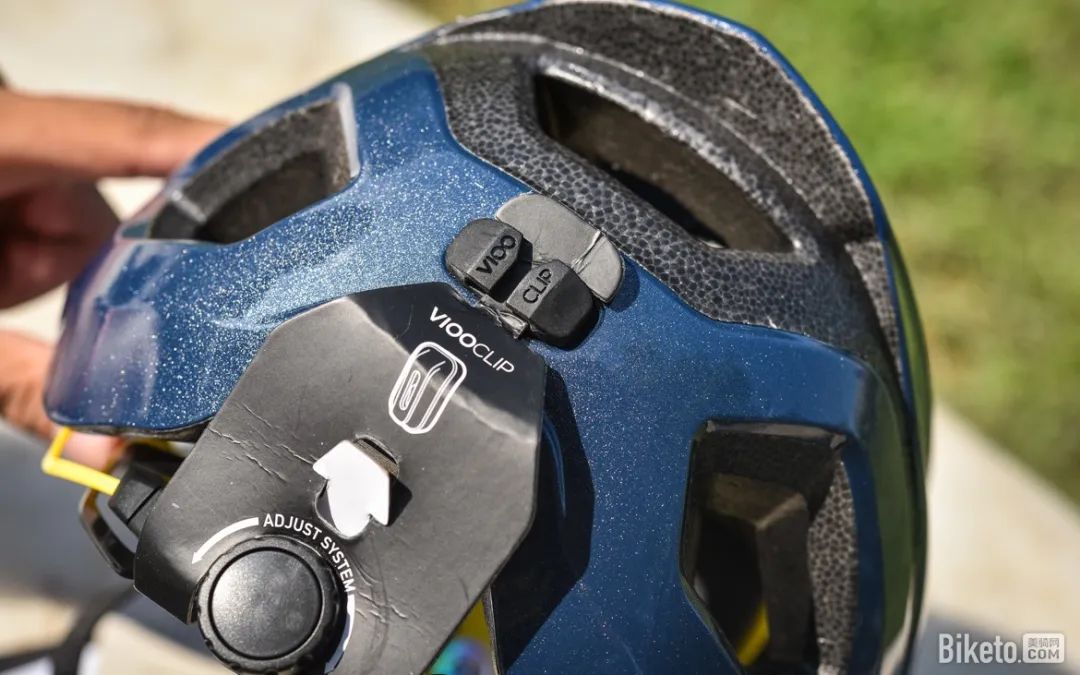
The helmet’s rear is reserved for the VIOOCLIP tail light interface, allowing for optional tail light installation to enhance night riding safety.
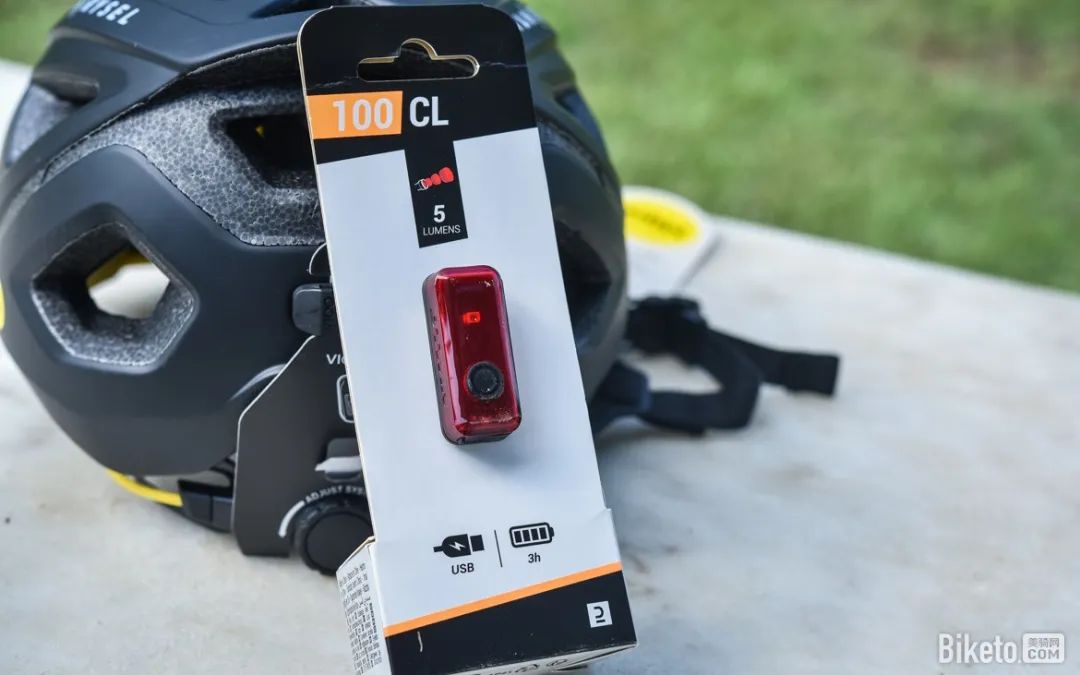
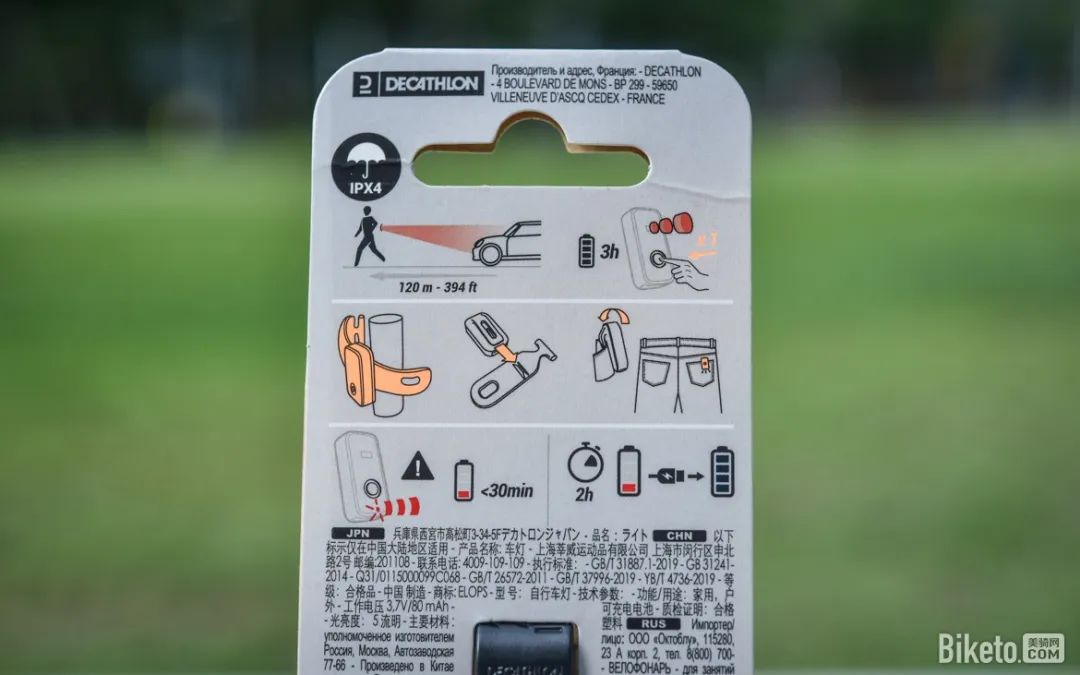
The VIOOCLIP is not a dedicated tail light; it comes with a backrest that can be fixed to a pocket or bag, or strapped to the frame with a silicone band. Its 5-lumen light head provides 3 hours of runtime and a visibility distance of 120 meters, and it charges via USB.
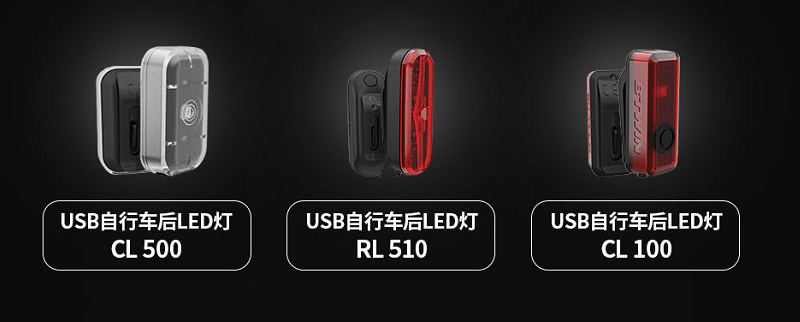
Additionally, there are two other light models, CL500 and RL510, available for consumers.
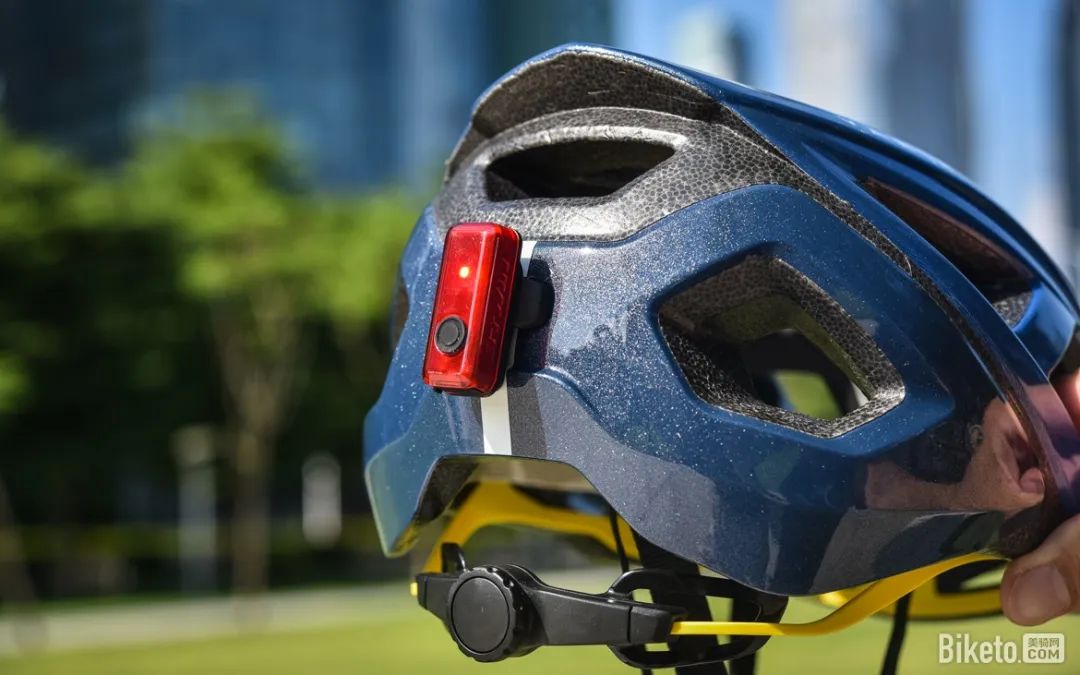
▲ The helmet mounted with the VIOOCLIP tail light
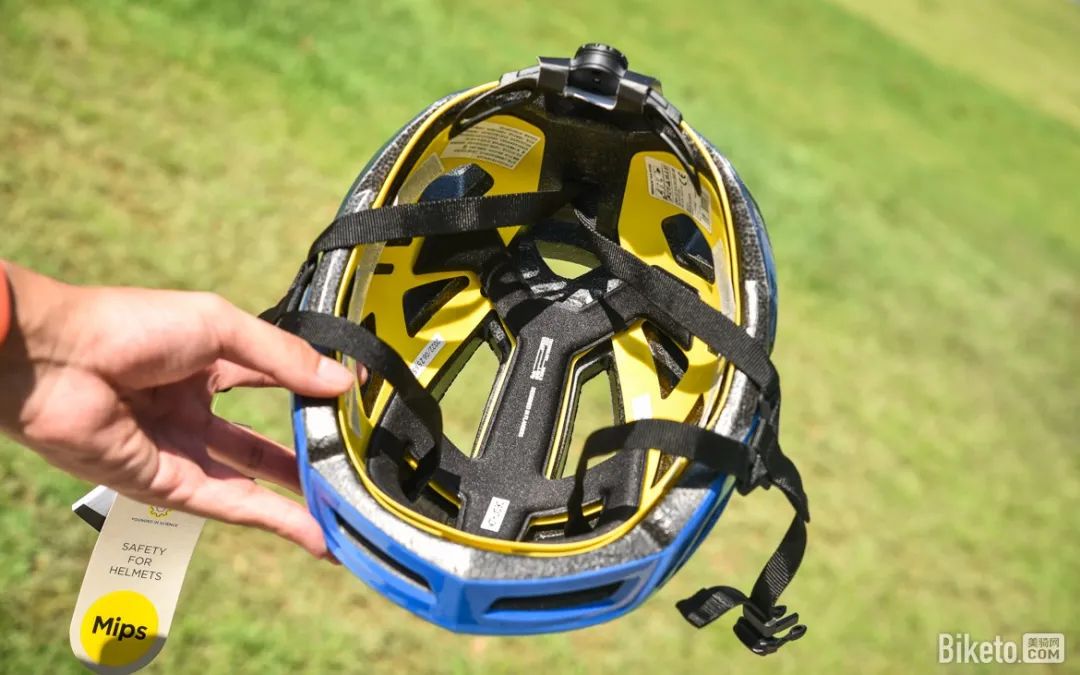
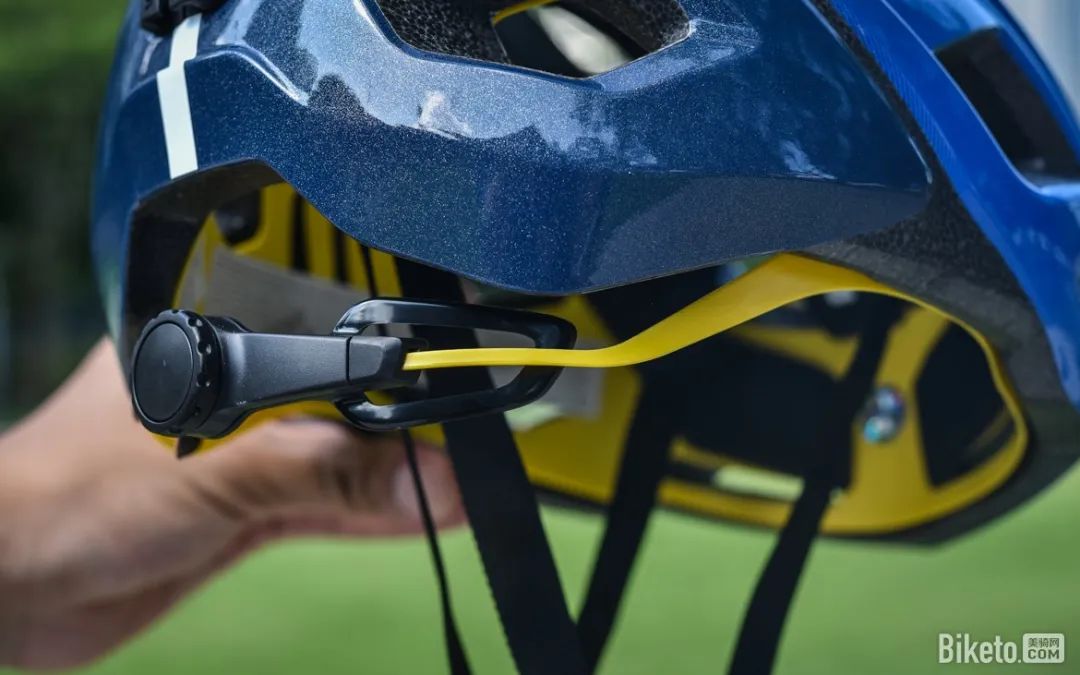
It can be seen that this helmet was developed in close collaboration with MIPS. The yellow MIPS sliding layer is directly integrated with the helmet suspension, which is a rare form of MIPS.
MIPS stands for “Multi-directional Impact Protection System”, which is designed to reduce the rotational forces that can occur during impacts by adding an extra friction layer to dissipate the impact forces, thereby preventing secondary injuries to the brain during crashes.
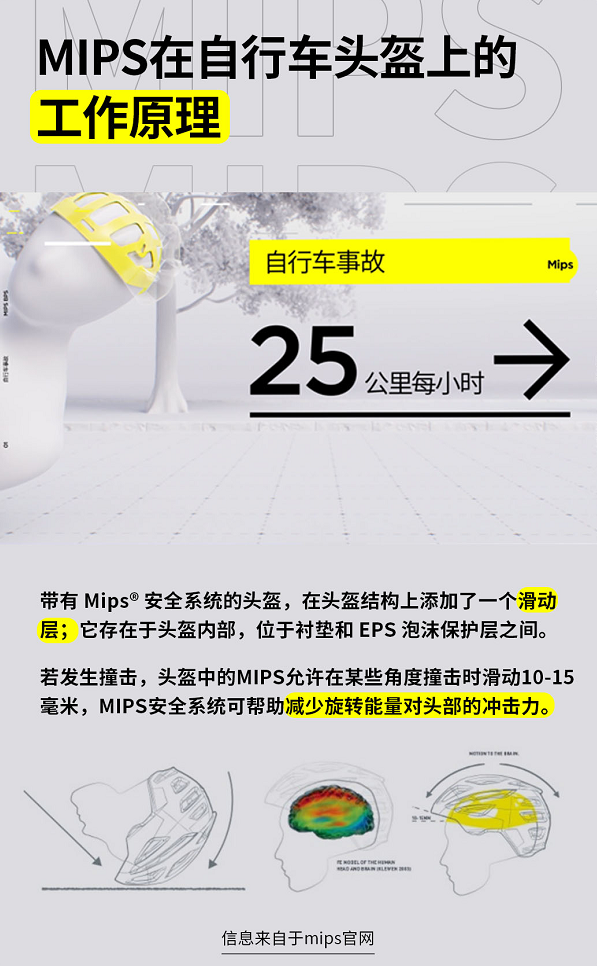
After years of promotion, I believe everyone is quite familiar with the MIPS system. For those who are not, you can refer to the image above for understanding.
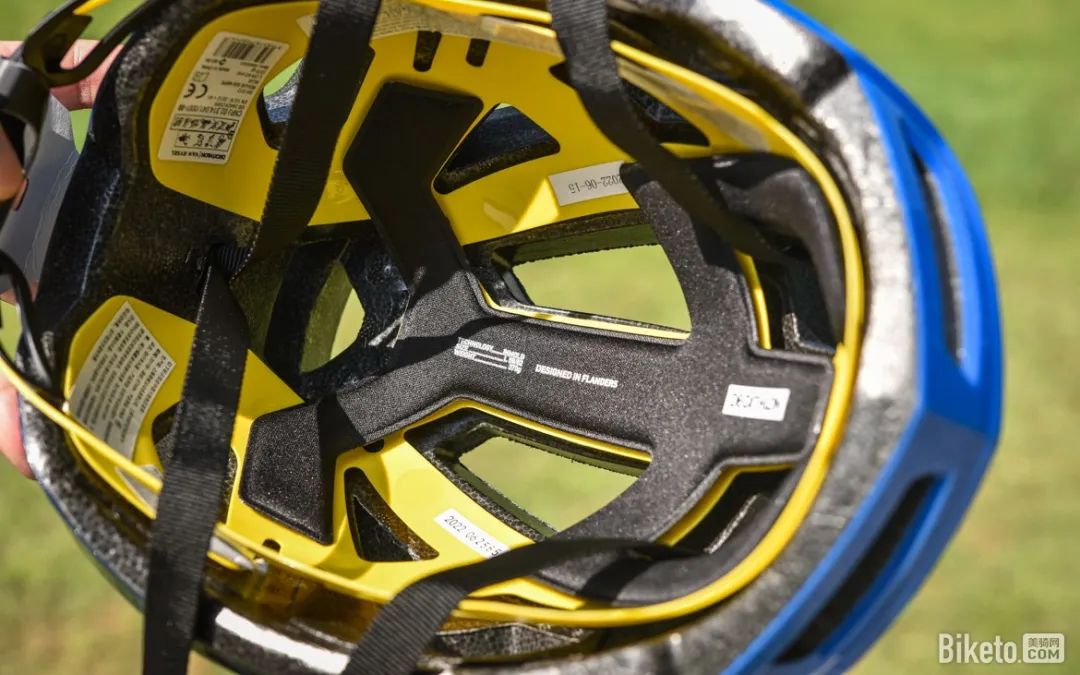
The integrated inner lining has also been optimized for the MIPS system. The lining material is relatively thick and comfortable, but it does not form a circular wrap around the forehead.
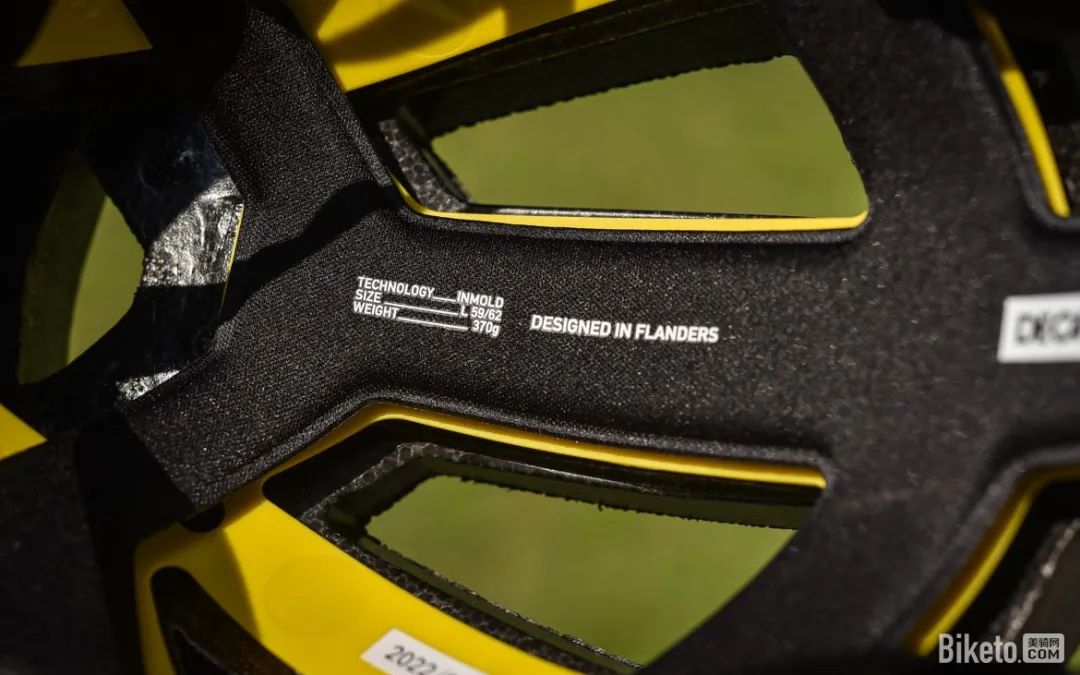
It seems that the inner lining is developed specifically for the size, with the size and weight data printed on it. The M size helmet corresponds to a head circumference of 55-59cm, while the L size corresponds to 59-62cm. The weight markings differ from the actual weights; the M size is marked at 305 grams but weighs 319 grams, which is a significant discrepancy; the L size is marked at 370 grams but weighs 360 grams. Compared to the non-MIPS version, there is a certain weight increase, which is typical for MIPS helmets.
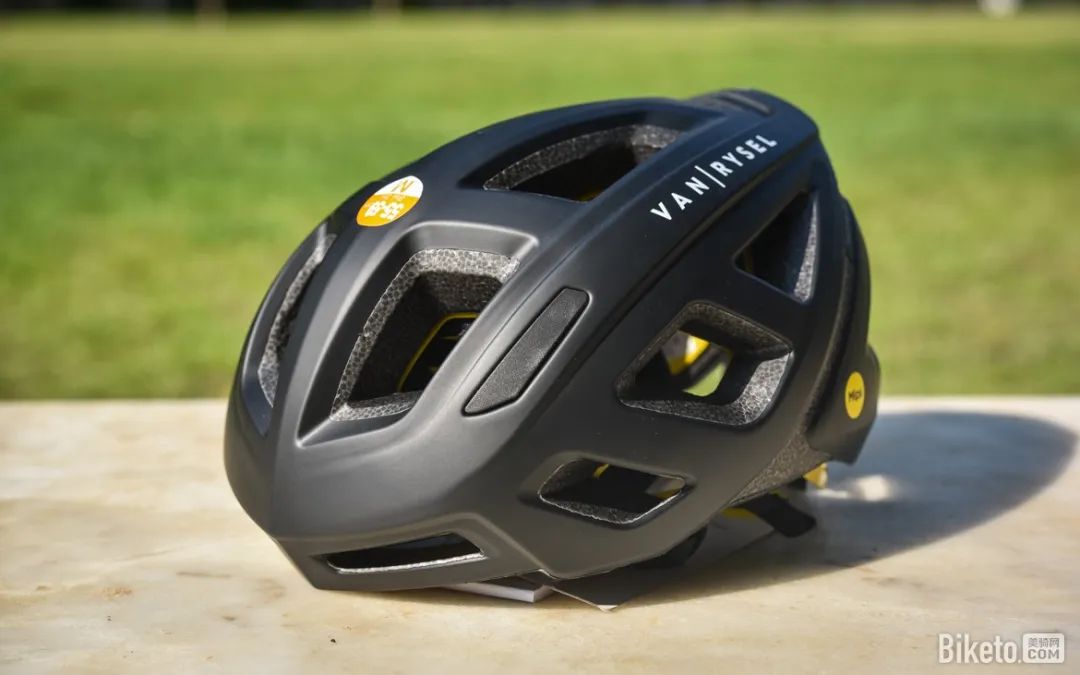
Although I prefer the gradient blue color, unfortunately, the black M size is my size, so I can only wear it for testing. The M size is labeled for a head circumference of 55-59cm, but during actual testing, my 55.5cm head circumference fits the M size just right, with not much extra space; I estimate the maximum should be around 57cm for head circumference.
The helmet’s inner cage is more oval-shaped, typical for European and American head shapes. I have a neutral head shape and can wear some European size helmets, and I find the VAN RYSEL 500 MIPS very comfortable without any pinching or pressure. However, when it comes to helmets, I still recommend trying them on before purchasing.
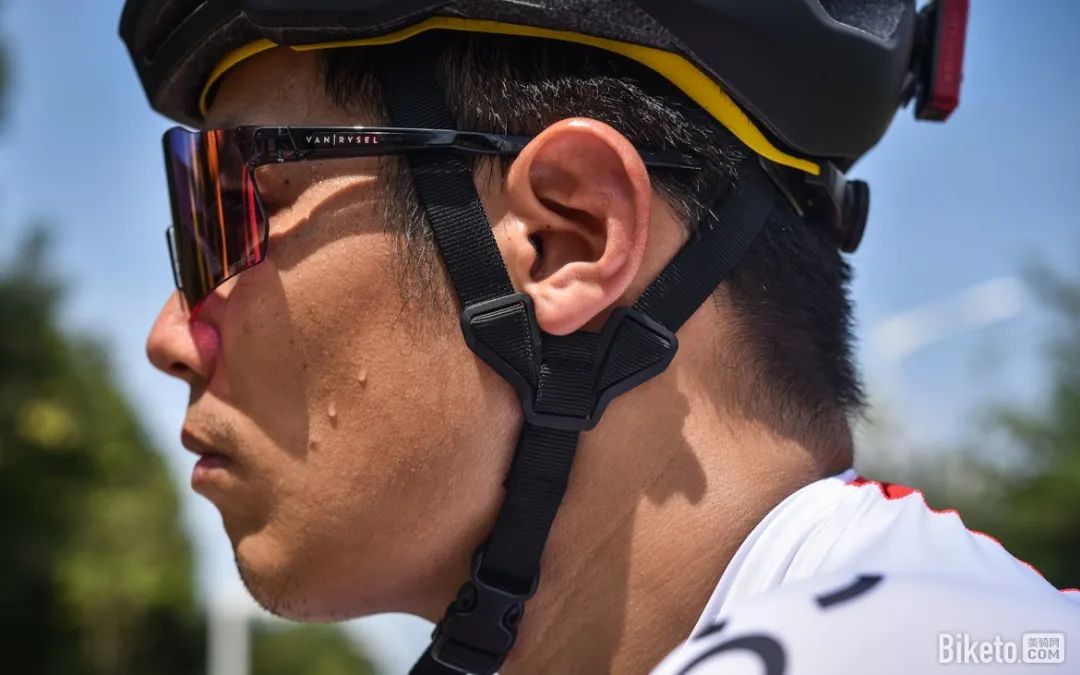
After fastening the straps, I noticed that the sliding divider looks like the one on the brand new SW helmet, but in reality, the lower part of the strap is directly sewn onto the divider’s strap, making it non-adjustable. As the divider material is quite stiff, if the position of the divider is not just right, it can feel uncomfortable against the earlobe.
Because the MIPS and suspension system are integrated, the suspension height is not adjustable. Personally, I feel the height is just right, but for those who are sensitive to the suspension height, you should take note.
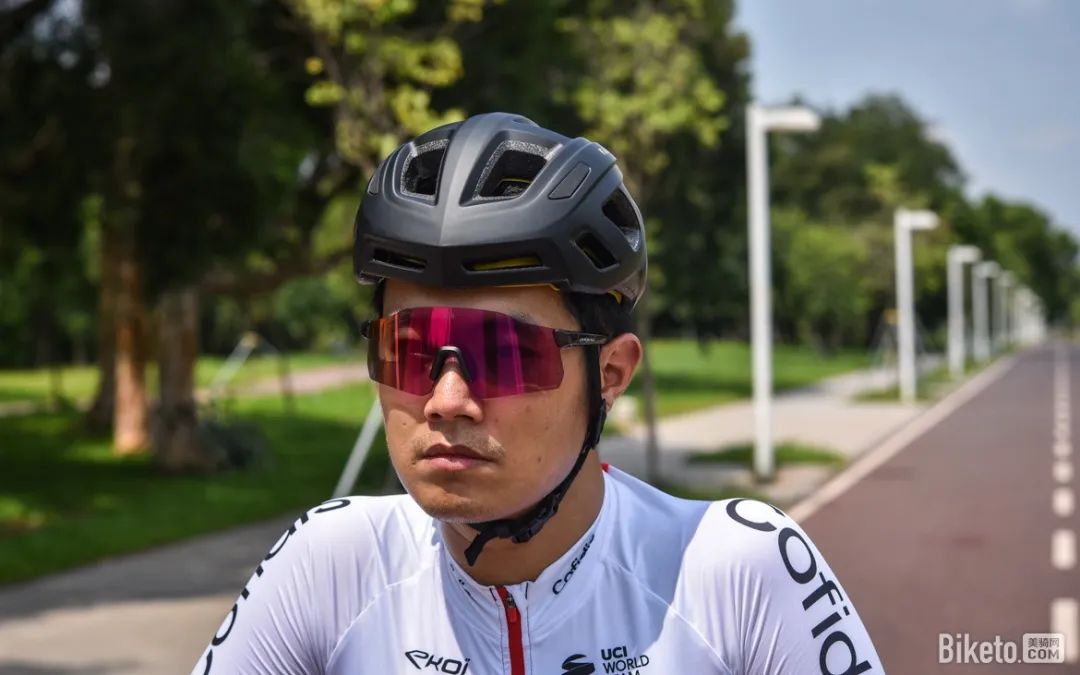
I am quite satisfied with the design of the helmet’s body, as it is tapered on both sides, completely avoiding the “mushroom head” look.
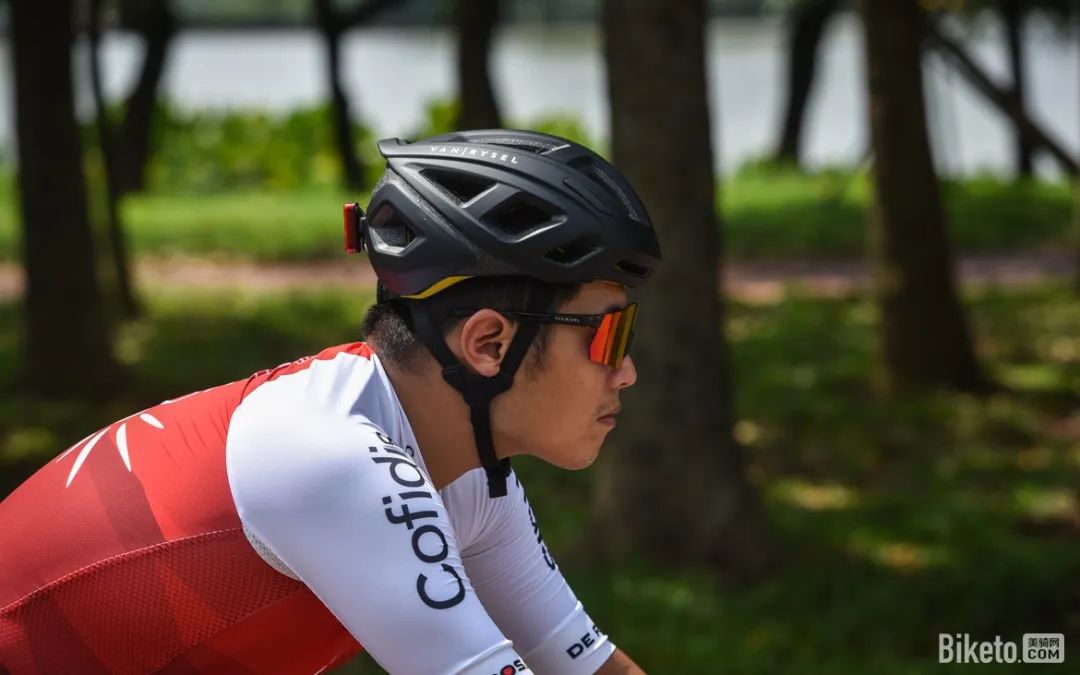
The front design of the helmet is excellent; the inner cage is not designed too deep, ensuring that even with some higher-edged glasses, there won’t be any interference. The front edge of the inner cage is also relatively thin, which reduces protrusions and contributes to better visibility, which is very important for beginners. Since beginners may not have a strong core, maintaining an upright posture for long periods can be challenging. Therefore, helmets with clear visibility are needed; even slightly lowering the head won’t affect the view. This aspect deserves praise.
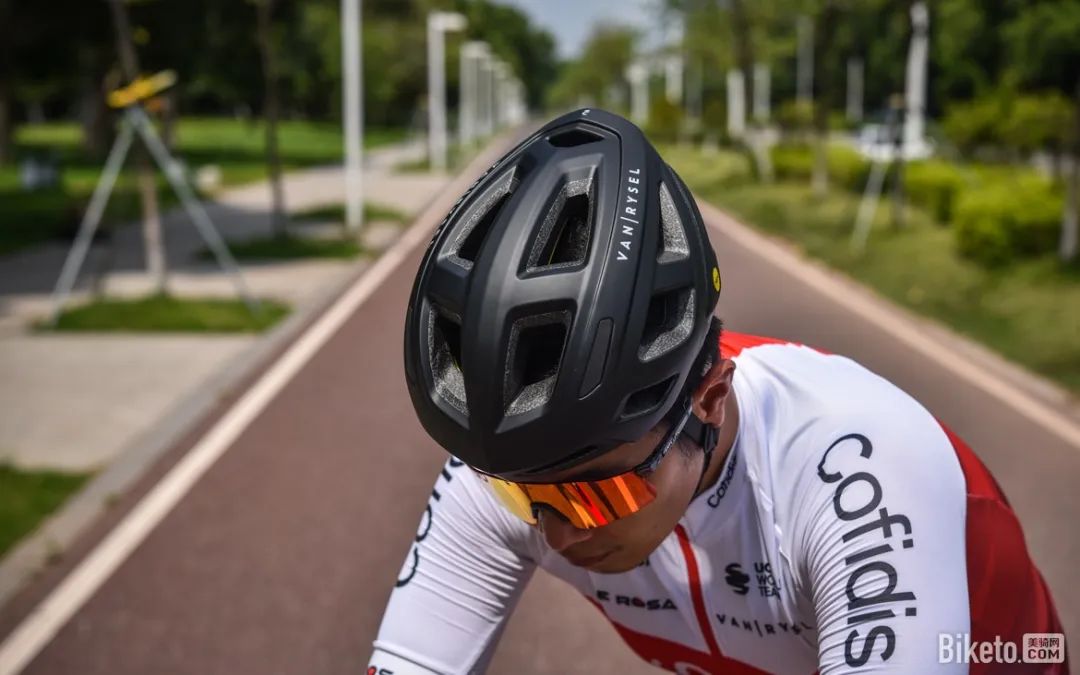
The ventilation and heat dissipation performance also deserves a good review. The large openings provide ample passive ventilation, ensuring decent breathability even during low-speed rides. In the hot summer, I wore this helmet for commuting and didn’t feel stuffy at all. However, since the forehead lining does not wrap around the forehead and the MIPS slightly blocks the front ventilation, when sweating heavily, there is no lining to absorb sweat on the sides, causing sweat to flow down the cheeks. That said, the central portion of the lining is thick enough, and its sweat absorption efficiency is quite good.

The VAN RYSEL 500 MIPS is priced at 349 yuan, which inevitably leads to comparisons with the “Lightning 299”. The “Lightning 299” helmet is designed for urban riding environments, has smaller openings, and combined with the MIPS layer, cyclists generally report that it feels warmer; the “Decathlon 349” is sport-oriented, optimized in a wind tunnel, providing significantly better ventilation and slightly lighter weight. If you are not particularly brand-conscious, then the “Decathlon 349” will provide a better wearing experience.
However, I still believe that the original “249” is the better choice, as it is lighter and has slightly better ventilation.
Review Summary
Pros: Good ventilation and breathability, high cost-performance ratio, MIPS, clear visibility
Cons: Non-adjustable suspension and divider, insufficient forehead lining coverage
Finally, here’s a question for you: will you choose the “249” or will you increase your budget by 100 yuan to buy the “349” with MIPS?

 “FinancialTools?ValueToolsPoint”
“10VehiclesSpeedDownhillWorldCupBattlePoint”