Hello everyone, I am Bao Ma. Originally, I planned to discuss how to prevent myopia in children in this cyber age this Tuesday,
but on the way back from Zhaoqing to Guangzhou, I received a call from my cousin early in the morning.
Her 3-year-old child was admitted to the ICU three days ago.
I was shocked and asked what happened.
My sister cried and said, severe influenza A.
She said the child first had a mycoplasma infection, was almost recovered, then caught the flu, and it was only after two tests that they confirmed it was influenza A.
Previously, every time there was just a fever, it would pass, but this time it was so serious. She was scared and at a loss.
On the other end of the phone, my sister kept asking me:
“Isn’t it just influenza? Is it really that serious?”“Why does the flu have complications?”“What should I do?”
Every question my sister asked made my heart ache. I realized that many mothers really underestimated the flu.
In recent years, many children have actually lost their lives due to influenza.

So today, I will not talk about anything else, just one thing:
When children encounter influenza,
what do we need to pay attention to?
01
Three years ago,the complications of influenza
The first and most important point is complications.
I feel ashamed that although I am a cardiovascular doctor, I previously lacked awareness of the horror of influenza.
Until the end of 2021, when our family of three caught the flu,
the child had a recurring high fever, and around the third day, the fever finally subsided. That night, my husband and I took him to buy a small gift to celebrate defeating the flu.
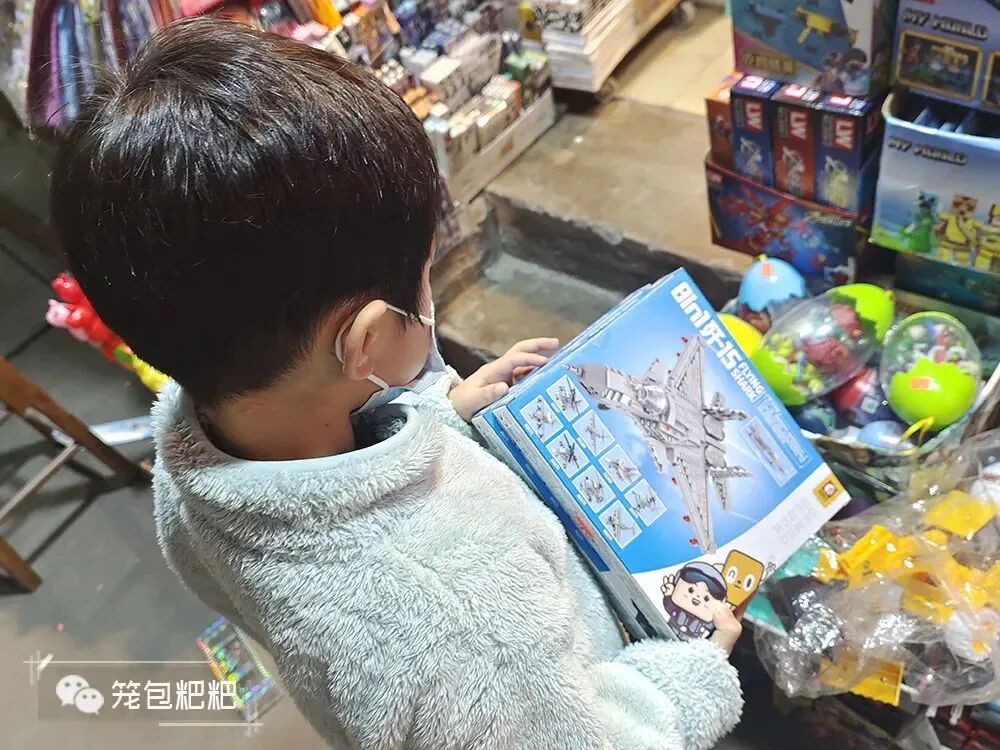
Unexpectedly, the next day,
the child woke up and said he couldn’t stand up,
I consulted a pediatrician friend, and she immediately became serious and said: Go to the hospital immediately!
There are two possibilities:
1. Muscle tissue has been damaged2. The virus has invaded the nervous system
I still remember, looking at the WeChat message from my friend, my hands were shaking, and my scalp was numb…
That day, I held my weak child and rushed to the hospital as fast as I could, and the tests confirmed that it was indeed:
Rhabdomyolysis caused by influenza virus infection.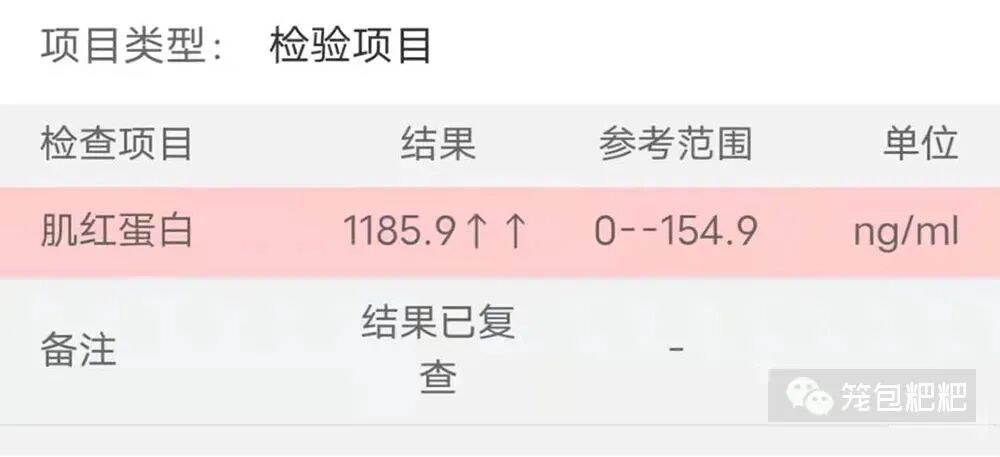
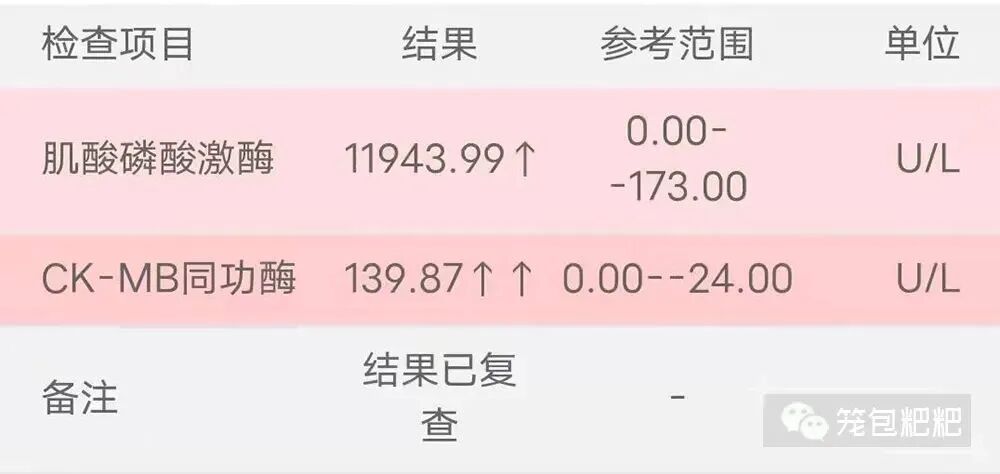
After that, my husband and I took turns staying up all night with him. Fortunately, after a thrilling seven days, the child finally recovered completely.
Afterwards, I analyzed with my pediatric colleague,
she said: There are indeed many complications seen clinically with influenza,and getting the flu vaccine every year is very necessary!
So since then, every flu season, my husband has been nagging and writing articles to remind everyone not to underestimate the flu.

02
After a deeper understanding,
the two terrifying aspects of influenza
Why do most parents think of influenza as just a common cold? I thought about it and realized that it might be because we ordinary people have never understood it from a “global” perspective.👇
Over a hundred years ago, the Spanish flu ravaged the world for 18 months,
infecting about 500 million people and causing 50 million deaths,more deaths than in World War I.
So, influenza is not just a big cold, it is much scarier than a common cold,
its most terrifying aspects are:
1️⃣ Extremely strong contagiousness2️⃣ Possible severe complications
Strong contagiousness means that if you find that there is a “cold” and the whole family gets infected, or many children around are infected,
then it is very likely not just a common cold, but influenza or COVID-19, which are highly contagious.
Next, I will focus on complications,
For most people, after catching the flu, resting for a while will lead to complete recovery,
but this process is quite painful, with fever, body aches, and extreme fatigue being unavoidable,
but at the same time, let me emphasize:
Anyone infected with influenza may develop severe illness or complications.
These complications include but are not limited to:
pneumonia, neurological damage, myocardial damage, skeletal muscle damage, etc.,
In short, the influenza virus can directly or indirectly attack various systems of the body, like the rhabdomyolysis my child had before, which belongs to skeletal muscle damage.
Among them, one complication we least want to see is:
Acute necrotizing encephalopathy
Its horror lies in the fact that once it occurs, the risk of death is very high, with different countries reporting varying rates,
In China, Japan, Australia, the UK…
the mortality rate is between 25-70%,
Many children who fall ill suddenly and do not receive timely diagnosis and treatment often leave because of this complication.


Acute necrotizing encephalopathy, besides having a high mortality rate, also has a heart-wrenching characteristic:
It has a very rapid onset, coming on very suddenly,
Often, a child who seems fine suddenly shows flu symptoms, and before adults even notice, within about 24 hours, symptoms like convulsions and consciousness disorders may appear,
and then the condition deteriorates rapidly.
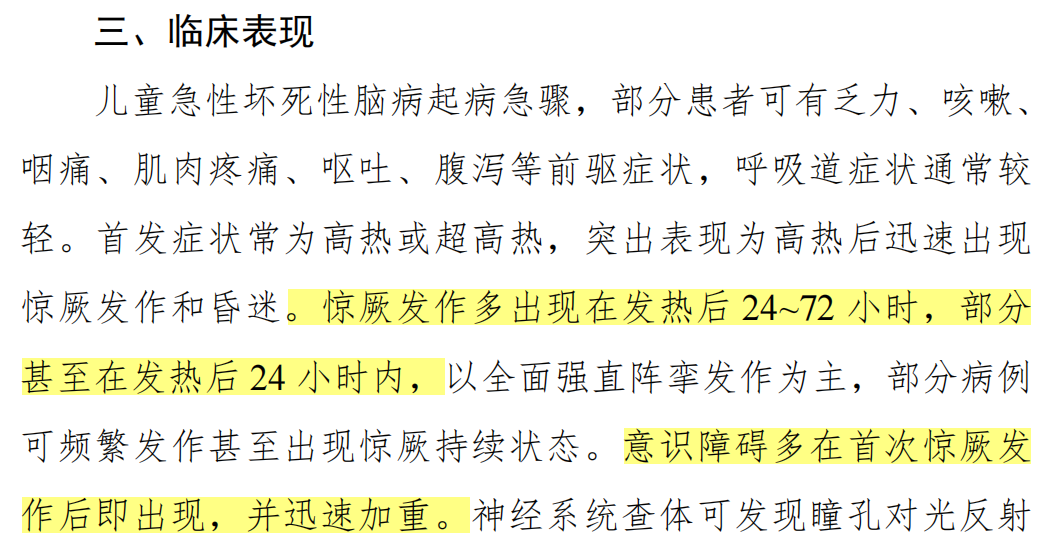 (Children’s Acute Necrotizing Encephalopathy Diagnosis and Treatment Plan 2023)
With severe illness and rapid onset, seeing this, you must be wondering, what can we ordinary parents do to identify and prevent it?
Don’t worry, I will detail this later,
because before that, I want to emphasize the most important point for us parents:Timely diagnosis of influenza
Because diagnosis is fundamental, disease is essentially a race against time, and the earlier parents can identify the enemy, the more accurately they can use medication and the more likely they are to win.
03
Let’s identify first!
The limitations of influenza testing…
The process of my cousin’s child Dudu getting sick was actually quite tortuous, lasting a full month.
Initially, when he had a cough and runny nose, they went for a check-up, and it was a mycoplasma infection.
However, just when the child was about to recover after half a month, after going downstairs for a bit,
the next day, he suddenly had a high fever, worsened, and started to have severe wheezing,
but at that time, the flu antigen test was still negative.
Five days later, my sister checked again and found—”Bam!” Double positive.
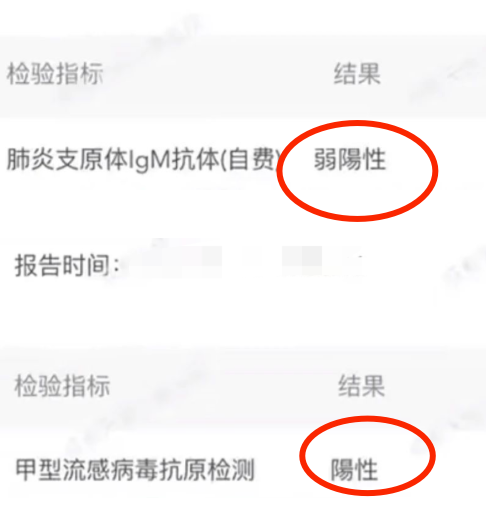
Here,
actually gives us two important reminders:
1️⃣ If symptoms are recurrent, with fever going down and then coming back, it may mean your enemy is not just one—mixed infection, meaning more than one pathogen is at play. I previously chatted with a friend in respiratory medicine, and he said that the recent tight hospital beds in Guangzhou are largely due to mixed infections.Originally, if influenza/mycoplasma/bacterial infections came separately, they would recover in one or two weeks without needing hospitalization.But with a combination, it becomes complicated, and pneumonia may develop, requiring hospitalization, and even after discharge, recovery takes time…❗️So, when your child is not fully recovered, make sure they rest well and avoid getting cold, as their immunity is low and they can easily be attacked by other pathogens!2️⃣ A negative flu test does not rule out influenzaMany people, like my sister, have had their child test negative for influenza and breathed a sigh of relief, not thinking about it anymore, as there are too many worries when a child is sick.But in reality, when it comes to flu testing, there’s a saying:“Rapid antigen tests for influenza can confirm a diagnosis but cannot rule it out.”In layman’s terms: A positive result is a true positive, but a negative result is not necessarily a true negative.
❗️ Tests for influenza A and other strains often exhibit “lag time”.
So, what should we parents do? Please remember a time window:
24-96 hours
From the time the child starts showing symptoms, this is when the viral load in the nasopharynx is highest and most easily detectable; testing too early or too late may yield negative results.For my sister’s child, it was tested too early and did not show up.Additionally, even if the result is negative, it’s advisable to test again after a day or two. Flu test kits are available at pharmacies, and you can test your child at home by following the instructions.Moreover, if there are confirmed cases of influenza among people around your child, and your child shows similar symptoms, or if there is an official announcement of a flu peak season,even if the test is negative, it is highly likely to be influenza,because the flu is so contagious that if it’s present, other pathogens are unlikely to invade..
04
If your child gets infected,
what can we do?
Finally, every time a child gets sick, I believe you, like my sister, instinctively search online,
including myself, I immediately picked up my phone to search for “rhabdomyolysis”,
but the information online is too fragmented, and it’s hard for ordinary people to discern the reliability of sources. Most likely, after a flurry of searches, you won’t have a clear understanding of the illness,and instead, you’ll be scared to death.
So at this time, what I want everyone to do is,
Calm down and clarify two things:
1️⃣ The current situation of the childWhen did the child’s symptoms appear?What discomforts are there? Is there a trend of worsening?What is the temperature?Is their spirit, appetite, and sleep good?Why is it important to understand these? Because these are the basic questions to assess severity, and doctors also gather information this way.I suggest you develop a habit,❗️When your child first shows signs of illness, open a memo and record their temperature, appetite, whether they are vomiting or have diarrhea, and the specific time points,so that it can help parents observe, and when medical attention is needed, doctors can have a more detailed and comprehensive understanding of the child’s condition, which will naturally increase the accuracy of their judgment.
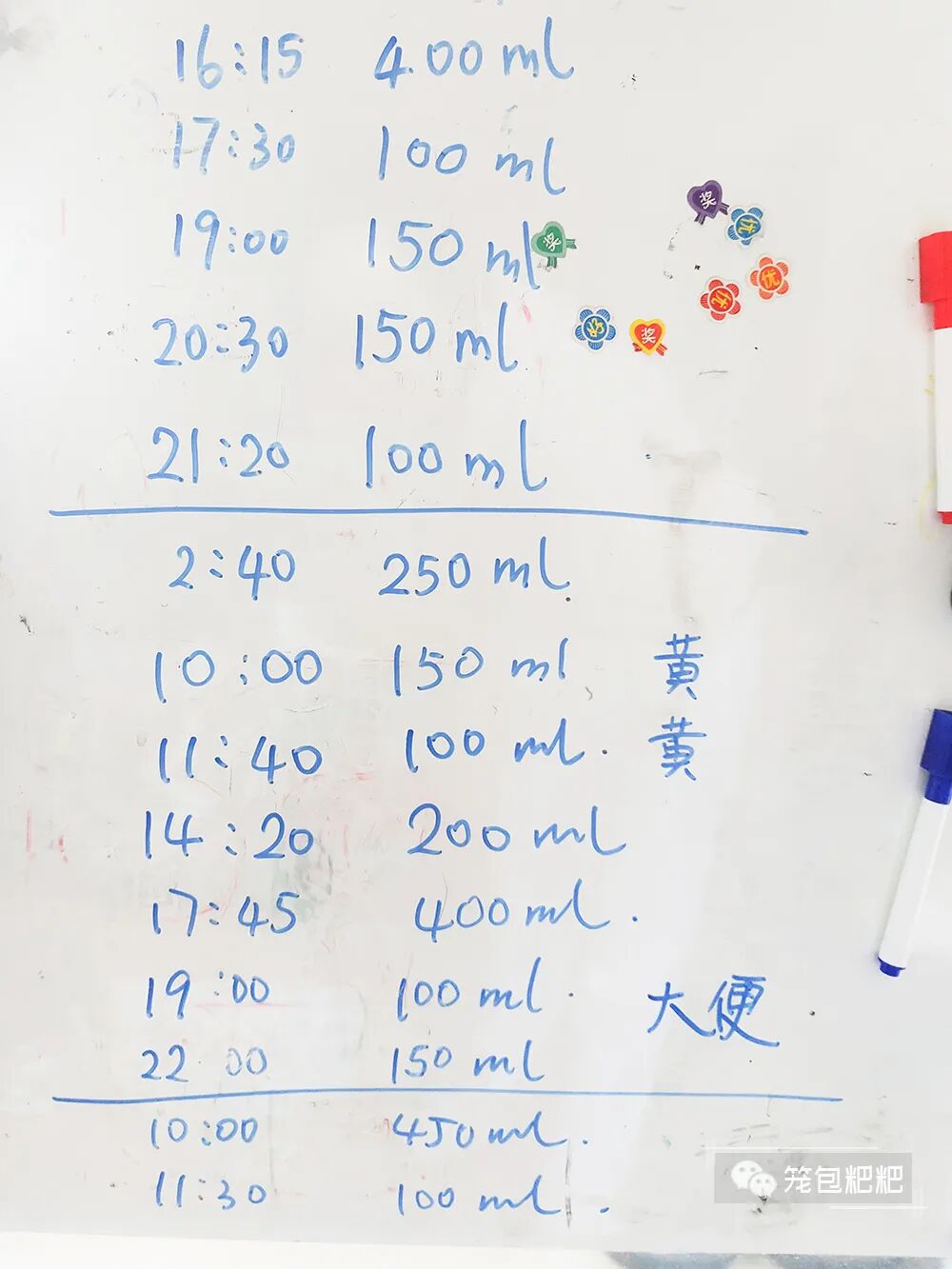 (Last time when the child had flu and developed muscle breakdown, I recorded his urine output)
2️⃣ How did the child behave in previous flu cases?What were the symptoms like in previous flu cases?If they have never had the flu, what were the symptoms when they had a fever?What medications worked in the past?What should be noted during care? For example, allergies, which medications cannot be usedRecalling past situations is really important!Because doctors have professional knowledge,but how the illness manifests and develops varies from child to child, and parents should know better.❗️By comparing, if you find abnormalities, you can promptly decide whether to seek medical attention or confidently urge the doctor to notice these abnormalities, which is extremely important for parents.
After doing these two points, we actually have a better observation and judgment of the overall situation.
Now, the last question:
Should we care for them at home?
Or take them to the hospital?
First of all,
This is a very personal choice. I honestly say that in most cases, both paths are okay. I personally even recommend home care,
because during the recovery period of influenza, a child’s sense of security, good rest, and good meals are sometimes directly proportional to the time it takes for them to recover.
Allowing children to recover on their own without excessive medical intervention can also strengthen their immune system.
Moreover, with home care, parents also don’t have to suffer.
However,
if you encounter any of the following four situations, do not hesitate, take the child to the hospital immediately:
1️⃣ Infants under 3 months with fever:
For babies of this age, it is really difficult for parents to assess the severity of the fever, so let the doctor make the judgment. If it’s nothing, we can feel at ease.
2️⃣ Persistent high fever that does not subside:
This mainly refers to cases where, after taking antipyretics, especially if the child has previously taken “effective” antipyretics, the temperature remains above 39°C.
Or for children under 2 years old, if they have recurrent fevers for 24 hours, and for children over 2 years old, if they have recurrent fevers for more than 3 days, it is advisable to see a doctor as soon as possible.
Because persistent high fever, especially with lethargy, may indicate a serious condition.
3️⃣ Signs of pneumonia or other complications:
Pneumonia is the most common complication of influenza, and once it occurs, it is very difficult to manage at home.
So if the child shows symptoms like severe coughing, increased phlegm, rapid breathing, difficulty breathing, or even pale complexion or bluish lips and nails, they should seek medical attention promptly.
Other possible complications include chest pain from myocarditis, muscle pain from muscle damage, and abnormal urine output or color from kidney damage.
In short, if there are any abnormal symptoms, it’s advisable to consult a doctor.
4️⃣ Signs of dehydration:
Parents who have experienced rotavirus infections and gastroenteritis in children may be familiar with dehydration.
However, influenza viruses can also attack the gastrointestinal tract, causing diarrhea and vomiting in children.
Combined with fever, reduced food intake during illness can lead to dehydration.
So if the child shows signs of dehydration such as lethargy, decreased urine output, or extreme thirst, they should be given fluids while seeking medical attention.
❗️ In the above four situations,
not only should you seek medical attention promptly,
but also try to go to a tertiary hospital or a pediatric specialty hospital,
because there, the doctors have ample experience, and the equipment is comprehensive, which can provide the most timely treatment for the child.
5. Finally, returning to complications, vaccines, and antiviral medicationsWhat I discussed above are actually 99% of normal situations.But we must also acknowledge the last 1%, which is the most concerning and frightening aspect,the complications of influenza,First, remember the following groups of people,they are more likely to develop complications and need to be protected:
-
Children under 5 years old (especially those under 2 years old);
-
Older adults aged 65 and above;
-
People with chronic respiratory diseases, cardiovascular diseases (excluding hypertension), kidney diseases, liver diseases, blood system diseases, neurological and neuromuscular diseases, metabolic and endocrine diseases (such as diabetes), malignant tumors, and immunosuppressed conditions;
-
Obese individuals (BMI >30kg/㎡);
-
Pregnant women, women within two weeks postpartum or post-abortion;
In summary, young children (especially those under 2 years old), the elderly, pregnant women, and those with underlying conditions need to be prioritized for protection.
Looking at it this way, every family will have a few members who belong to the high-risk group for influenza complications.
Currently, the protective measures against influenza include influenza vaccines, masks, and hand sanitization measures, etc., all of which should be implemented.
My husband has written many articles about the influenza vaccine before,
and now we are at the tail end of the influenza vaccine season,
If you haven’t received the vaccine in the past year, hurry up and catch this last train.
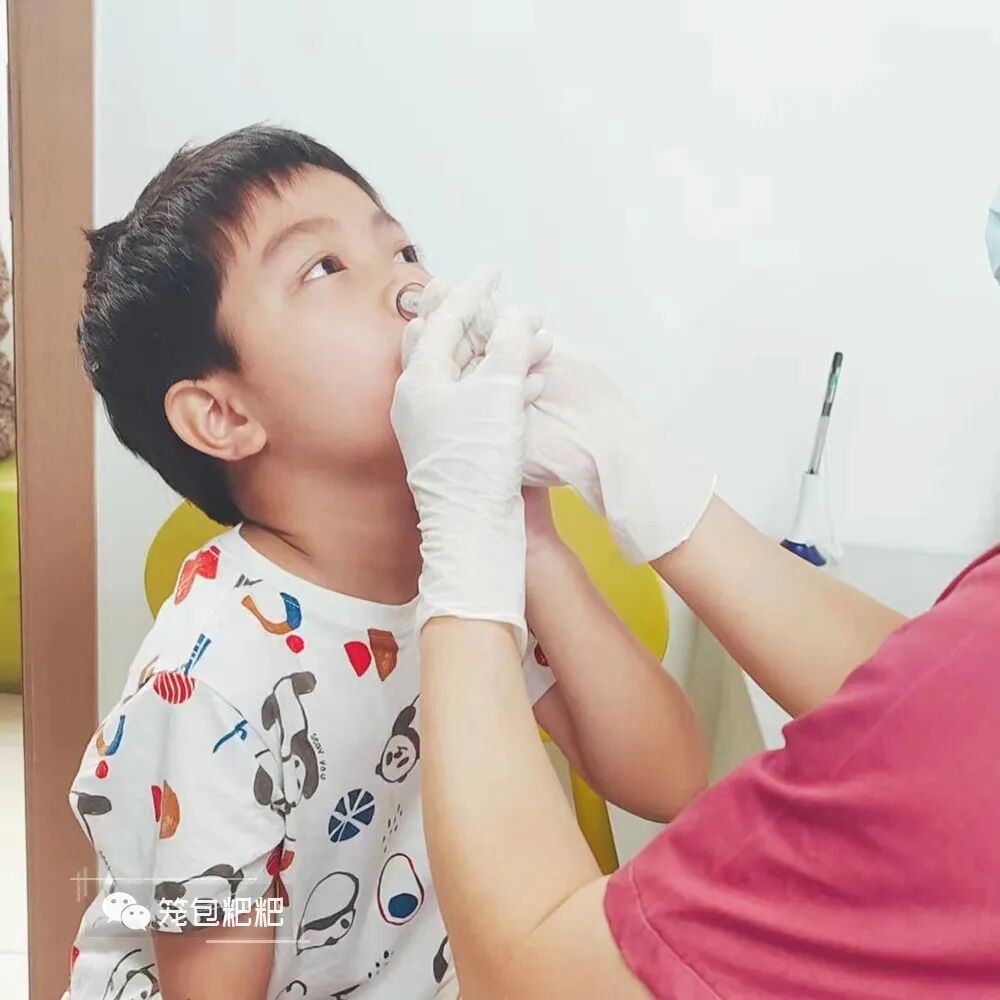 (Nasal spray influenza vaccine is also an option)Finally, regarding antiviral medications, I personally suggest that if there are elderly individuals over 65 or children under 5 in the household, it’s wise to keep antiviral medications on hand for emergencies.Of course, it’s also fine to go to the hospital to get medication after catching the flu,but since antiviral medications are most effective when taken early, it’s better to be prepared than to be caught off guard.As for which medication to choose, there are two options: Oseltamivir (Tamiflu) and Baloxavir marboxil (Xofluza).Among the two, you can choose the one that has worked well for your child in the past,with Oseltamivir being suitable for a wider range of people, including children over 2 weeks old, adults, pregnant women, and breastfeeding mothers.Baloxavir marboxil (Xofluza) is newer and more convenient to take,and last year the instructions were updated to allow use for patients aged ≥5 with influenza A and B (the previous version was for those aged 12 and above), but overall, its applicable population is not as broad.
That’s all for today’s sharing! My sister sent a message last night saying the child’s high fever finally subsided and he has been transferred to a regular ward.
Although his little face is still a bit red, he can happily play with his favorite building blocks now.
At this point, my sister remembered that she also caught it a few days ago, with headaches, muscle aches, and coughing so much that she was on her knees.
My sister said: When I was young, I was particularly dramatic when I got sick, not wanting to get out of bed, asking my mom all day, “Am I going to die?”
I can’t imagine now, when I have a fever, I can still carry a 30-pound child around to see doctors and get tests, staying up all night caring for him, suctioning mucus, and monitoring fluids.
Now that the child is better, I feel like I’m already much better without taking any medicine, and the whole day feels bright.
The longer I stay in the hospital, the more I see people coming and going,
but what remains unchanged is that children are being carefully cared for by their parents.
I hope every child in the world is always safe, healthy, and free from worries and pain.
May every parent have a little less worry and a little more smile ❤
References:
1. Expert Consensus on the Diagnosis and Treatment of Influenza in Children (2020 Edition)
2. AAP Recommendation for Prevention and Control of Influenza in Children, 2023-2024
3. FluView Summary, https://www.cdc.gov
4. Diagnosis and Treatment Plan for Children’s Acute Necrotizing Encephalopathy (2023 Edition)
5. Technical Guidelines for Influenza Vaccine Prevention and Immunization in China (2023-2024)
6. Advances in Genetic Research on Children’s Acute Necrotizing Encephalopathy, 2020
7. Optimizing Antiviral Treatment for Seasonal Influenza in the USA: A Mathematical Modeling Analysis. BMC Med, 2021
More Useful Information
○[Influenza] The flu peak is just around the corner, how to get vaccinated? Is it still time to get vaccinated?○[Influenza] A thrilling seven days, my son said he couldn’t stand up after catching the flu!○[Influenza] Off-season flu is attacking, fever clinics are overcrowded, what to do if infected?○[Vaccine] A guide to self-paid vaccines for children, with two recommendations to arrange soon!○[Hand, Foot, and Mouth Disease, Pharyngitis] The infectious diseases that cause kindergartens to close every year are back; this “battle preparation” guide is a must-save.○[Growth Science] The neighbor’s daughter is 13 years old and only 1.4m tall; is the traditional breakfast really wrong?
○[Precocious Puberty] Children taller than their peers may end up shorter as adults? Don’t underestimate the issue of precocious puberty.
○[Tooth Loss Science] A friend panicked when she found out her 5-year-old daughter had “double rows of teeth” and asked me overnight, “What should I do?”
○[Nutritional Breakfast] Don’t miss the spring growth season; first, fill in these nutritional gaps in breakfast!
○[Myopia Prevention] Avoid pitfalls! How to prevent myopia in children? What to do if they really have myopia?
○[Vision Protection] Is “hyperopia reserve” really that important? What to do if it is found to be insufficient?
○[Hyperopia Reserve] What is the normal hyperopia reserve value for children of different ages?
Click the article links above for more useful articles, or reply “directory” in my public account to view all articles!Long Bao Ba Author’s ProfileFounder of the neutral milk powder evaluation platform “Milk Powder 123”, a rational and scientific dad. Here, you can see the insider information and truths that merchants won’t tell you, so you won’t waste money and can choose the best baby and maternal products. (Public account name: Long Bao Ba)