“ In today’s highly digital world, we are surrounded by countless smart devices. From smartphones to autonomous vehicles, from IoT sensors to large-scale data centers, these technologies rely on various processing chips. However, faced with the dizzying abbreviations of CPU, MCU, MPU, SoC, DSP, ECU, GPU, and FPGA, even industry professionals can sometimes feel confused.”
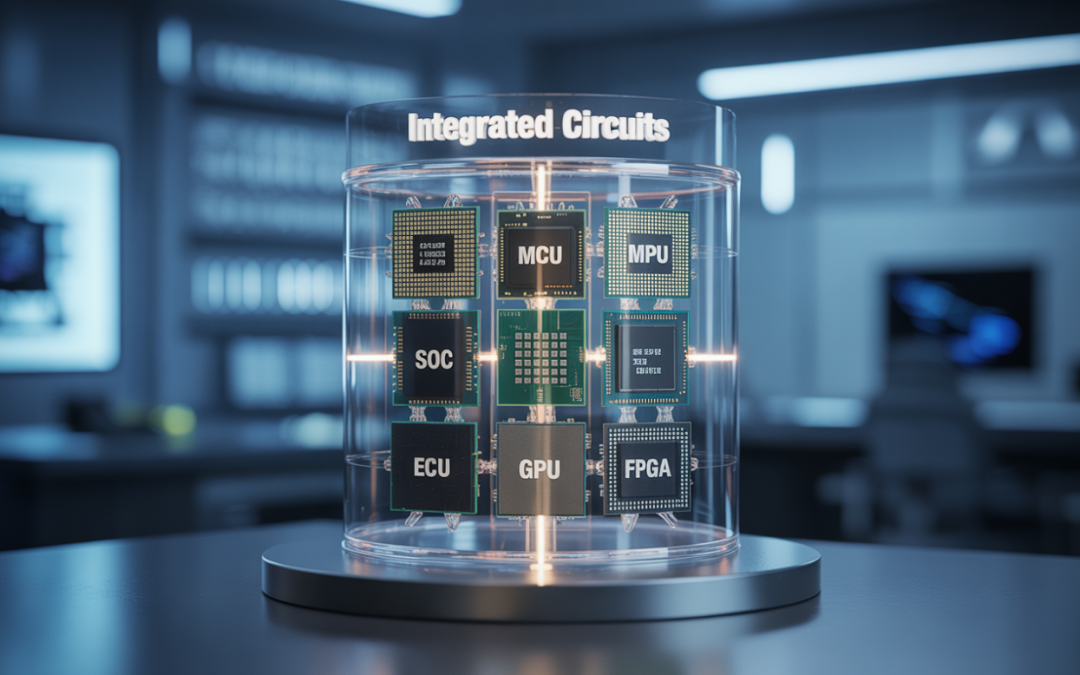 This article aims to systematically analyze the definitions, characteristics, performance, and application scenarios of these core concepts from a professional and rigorous perspective, helping you build a clear and accurate technical understanding framework.The First Tier: The Brain and Core | The Core Processors
The members of this tier are the brains of computing devices, executing instructions at their core.
1. CPU (Central Processing Unit) – Central Processing Unit
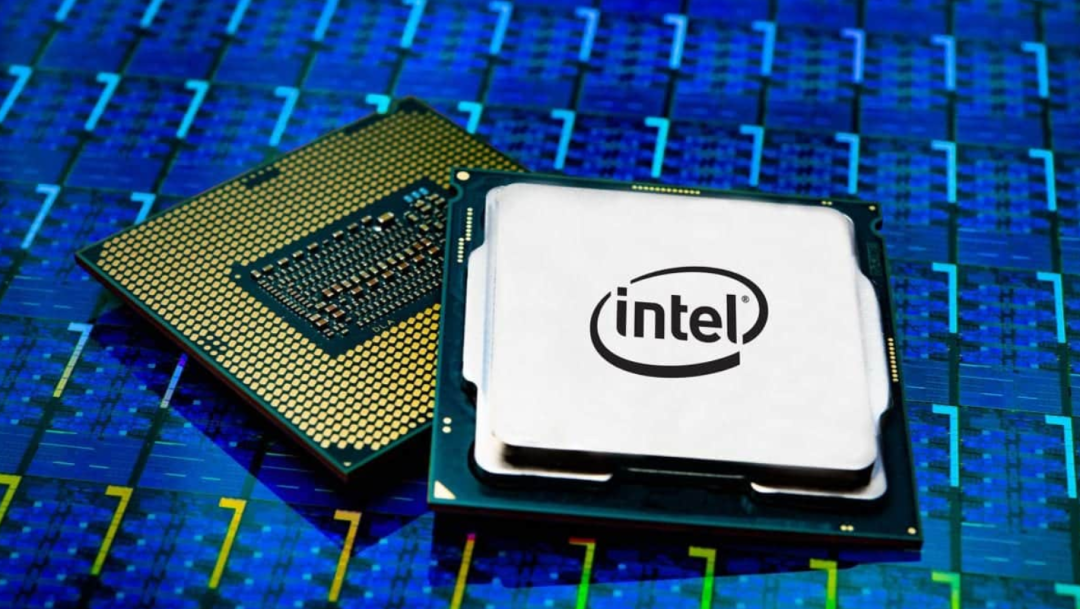
The CPU is the most familiar concept to us; it is the absolute core of general computing devices such as personal computers and servers.
-
Core Function: Responsible for interpreting and executing complex operating system instructions and user programs. Its design goals areversatility and high timing performance, striving to process complex single tasks in the shortest time possible.
-
Architectural Features: Equipped with a powerful Arithmetic Logic Unit (ALU), complex control units, multi-level high-speed caches, and a Memory Management Unit (MMU) that supports virtual memory management. To optimize single-core performance, its pipeline design is very complex.
-
Typical Applications: Personal computers, servers, workstations. It requires a large number of external components such as motherboards, memory (RAM), and hard drives to form a complete system.
2. MPU (Microprocessor Unit) – Microprocessor
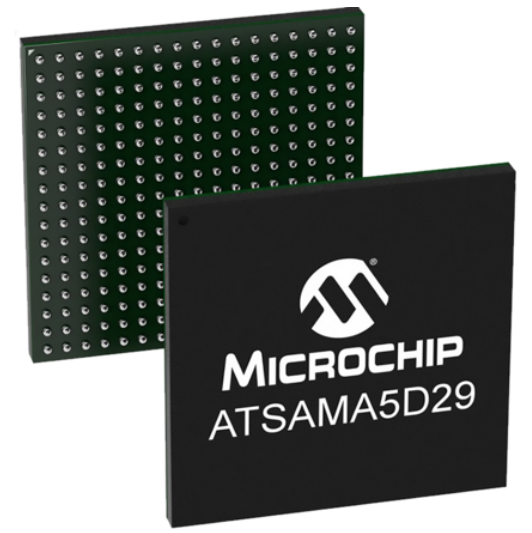
The MPU is essentially a CPU. In the context of embedded systems, MPU usually refers to those powerful CPUs capable of running complete operating systems (such as Linux, Android).
-
Core Function: Similar to a CPU, but focuses more on high-performance computing in embedded environments.
-
Architectural Features: High-performance cores (such as ARM Cortex-A series), equipped with an MMU, capable of connecting to large-capacity DDR SDRAM. It does not integrate RAM or Flash.
-
Relationship with CPU: The MPU can be considered a high-performance CPU aimed at the embedded field. Nowadays, the boundary between the two has become very blurred.
3. MCU (Microcontroller Unit) – Microcontroller
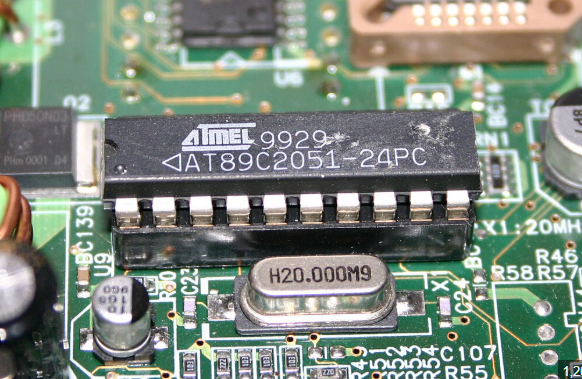
If the MPU is a “brain” that requires many followers (peripherals), then the MCU is a “small but complete” microcomputer.
-
Core Function: Designed specifically for control. It does not pursue extreme computing performance but emphasizes high integration, high reliability, low power consumption, and real-time performance.
-
Architectural Features: Integrates a CPU core (such as ARM Cortex-M series), RAM (SRAM), Flash memory, and various peripheral interfaces (such as GPIO, ADC, UART, I²C, SPI) on a single chip.
-
Typical Applications: Home appliances, industrial control, IoT terminals, automotive electronics, etc. It can operate independently upon power-up without complex external circuits.
The Second Tier: Systems and Integration | The System Integrators
The members of this tier represent the evolution from single components to complete systems.
4. SoC (System on a Chip) – System on Chip
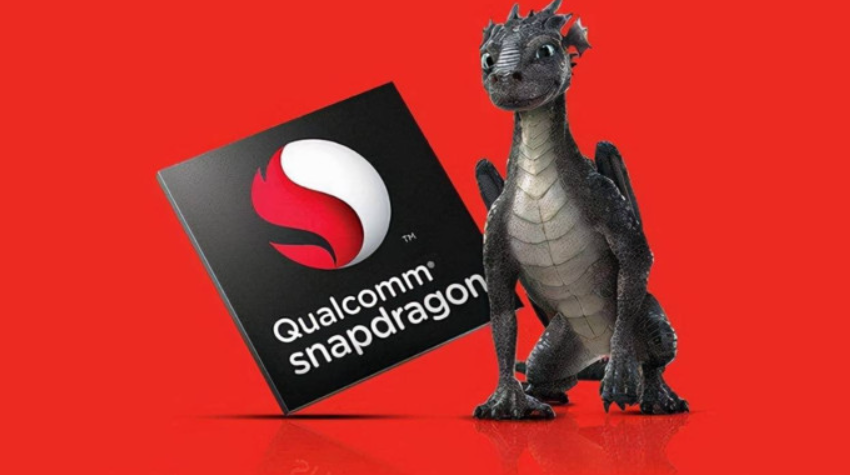
The SoC is the ultimate embodiment of the semiconductor industry’s trend towards integration, aiming to integrate a complete electronic system onto a single chip.
-
Core Function: Achieves a complete, independently functioning system.
-
Architectural Features: Typically centered around one or more MPUs or MCUs, and based on product requirements, integrates GPU, DSP, memory controllers, audio/video codecs, communication modules (WiFi, Bluetooth, 5G), and other functional units.
-
Typical Applications: Smartphone processors (such as Qualcomm Snapdragon, Apple A series), smart TV chips, router chips, etc. The emergence of SoC has greatly reduced the size, power consumption, and cost of electronic products.
5. ECU (Electronic Control Unit) – Electronic Control Unit
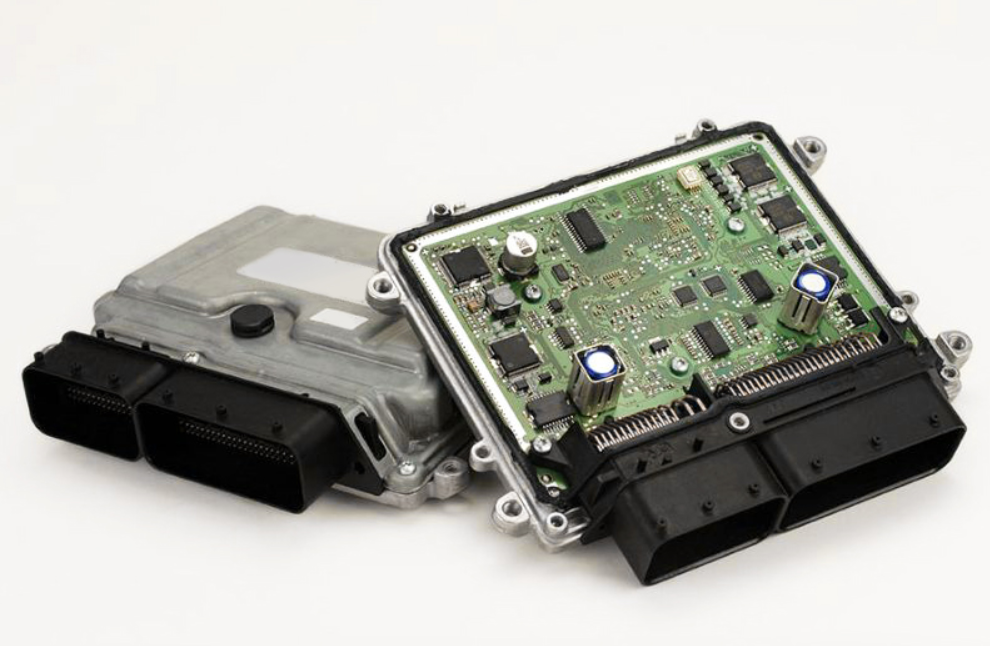
The ECU is an application layer concept, specifically referring to embedded systems used in automobiles, rather than a single chip.
-
Core Function: Controls specific subsystems of the vehicle.
-
Composition: The ECU is a complete module, typically encapsulated in a housing with MPU/MCU, memory, input/output interfaces, power circuits, and other components. Its core processor can be one or more MCUs or MPUs.
-
Typical Applications: Engine controllers, Anti-lock Braking Systems (ABS), airbag controllers, Electronic Stability Programs (ESP), infotainment systems, etc. A modern vehicle may contain dozens or even hundreds of ECUs.
The Third Tier: Specialists and Accelerators | The Specialists & Accelerators
The members of this tier are designed for specific tasks, achieving efficiency far beyond that of general processors.
6. GPU (Graphics Processing Unit) – Graphics Processor
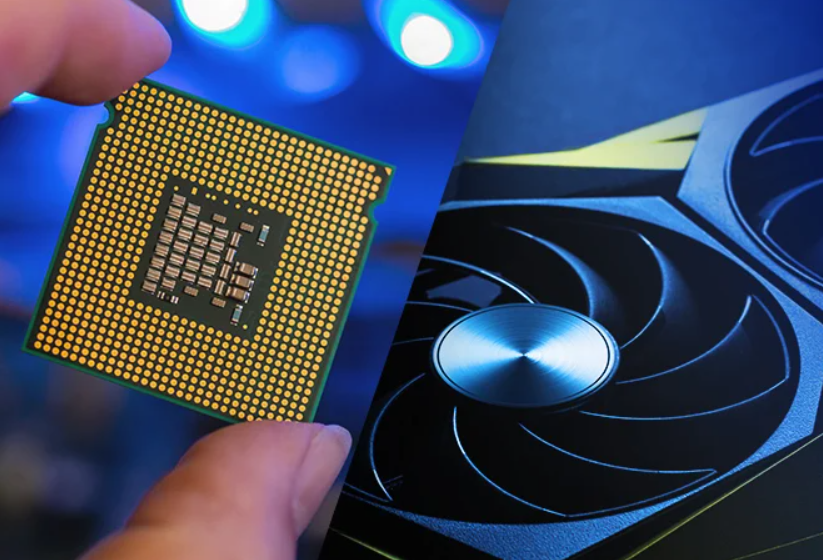
The GPU was originally designed to accelerate graphics rendering and has now become the king of parallel computing.
-
Core Function: Efficiently processes parallel computing tasks.
-
Architectural Features: Composed of hundreds or thousands of small-scale computing cores (ALUs), adopting a Single Instruction Multiple Data (SIMD) architecture. It excels at breaking down complex tasks into many simple tasks that can be executed simultaneously for “brute force” computation.
-
Typical Applications:
-
Graphics Rendering: Gaming, professional graphics.
-
General-Purpose Computing (GPGPU): Training AI models, scientific computing, cryptography, digital currency mining.
7. DSP (Digital Signal Processor) – Digital Signal Processor
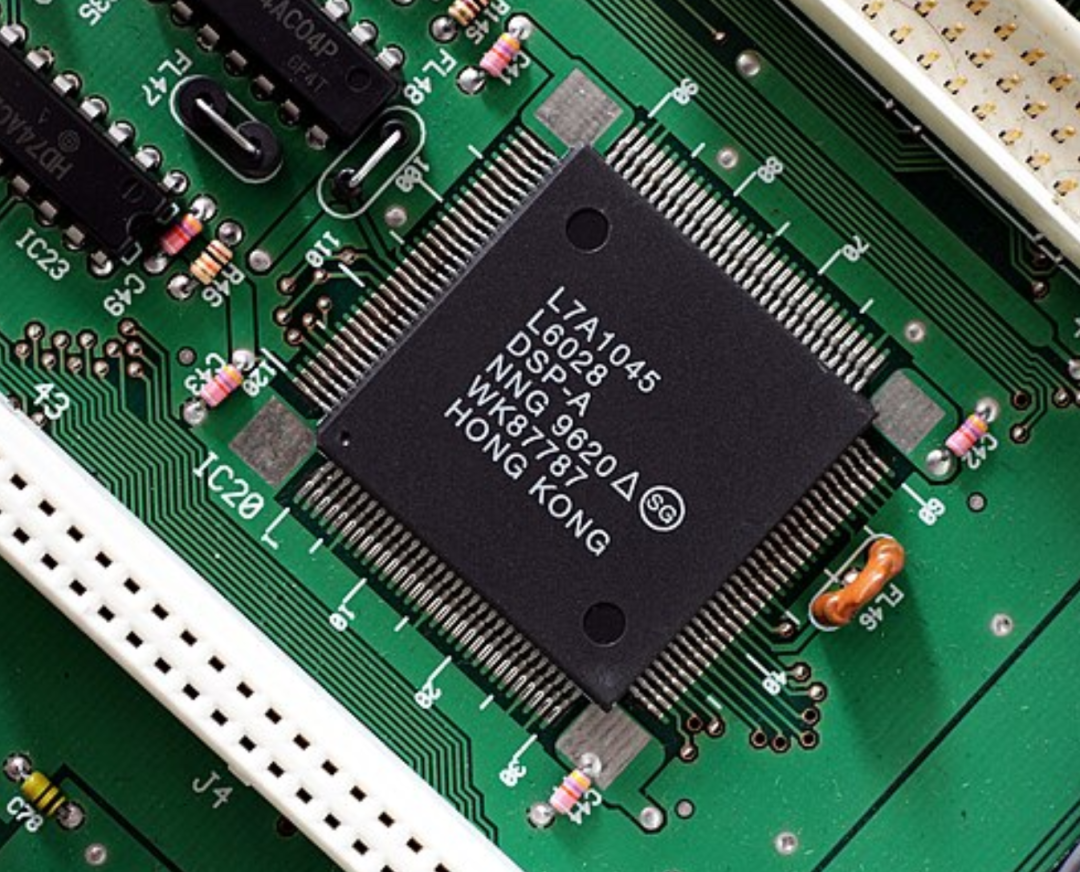
The DSP is a specialized microprocessor optimized for processing digital signals.
-
Core Function: Executes digital signal processing algorithms (such as filtering, transformation, encoding/decoding) at high speed and in real-time.
-
Architectural Features: Adopts Harvard architecture or modified Harvard architecture, with separate program and data buses. Its hardware design is specifically optimized for the “Multiply-Accumulate” (MAC) operation, which is the most common operation in digital signal processing.
-
Typical Applications: Audio/video encoding/decoding, communication (baseband signal processing), radar, sonar, medical imaging.
The Fourth Tier: Reconfigurable Hardware | The Reconfigurable Hardware
8. FPGA (Field-Programmable Gate Array) – Field-Programmable Gate Array
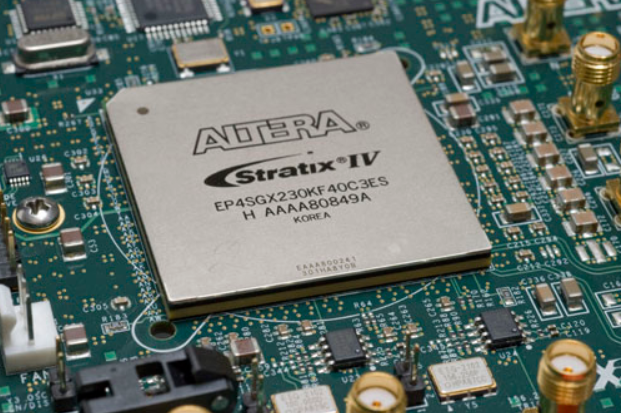
The FPGA is a unique semiconductor device whose hardware structure is not fixed but can be reconfigured by the user after manufacturing.
-
Core Function: Provides programmable hardware logic to implement customized digital circuits.
-
Architectural Features: Composed of a large number of Configurable Logic Blocks (CLBs), programmable Input/Output Blocks (IOBs), and routing resources. Users program their hardware circuits using Hardware Description Languages (HDLs) such as Verilog or VHDL.
-
Advantages: Extremely low latency (data flows directly through logic gates rather than executing instructions), true hardware-level parallelism.
-
Typical Applications:
-
ASIC (Application-Specific Integrated Circuit) Prototyping: Validating designs before tape-out.
-
High-Performance Computing Acceleration: Financial high-frequency trading, specific task acceleration in data centers.
-
Communications and Defense: Fields requiring flexible protocols and low latency.
Core Performance Dimension Comparison
To better understand the differences, the following table qualitatively compares their performance across multiple dimensions.
|
Category |
General Computing Capability |
Parallel Processing Capability |
Control and Real-Time Performance |
Power Consumption |
Development Flexibility/Cycle |
Unit Cost |
|---|---|---|---|---|---|---|
|
CPU/MPU |
Extremely High |
Medium |
Weak |
High |
High/Short |
High |
|
MCU |
Low |
Low |
Extremely High |
Extremely Low |
High/Short |
Extremely Low |
|
SoC |
High |
High |
Medium |
Medium |
Medium/Medium |
Medium |
|
GPU |
Weak |
Extremely High |
Weak |
Extremely High |
Medium/Medium |
Extremely High |
|
DSP |
Medium |
Medium |
High |
Low |
Low/Long |
Medium |
|
FPGA |
Design Dependent |
Extremely High |
Extremely High |
Medium |
Extremely Low/Extremely Long |
High |
-
General Computing Capability: Refers to the ability to process complex logic and diverse instructions, where CPU/MPU is unmatched.
-
Parallel Processing Capability: Refers to the ability to process a large amount of similar data simultaneously, where GPU and FPGA excel.
-
Control and Real-Time Performance: Refers to the determinism of instruction execution and the ability to respond quickly to external events, where MCU and FPGA perform best.
-
Power Consumption and Cost: MCU has an absolute advantage in low power consumption and low cost, while high-performance GPU and CPU are major energy consumers.
-
Development Flexibility/Cycle: CPU/MCU use high-level languages for development, with short cycles; FPGA uses hardware description languages, offering the highest flexibility but the longest development cycles and the highest barriers to entry.
Typical Application Scenarios
The choice of which chip to use entirely depends on the requirements of the application scenario.
-
Scenario 1: Laptops running Windows/macOS
-
Best Choice: CPU
-
Reason: Operating systems and various application software require extremely strong general computing capabilities and complex logical judgment capabilities. The complex control units and multi-level caches of CPUs are designed for this purpose.
-
Scenario 2: Control panel of a smart air conditioner
-
Best Choice: MCU
-
Reason: The task is singular (receiving remote control signals, driving displays, controlling compressors), extremely sensitive to cost and power consumption, and requires high reliability. The high integration and low cost of MCUs are a perfect match.
-
Scenario 3: Flagship smartphones
-
Best Choice: SoC
-
Reason: Smartphones are complex systems requiring high-performance MPUs (running Android/iOS), powerful GPUs (for gaming), efficient DSP/ISPs (for photography and video), and communication modules. SoCs integrate all these components, achieving the best balance of performance, power consumption, and size.
-
Scenario 4: AI model training in data centers
-
Best Choice: GPU
-
Reason: Deep learning involves massive matrix and tensor operations, which can be broken down into many independent parallel tasks. The thousands of cores in GPUs can execute these computations simultaneously, far exceeding CPU efficiency.
-
Scenario 5: 5G communication base stations
-
Best Choice: DSP + FPGA
-
Reason: Base stations need to process massive amounts of digital signals. DSP is responsible for executing fixed core algorithms (such as modulation and demodulation), while FPGA is used to handle flexible, evolving communication protocols with extremely low latency for interface logic.
-
Scenario 6: Hardware acceleration for high-frequency trading systems
-
Best Choice: FPGA
-
Reason: Financial high-frequency trading requires latency in the nanosecond range. FPGAs can harden trading algorithms directly into hardware circuits, allowing data streams to bypass any instruction translation, achieving processing latencies several orders of magnitude lower than CPU/GPU.
Trend Outlook
A core trend in today’s chip design is Heterogeneous Computing. Modern SoCs often no longer rely on a single type of processor but integrate multiple processing units such as CPUs, GPUs, DSPs, and NPUs (Neural Processing Units), allowing the most suitable unit to handle the most appropriate task, thus achieving the best balance between performance and power consumption.
Understanding the differences between these basic concepts not only helps us grasp the development context of electronic information technology but also allows us to maintain a clear insight when facing future technological waves.
Note: If you want to receive KiCad content updates first, please click the card below, follow, and then set it as a star.
Common Collection Summary:
-
Learn KiCad with Dr. Peter
- KiCad 8 Exploration Collection
- KiCad Usage Experience Sharing
- KiCad Design Projects (Made with KiCad)
- Common Problems and Solutions
- KiCad Development Notes
- Plugin Applications
- Release Records