01
In the PLC industry, outsiders watch the spectacle, while insiders focus on the logic.
Some people debug on-site, typing code rapidly, yet the equipment still shakes uncontrollably. When asked, they say, “The program is fine; it’s the hardware on-site that’s the problem.”
Sound familiar? Stop deceiving yourself; it’s not that you’re fast; it’s that you fundamentally don’t understand the “logical loop” of the equipment’s operation.
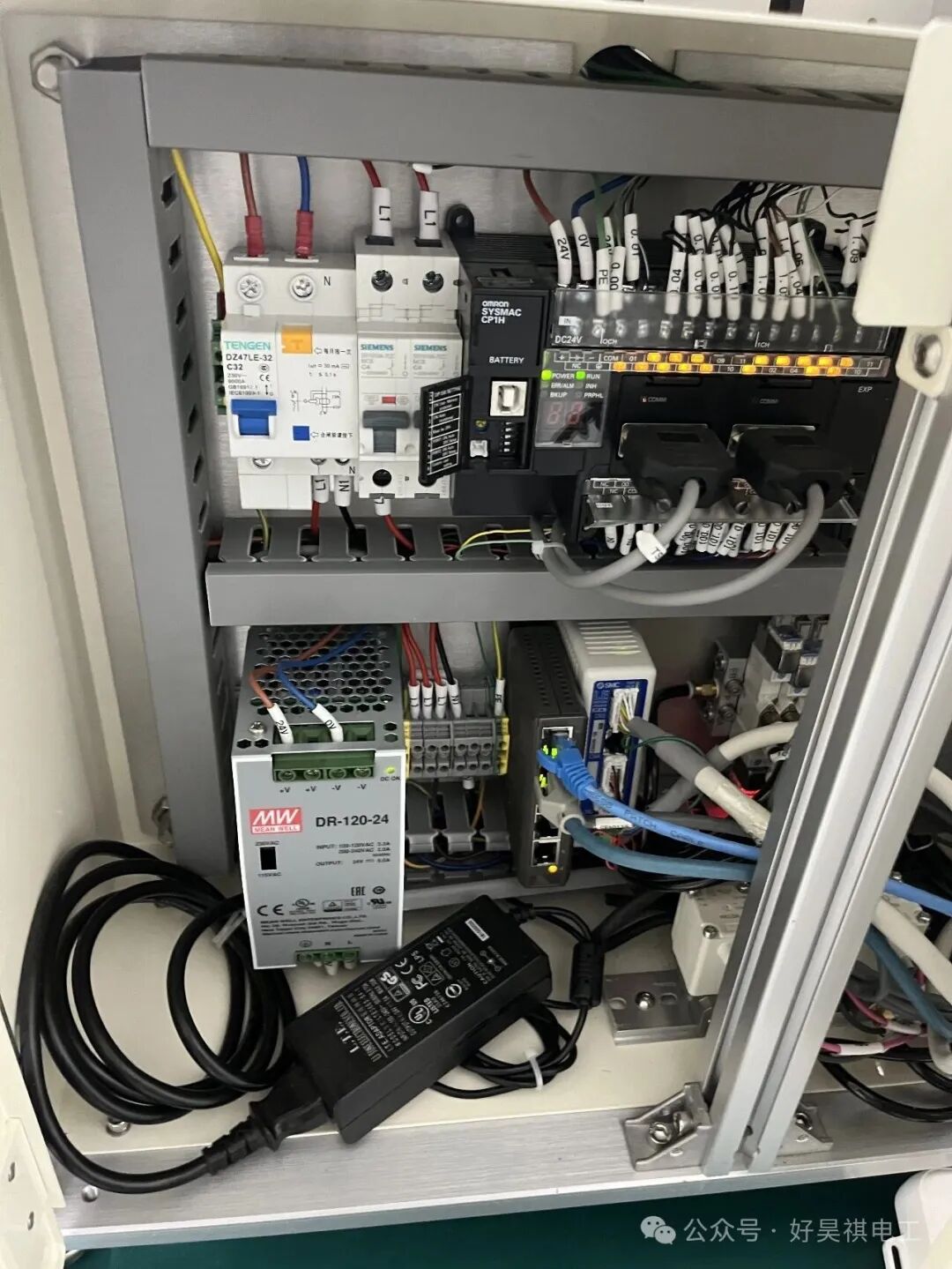
True experts do not rely on speed to show off their skills; instead, they can identify whether the actual action logic on-site is clear within three minutes among a multitude of input and output signals.
It’s not about how beautiful your program is, but whether you can spot where the problem lies in the chain.
Often, the issue is not within the PLC itself, but in the signals that the PLC “did not receive” or “misreceived” that trigger actions.
This is not about debugging the program; it’s about defusing a logical bomb.
02
A seasoned PLC professional must have a “dynamic flow chart” in their mind.
What is a “dynamic flow chart”? Simply put, it’s a virtual flowchart in your mind that allows you to instantly judge when you see a change in input signals:
→ Is it following the expected sequence?
→ Which action is stuck?
→ Which signal is a false trigger?
→ Which action was executed but did not provide feedback?
Debugging is not just about “writing the program and clicking download”; it is about “after downloading, your mind must start running”.
It is not about staring blankly at the monitoring table, waiting for the alarm light to flash.
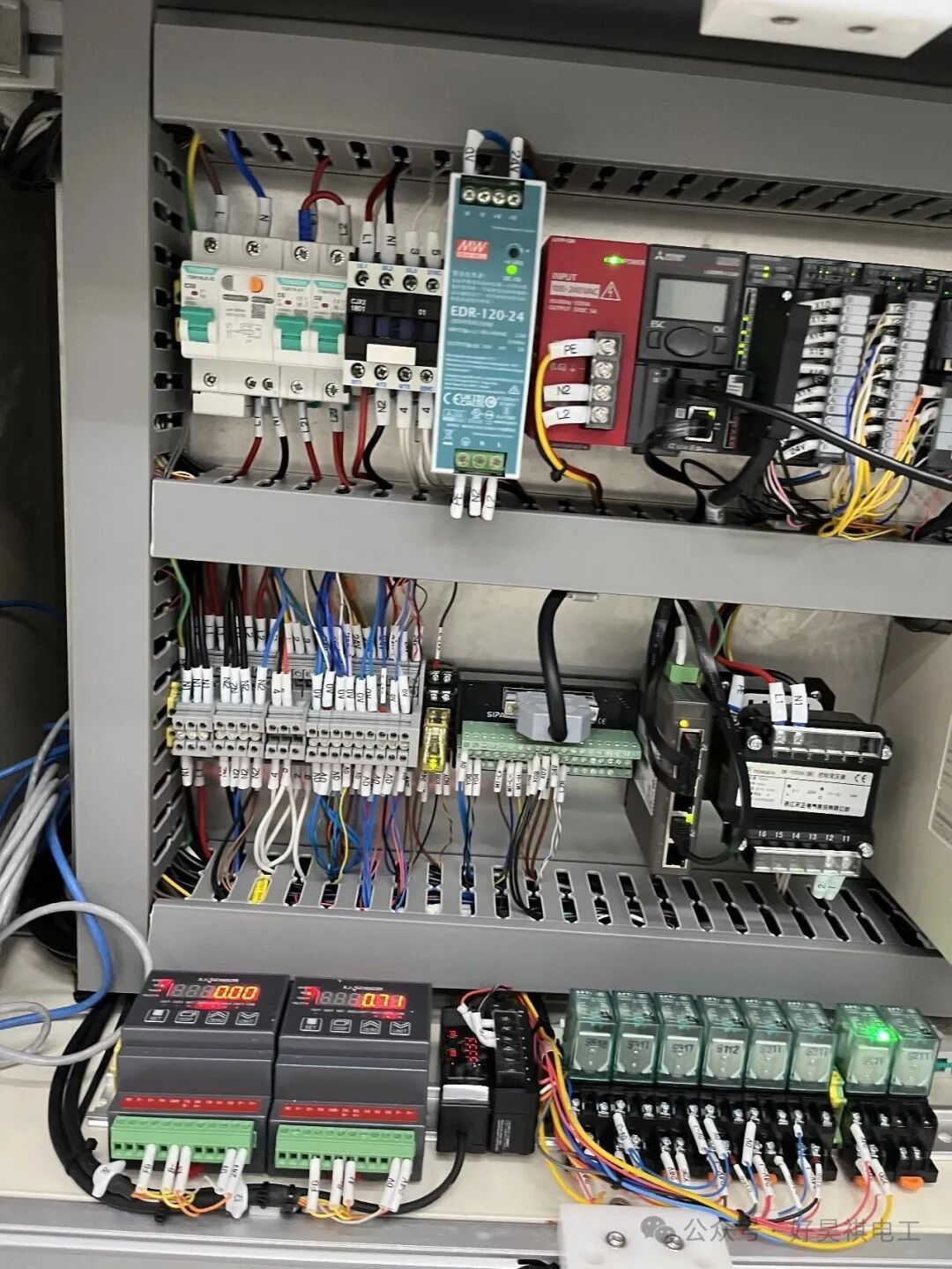
Every time I train newcomers, the first question I ask is:“Can you explain your program from start to finish?”
If they can explain clearly, it indicates a solid logical structure; if not, they are likely just piecing together code.
03
To be honest,most slow debugging is not due to an inability to write code, but rather an inability to discern “who should act first in the action chain and who must wait”.
For example, in a conveyor line logic: Sensor A detects a product → Motor starts → Reaches position → Cylinder extends.
It sounds simple, but once you are unclear about “who depends on whom”, when the program runs, the equipment may act erratically, either starting too early or causing action conflicts.
At this point, what you need to do is not frantically adjust delays or stack conditions, but rather take out a pen and paper to re-organize the signal chain.
Expert debugging is about subtraction, removing what should not be added.
Short debugging time is because they wrote the chain rhythm correctly from the start, not because they patched it later.
04
Having worked in the PLC field for a long time, I increasingly feel that fast debugging is not about operation, but about judgment.
There are several critical moments during debugging:
When the power is first turned on and the action is abnormal, can you remain calm and record all the abnormal points?
When the first trial run triggers an alarm, can you immediately locate “where in the signal chain the break is”?
When you first enter the production rhythm, can you judge whether there are thread conflicts based on the operating rhythm?
How well you handle these three tasks directly determines whether your project can be delivered on time.
To put it bluntly, the real delay in progress is not caused by the person writing the program, but by the one who is unwilling to take a few extra steps and carefully listen to the rhythm of the equipment’s actions on-site.
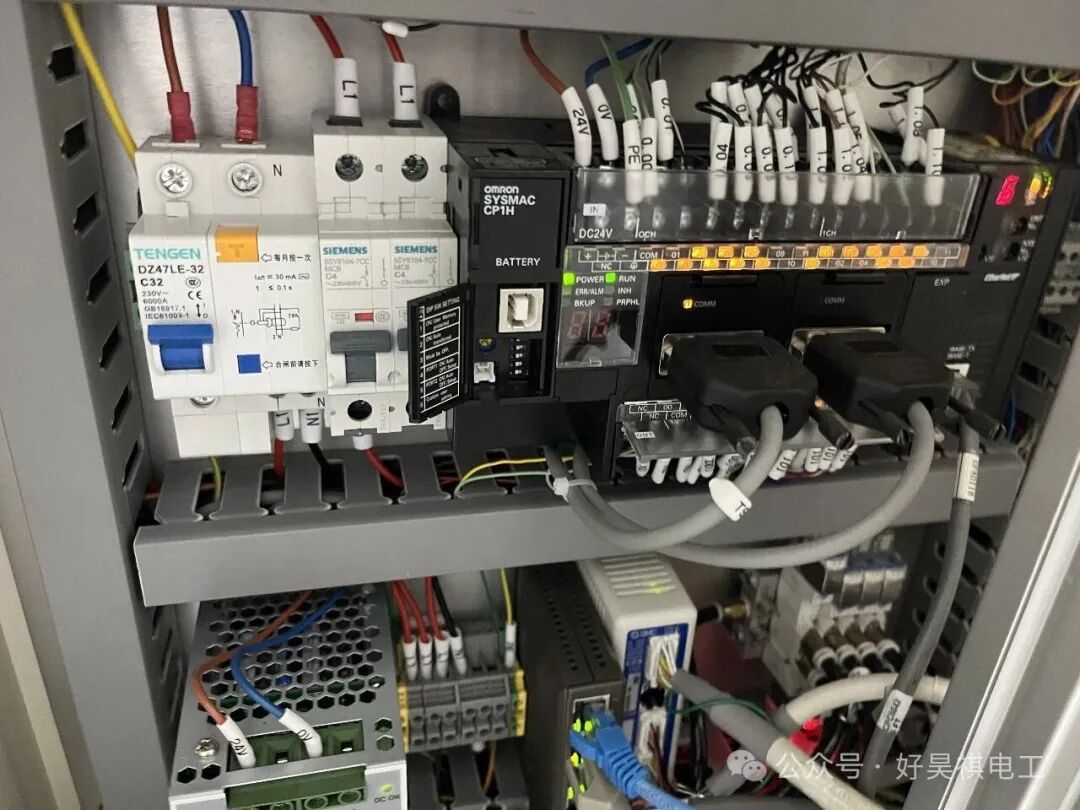
I often say,“Many people can write PLC programs quickly, but few can understand what the machine is ‘saying’.”
05
Debugging is a manifestation of full-stack judgment.
You need to read schematics, understand pneumatic circuits, analyze electrical circuits, comprehend actions, and know the actual production rhythm.
It’s not about how beautifully you write code, but whether your program can resonate with the equipment.
The more you understand the language of the equipment, the faster the debugging; if you only understand PLC syntax, you will never debug a complete production line well.
Those in the PLC field must ultimately understand: debugging is not a “coder’s behavior” but a two-way translation of engineering language and industrial logic.
Stop asking “why am I debugging slowly”; go on-site to see the equipment move once, stop once, and alarm once, and you will know where the answer lies.