Not recognizing the true face of Mount Lu is simply because you haven’t paid attention.
▼ Click the business card below
As the ancients said: “Reading ten thousand books is like having divine inspiration when writing.”
Another ancient saying goes: “Only when the book is needed do we regret having too few.” These two sayings are indeed correct.
Today, let’s overturn your understanding of pronunciation,
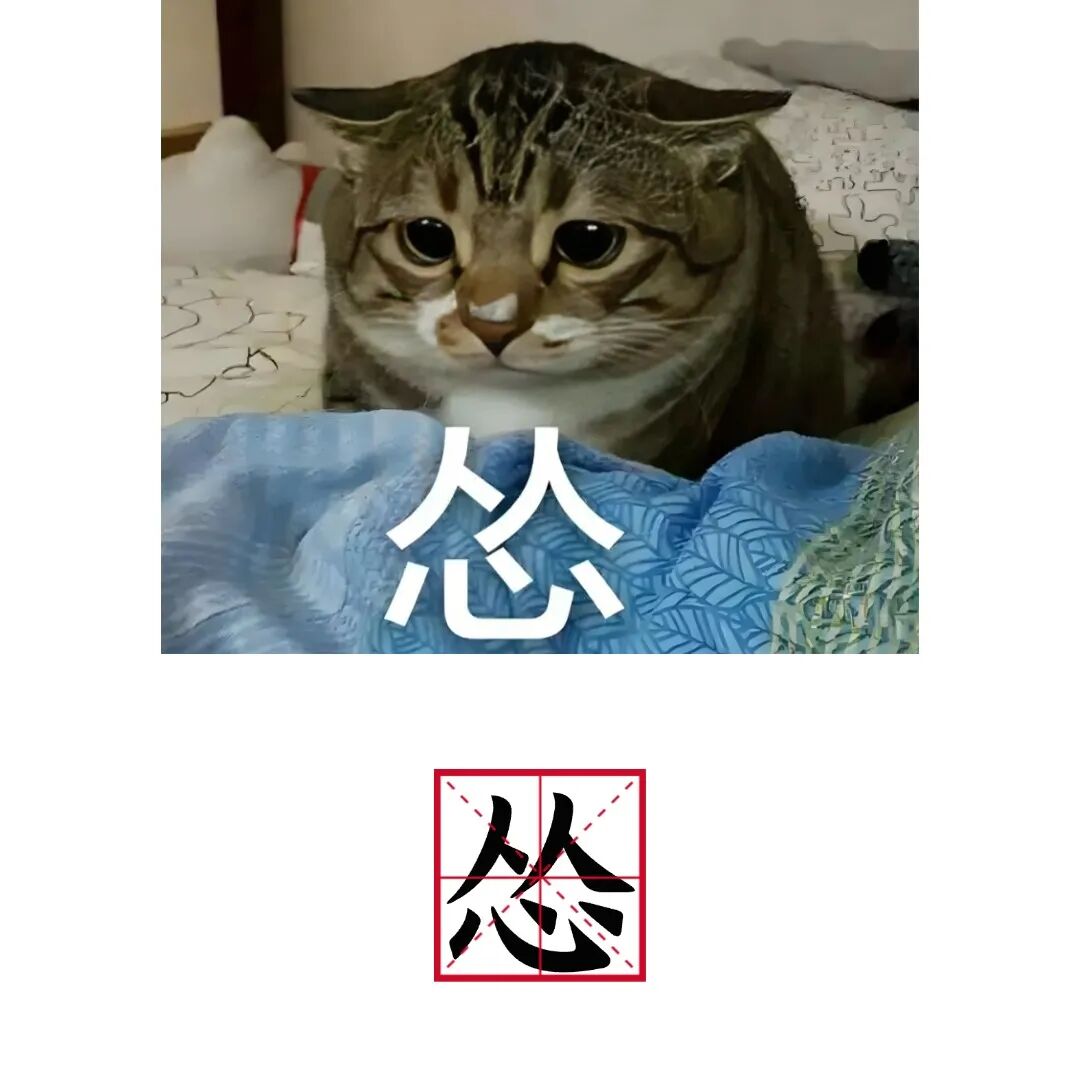
and reveal a word you may have been mispronouncing—“怂” (sǒng).
01 Introduction
“The tongue has a dragon spring, killing without blood.” — This warning from the Warring States thinker Guan Zhong has surprisingly revived in a character that has been misread for a thousand years.
“怂”, this seemingly simple character, has caused countless people to trip over their tongues, yet it reveals the profound wisdom of the Chinese regarding “verbal violence.”
02 Mispronouncing a character exposes a three-thousand-year cultural gap
The correct pronunciation of “怂” is sǒng (third tone), not “sóng”, and definitely not “cóng”!
Why do people keep stumbling over it?
Because this character is quite the “actor”—the bottom part is “心” (heart), and the top part is “从” (to follow), resembling “following the heart”, but in reality, it is a certified “sneaky character” in the world of Chinese characters according to the Shuowen Jiezi.
The Guangyun clearly states “xi gong qie”, and the Ming History records “怂恿” (to instigate) in the context of political corruption.
Next time you see a celebrity trending for “admitting defeat”, please pronounce “怂” correctly as sǒng—getting the pronunciation right is the least respect you can show to the culture of Chinese advisors!
03 Breaking down the character “怂”: every stroke is an ancient version of a “keyboard warrior”
The oracle bone script for “怂” is a live recording of “heart” being “followed”—using words to bind others’ thoughts, it can be considered the totem of “internet trolls” three thousand years ago.

The Shuowen Jiezi states bluntly: “怂 means to be startled.”
Duan Yucai adds: “It means to be flustered in the heart, and to stir up chaos with the mouth.”
During the Han Dynasty, the Censorate specifically recorded “怂议簿” (records of instigation) to document the blackmail among officials; in the Song Dynasty, tea houses posted “drinking tea stops children from being cowardly”, which can be considered the earliest “guide to avoiding trolls”.
The most poignant is from the Huainanzi: “Those who are cowardly do not gain weight”—those who dislike food do not get fat. It turns out the ancients had already seen through the truth that “harsh words harm the body”!
04 From political infighting to online battles: some mouths are sharper than knives
The Dunhuang manuscript Tea and Wine Theory records: “Wine can bolster a hero’s courage, tea can stop children from being cowardly.”
People in the Tang Dynasty already knew—drinking tea cools the temper and prevents arguments, while drinking alcohol can easily lead to trouble.
Look at the modern chaos:
Keyboard warriors use “怂人” (cowardly people) as weapons, forcing celebrities into depression and retirement;
A family group chat elder says “not getting married is unfilial”, and young people block them overnight.
The Cybersecurity Law explicitly prohibits online violence, replicating the wisdom of three thousand years ago with legal texts—some harsh words should never be spoken!
05 The “怂” character code on the golden bricks of the Forbidden City: perfect to the point of being unassailable
The Lüshi Chunqiu states: “Confucian scholars do not know how to govern the world but are good at instigating discussions”—literati are not fit for governance, but are the best at criticizing.
However, there is an idiom that specifically addresses arguments—“无可怂议” (no room for argument).
The golden bricks of the Hall of Supreme Harmony in the Forbidden City have an error margin of less than a hair’s breadth;
The Yongle Encyclopedia has a typo rate lower than modern papers.
These “Chinese standards” that silence trolls are the ultimate romance of the character “怂”!
06 Conclusion
“Being shamed by goodness, not being criticized or ridiculed”—the thousand-year echo of the Yue Ren Ge is like the ultimate judgment of the character “怂”.
True civilization never progresses through belittlement, but is passed down through careful speech.
The correct pronunciation of “怂” is “sǒng”, have you remembered it?
Haha, thank you for your company, see you next time!
Do you want to learn more about the origins of “Chinese characters”?👇