When it comes to fruits high in Vitamin C, most people first think of oranges and lemons, but they often overlook a tropical fruit covered in soft spikes and resembling a ‘fuzzy ball’ — rambutan, which is affectionately known as ‘hairy lychee‘.
Despite its unique appearance, its Vitamin C content far exceeds that of oranges and is rich in various beneficial components, making it especially suitable for daily consumption by psoriasis patients. Today, let’s take a comprehensive look at it.

1. ‘Hairy Lychee’ is not a Lychee! Unique Appearance with Nutritional Advantages
Although the name rambutan contains ‘lychee’, it is not the same fruit as the common lychee.
Its shell is covered with dense soft spikes, ranging in color from bright red to orange-red. When peeled, the flesh is semi-transparent and milky white, with a sweet and juicy taste, accompanied by a faint fruity aroma.
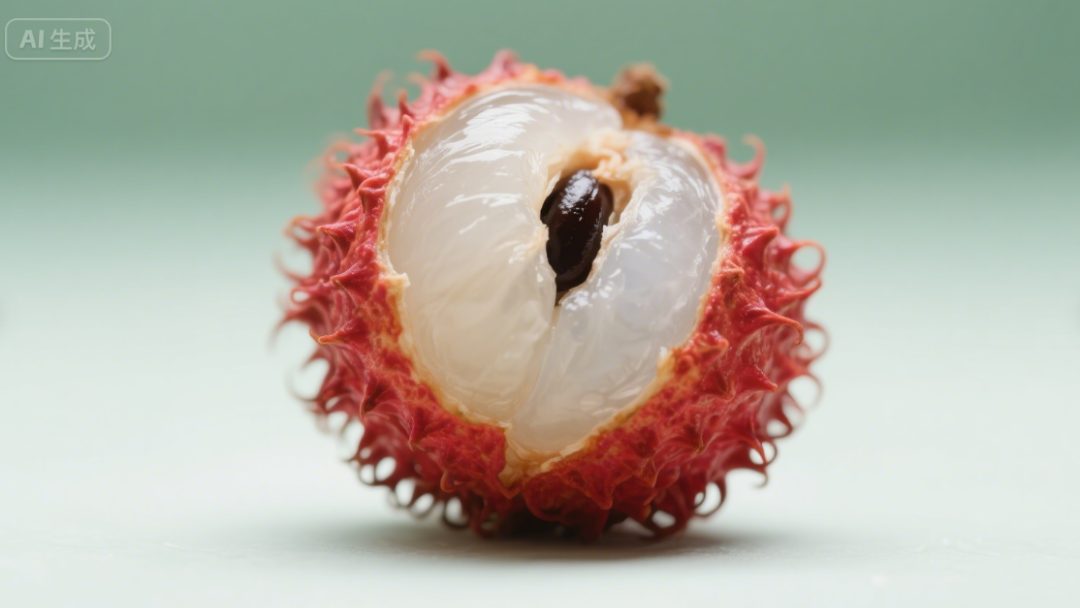
Nutritionally, common lychee is primarily composed of fructose and glucose, while rambutan stands out in vitamins and minerals.
Every 100 grams of rambutan flesh contains about 60-80 mg of Vitamin C, which is 1.8-2.4 times that of oranges (about 33 mg / 100 grams), and it also contains potassium, magnesium, and dietary fiber, providing diverse nutrition for the body.
2. High Vitamin C + Anti-inflammatory Properties, Perfectly Matching the Needs of Psoriasis Patients
The core of the diet for psoriasis patients is ‘anti-inflammatory and skin protection‘, and rambutan perfectly meets this need.
01
Vitamin C Aids Skin Repair
Vitamin C is a key ingredient in collagen synthesis, enhancing skin barrier function.
Psoriasis patients often suffer from skin barrier damage due to lesions, and adequate Vitamin C intake can promote the regeneration of skin mucosa, reducing dryness and flaking.
At the same time, Vitamin C can inhibit melanin deposition, helping to improve pigmentation after lesion healing.
02
Helps Regulate Inflammatory States
The Vitamin C in rambutan has antioxidant properties, capable of eliminating free radicals in the body, reducing the release of inflammatory factors.
Psoriasis is a chronic inflammatory skin disease, and long-term moderate consumption of rambutan can help alleviate inflammatory responses and reduce the risk of disease recurrence.
3. Three Important Considerations for Psoriasis Patients Eating ‘Hairy Lychee’
01
Control Consumption Amount
Rambutan contains about 15%-20% sugar, which is lower than lychee (about 20%-25%), but still needs to be controlled.
It is recommended to consume 5-8 pieces daily (about 100-150 grams) to avoid excessive sugar intake that could lead to blood sugar fluctuations, indirectly affecting the condition.
02
Select Fresh Fruits
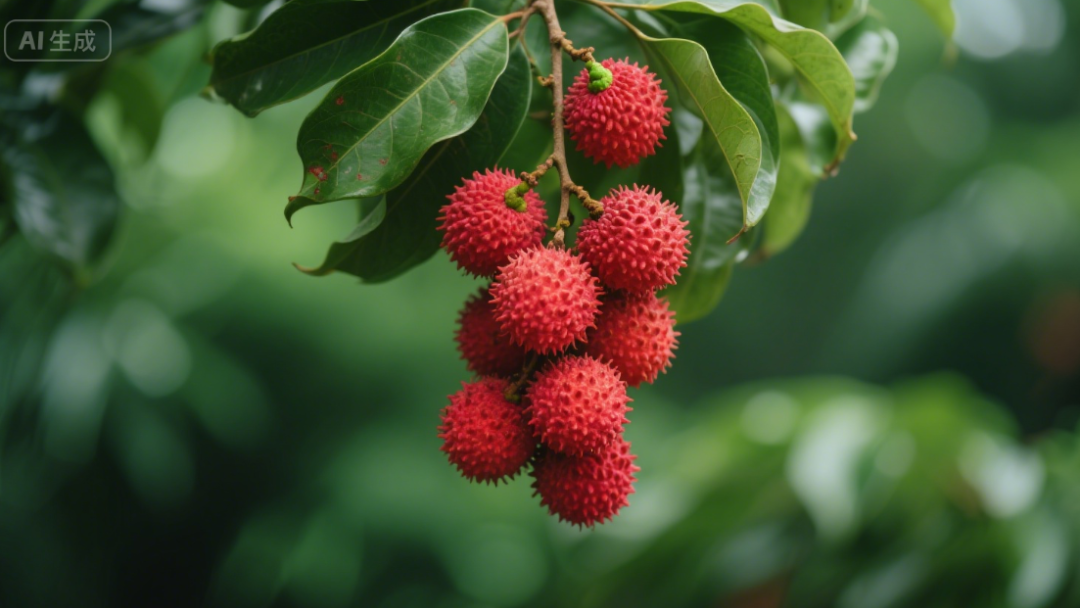
Choose rambutan with bright red shells, elastic soft spikes, and no black spots.
Avoid purchasing fruits with dark shells and wilted spikes to prevent gastrointestinal discomfort after consumption.
03
Exercise Caution in Special Situations
If patients also have diabetes, they should avoid consumption unless blood sugar levels are stable.
Patients allergic to tropical fruits should try 1-2 pieces first to observe for any allergic reactions such as rashes or itching.
END
If needed, you can make an appointment through the official public account or click 👉🏻 the mini program 👈🏻 to schedule a consultation!