For more in-depth information and reports on the sensor industry, and to learn about sensor technology, sensor testing technology, IoT sensor technology, and other sensor knowledge, please follow the Sensor Expert WeChat public account and set it as a star to view past content.
Rare earth elements are known as “industrial vitamins” due to their unique physical and chemical properties, playing an irreplaceable role in modern high-tech industries. Sensors, as core components of the Internet of Things, smart manufacturing, and modern electronic devices, are particularly dependent on rare earth materials in their manufacturing processes. However, in recent years, the intensification of global trade wars, especially the technological competition between China and the United States, has brought the supply chain issues of rare earth resources into focus. This article will explore the critical role of rare earths in sensor manufacturing and the impact of trade wars on the global sensor industry chain.
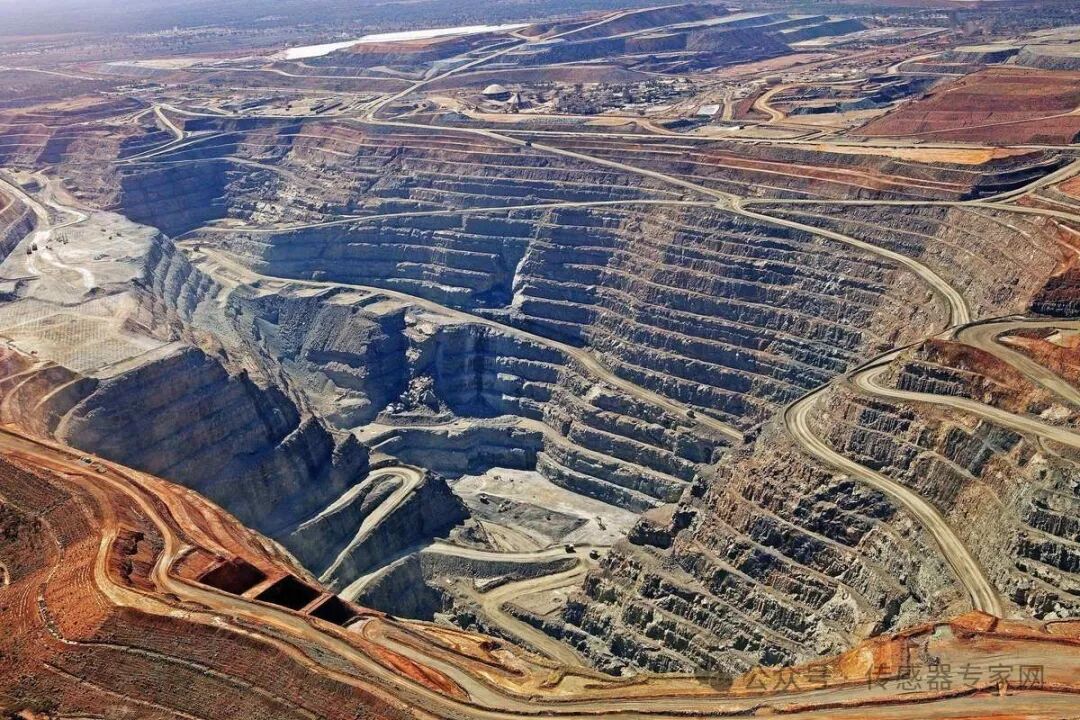
The Critical Role of Rare Earths in Sensor Manufacturing
Rare earth elements include 17 chemical elements, such as lanthanum, cerium, neodymium, and dysprosium. Their applications in sensor manufacturing are mainly reflected in the following aspects:
-
Magnetic Materials Rare earth permanent magnetic materials (such as neodymium-iron-boron magnets) are core components of many sensors (such as Hall sensors and magnetoresistive sensors). These materials have high magnetic energy product and excellent temperature stability, significantly improving the sensitivity and accuracy of sensors. For example, in automotive ABS systems, rare earth magnets are used to detect wheel speed, ensuring the safety and reliability of the braking system.
-
Optical Materials Rare earth elements such as europium and terbium are widely used in optical sensors. They can be used to manufacture fluorescent materials, enhancing the detection efficiency and resolution of optical sensors. For instance, in medical imaging devices, rare earth fluorescent materials are used to improve the quality of X-ray and MRI images.
-
Semiconductor Materials Rare earth elements also play an important role in the manufacturing of semiconductor sensors. For example, lanthanide elements can be used to improve the electrical performance of semiconductor materials, enhancing the response speed and stability of sensors. In MEMS (Micro-Electro-Mechanical Systems) sensors, rare earth materials are used to manufacture high-performance piezoelectric films, increasing the sensitivity of the sensors.
-
Catalytic Materials Rare earth elements are used as catalysts in gas sensors, significantly improving the detection accuracy and response speed of the sensors. For example, in air quality monitoring sensors, rare earth catalysts are used to detect the concentration of harmful gases (such as CO and NOx).
The Impact of Trade Wars on the Rare Earth Supply Chain
In recent years, global trade wars, particularly the technological competition between China and the United States, have made the supply chain issues of rare earth resources a focal point. China is the world’s largest producer and exporter of rare earths, accounting for over 80% of the global supply. Western countries, including the United States, are highly dependent on China for rare earth resources, making rare earths a “trump card” in trade wars.
-
Supply Chain Disruption Risks Trade wars may lead to disruptions in the rare earth supply chain, affecting the normal operation of the global sensor manufacturing industry. For example, in 2019, China hinted at the possibility of restricting rare earth exports, raising concerns in the global technology industry. If rare earth supplies are restricted, sensor manufacturers will face shortages of raw materials and rising production costs.
-
Technological Blockades and Independent Innovation Trade wars have intensified competition among countries in high-tech fields, prompting nations to accelerate the independent development of rare earth resources and research into alternative technologies. For instance, the United States is actively promoting domestic rare earth mining and processing to reduce dependence on China. At the same time, research institutions are exploring alternative materials to reduce reliance on rare earths.
-
Industry Chain Restructuring Trade wars have prompted the restructuring of the global sensor industry chain. Some countries are beginning to shift sensor manufacturing to domestic or friendly nations to reduce supply chain risks. For example, Japan and South Korea are strengthening cooperation with rare earth resource countries like Australia to ensure stable supplies of rare earths.
Future Outlook for Rare Earths and Sensor Manufacturing
Despite the uncertainties brought by trade wars to the global rare earth supply chain, they have also driven the diversified development of rare earth resources and innovation in sensor manufacturing technology. In the future, the following aspects are worth paying attention to:
-
Diversified Development of Rare Earth Resources Countries will accelerate the research and development of rare earth resource extraction and processing technologies to reduce dependence on a single country. For example, the United States, Australia, and Canada are increasing investments and development efforts in rare earth mining.
-
Research on Alternative Materials to Rare Earths Research institutions and enterprises will increase their efforts in studying alternative materials to rare earths, developing high-performance sensors that do not rely on rare earths. For instance, some new magnetic materials and semiconductor materials are being explored as substitutes for rare earth materials.
-
Circular Economy and Resource Recovery The recovery and reuse of rare earth resources will become an important direction. By developing a circular economy, the efficiency of rare earth resource utilization will be improved, reducing dependence on primary rare earths. For example, rare earth materials from waste electronic products can be extracted and reused through advanced recycling technologies.
Conclusion
Rare earth elements play an irreplaceable role in sensor manufacturing, and their unique physical and chemical properties enable sensors to achieve high sensitivity, high precision, and high reliability. However, the intensification of global trade wars poses significant challenges to the rare earth supply chain, prompting countries to take measures to ensure stable supplies of rare earth resources and promote independent innovation in sensor manufacturing technology.
In the future, with the diversified development of rare earth resources, research on alternative materials, and the advancement of the circular economy, the global sensor manufacturing industry will gradually reduce its dependence on rare earths, achieving more sustainable development. In this process, technological competition and cooperation will jointly promote the advancement of sensor technology, injecting new momentum into the development of the global high-tech industry.
Starred content = what you care about content, according to the WeChat public account recommendation principle, if you do not set the Sensor Expert WeChat public account homepage as a star, you will not be able to receive the latest information in the sensor industry in a timely manner!
Disclaimer: The reproduction of this article is for the purpose of conveying more information. If there are any errors in source attribution or infringement of your legal rights, please contact us, and we will promptly correct or delete it. Thank you.
If you have submission, exposure, or interview needs, please email:[email protected].Recommended Reading:
- China’s Sensors Depend on You! Summary of Sensor Research Information from 30 Top Universities
- Finally Understood, Modern Warfare is All About Sensors
- China’s Chip Tycoon Actually Comes from Sensors
- Woke Up to Find That Chinese Companies Can No Longer Design Sensors?!