For more in-depth information, reports, and knowledge about sensor technology, sensor testing technology, IoT sensor technology, etc., please follow the Sensor Expert WeChat public account and set it as a star to view past content.
Medical sensors are used to assist in diagnosis, monitor patients’ vital signs in real-time, assess disease conditions, and aid in rehabilitation training, thereby improving the quality of healthcare, providing personalized medical care, and enhancing patient experience.
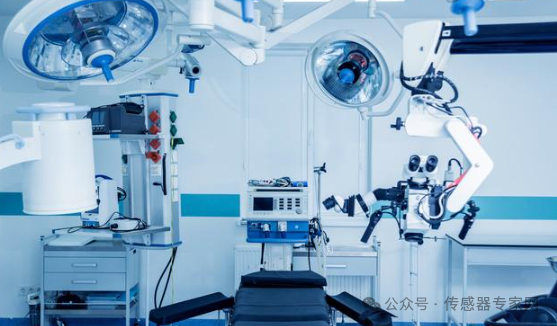
Based on the measured variables and the functions implemented in the medical field, medical sensors can be classified into the following categories: ▶ Physiological parameter sensors: Used to measure human physiological parameters such as heart rate, blood pressure, body temperature, and respiration, widely applied in hospitals, emergency rooms, operating rooms, and home medical devices. ▶ Blood parameter sensors: Used to measure various components and indicators in the blood, such as blood glucose, blood oxygen saturation, and hemoglobin concentration, commonly used in diabetes management, cardiovascular disease monitoring, and blood oxygen monitoring during surgery. ▶ Motion parameter sensors: Used to measure body movement and posture, such as accelerometers and gyroscopes, commonly used in sports medicine, rehabilitation therapy, and posture monitoring. ▶ Image sensors: Used to capture and process image information, such as X-rays, ultrasound, and optical sensors, used in medical imaging for diagnosing and monitoring diseases, such as CT scans, MRI, and ultrasound examinations. ▶ Chemical sensors: Used to detect chemical components and molecular indicators in the body, such as drug concentration and electrolyte concentration, commonly used in drug monitoring, blood analysis, and disease diagnosis.
The main market for medical sensors lies in medical devices. The medical instrument and equipment sector is a trillion-yuan market, and the application ratio of sensors in the medical field has also significantly increased, providing considerable opportunities for sensor companies. For example, the shortage of ventilators due to the pandemic led to a demand for various sensors such as flow sensors, pressure sensors, and temperature and humidity sensors. For manufacturers of such sensors, this is an opportunity to push their high-quality sensors into the medical market.
However, the performance and quality of sensors directly relate to the reliability of medical devices. The production technology of sensors with high repeatability, high precision, and high reliability is mainly held by foreign companies, such as Honeywell, Rohm, Tyco, etc.
Starred content = content you care about, according to the recommendation principles of WeChat public accounts, if you do not set the Sensor Expert public account homepage as a star, you will not be able to receive the latest information in the sensor industry in a timely manner!
Source: Image Page Network
Disclaimer: This article is reproduced for the purpose of conveying more information. If there are any errors in source attribution or infringement of your legal rights, please contact us, and we will correct or delete it promptly. Thank you.
If you have submission or interview needs, please email:[email protected].Recommended Reading:
- China’s Sensors Depend on You! Summary of Sensor Research Information from 30 Top Universities
- Finally Understood, Modern Warfare is All About Sensors
- China’s Chip Tycoon Actually Comes from Sensors
- Woke Up to Find Chinese Companies Can’t Design Sensors?!