
J.C. Penney was a chain of department stores that once spanned the United States. Its founder was also named James Cash Penney. In his youth, Penney managed a dry goods store called “Golden Rule” in Wyoming, where he found his true career direction. Through diligence and vision, he took over a store in Kemmerer a few years later, embarking on his entrepreneurial journey. By 1913, he owned 34 stores, which he rebranded as J.C. Penney, subsequently expanding this venture into a nationwide chain that influenced American retail for a century. He was not only a successful business legend but also a practitioner of the “Golden Rule” throughout his life.
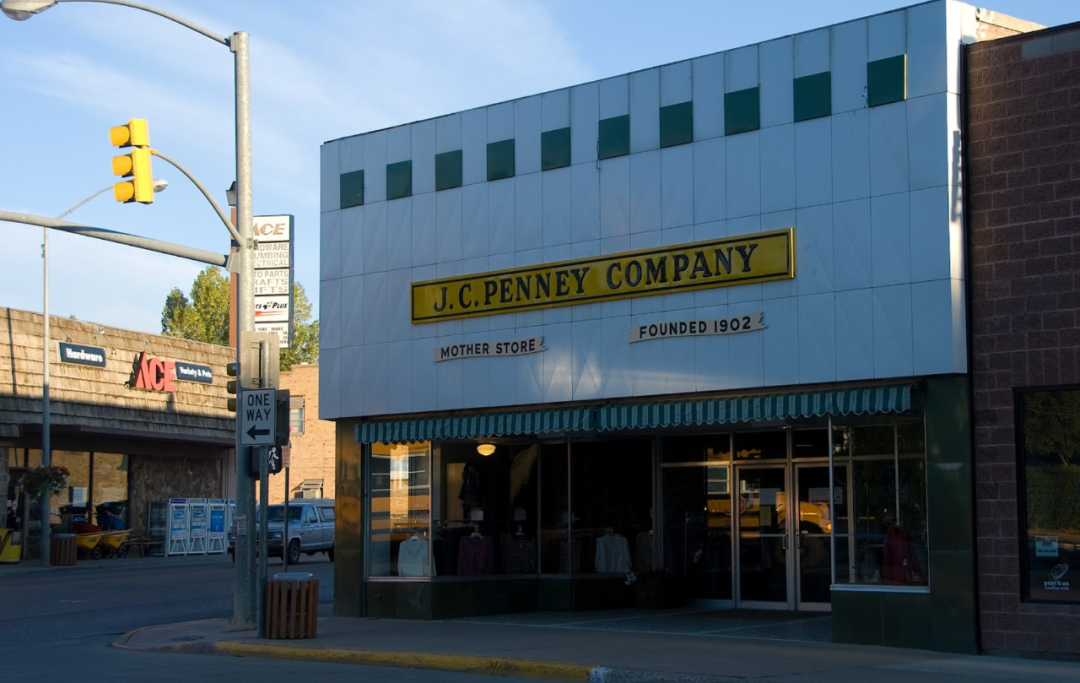
In 1949, he published “My Experience with the Golden Rule,” and later in a more mature work titled “Fifty Years with the Golden Rule,” he distilled half a century of his life, career, and beliefs into reminders for future generations.
This king of department stores, who emerged from rural America, viewed the Golden Rule as his lifelong creed. He demonstrated how these beliefs helped him establish one store after another amidst the ever-changing landscape of business competition, lead nearly 100,000 employees, and rise from the brink of collapse during the Great Depression and personal lows.
A Boy from a Missouri Farm: The First Lesson of the Golden Rule
James Cash Penney was born in 1875 on a farm in Missouri, where he was one of 12 children, but only six survived to adulthood. His father was serious, hardworking, and principled, serving as the first mentor in the children’s lives.
When he was eight years old, his father told him it was time to earn his own money to buy clothes. To make a living, he began raising pigs, feeding them kitchen scraps, and eventually trading them for piglets, slowly building up an income. Just as he was proud of his small venture, his father insisted he sell all the pigs immediately.
The neighbors complained about the smell of the pigs. He did not understand and protested, saying, “The pigs aren’t fat enough to sell for a good price.” His father calmly replied, “If we do not wish to disturb our neighbors, we cannot disturb them ourselves. This is the principle of being a person and doing business.”
Years later, Penney wrote in his book that this incident left a deep crack in his young heart—painful at the time, but looking back, he saw it as the first light in his life.
From this experience, he learned that the demands of life cannot be met with money but rather with imagination, foresight, and the ability to invest energy. More importantly, any effort to make money that comes at the expense of harming others is meaningless. Thus, the Golden Rule entered his life for the first time.
Why the Golden Rule is an “Unexpected Wild Horse”
Penney presented a vivid metaphor in his book: moral principles are like a wild horse you need to tame. When he opened his store in Kemmerer, surrounded by cowboys, he heard one cowboy say, “The only constant about a wild horse is that it is always full of surprises.”
Penney stated that ethical principles are similar. Once you decide to adhere to them, they will continually present new challenges. Doing the right thing will not make things easy; rather, it will lead you down a more difficult path. But it is precisely because it is difficult that it allows one to walk steadily.
He wrote:
All true progress comes from constant struggle. Following great principles means you must be prepared to endure hardship, but you can also gain safety and longevity from it.
The Golden Rule is not a shortcut to success but a compass that always points the way in a storm.
From Clerk to National Chain: How the Golden Rule Reshaped His Career
Penney’s career began very modestly, earning only $2.27 a month at a grocery store. Due to health issues, he moved to Colorado on his doctor’s advice and later to Wyoming, where he worked under two owners of a “Golden Rule Store.”
After a few years, he caught the attention of his bosses and finally got an opportunity in 1902: he invested $500 of his own money and borrowed $1,500 to become a one-third partner in a new store in Kemmerer.
He lived with his wife and children above the store, using wooden crates for tables and chairs, watching over the business day and night. Five years later, he bought out all the shares, turning a small store into his own enterprise, named Golden Rule.
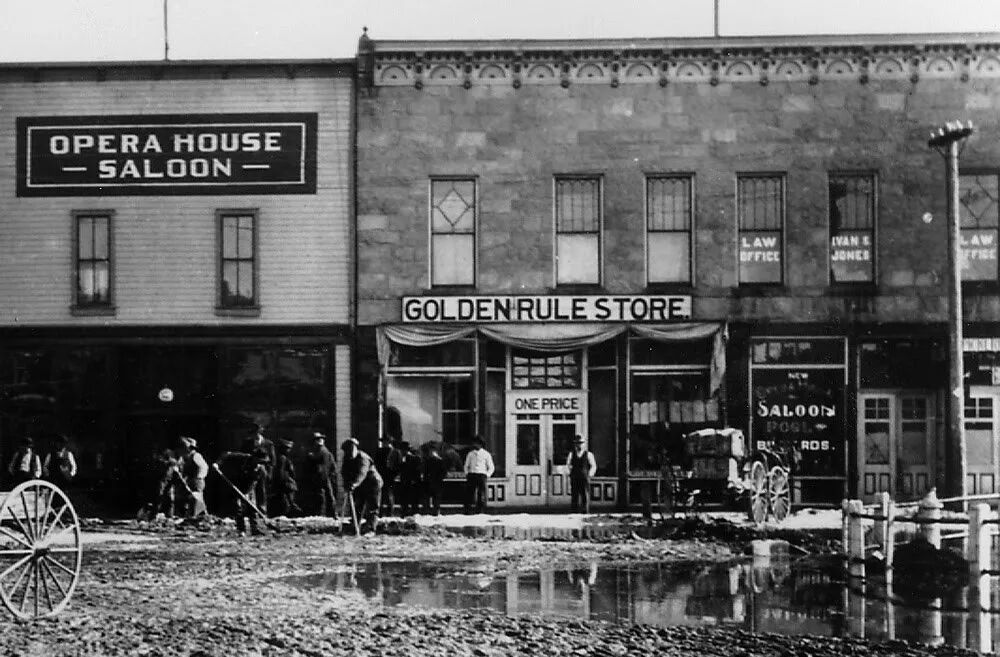
By 1913, he owned 34 stores, which were later collectively renamed “J.C. Penney.”
How did he achieve this? Not through advertising or discounts, but through belief.
He insisted on cash transactions, no credit; he shared profits with store managers, turning employees into “partners”; he maintained honest pricing; he helped customers save money; and he prioritized employee capability over background.
He believed that a business based on principles of integrity would naturally attract the best people.
He said:
As long as the principles are solid, excellent people will be drawn to it. They are not just looking for a job but are willing to become part of this enterprise.
J.C. Penney later referred to managers as associates rather than employees. This philosophy influenced the entire American retail industry and also impacted a young man who learned about packaging and shipping at J.C. Penney: Sam Walton, the founder of Walmart.
From Pinnacle to Abyss: How the Golden Rule Helped Him Rise Again
The 1920s were his golden years. J.C. Penney expanded to over 1,400 stores nationwide, with annual revenues exceeding $190 million (equivalent to several billion today). His personal income exceeded one million dollars a year.
During this time, he also took on the role of philanthropist, developing land in Florida, donating to universities, and helping impoverished groups, church organizations, and youth organizations.
But good times did not last. The stock market crash of 1929 saw his stock plummet from $120 to $13, wiping out all accumulated wealth overnight and leaving him with over $7 million in debt. He had to mortgage his insurance to pay employee salaries.
The collapse of his business brought a mental crisis, and he checked into a sanatorium in Michigan. One day, he heard someone singing a hymn in the courtyard, which became a ray of light during his darkest moment. At that moment, he regained his faith and rose again.
Later he said:
When I realized that disaster had not destroyed the truly valuable things in my life, I began to fight back. As long as I keep moving forward, strength will return.
He rebuilt his business from the ruins and became chairman of the board again. The Golden Rule was like a rope that helped him find direction in the abyss.
The Greatest Challenge of the Golden Rule: Upholding It Even in Success
Penney repeatedly reminded in his book: the true test of human nature comes not in failure but in success.
The smoother things go, the easier it is to forget the compass.
He used a metaphor: a captain would not throw the compass into the sea just because the weather is calm today, for he knows that storms are always ahead. The Golden Rule is the compass of life. The most dangerous moment is when you think you no longer need it.
All beautiful days come from our control over those recurring difficult days.
Penney stated that the biggest mistake a business owner can make is to abandon principles in favor of short-term gains when the business is doing well.
He insisted on closing the store one day a week to give employees time to go to church; he refused to sell alcohol; he insisted on training every new employee, ensuring that no one was “just placed in a position as is.”
He believed that the work of a business is to help people “live out a higher purpose.”
This may sound idealistic, but the success of JCPenney proves that it is also realistic.
Finding a Career Worth Fighting For
He offered young people gentle yet firm advice:
Find the career you truly want to devote your life to, and do not rush. You may have to take on many temporary jobs, but keep your heart focused on what you most want to pursue. Be willing to hone your skills step by step, for the true privilege is to give your all to the career you love.
Penney’s life is a legend from rural America to a national retail empire, a story of faith, ethics, and principles that combine business with a spirit of service. He founded thousands of stores, funded universities, charities, and religious organizations, impacting hundreds of thousands of employees and families. He provided employment support for youth, promoted public welfare in society, absorbed bank losses during difficult times, and continued to pay salaries during the Great Depression.
He received numerous honors throughout his life, from being a 33rd-degree Freemason and receiving charitable medals to having community centers and university conference centers named after him. But perhaps most importantly, he left behind a spiritual legacy: the Golden Rule, which can serve as the cornerstone of a career and the lighthouse of life.
He said:
The Golden Rule is always golden. Its value in modern business is as tangible as typewriters and ledgers.