Long-distance link transmission in the Internet of Things (IoT) typically refers to wireless transmission technologies with single-hop transmission distances reaching kilometers or even over ten kilometers. With the increasing demand for widespread coverage in IoT, long-distance link transmission has become an important research direction. It holds significant application value in practical scenarios such as ocean monitoring, outdoor environmental sensing, and emergency disaster relief. However, there are still challenges in long-distance link transmission, including difficulties in precise synchronization, low transmission rates, and weak transmission security, which have become bottlenecks limiting the capabilities of long-distance transmission in IoT.The research conducted by Shengpeng Zhu from Beijing University of Posts and Telecommunications focuses on three aspects: improving synchronization accuracy of long-distance links, enhancing transmission rates, and ensuring transmission security. Progress has been made in precise synchronization, link anti-interference, and continuous authentication.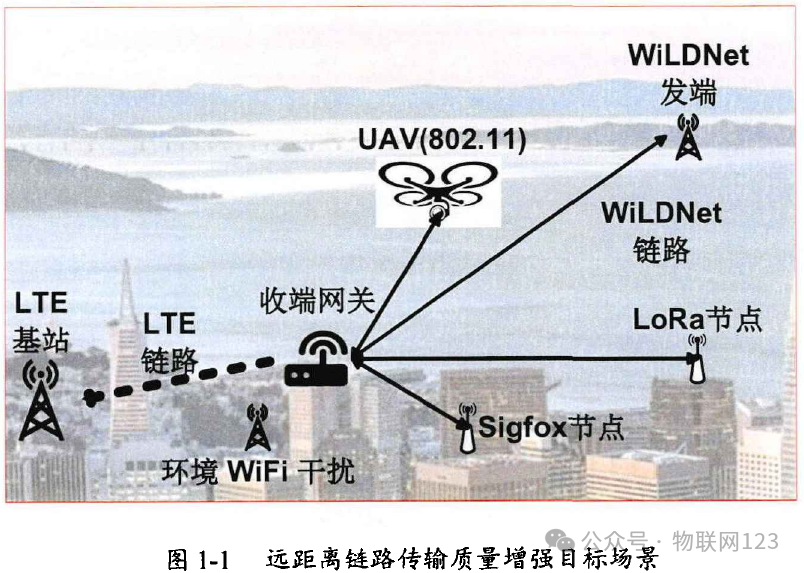
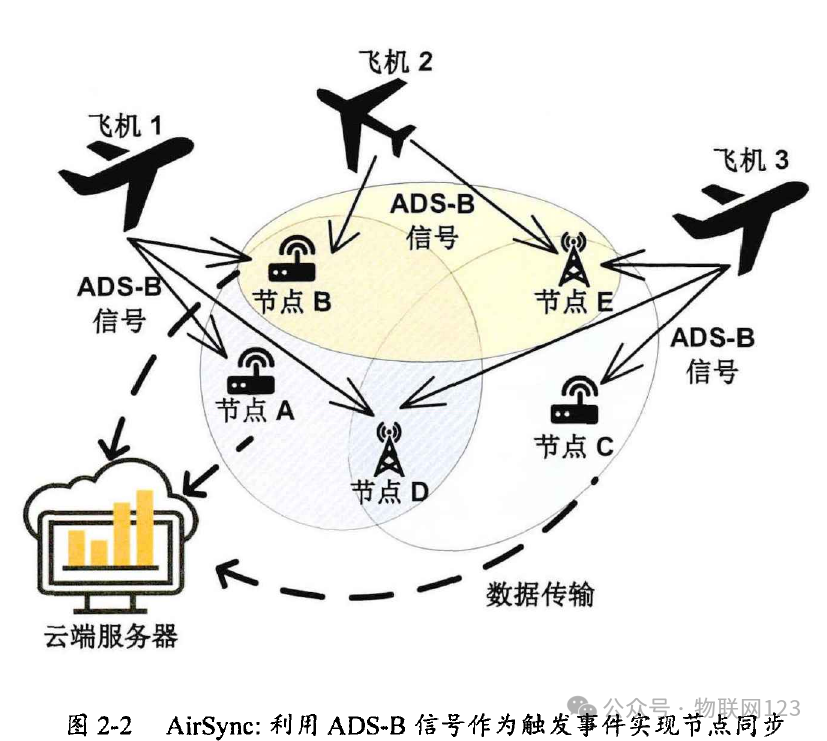
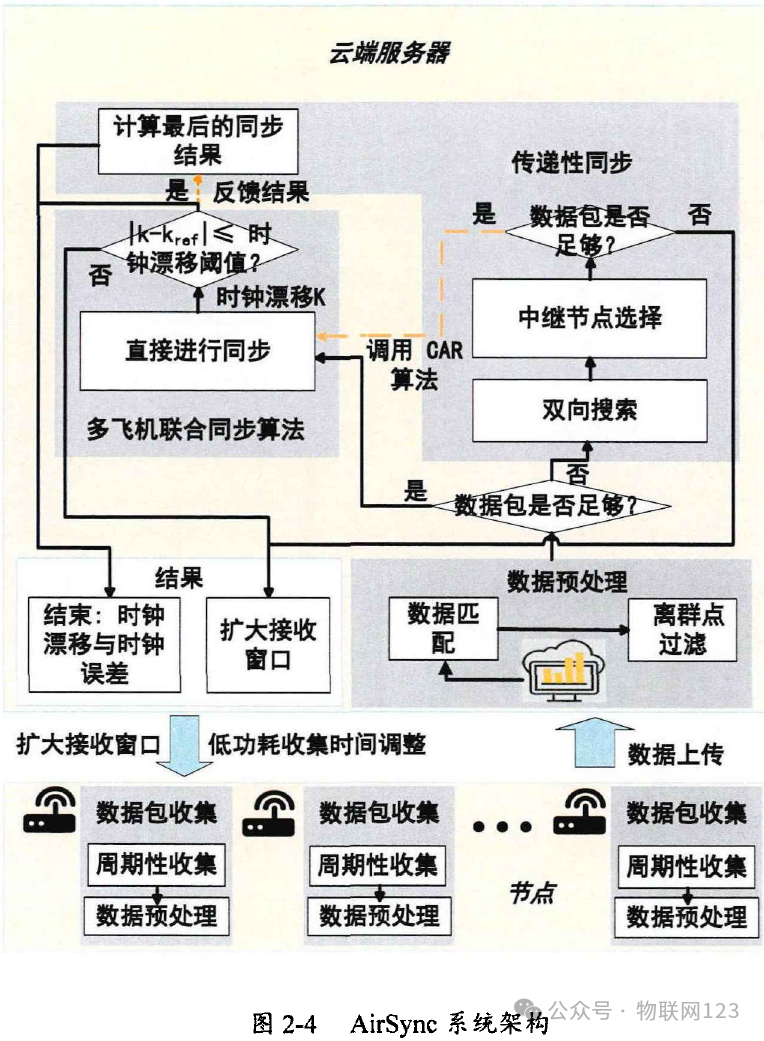 References:[1] Shengpeng Zhu. Research on Quality Enhancement Technology for Long-Distance Link Transmission in IoT [D]. Beijing University of Posts and Telecommunications, 2023.
| Disclaimer: The images and text used in this article are all reprinted. If there are any copyright issues, please inform us immediately, and we will confirm and delete the content based on the proof provided. The content of this article represents the author’s personal views and does not reflect the views or positions of IoT 123. |
Special Reminder:IoT Professional ExchangeGroup welcomes individuals related to the IoT industry to join. The group also welcomes various industry experts, influencers, and seniors. In the group, aside from not being allowed to post sensitive content, pornographic content, and excessive promotional content, all other topics can be freely discussed~——Exchange QQ Group 724511126,Friends joining the group, please note: Name – Organization – Research Direction (without notes, we regret to inform you that entry will not be approved), and you will be invited to join after review by the editor!