
The development of artificial intelligence is gradually shifting from “tool-based algorithms” to “autonomous intelligent agents.” This change is not only a technological iteration but also a significant transformation in social production methods. The core characteristics of intelligent agents (AI Agents) include the ability to perceive the environment, have goals, make decisions, and complete tasks with a certain degree of autonomy. Their value lies not only in replacing some human labor but also in creating new productivity and organizational models.
This article will systematically explore how intelligent agents profoundly influence the operational logic and value systems of various industries, especially in typical transformations in manufacturing, agriculture, finance, healthcare, and education.

Scan to join the AI study group
1. Manufacturing: From Automation to Self-Organizing Industrial Intelligent Agents
1. Limitations of Traditional Automation
Past manufacturing relied on assembly lines and industrial robots, which excelled in efficiency but lacked flexibility. Once set, production lines are difficult to adapt quickly to market changes.
2. Intelligent Manufacturing Driven by Intelligent Agents
The introduction of intelligent agents allows machines to perceive the environment, learn from experience, and adjust parameters. For example:
·Production Planning Intelligent Agent: Collects market orders and supply chain status in real-time, autonomously adjusting production pace.
·Equipment Maintenance Intelligent Agent: Uses sensors and predictive models to detect potential failures in advance, enabling preventive maintenance.
·Quality Control Intelligent Agent: Autonomously identifies and traces product defects.
3. The Prototype of Self-Organizing Factories
In future factories, intelligent agents in different positions will collaborate through multi-agent systems: equipment scheduling, logistics, and inventory management can form optimal solutions without human intervention. Thus, manufacturing transitions from “assembly lines” to “ecological self-organization.”
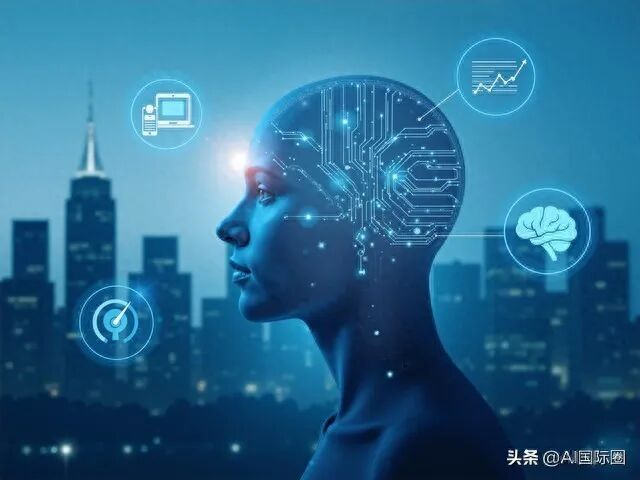
2. Agriculture: Intelligent Agents Reshaping Food Security and Precision Agriculture
1. Complexity of Agriculture
Agricultural production is influenced by multiple factors such as climate, soil, and pests, and traditional management methods rely on experience, lacking efficiency and precision.
2. Practices of Intelligent Agents in Agriculture
·Crop Monitoring Intelligent Agent: Collects data through drones and sensors, analyzing pest and moisture conditions in real-time.
·Fertilization and Irrigation Intelligent Agent: Develops plans based on soil and crop needs, achieving “precise delivery on demand.”
·Agricultural Decision-Making Intelligent Agent: Provides farmers with optimal timing suggestions for sowing, fertilizing, and harvesting.
3. Changes in Agricultural Production Relationships
Intelligent agents lead agriculture towards “data-driven” practices, with farmers gradually transitioning from “laborers” to “managers.” Agricultural intelligent agents may even form regional networks to coordinate water resource allocation and agricultural product supply, enhancing food security.
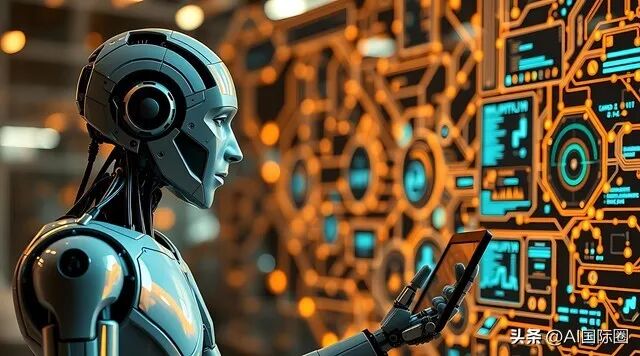
3. Finance: Intelligent Agents Restructuring the Logic of Value Flow
1. The Essence of Finance is Information Processing
The financial industry is essentially about managing risk, capital, and credit, which aligns closely with the perception, reasoning, and prediction capabilities of intelligent agents.
2. Applications of Intelligent Agents
·Investment Advisory Intelligent Agent: Customizes investment portfolios for users based on market data and individual risk preferences.
·Risk Control Intelligent Agent: Monitors trading anomalies in real-time and identifies potential fraud.
· Intelligent Trading Agent: Engages in autonomous trading in high-frequency trading scenarios.
3. Profound Impact on the Industry
Intelligent agents accelerate the responsiveness of financial markets, potentially intensifying “algorithmic competition.” In the future, the competitiveness of financial institutions will depend not only on capital scale but also on the capabilities of their intelligent agent systems.
4. Healthcare: From Assistive Diagnosis to Health Management Partners
1. Healthcare Dilemmas
Insufficient medical resources, uneven diagnosis, and challenges in personalized treatment have long been pain points in the industry.
2. Breakthroughs with Intelligent Agents
·Diagnostic Intelligent Agent: Assists doctors in improving diagnostic accuracy by learning from a large number of case images.
·Surgical Intelligent Agent: Assists in performing precise surgical operations.
·Health Management Intelligent Agent: Continuously tracks individual health data for early warning and intervention.
3. Value Transformation
The involvement of intelligent agents not only enhances technology but may also reconstruct the healthcare service system. For example, primary care doctors, supported by intelligent agents, can perform diagnoses and treatments that previously required specialists, alleviating the issue of “difficult access to healthcare.”
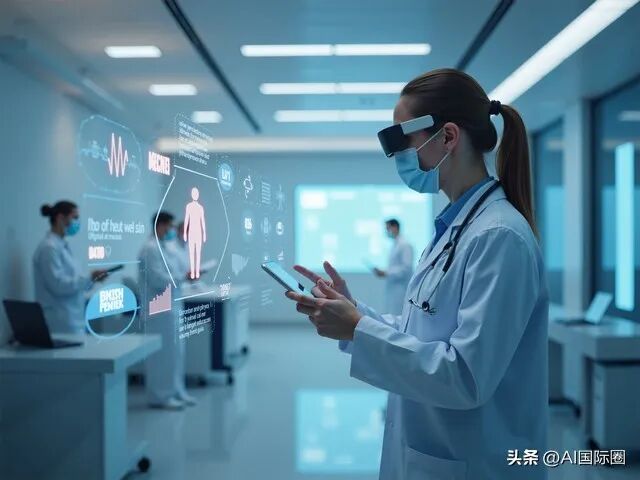
5. Education: Intelligent Agents Shaping Personalization and Lifelong Learning
1. Problems in Traditional Education
Uneven distribution of educational resources, singular teaching methods, and significant differences in learning outcomes.
2. Applications of Intelligent Agents
·Learning Partner Intelligent Agent: Provides one-on-one personalized tutoring for students.
·Teacher Assistant Intelligent Agent: Automatically grades assignments and analyzes learning data to help teachers reduce their workload.
·Lifelong Learning Intelligent Agent: Accompanies individuals’ growth and recommends learning paths based on different stage goals.
3. Changes in the Educational Ecosystem
Intelligent agents will shift education from “standardization” to “personalization.” In the future, schools may take on more roles as “social and practical platforms,” while knowledge learning will be primarily led by intelligent agents.
6. Common Trends in Industry Transformation
-
Transformation of Labor Roles: Humans are gradually shifting from executors to supervisors, designers, and managers.
-
Evolution of Organizational Structures: Enterprises resemble “human-machine hybrid teams,” with intelligent agents becoming new organizational units.
-
Data as Core Assets: The capabilities of intelligent agents depend on the richness and quality of their training data.
-
Blurred Industry Boundaries: Intelligent agents frequently cross-apply, with financial intelligent agents entering agricultural insurance and educational intelligent agents also managing health functions.
7. Challenges and Reflections
·Technological Reliability: Errors by intelligent agents in critical industries may lead to severe consequences.
·Ethics and Responsibility Attribution: When intelligent agents make mistakes, should the responsibility lie with the developers, users, or the system itself?
·Employment Impact: How to balance the disappearance of traditional jobs with the emergence of new professions?
·Regulation and Governance: How can different countries and industries establish reasonable regulatory frameworks for intelligent agents?
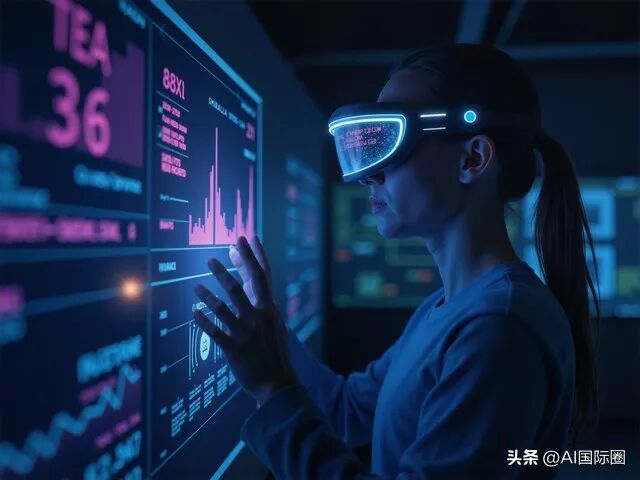
Conclusion
Intelligent agents are not only a branch of artificial intelligence but also a core force driving industry transformation. From self-organizing factories in manufacturing to precision farming in agriculture, from intelligent trading in finance to personalized services in healthcare and education, intelligent agents are gradually changing the production logic and value chain structure of industries.
It is foreseeable that in the next ten to twenty years, intelligent agents will become “new labor forces” and “industrial partners,” and the changes they bring will be comparable to the industrial revolution. Human society needs not only technological innovation but also a profound understanding and forward-looking layout of new production relationships.
1
END
1
This article is reprinted from: Today’s Headlines