
As autumn approaches, the sweet fragrance of fruits fills the air. This season’s fruit basket showcases the “antioxidant champions” of the fruit world. These sweet and juicy “immune defenders” build a vibrant barrier against the cold winter. Who is the true king of Vitamin C? The answer may surprise you.

Prickly Pear
The prickly pear, also known as the thorn pear, mountain king fruit, or spring return fruit, is hailed as the “King of Vitamin C” and “Golden Vitamin C” in the fruit world. Each 100 grams of fresh fruit contains 2585 milligrams of Vitamin C, nearly 50 times that of oranges and 40 times that of kiwis. The carotene content of prickly pear reaches 2900 micrograms per 100 grams, exhibiting various biological effects such as antioxidant properties, tumor suppression, immune enhancement, and vision protection. Additionally, prickly pear contains tannins, flavonoids, and other functional components, while organic acids and dietary fiber promote gastrointestinal motility, alleviate indigestion, and have effects of strengthening the spleen and clearing heat.
Tip: Prickly pear should be consumed after removing the thorns and seeds. The flesh is crisp, sweet, and sour, but the sourness can be quite pronounced, making it difficult for first-time eaters to accept. Those with excessive stomach acid should consume with caution.
Winter Jujube
The winter jujube, also known as the northern winter jujube, frozen jujube, or apple jujube, is reddish-brown, shiny, thin-skinned, crisp, and juicy. It is also a strong contender for Vitamin C, with each 100 grams of fresh fruit containing up to 243.0 milligrams, which is 60 to 70 times that of apples and 4 to 5 times that of kiwis. Rich in dietary fiber, potassium, Vitamin A, and Vitamin E, consuming a moderate amount daily (5 to 8 pieces) can effectively supplement vitamins and boost immunity.
Tip: The sugar content of winter jujube (27.8 grams per 100 grams) is quite high, so those with diabetes should monitor their intake.

Sea Buckthorn
Sea buckthorn, with its round, orange-yellow or orange-red fruits, contains 204.0 milligrams of Vitamin C per 100 grams, which is 4 to 5 times that of kiwis. It is rich in Vitamin E, Vitamin K, B vitamins, and carotene (3840 micrograms per 100 grams), and contains various active components such as sea buckthorn flavonoids and unsaturated fatty acids, which help improve digestive function, relieve cough and phlegm, promote blood circulation, and enhance immunity.
Tip: While sea buckthorn has health benefits, it should not replace medication.
Kiwi
Kiwi, a type of berry, comes in green, yellow, and red varieties and is also a Vitamin C powerhouse, with 100 grams of Chinese kiwi containing up to 62.0 milligrams of Vitamin C. It contains natural antioxidants and lutein, which can eliminate free radicals in the body and delay aging. It is rich in chromium, an important component of glucose tolerance factor, which can help lower blood sugar. Freshly picked kiwis are generally hard; storing them sealed with apples or bananas (which release the ripening agent ethylene) can accelerate softening.
Tip: Those with spleen and stomach deficiency or diarrhea should consume in moderation to avoid exacerbating symptoms.
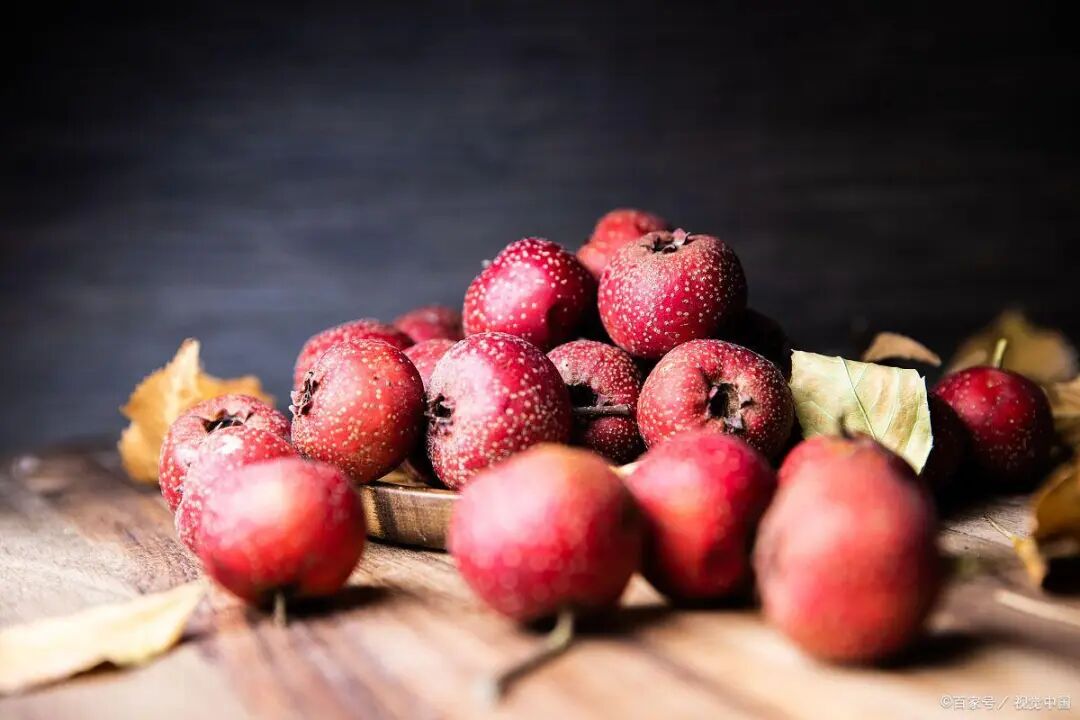
Hawthorn
Hawthorn, also known as mountain red or red fruit, has deep red, nearly spherical fruits that are sweet and sour. It is a unique fruit in China, often used to make candied hawthorn or jams. Each 100 grams of fresh fruit contains up to 53.0 milligrams of Vitamin C, which is 2 to 3 times that of oranges, and is rich in calcium, potassium, and iron. Due to its Vitamin C and organic acid content, its iron bioavailability is relatively high. Consuming hawthorn can alleviate food stagnation and indigestion, promoting digestion and stomach health.
Tip: Those with excessive stomach acid or pregnant women should avoid consumption.
Grapefruit
Grapefruit is a natural hybrid of sweet orange and pomelo. The fruit is flat and round, with thin, orange-yellow skin. The flesh is segmented and comes in white, pink, and red varieties. It has a juicy, slightly sour, and bitter taste with a unique aroma. Each 100 grams of fresh fruit contains up to 38.0 milligrams of Vitamin C, far exceeding that of apples. It is rich in potassium, which can help lower blood pressure. It should not be consumed with antihypertensive or lipid-lowering medications, as it may cause abnormal increases in drug concentration.
Tip: Those with a cold constitution should consume with caution, as it may lead to diarrhea or dizziness.

Kumquat
Kumquat, also known as golden jujube, is round with sweet skin and sour flesh. The skin contains kumquat glycosides, pine glycosides, and clove glycosides. The Vitamin C content of kumquat is 35 milligrams per 100 grams, and the flesh contains citric acid, malic acid, and various amino acids such as proline and aspartic acid. It has effects of relieving phlegm and cough, and reducing swelling and pain.
Tip: It is best not to consume on an empty stomach, as it may irritate the gastric mucosa; it is also high in sugar, so those with diabetes should consume with caution.
Orange
Oranges are a hybrid of pomelo and mandarin, with various types including navel oranges, ice sugar oranges, blood oranges, and red oranges. They are rich in Vitamin C (approximately 33.0 milligrams per 100 grams of fresh orange), which can enhance immunity, eliminate free radicals, and reduce cancer risk. They contain flavonoids, limonoids, and β-carotene, which promote the production of high-density lipoprotein and help lower the risk of cardiovascular diseases. Pectin and cellulose promote intestinal motility and prevent constipation; potassium regulates blood pressure, while calcium and magnesium participate in bone metabolism, promoting bone health.
Tip: Those with diabetes, spleen and stomach deficiency, or allergic constitutions should consume with caution.
Why Supplement Vitamin C
Vitamin C, also known as ascorbic acid, cannot be synthesized by the human body and must be obtained from food. During the Age of Exploration, sailors often died from scurvy due to a lack of Vitamin C, which is how it got its name “ascorbic acid”.
Vitamin C has significant antioxidant properties and numerous physiological functions, including promoting collagen synthesis, eliminating free radicals in the body, aiding wound healing, maintaining cardiovascular health, enhancing iron absorption, delaying aging, preventing inflammatory responses, and boosting immunity.
Unlike most water-soluble vitamins, Vitamin C can be stored in the body to a certain extent. Even if intake is temporarily halted, deficiency symptoms do not appear immediately. However, prolonged inadequate intake may lead to pre-deficiency symptoms, often accompanied by general fatigue, loss of appetite, swollen gums, and even petechiae and gum bleeding, particularly at the tips of the gums.
The recommended daily intake of Vitamin C for normal adults is 100 milligrams, but to prevent non-communicable chronic diseases, a daily intake of 200 milligrams is recommended. The “Chinese Dietary Guidelines (2022)” recommend that adults ensure a daily intake of 200 to 350 grams of fresh fruit, with an emphasis on choosing fruits high in Vitamin C to avoid deficiency or excess.
How to Eat Fruits Without Losing Nutrients
Fruits can be considered natural vitamin pills, but there is a correct way to “open” them; otherwise, not only will the nutrients be significantly reduced, but there may also be adverse effects on the body.
Freshly Squeezed Juice Cannot Replace Fresh Fruits
Some people prefer to juice fresh fruits, but since Vitamin C is an antioxidant vitamin, exposure to air and light during juicing can lead to significant destruction of Vitamin C, greatly reducing its intake. Furthermore, fruits themselves contain a lot of dietary fiber, and excessive processing will destroy their nutritional value.
Choose Fresh Fruits
Eating fresh fruits brings numerous health benefits. In contrast, fruits that have been stored for too long lose significant nutritional value. The moisture in fruits evaporates over time, causing them to shrivel, deteriorate in taste, and affect their edibility. Their nutritional components also undergo significant changes, especially some antioxidant components, which are prone to oxidation and decomposition.
People with High Blood Sugar Should Monitor Fruit Intake
For those with elevated blood sugar, daily fruit intake should be controlled at 50 to 150 grams. Fresh fruits generally contain about 50 kilocalories per 100 grams. If consuming a larger amount in a day, the intake of staple foods should be reduced accordingly. For example, if consuming 200 grams of apples (approximately 100 kilocalories), 30 grams should be deducted from the total staple food intake for the day to avoid excessive total energy intake.
It is best to choose to eat fruits between meals, when hungry, or after physical activity, as this can prevent low blood sugar and provide the body with certain calories and nutrients. It is recommended to consume small amounts multiple times, avoiding large quantities at once to reduce gastrointestinal burden and prevent rapid increases in blood sugar. Ideally, fruits should be consumed 2 to 3 times a day, with about 50 grams each time.
This article is written by Gao Chunhai (Registered Dietitian) (Source: Beijing Youth Daily)
