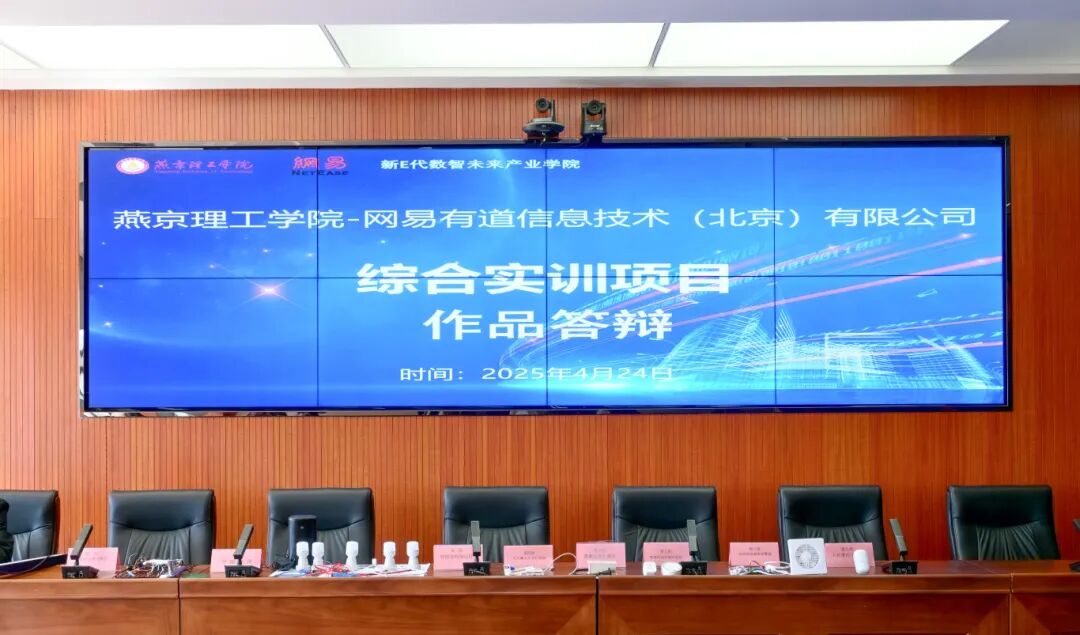
To deepen the integration of industry and education, promote school-enterprise collaborative education, and effectively enhance the practical innovation capabilities of students in the Internet of Things and Communication majors, helping them transform theoretical knowledge into practical applications and cultivate high-quality professionals that meet industry development needs. On April 24, with the support of the New E-Generation Smart Future Industry College, the School of Information Science and Technology held the defense activity for the Yanjing University of Science and Technology – NetEase Youdao Information Technology Co., Ltd. training project in conference room 525. Professor Yang Gengyu, President of Yanjing University of Science and Technology, Mr. Li Xinghua, General Manager of the School-Enterprise Integration Center at NetEase (Youdao), Senior Engineer Wang Yatao, Assistant Liu Yongxin, Professor Li Lifeng, Dean of the School of Information Science and Technology, Professor Yun Caixia, Vice Dean, representatives of teachers from the Internet of Things Engineering and Communication Engineering departments, and students from the 2022 Internet of Things Engineering and Communication Engineering participated in this event.
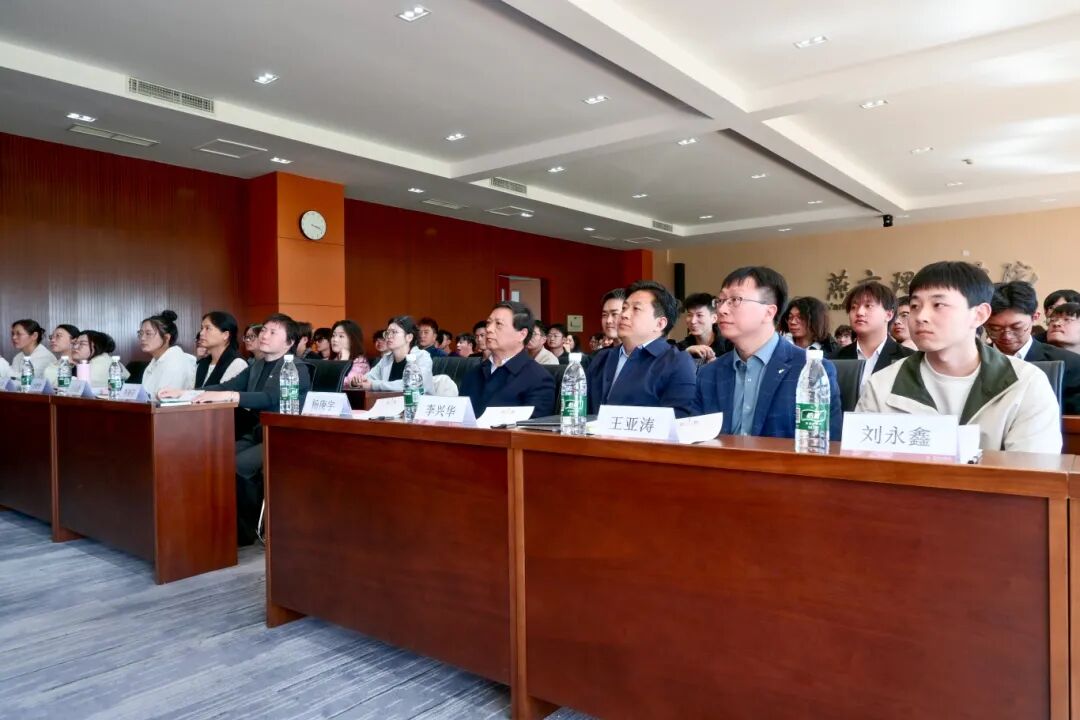

At the beginning of the event, President Yang Gengyu delivered a speech. Yanjing University of Science and Technology has always regarded the cultivation of practical abilities as a key aspect of talent development, constructing a unique training ecosystem, adhering to the educational philosophy of “emphasizing both theory and practice, integrating knowledge and ability.” He stated that the training project with NetEase is of great significance, as the teachers from NetEase (Youdao) bring in-depth integration of theory and practice through their solid professional knowledge and rich industry experience. President Yang hopes that students will take this defense as a new starting point, transforming training experiences into growth motivation, applying what they have learned to solve practical problems, striving for excellence on the path of knowledge, becoming pillars of society, shining in their respective fields, creating value, and writing brilliance. At the same time, he looks forward to the continuous deepening of cooperation between the school and NetEase, creating a new paradigm of industry-education integration, and injecting continuous momentum into the cultivation of high-quality applied talents.
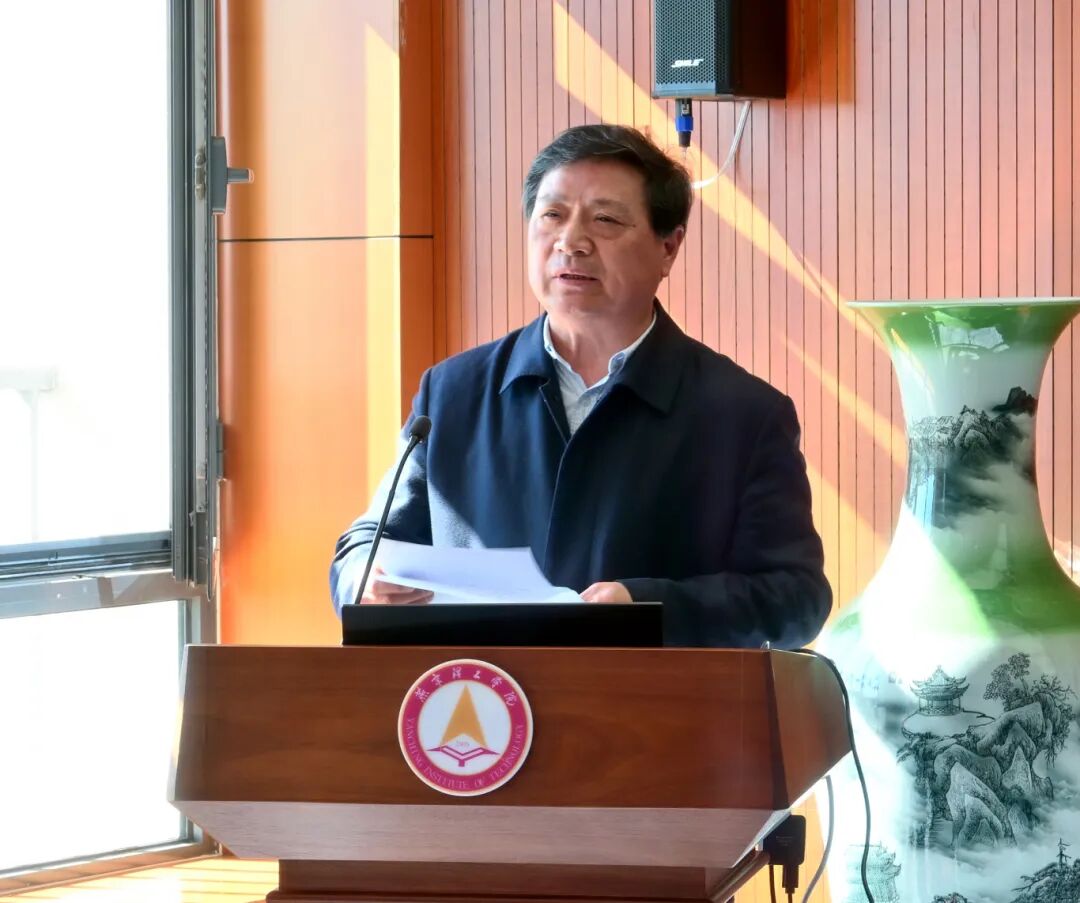
President Yang Gengyu delivers a speech
Mr. Li Xinghua, General Manager of the School-Enterprise Integration Center at NetEase (Youdao), also delivered a speech, first highly affirming the hard work of students in course design. He especially thanked the teacher team involved in training guidance and the counselors for safeguarding students’ learning. Mr. Li stated that deepening the integration of industry and education is a common strategic goal for both schools and enterprises, and school-enterprise cooperation needs to break down barriers between education and industry. Through multi-dimensional collaboration such as co-construction of courses, resource sharing, and co-cultivation of teachers, a new model of talent cultivation that integrates learning and application can be constructed. Only by achieving deep integration can higher education accurately meet enterprise needs, ultimately achieving a win-win situation for schools, enterprises, and students, continuously supplying high-quality professionals with solid theoretical foundations and practical abilities to promote high-quality regional economic development.
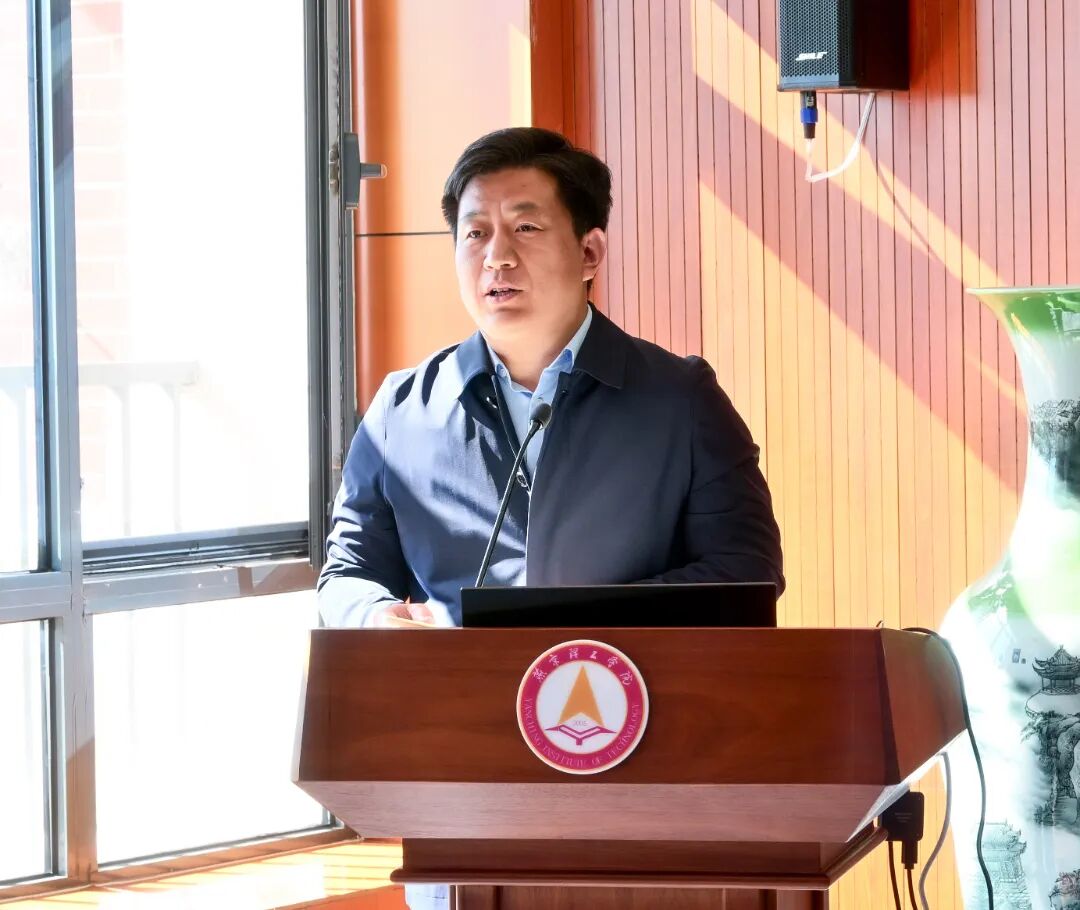
General Manager Li Xinghua delivers a speech


President Yang Gengyu awards the social mentor appointment letter to Mr. Wang Yatao, Senior Engineer at NetEase.
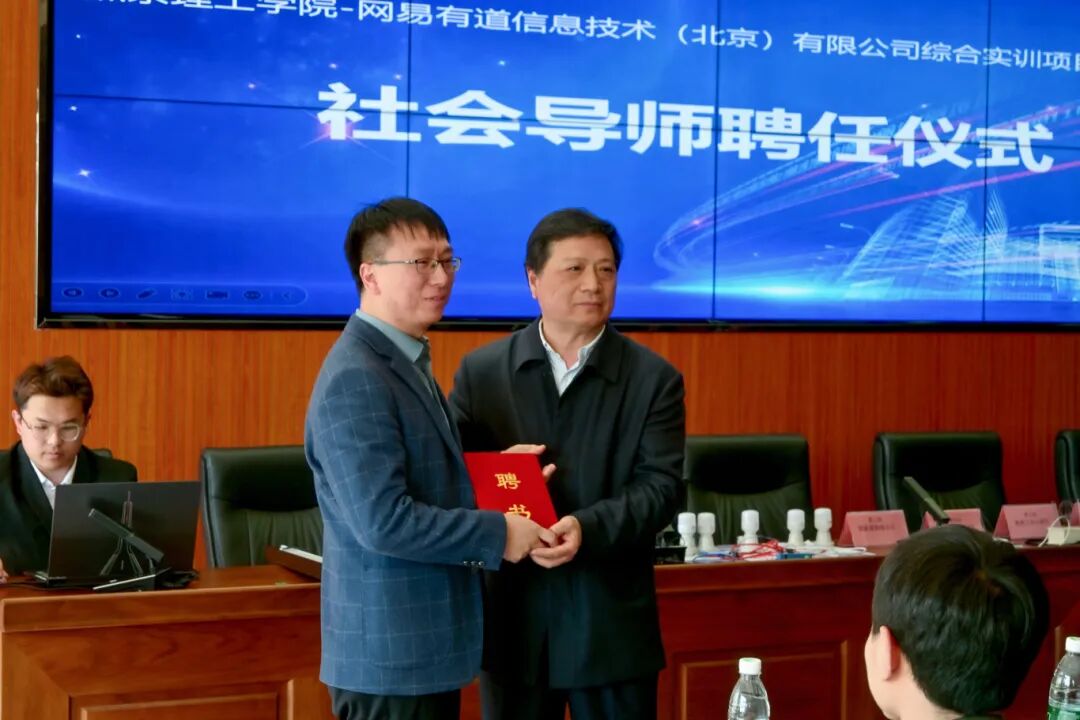
President Yang Gengyu awards the appointment letter to Mr. Wang Yatao
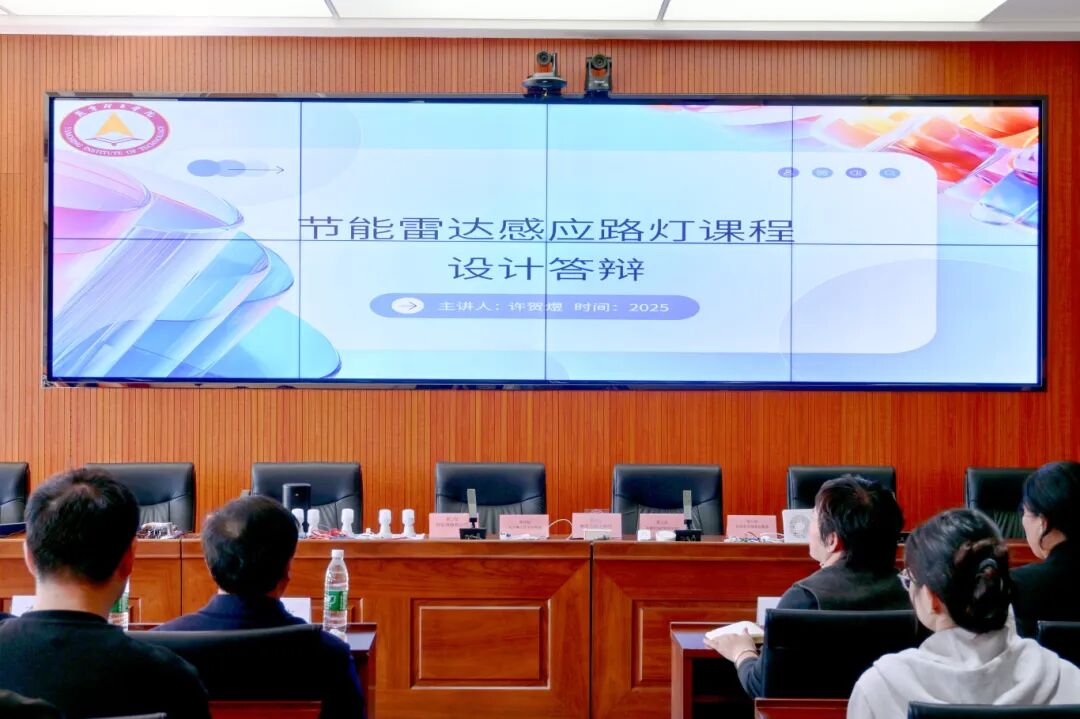
Subsequently, the student project defense session took place, where each defense group presented their innovative achievements and practical reflections in various dimensions, including functional introduction, system architecture, hardware design, program design, cloud platform construction, functional demonstration, and summary outlook. These projects embody the wisdom and hard work of the students and showcase a deep exploration of the integration of theory and practice. The judges scored each group’s performance from a professional perspective.
Mr. Wang Yatao provides comprehensive and profound feedback on the students’ on-site defense. He fully affirms the significant progress students have made during the training period. He pointed out that students have greatly improved their problem-finding, problem-solving, and resource integration abilities during project practice. He also gave students three suggestions: to cultivate the habit of writing code for projects, learn to use output to drive input, and be adept at utilizing advanced tools like AIGC. At the same time, he hopes that students will continue to maintain this spirit of exploration and apply IoT technology to broader fields in the future, creating more valuable outcomes and contributing to industry development.
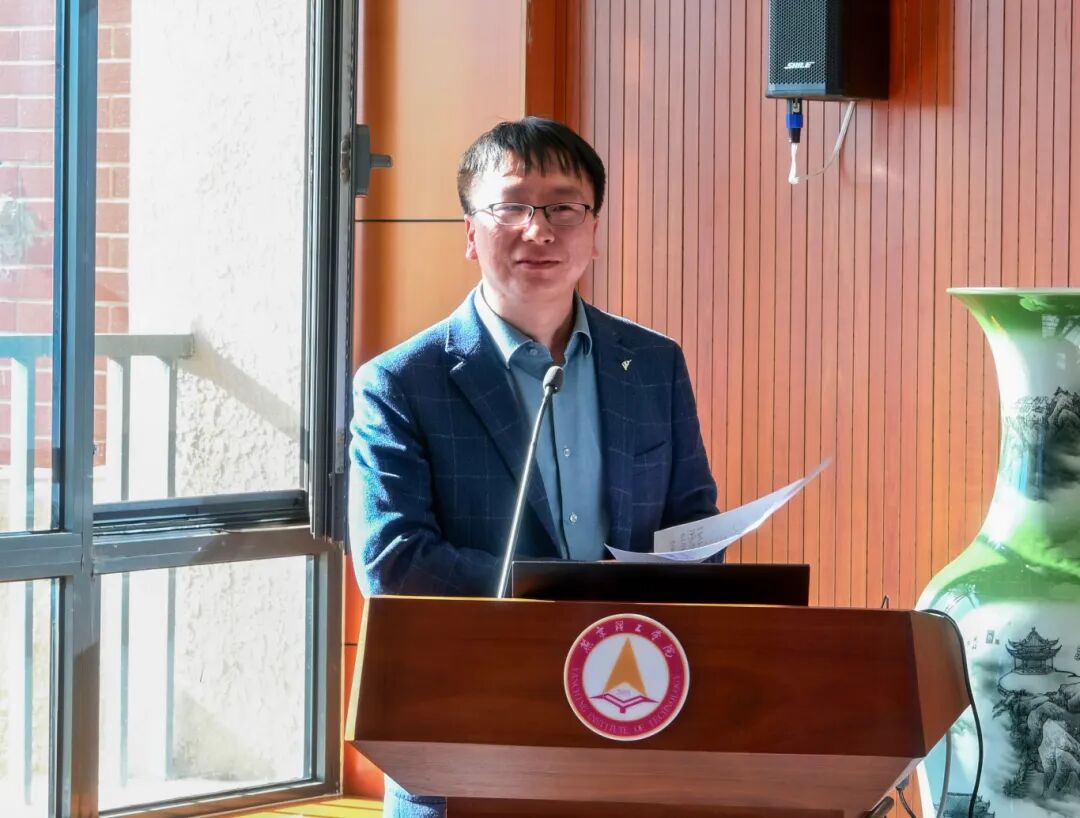
Mr. Wang Yatao provides feedback

The event entered the award ceremony, where Teacher Li Jin awarded third prizes to Group 1, Group 8, and Group 9; Vice Dean Yun Caixia awarded second prizes to Group 3 and Group 4; and Teacher Wang Yatao awarded the first prize to Group 2. Each honor is a recognition of the students’ efforts and innovations, and the applause filled the venue, creating a lively atmosphere.
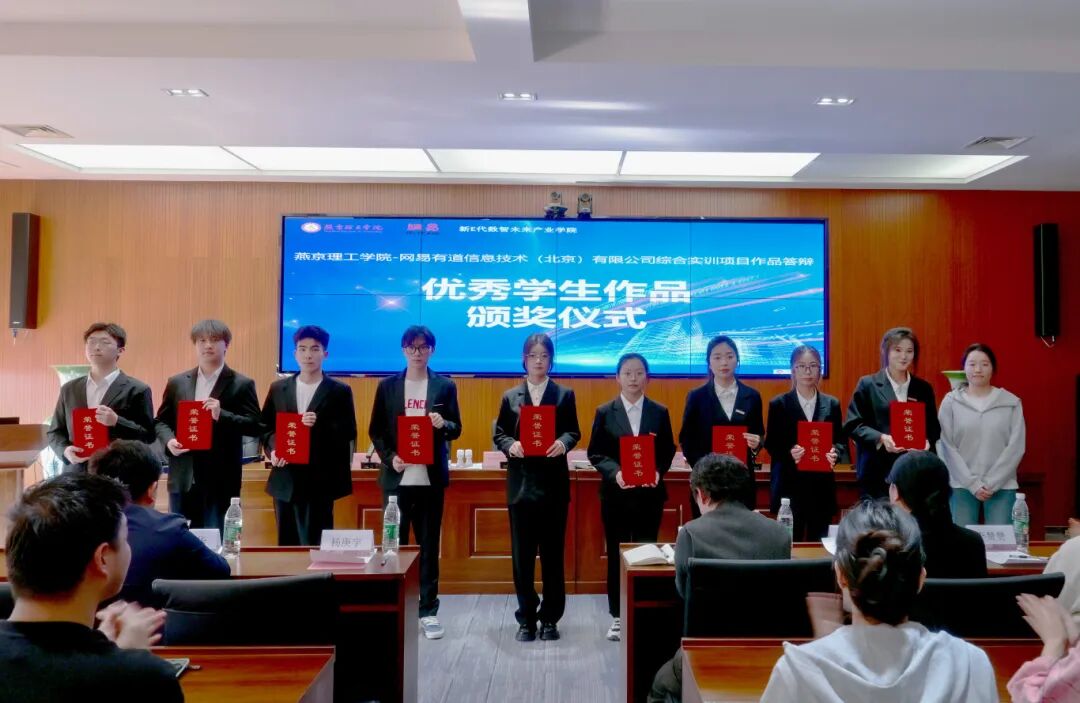
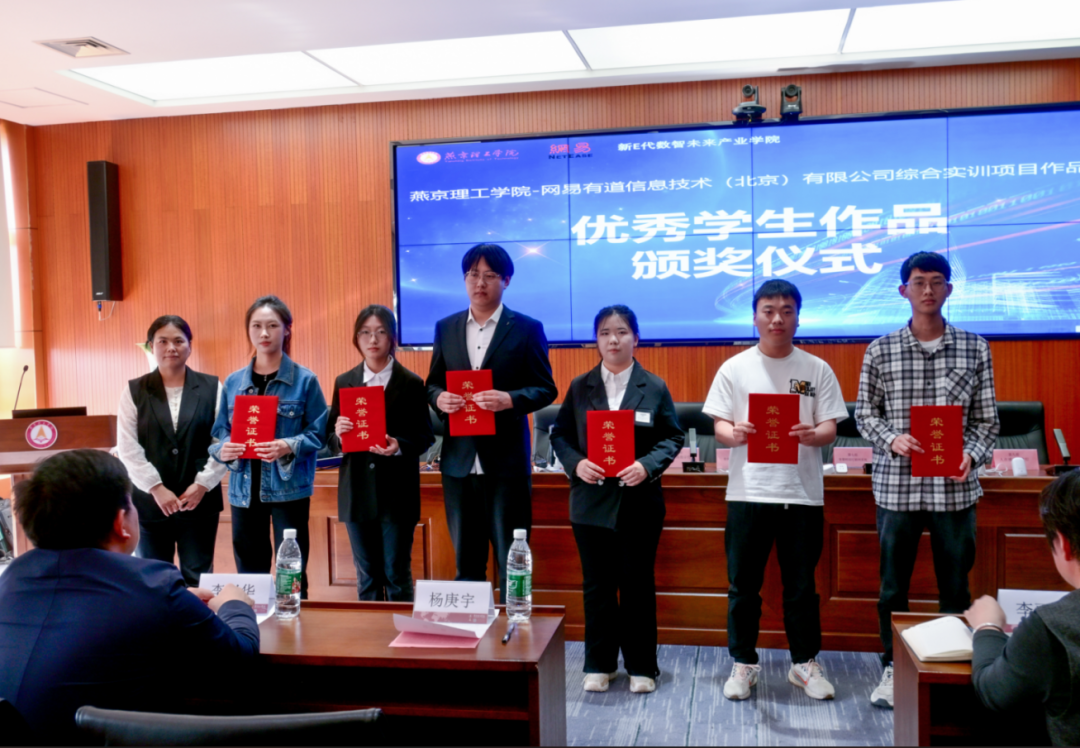
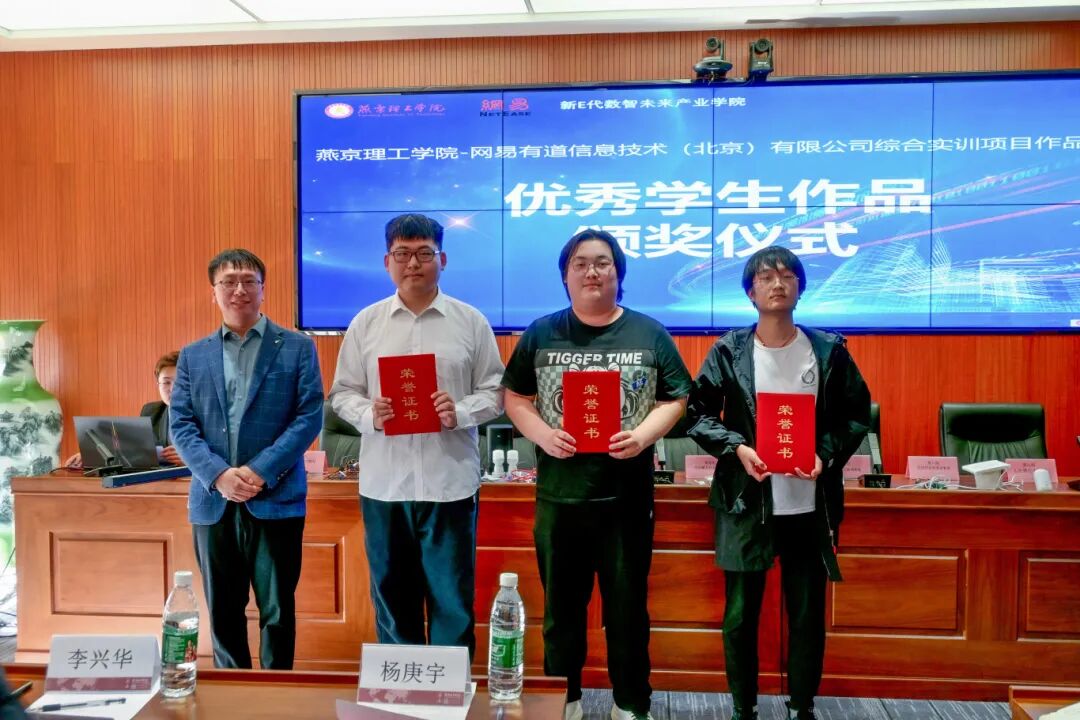
Outstanding Student Project Award Ceremony
After the award ceremony, Dean Li Lifeng presented a letter of thanks to Mr. Wang Yatao, expressing the college’s sincere gratitude for his hard work.
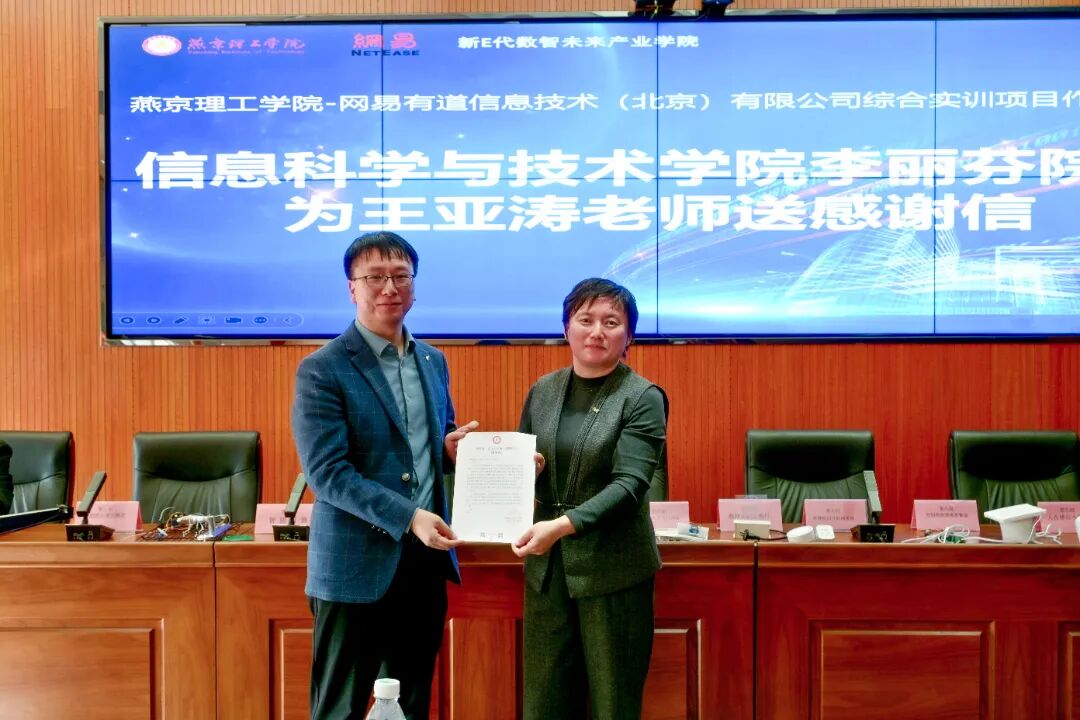
Dean Li Lifeng presents a letter of thanks to Mr. Wang Yatao

Dean Li Lifeng of the School of Information Science and Technology delivered a speech, stating that the School of Information Science and Technology deepens the integration of industry and education and closely cooperates with NetEase Youdao, committed to providing students with more authentic and practical education and training, cultivating versatile talents that meet industry needs. She expressed her appreciation for the students’ efforts and persistence. She encouraged students to continue to maintain their enthusiasm, actively participate in subject competitions, and use competitions as a new growth ladder to continuously explore their potential and enhance their professional qualities. She expressed hope that students will continue to uphold the spirit of research, integrating their professional knowledge into technological innovation and industry development, standing at the forefront of the digital era with solid skills, becoming the backbone of progress in the computer field, and writing their own extraordinary chapters.
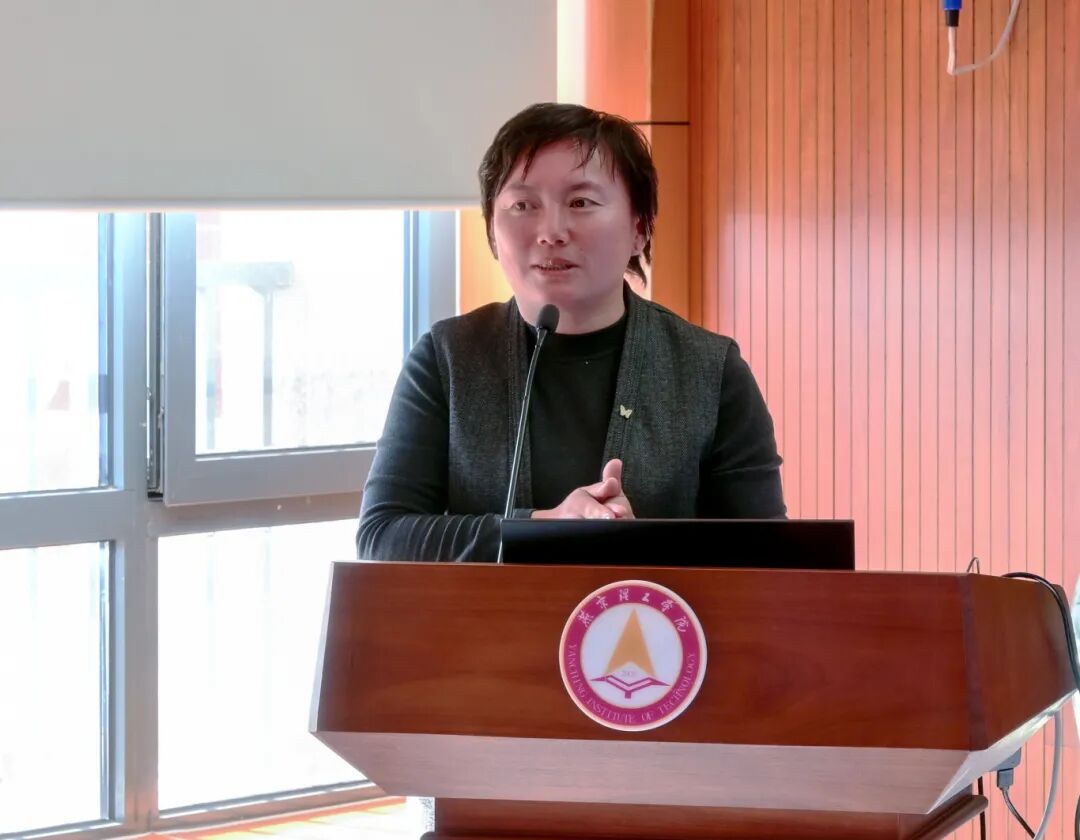
Dean Li Lifeng of the School of Information Science and Technology delivers a speech
The successful conclusion of this school-enterprise cooperation training achievement display event not only showcases the professional quality and innovative vitality of the students of the School of Information Science and Technology but also serves as a vivid practice of the school deepening the integration of industry and education and promoting collaborative education. Looking ahead, with the continuous deepening of school-enterprise cooperation, both parties will further optimize the collaborative education mechanism, focusing on cutting-edge technologies and industry development needs, cultivating more high-quality applied talents with practical abilities and innovative thinking, and helping more young students grow into the backbone of technological innovation and social progress in the industry.
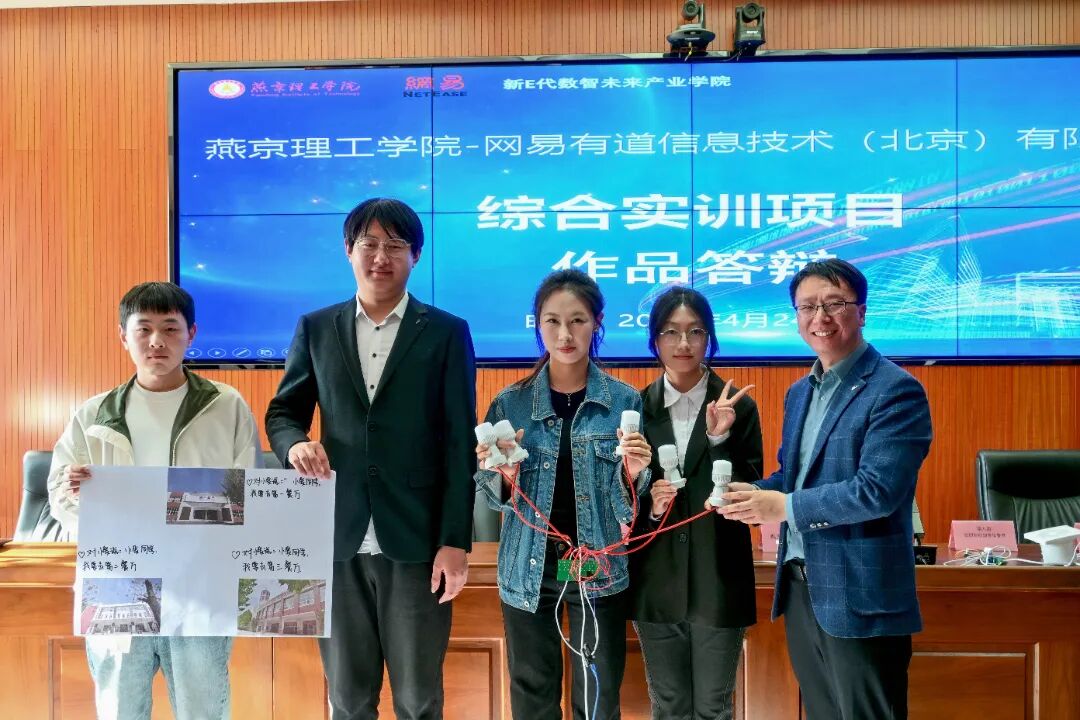
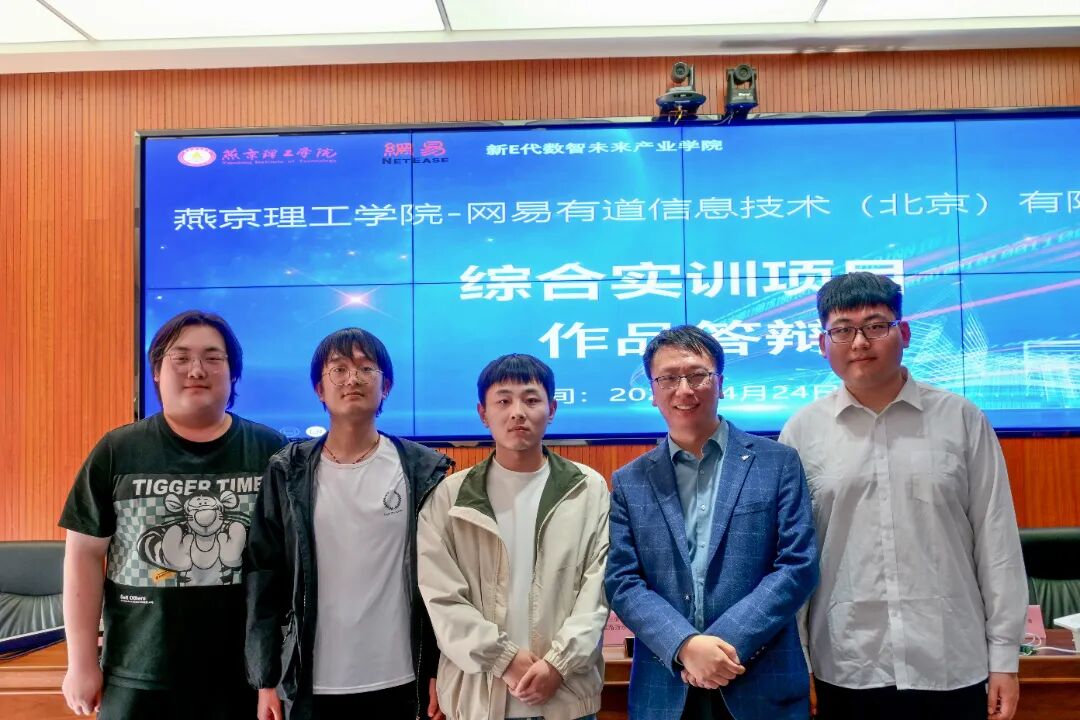
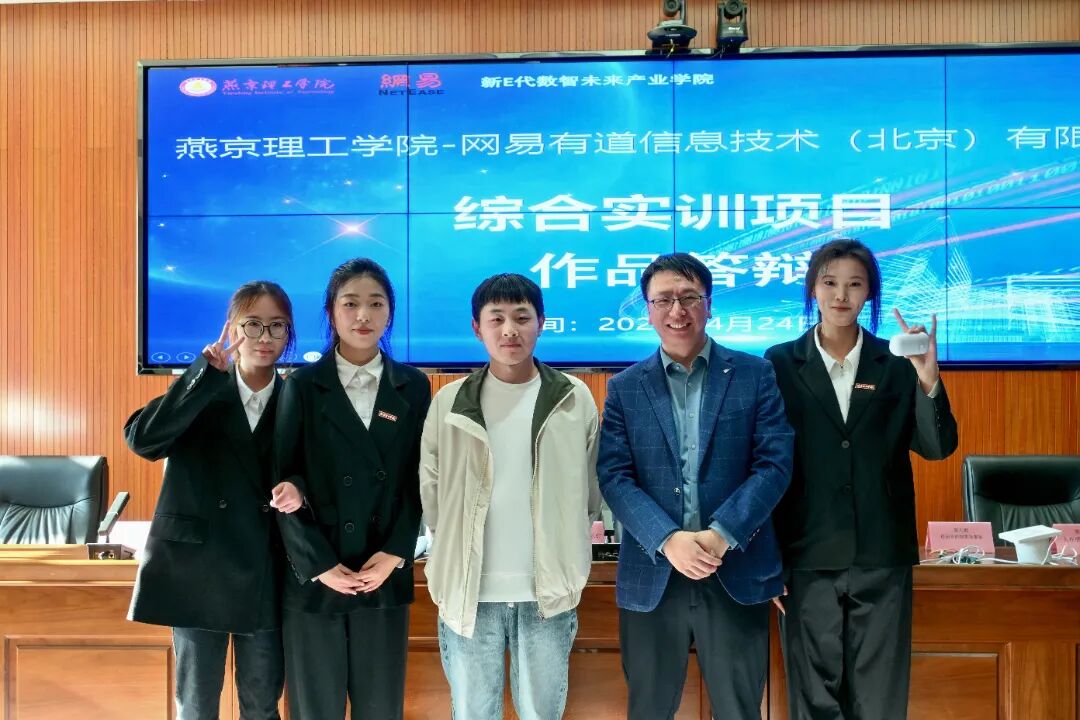
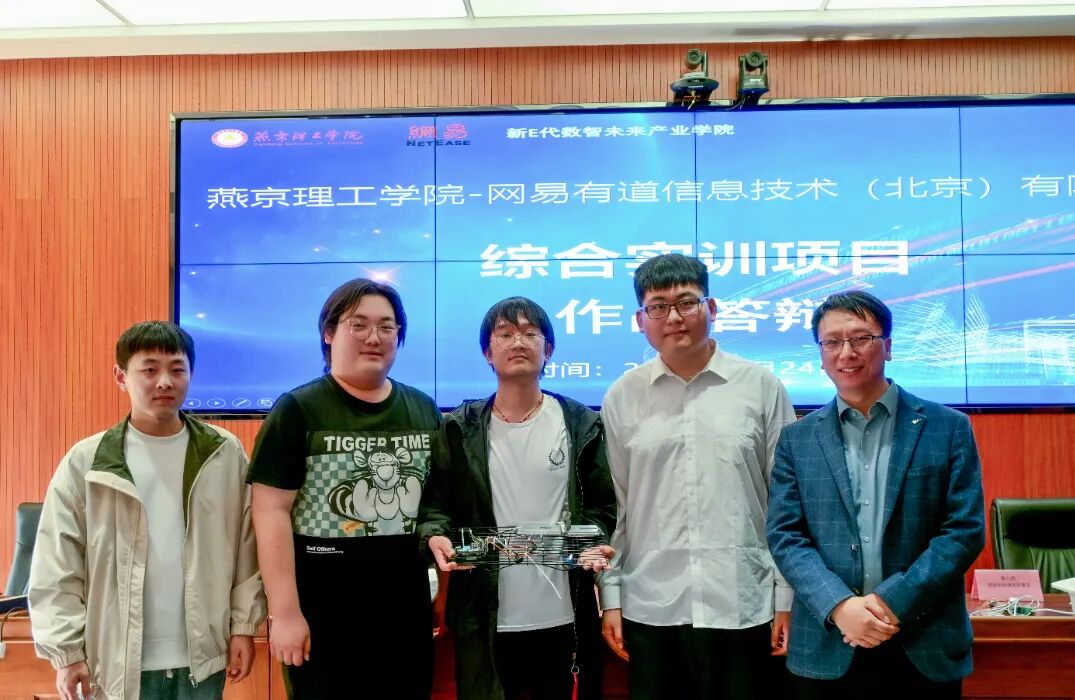
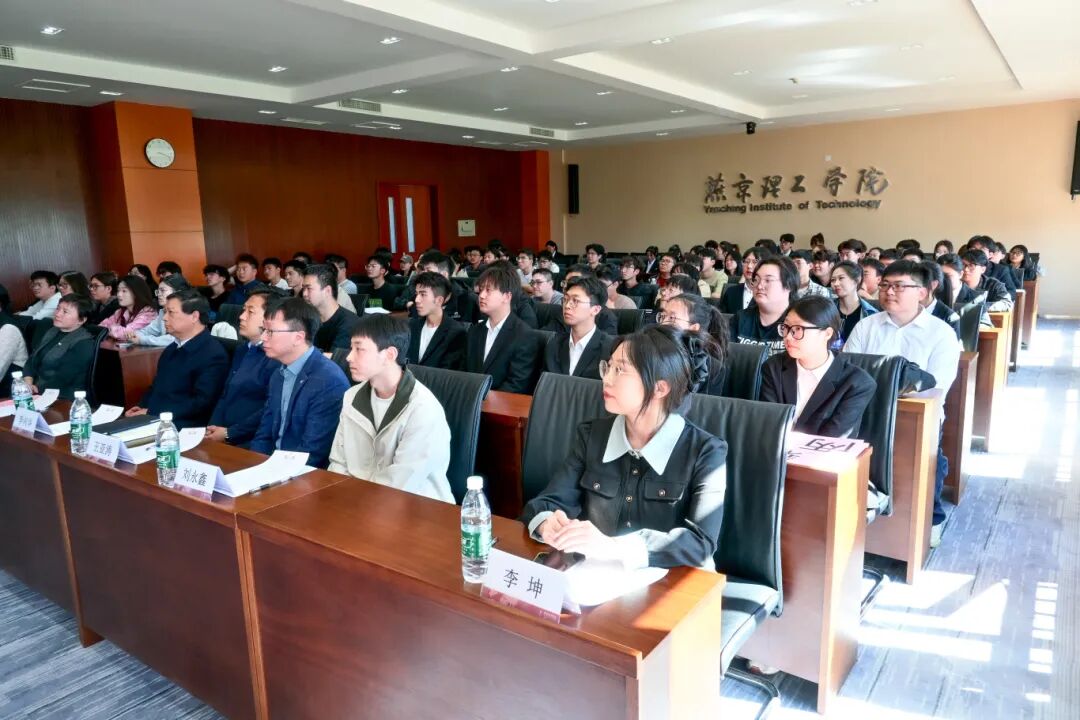
 Below are the project introductions
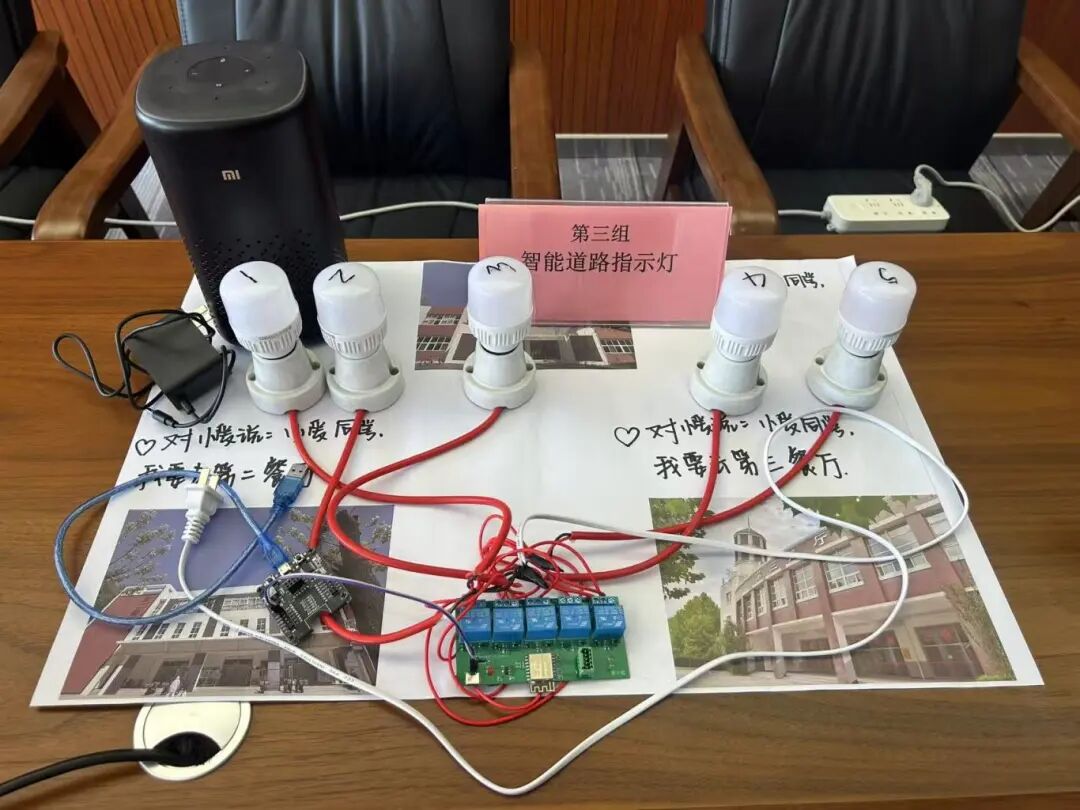
 01Smart Road Indicator Light
This design is a smart road indicator light system based on ESP8266, aimed at guiding lights along fixed routes through IoT technology. The system supports multiple preset routes, and users can trigger corresponding light sequences via a mobile web page or voice commands. The hardware uses low-cost modules (ESP8266 main control, LED array, microphone module), and the software implements WiFi communication, voice detection, and light control logic through the Arduino platform. The project integrates embedded development, IoT communication, and human-computer interaction technology, suitable for indoor navigation, smart parking lots, and other scenarios.
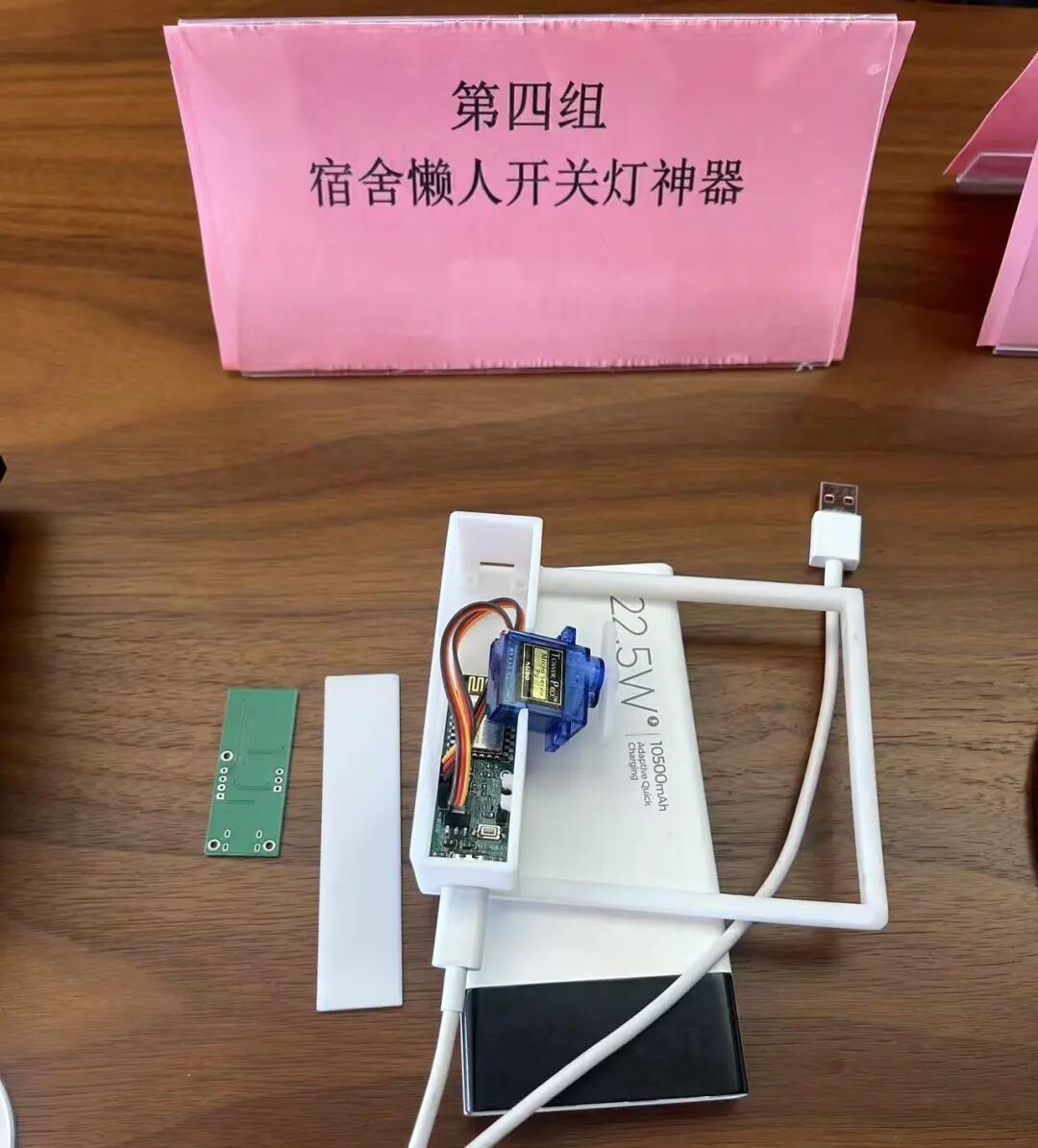
 02Dormitory Lazy Light Switch
This project designs a smart light control system specifically for dormitory scenarios, using the ESP8266 WiFi module combined with a micro servo to achieve remote control of physical switches. The system supports turning lights on and off via a mobile app, eliminating the debate over who should press the switch; it retains the original switch function for manual operation when needed; everyone in the dorm can control the lights with their phones, making it fair and efficient! It also has dual-mode network adaptability (networked mode/AP hotspot mode), allowing control of lights through a local web page even if the dormitory is offline. Suitable for dormitory bed lights, desk lamps, and other frequently manually operated scenarios, enhancing convenience and technological feel in life.
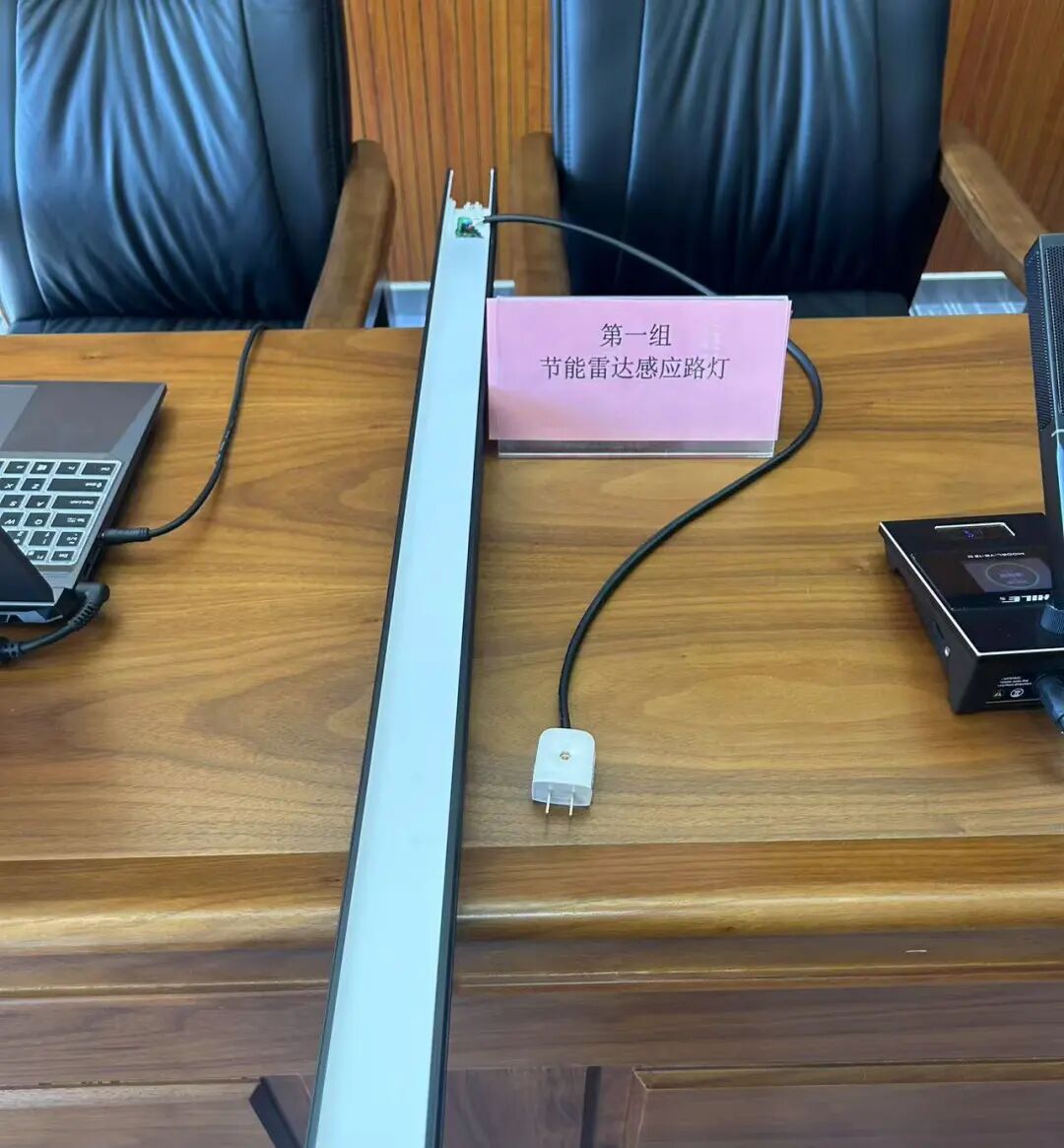
 03Energy-saving Radar Sensing Street Light
The energy-saving radar sensing street light can use a 24GHz radar sensor, wireless communication module, and embedded microprocessor. This system can distinguish between vehicles and pedestrians, automatically turn lights on and off, automatically upload data, and also allow for remote manual management. The radar sensing smart lighting is not affected by temperature, brightness, or weather, does not raise privacy concerns, and is very convenient to install and use.
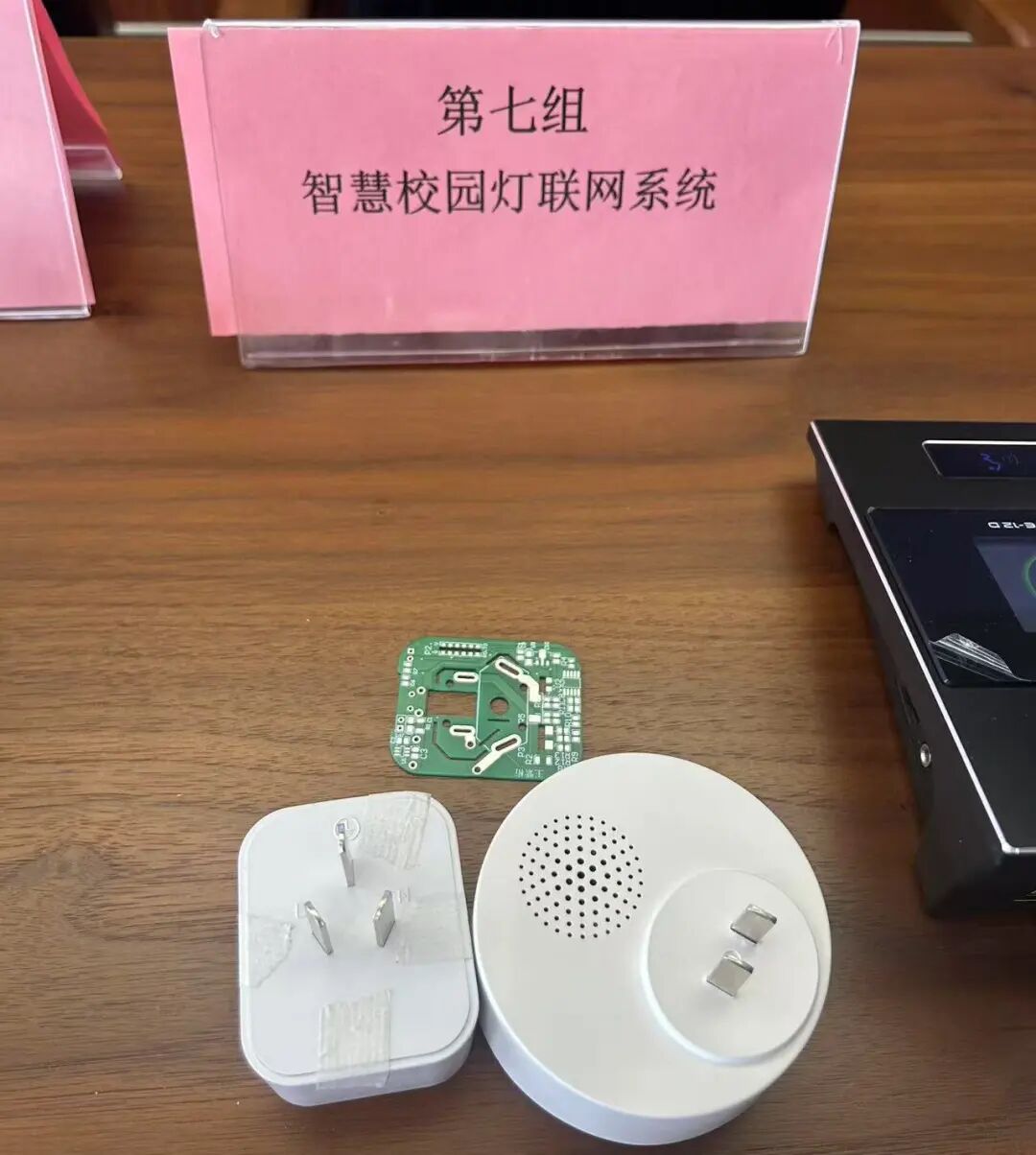
 04Smart Campus Light Networking
Using ESP8266 to control smart sockets and human-sensing lights, integrating automation control in HA, allowing the on and off of human-sensing lights to simultaneously control the on and off of smart sockets, with human-sensing lights detecting human activity through radar.
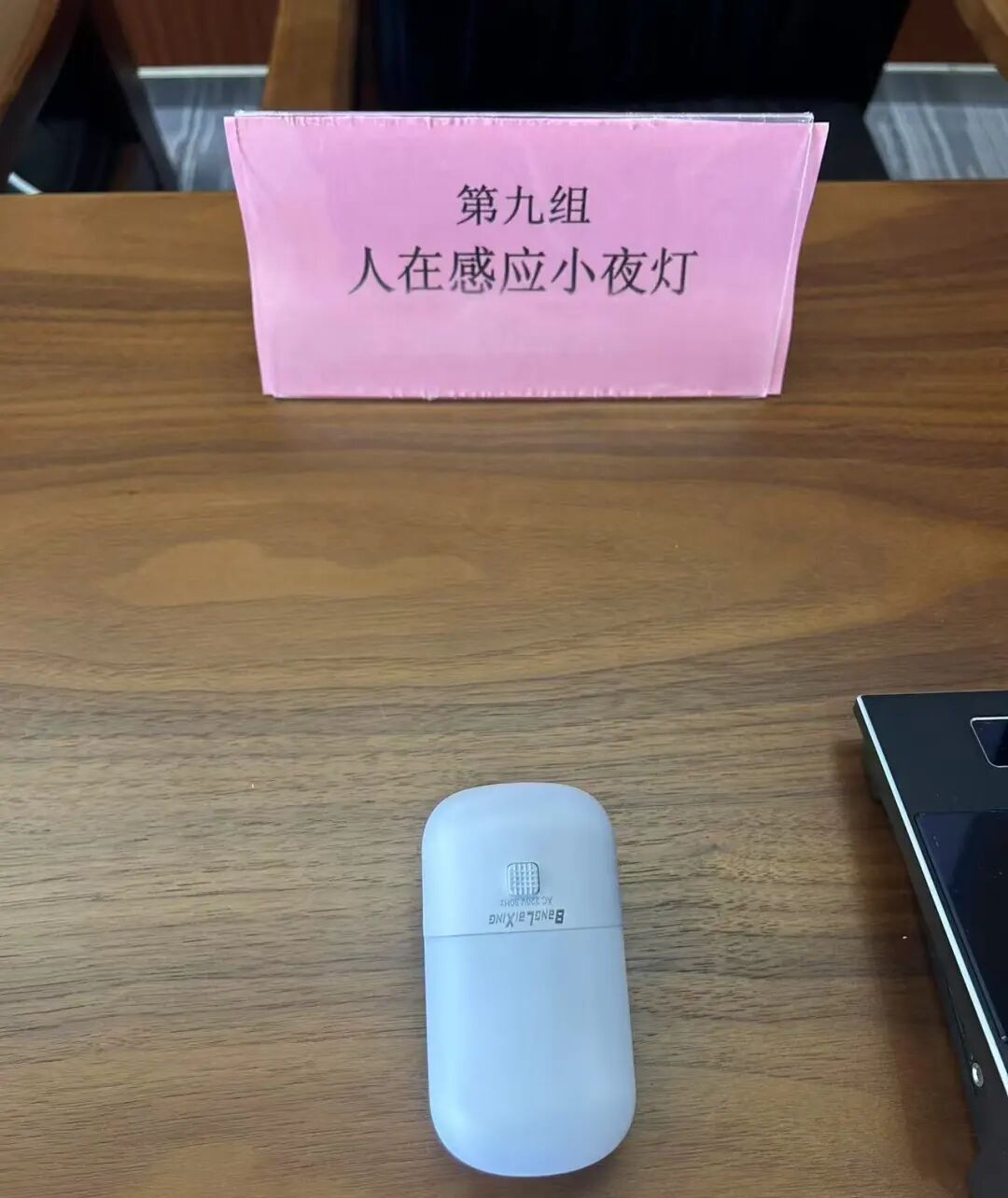
 05Human-sensing Night Light
This project focuses on human-sensing lights. It utilizes the ESP8266 chip to complete stable hardware circuit design; writes reliable software programs to achieve smart light control; builds a cloud platform for remote management; and accurately captures human activity through infrared sensors, combining IoT technology to transmit signals to the smart control module, achieving intelligent switching and brightness adjustment of the night light. It can sense the presence of moving or stationary humans and can be used as a sensing night light.
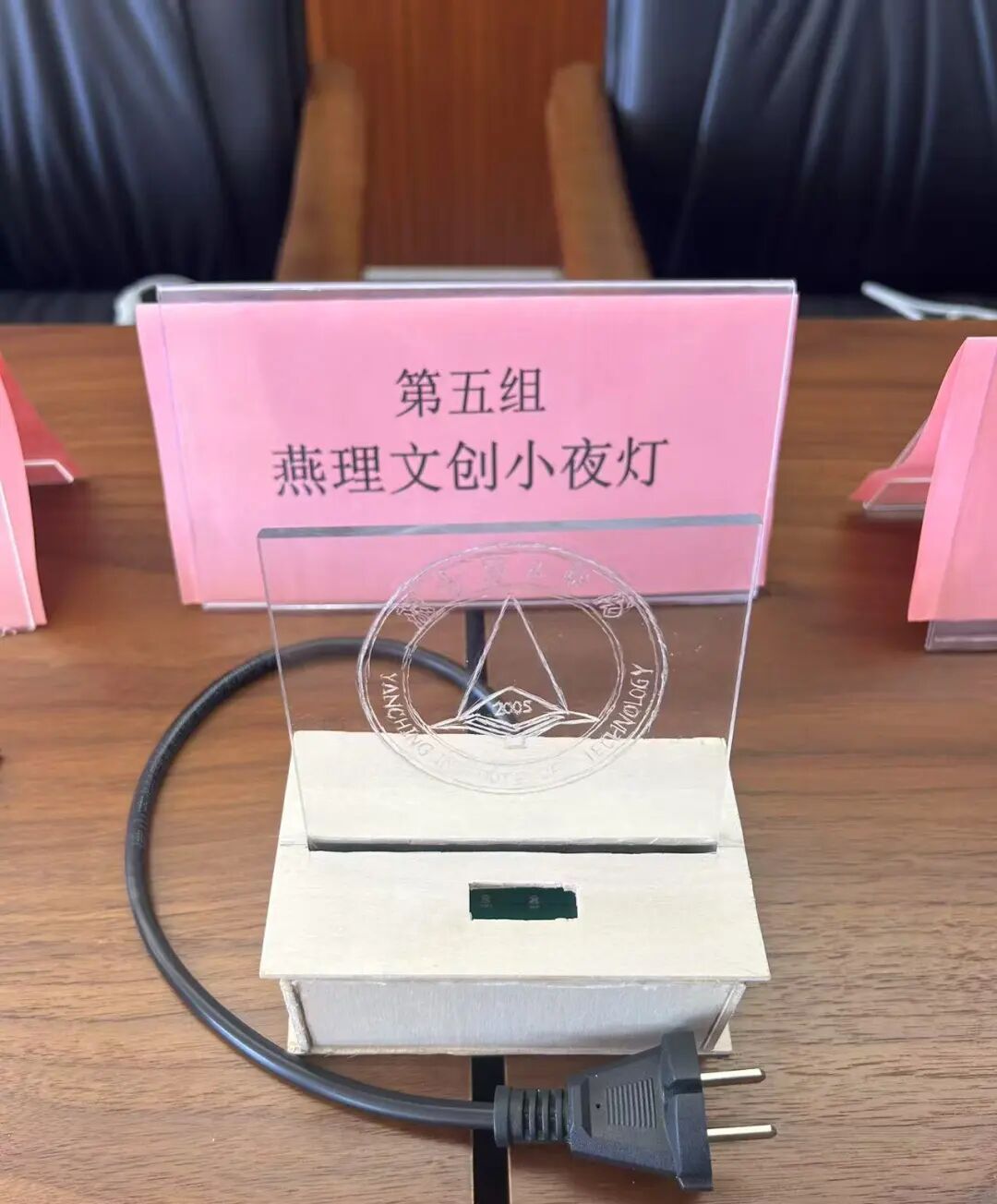
 06Yanjing Creative Night Light
This project uses the ESP8266 as the main control chip, controlling the switch through radar sensing, achieving different effects such as a blue breathing light for static targets and a rainbow light effect for moving people. Users can connect to WiFi today to configure the web page, and after configuration, remote control of the light switch can be achieved on the Home Assistant web page. Hardware facilities include ESP8266, Ws2812B-LED, radar sensing module, etc.
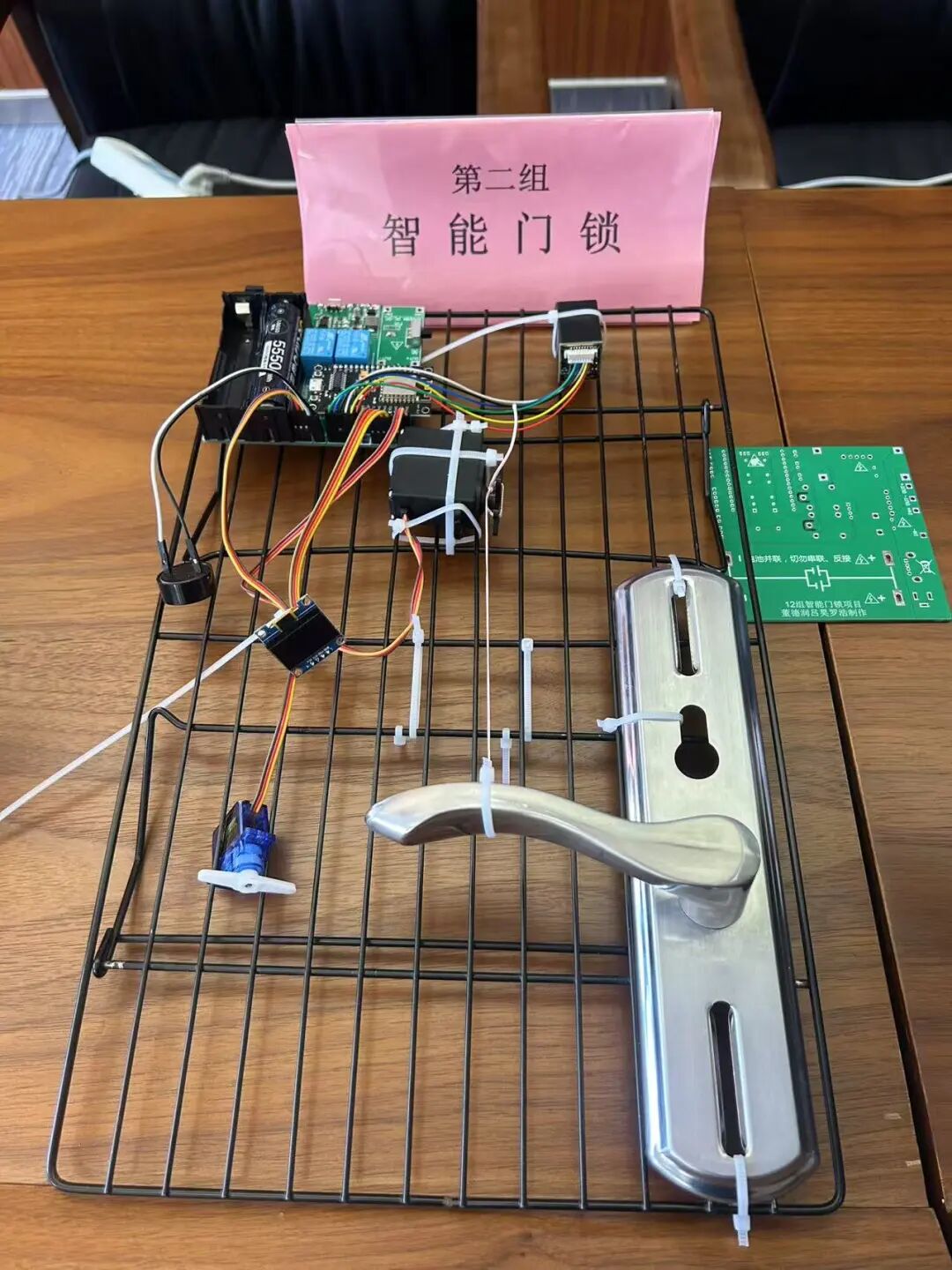
 07Smart Door Lock
This project designs a smart door lock that integrates fingerprint recognition and IoT remote control functions, using a low-cost, low-power ESP8266 Wi-Fi chip as the core hardware to achieve the smart and networked nature of the door lock. The system uses a fingerprint sensor for biometric feature recognition unlocking, and communicates with the cloud server via MQTT protocol, allowing users to remotely control the door lock through a mobile app or web interface, and receive real-time feedback on the door lock status (such as unlocking records, abnormal alerts, etc.).
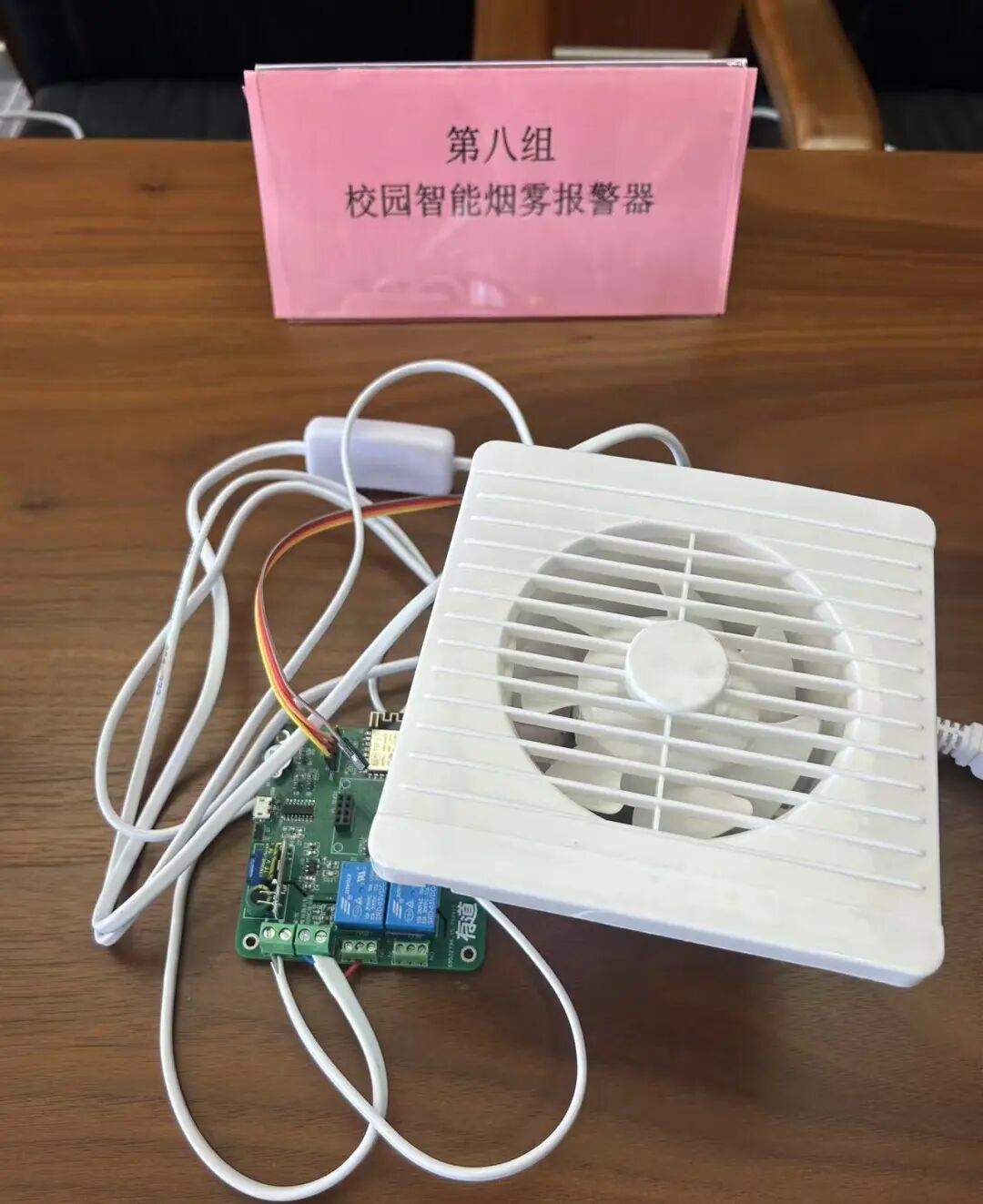
 08Campus Smart Smoke Detector
The campus smart smoke detector is an intelligent safety device based on the ESP8266 main control chip, integrating smoke detection, alarm, automatic ventilation, and remote monitoring. The system achieves IoT connectivity via MQTT protocol, automatically activating the buzzer alarm and exhaust fan when smoke is detected, and enabling remote monitoring and control through the Home Assistant platform. This system effectively enhances the campus fire prevention capability, achieving full-process automation from detection to emergency handling, while providing convenient remote monitoring for management personnel.
 END
END
 Recommended Reading
Passion Ignites the Dream of Sports, Youth Blooms with Enthusiasm | Yanjing University Sports Meeting is About to Kick Off!
Gathering Forces in Industry and Education, Smart Innovation Empowerment | Faculty of the School of Information Science and Technology Participates in the National Industry-Education Alliance Innovation and Entrepreneurship Academic Annual Conference (2025) and Innovation Education Seminar
Returning to Alma Mater with Warm Memories, Passing on the Torch to Continue the Chapter | The School of Information Science and Technology Conducts a May Day Visit to Alma Mater Practical Training Meeting
Image | Xing Boyuan
Text | Liu Tong, Meng Xiangnan
Image Editing | Yin Jiateng
Image Review | Lu Boran
Guiding Teacher | Wan Lu
 Yanjing University of Science and Technology
School of Information Science and Technology