SoCChips : Definition, Structure, Functions, Applications, Design, and Technological Development
Wu Guofa
April27th2025Year
Abstract : This is a popular science article on computer and information technology. This article introduces the definition, structure, functions, applications, design considerations, technological development trends of SoC chips, and their differences from AI chips.
Keywords : SoC AI Chips CPU Processors Microcontrollers
This is a popular science article on computer and information technology. Readers need to have a basic knowledge of computers to fully understand it.
This article concisely introduces the definition, structure, functions, applications, design considerations, technological development trends of SoC chips, and their differences from AI chips.
1. Definition of SoC Chips
SoC chips, or System on Chip, refer to integrated circuits that integrate multiple functional modules such as microprocessors, analog IP cores, digital IP cores, and memory (or external memory control interfaces) on a single chip. The components on the SoC are interconnected through an internal bus, forming a complete microcomputer system.
2. Structure of SoC Chips
The structure of SoC chips is complex and diverse, but typically includes the following key components:
Processor Core: SoC chips’ core components include CPU (Central Processing Unit), GPU (Graphics Processing Unit), NPU (Neural Processing Unit), etc. These processors are responsible for executing instructions, performing calculations, and controlling data flow.
Memory Subsystem: Includes cache (Cache), random access memory (RAM), and read-only memory (ROM). The memory subsystem provides data storage and access services for the processor.
Peripheral Interfaces: SoC chips connect and communicate with external devices (such as sensors, displays, cameras, etc.) through peripheral interfaces. These interfaces may include various types such as USB, SPI, I2C, UART, etc.
Power Management Unit: Responsible for the power supply and power consumption management of the SoC chip. By dynamically adjusting the chip’s supply voltage and frequency, the power management unit can achieve low-power operation, extending the device’s battery life.
Other Functional Modules: Depending on application requirements, SoC chips may also include other functional modules such as audio processors, video encoders/decoders, security modules, etc.
3. Functions of SoC Chips
SoC chips have powerful and diverse functions, capable of completing various complex computing and data processing tasks.
The basic functions of SoC chips are as follows:
Computing and Data Processing: SoC chips’ processor cores are responsible for executing instructions, performing calculations, and controlling data flow. They can handle various complex applications and data streams, meeting users’ diverse needs.
Multimedia Processing: SoC chips typically include multimedia processing modules such as graphics processors (GPU) and video encoders/decoders. These modules can process image and video data, achieving high-quality graphics rendering and video playback.
Connectivity and Communication: SoC chips connect and communicate with external devices through peripheral interfaces. They support various communication protocols and standards, such as Wi-Fi, Bluetooth, USB, etc., enabling wireless or wired connections between devices.
Security Features: SoC chips’ security modules can protect devices from malicious attacks, prevent data leakage, and ensure data security. They ensure device security through encryption, decryption, authentication, and other mechanisms.
Low Power Management: SoC chips’ power management units can dynamically adjust the chip’s supply voltage and frequency for low-power operation. This is particularly important for mobile devices, extending battery life and enhancing user experience satisfaction.
4. Applications of SoC Chips
SoC chips are widely used in various fields, including but not limited to the following:
Smartphones and Tablets: SoC chips are the core processors of smartphones and tablets, responsible for running operating systems and applications, achieving various functions. For example, Apple’s A series chips and Qualcomm’s Snapdragon series chips are representative SoC chips in the smartphone field.
Smart Home Devices: SoC chips are used to control smart home devices such as smart bulbs, smart sockets, smart cameras, etc. They connect to the internet and smart home platforms for remote control and intelligent management of devices.
Embedded Systems: SoC chips are widely used in embedded systems, such as industrial control devices, medical instruments, aerospace equipment, etc. These devices require high performance and reliability. SoC chips can provide powerful computing and processing capabilities to meet these devices’ needs.
IoT Devices: SoC chips are one of the core components of IoT devices. They connect various sensors and devices to achieve data collection and remote control functions. In smart cities, intelligent transportation, and other fields, SoC chips play an important role.
Automotive Electronics: SoC chips are widely used in automotive electronic systems. They are used in in-car entertainment systems, navigation systems, communication systems, etc., enhancing driving experience satisfaction and vehicle safety.
5. Differences Between SoC Chips and AI Chips
Although SoC chips and AI chips are both highly integrated circuit chips, they have significant differences in functionality and application fields.
Functional Differences: SoC chips are designed to achieve complete system functionality, which may include processing digital signals, analog signals, mixed signals, and more. In contrast, AI chips focus on processing artificial intelligence-related computing tasks, such as deep learning and neural networks, with a design emphasis on improving computational performance and energy efficiency to support complex AI algorithms and models.
Application Field Differences: SoC chips, due to their high integration and customization capabilities, are widely used in mobile devices, smart homes, automotive electronics, and other fields. In contrast, AI chips are primarily sold to those requiring high-performance computing support for AI applications, such as autonomous driving, intelligent voice assistants, robotics, etc.
6. Design Considerations for SoC Chips
The design goal of SoC chips is to achieve comprehensive optimization of high performance, low power consumption, small size, and low cost while meeting specific application requirements.
The design of SoC chips is a complex process. The following are the basic considerations for SoC chip design:
Power Management: SoC chips’ power management is crucial for device battery life and user experience. Low-power technologies and optimization algorithms must be employed during design to reduce chip power consumption.
Performance Optimization: SoC chips’ performance directly affects device operating speed and responsiveness. High-performance processor cores and memory subsystems must be used during design to enhance chip performance.
Cost Control: Cost control of SoC chips is one of the important issues manufacturers focus on. Cost-effective design solutions and manufacturing processes must be adopted during design to reduce chip costs.
Increased Integration: With continuous technological advancements, the integration of SoC chips is constantly improving. Advanced packaging and interconnection technologies must be employed during design to achieve the integration of more functional modules, reduce reliance on external components, further shrink chip size, and enhance overall performance.
Testability and Debuggability: The complexity of SoC chip design requires that testability and debuggability be fully considered during the design phase. This includes built-in test logic, debugging interfaces, and fault detection and isolation mechanisms to quickly locate and resolve issues during manufacturing and deployment.
Security and Reliability: With the proliferation of IoT and smart devices, the security and reliability of SoC chips are becoming increasingly important. Hardware-level security mechanisms, such as encryption engines, secure storage, and tamper-proof technologies, must be employed during design to protect data and system security. Additionally, rigorous reliability testing and validation must be conducted to ensure chip stability in harsh environments.
Compatibility and Standardization: The design of SoC chips should adhere to relevant industry standards and specifications to ensure compatibility with other devices and systems. This helps reduce development costs, accelerate time to market, and enhance user experience.
7. Technological Development Trends of SoC Chips
With continuous technological advancements and expanding applications, SoC chip technology is also evolving. The following are several important technological development trends:
Higher Integration: In the future, SoC chips will continue to increase integration, incorporating more functional modules into a single chip. This will not only reduce the number and size of external components but also enhance the overall performance and reliability of the system.
More Advanced Process Technologies: With continuous advancements in semiconductor manufacturing processes, SoC chips will adopt more advanced process technologies, such as 7nm, 5nm, or even smaller line widths. This will help improve chip performance, reduce power consumption, and lower costs.
Heterogeneous Computing: To meet complex and diverse application needs, future SoC chips will increasingly adopt heterogeneous computing architectures. This architecture will integrate different types of processors (such as CPU, GPU, NPU, etc.) together, optimizing task allocation to fully leverage their advantages and achieve more efficient computing and processing capabilities.
AI Integration: With the rapid development of artificial intelligence technology, SoC chips will increasingly integrate AI accelerators or NPUs (Neural Processing Units). This will enable SoC chips to exhibit stronger capabilities in fields such as image recognition, speech recognition, and natural language processing, promoting the popularity and application of smart devices.
Enhanced Security: As cybersecurity threats become increasingly severe, the security of SoC chips will become an important consideration in design. Future SoC chips will adopt more advanced security mechanisms and technologies to protect data and system security, such as hardware-level security encryption, identity authentication, and access control.
Low Power Design: To extend device battery life and improve user experience, future SoC chips will place greater emphasis on low power design. This includes using low-power processor cores, memory subsystems, and peripheral interfaces, as well as optimizing system power management strategies to reduce power consumption.
Flexibility and Scalability: As application needs continue to change and upgrade, SoC chips need to possess higher flexibility and scalability. This includes supporting various communication protocols and standards, providing configurable interfaces and modules, and supporting software upgrades and updates.
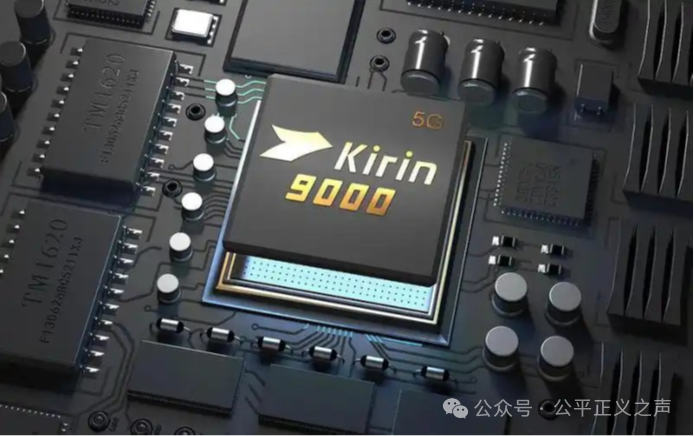
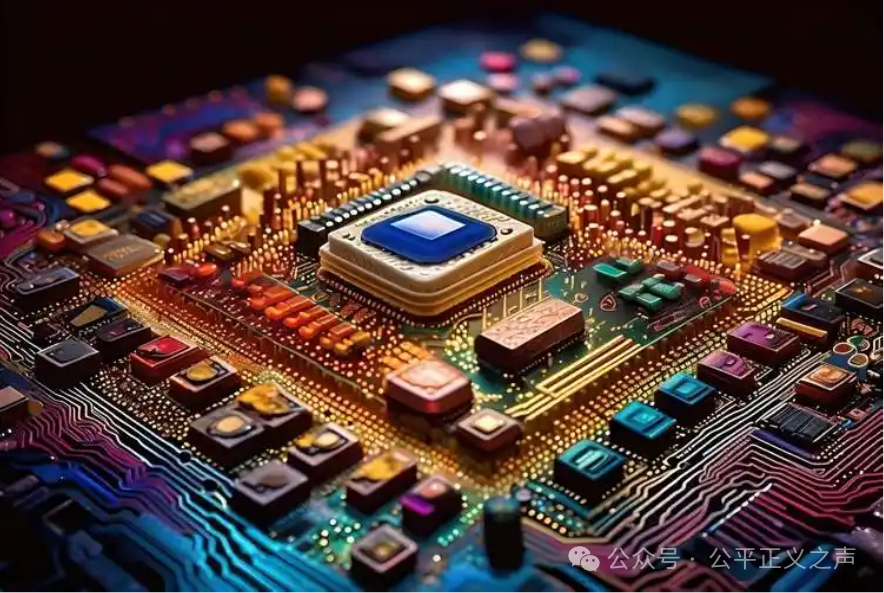
The following image is Huawei’s “Kirin 9000” chip. Comparing this image with the first image in this article, one can see the difference between a single chip and a system on chip (SoC).