
Lei Technology AI Hardware Group | Editor: Tianxing | Supervisor: Luo Chao
Smartwatches have finally entered the era of “direct satellite connection.”
Recently, Qualcomm officially released the second generation Snapdragon W5 wearable platform. Compared to the previous generation, this chip introduces NB-NTN satellite communication capabilities for the first time, allowing smartwatches and fitness bands to achieve two-way emergency information transmission in environments without cellular network coverage. Coincidentally, in the Apple Watch Ultra 3 released earlier this month, Apple also added direct satellite connectivity to its flagship watch.
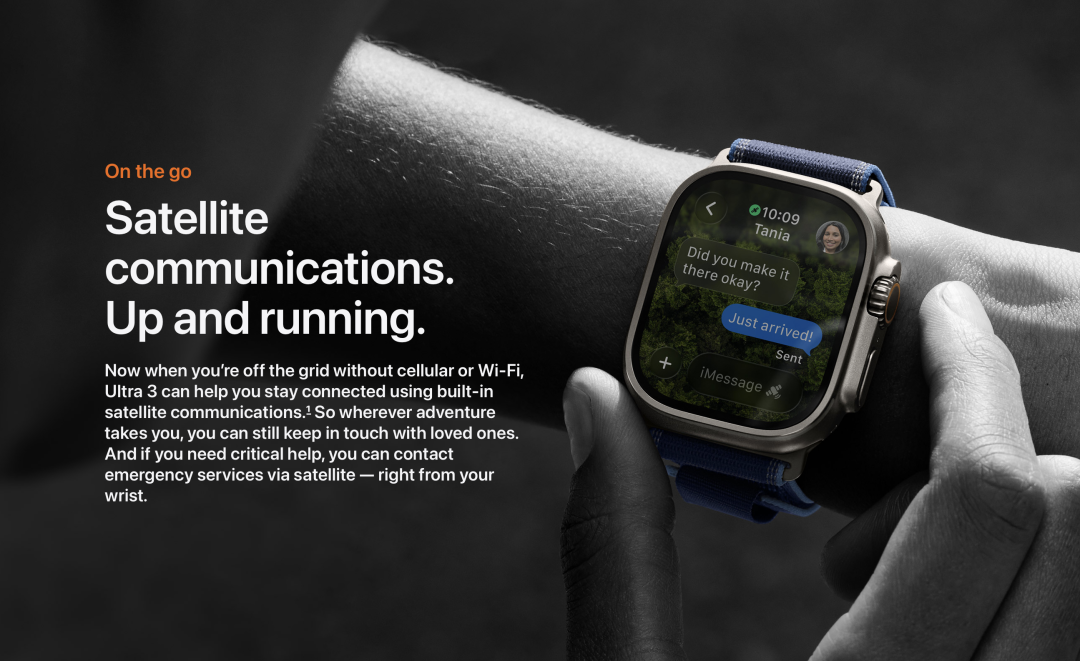
Image Source: Apple
Some may think that adding satellite connectivity to watches is just a gimmick that “increases power consumption,” but considering the professionalism of outdoor watches, I will refrain from commenting for now. However, from an industry development perspective, wearable devices have indeed been “going off the rails” in recent years: Beats has started integrating heart rate sensors into headphones, Huawei has added blood pressure sensors to fitness bands, and Samsung has even included an “oxidation index sensor” in its watches to measure skin’s anti-aging ability.
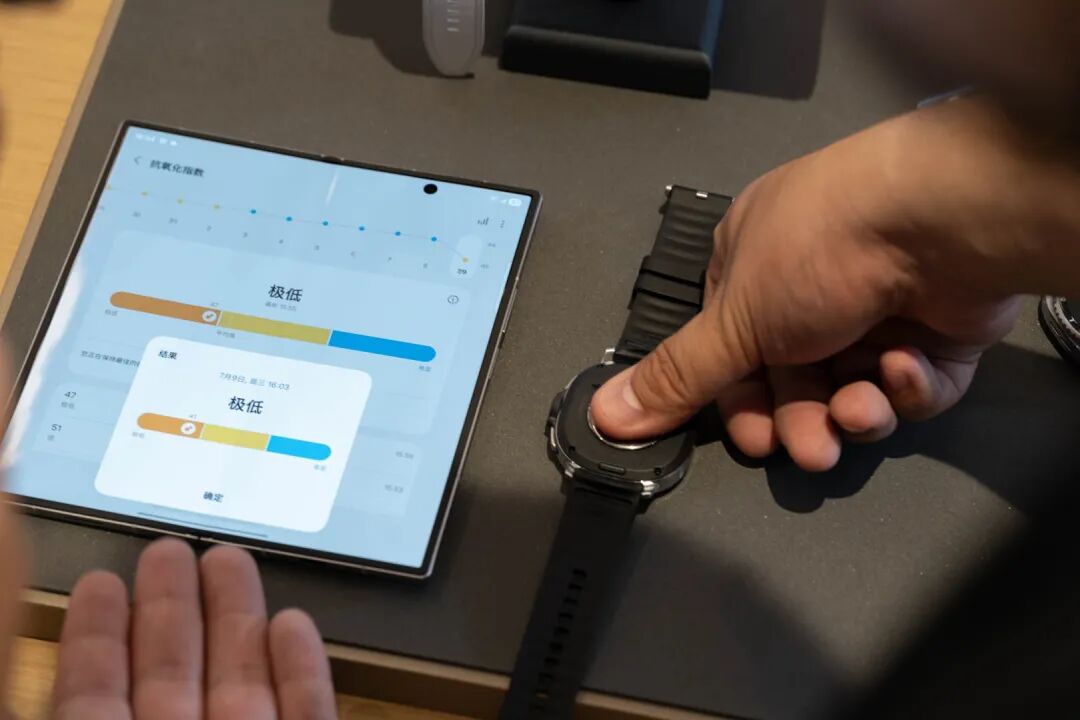
Image Source: Lei Technology
That being said, why don’t manufacturers simply use mobile phone chips in wearable devices? After all, mobile phone chips are powerful, and chip performance is, in a sense, the “foundation” of product functionality. The principle of using performance to drive functionality has been validated multiple times in the computer and mobile phone fields; why can’t it be applied in the smartwatch domain?

Smartwatch chips cannot directly reuse mobile phone chips
The reason for not replicating the “success experience” of smartphones in the smartwatch field is actually not complicated—watches and fitness bands have never aimed to be a “miniature version of a phone.” The usage scenarios and hardware limitations of mobile phones and wearable devices determine that their chip designs do not have the space for “copying.”
First, there is an essential difference in size between smartwatch chips and mobile phone chips. The available area of a smartwatch motherboard is often only the size of a coin, and under the same manufacturing process, different chip scales can lead to significant performance differences. Additionally, the internal space of the product will also “limit” chip performance from a heat dissipation perspective. If a mobile phone chip is simply shrunk and stuffed into a watch, the chip’s heat generation will become a “nightmare” for wearable devices.
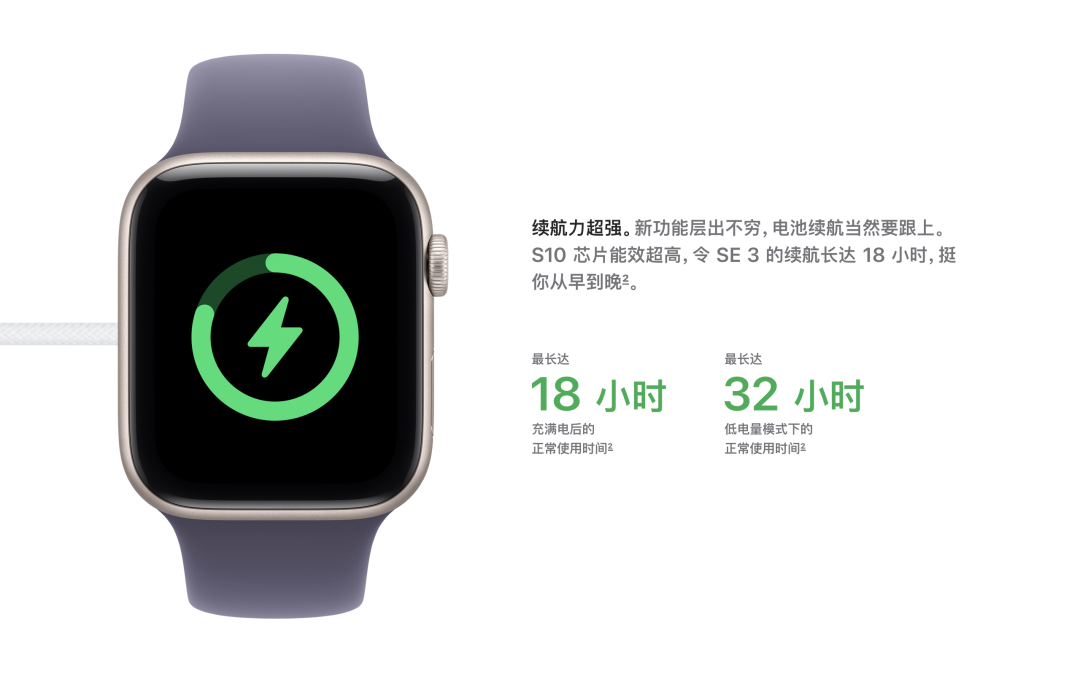
Image Source: Apple
Secondly, there is a trade-off in chip power consumption. As mobile phone chip performance has increased, the once somewhat exaggerated 5000mAh battery is now merely the baseline for flagship phone battery capacity. Yet, even with this, smartphones struggle to escape the fate of needing to be charged every two days under normal usage intensity.
However, smartwatches are different. Except for the Apple Watch, which can only last 18 hours, almost all mainstream smartwatches can support at least 4 days of usage time. The disparity in battery life is too great to allow for “mixed use.”
Moreover, the product positioning of smartwatch and mobile phone chips is fundamentally different. Mobile phone chipsets are a “large and comprehensive” platform, with functionality realized in software relying on chip performance; however, smartwatch chipsets are more dependent on external sensors. Using a mobile phone chip directly in a watch is like using a 13th generation Core in a NAS: it’s not impossible, but unnecessary.

Wearable devices emphasize “function” rather than “performance”
For this reason, in Lei Technology’s view, the demands of smartwatches, fitness bands, and other wearable devices on chips have never been about “how fast they run”; what these categories currently need is not breakthroughs in “performance” but explorations in “functionality.”
Take the recently updated Apple Watch as an example. Aside from the substantial chip update in the Apple Watch Ultra 3, the so-called upgrades of other products are merely processor serial number “+1”, sensor iterations, or minor “trimming” of software features, with no essential differences in user experience—regardless of which model you buy, you can perform standard functions such as heart rate monitoring, sleep tracking, exercise recording, and message notifications.
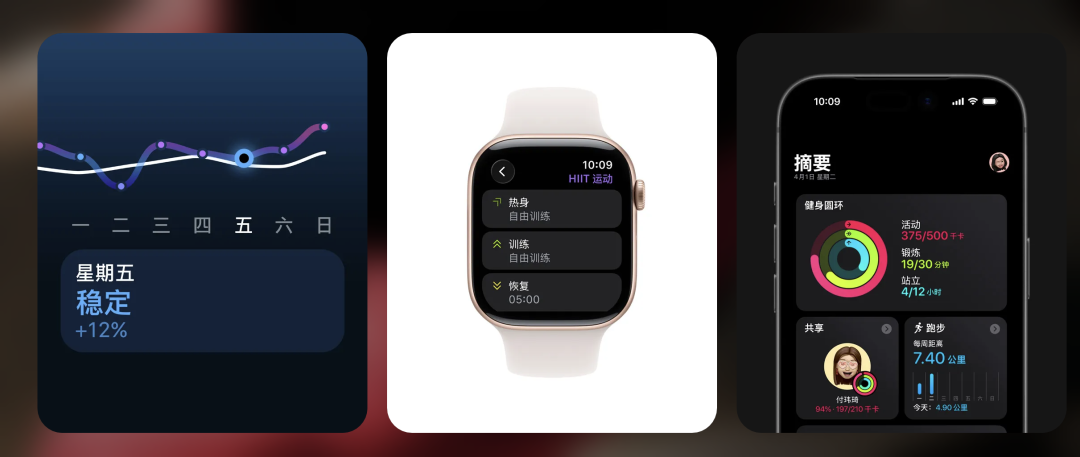
Image Source: Apple
The insufficient differentiation between products has directly led to a significant reduction in users’ desire to upgrade. Meanwhile, the product lifecycle of wearable devices has also been significantly extended. Compared to smartphones, watches and fitness bands have never been “essentials”; they are more like “nice-to-have” equipment. The lowered priority of purchase, combined with the lack of outstanding hardware appeal, has made it difficult for wearable devices to establish a “must-upgrade” rationale in users’ minds.
This disconnect between product strength and user purchase intent has created an awkward situation—manufacturers update annually, but users upgrade every three to five years, continuously eroding market vitality.
More importantly, this homogenization is not a problem unique to a single brand, but a commonality across the entire industry. The differences in hardware, algorithms, and interactions among various products are becoming increasingly minimal, leading users to subconsciously associate new releases with “just a change of shell and a few more features.” This directly weakens the overall attractiveness of the industry.
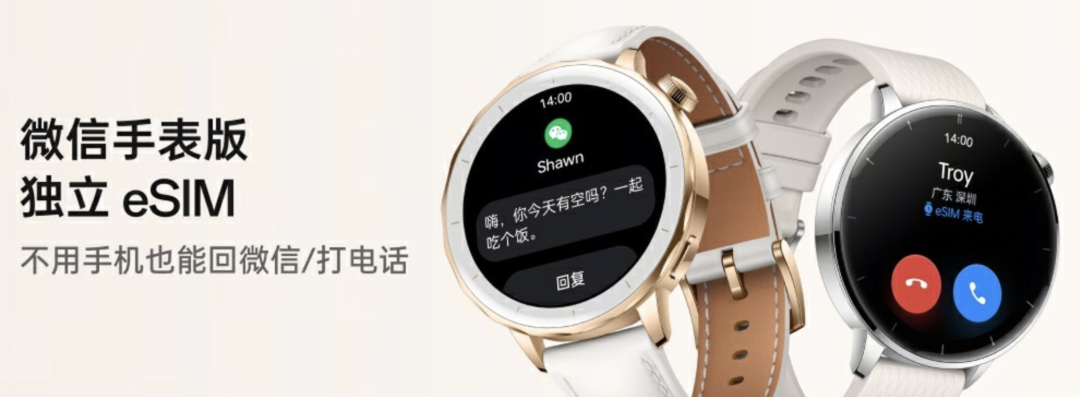
Image Source: OPPO
In Lei Technology’s view, performance has never been the ceiling for wearable devices; “homogenization” is. Only by finding truly new functions and scenarios that can change users’ daily habits can smartwatches and fitness bands escape today’s predicament. It is precisely for this reason that Lei Technology is “pleased” with Qualcomm and Apple for incorporating satellite connectivity capabilities into smartwatch chips. It is not because satellite communication is so important for watches, but because industry participants have finally recognized the challenges facing the smartwatch industry and are beginning to address the issues.

Is multi-device interaction the ultimate goal for wearables?
Since performance is not the issue, what should be the next step for smartwatches? In Lei Technology’s view, at least two directions are worth looking forward to.
First, smartwatch brands must collaborate with upstream suppliers to find “truly useful new features.” In recent years, the industry has continuously delved into health monitoring, but most attempts have remained at the conceptual or experimental stage. Future breakthroughs should be features that allow users to form long-term dependencies, such as non-invasive blood glucose monitoring and continuous blood pressure tracking.
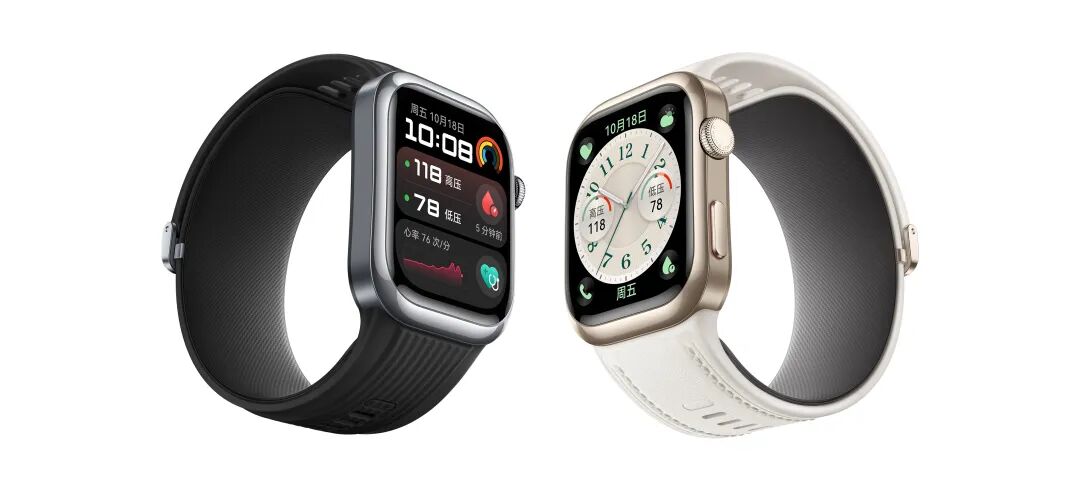
Image Source: Huawei
The Huawei band integrated with blood pressure monitoring functionality is a prime example: With its micro-airbag structure, the Huawei Band D series has successfully extricated itself from the highly competitive smart band category, becoming the only choice in the “blood pressure detection” field among current wearable products.
Secondly, there should be “more intuitive interactions.” Current smartwatch interactions are still at the “small screen phone” stage, with very low development of interaction modes such as wrist control, knobs, and rotating bezels. Future interactions should be more aligned with the wearable attributes, such as cross-device collaborative control with headphones, glasses, and other devices.
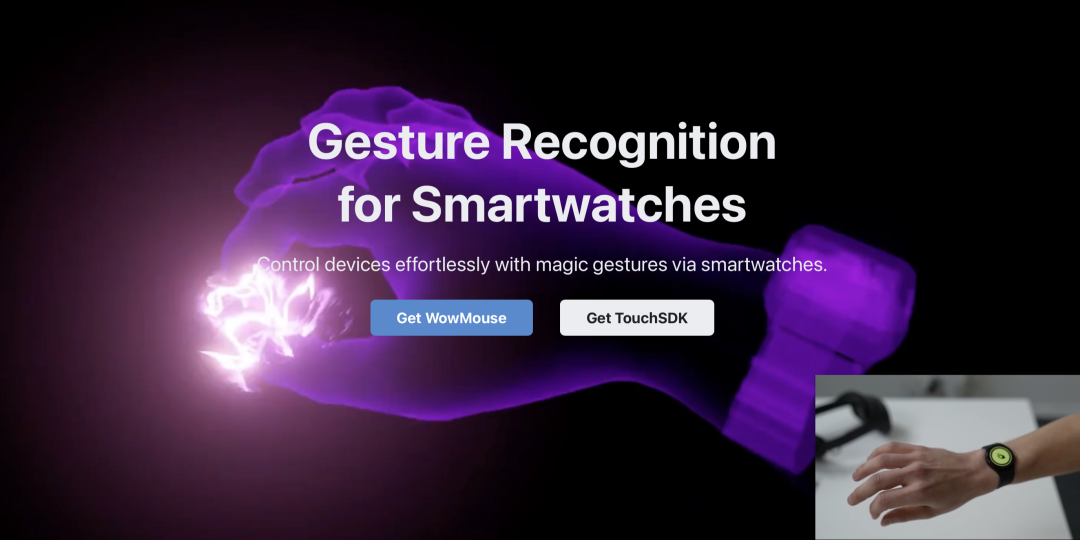
Image Source: WowMouse
As a long-term wearable “input device”, I believe smartwatches have the potential to take on more roles in multi-device interactions. Only this capability for interaction can help smartwatches break out of the deadlock of single product performance.
At this stage, what smartwatches truly need is their own value coordinates. Whether it is health monitoring, emergency communication, or cross-device collaboration, watches should not aim to replicate phone functions but rather find those “indispensable” scenarios. Taking the satellite capabilities of the Pixel Watch and Apple Watch as an example, from a practical standpoint, direct satellite connectivity for smartwatches is unlikely to become a widespread demand in the short term, but this bold attempt also proves one thing:
Smartwatches cannot forever live in the shadow of mobile phones; it is time to demonstrate their own value.
#Smartwatch #FitnessBand #WearableDevices #SatelliteCommunication #Chips
EndWelcome to scan the QR code to add Xiao Lei on WeChatRemember to note the phone brand you want to join the group!Chat with Xiao Lei about digital and technology

Additionally, Xiao Lei has created several fan groups; feel free to scan the QR code to join!Let’s chat and share tips on using devices!