
Hello everyone, today I would like to share a paper published on August 29, 2025, in the Journal of the American Chemical Society, titled “CH–π Interactions Elucidated at the Single-Molecule Level.” The corresponding authors of this article are Professor Wu Haichen from the Institute of Chemistry, Chinese Academy of Sciences, and Associate Professor Liu Lei from Xihua University.
CH-π interactions are weak yet significant molecular forces that are widely present in various biological and chemical systems. Despite ample evidence supporting the existence of CH-π interactions, experimental measurements of this weak interaction remain challenging due to the presence of various stronger non-covalent interactions. Among various single-molecule techniques, nanopore technology stands out due to its unique advantages. This technology analyzes and monitors molecules by detecting subtle changes in current signals as molecules pass through nanopores, offering extremely high reliability. This study constructed a single-molecule exchange system within a nanocage to observe and regulate CH-π interactions at the single-molecule level. The nanocage is confined within the α-hemolysin (α-HL) pore and stabilized by cucurbit[7]uril (CB[7]), providing ideal conditions for the precise study of CH-π interactions.
Through the exchange between phenylalanine (Phe) derivatives and amino acids with aliphatic side chains within the nanocage, the authors gained insights into the interactions between C-H bonds and aromatic rings (Figure 1a). The introduction of L-isoleucine (Ile) from the cis side resulted in a reversible current signal, similar to the signals observed during the exchange of phenylalanine derivatives (Figure 1b). The signal fluctuations indicate that phenylalanine and isoleucine exchanged within CB[7], forming a CH-π complex. The newly discovered current levels for the phenylalanine-isoleucine⊂CB[7] complex, as well as the current levels for phenylalanine binding and phenylalanine-phenylalanine binding, can be clearly distinguished by the amplitude of current blockage (Figure 1c). By analyzing the switching between these current levels, the authors identified 12 possible molecular exchange pathways (Figure 1d). By varying the concentrations of A and B, the authors observed significant effects: τ (A*B) is influenced by the concentration of A but not by the concentration of B; while τ (A*A) is influenced by the concentration of B but not by the concentration of A (Figure 1e-f).
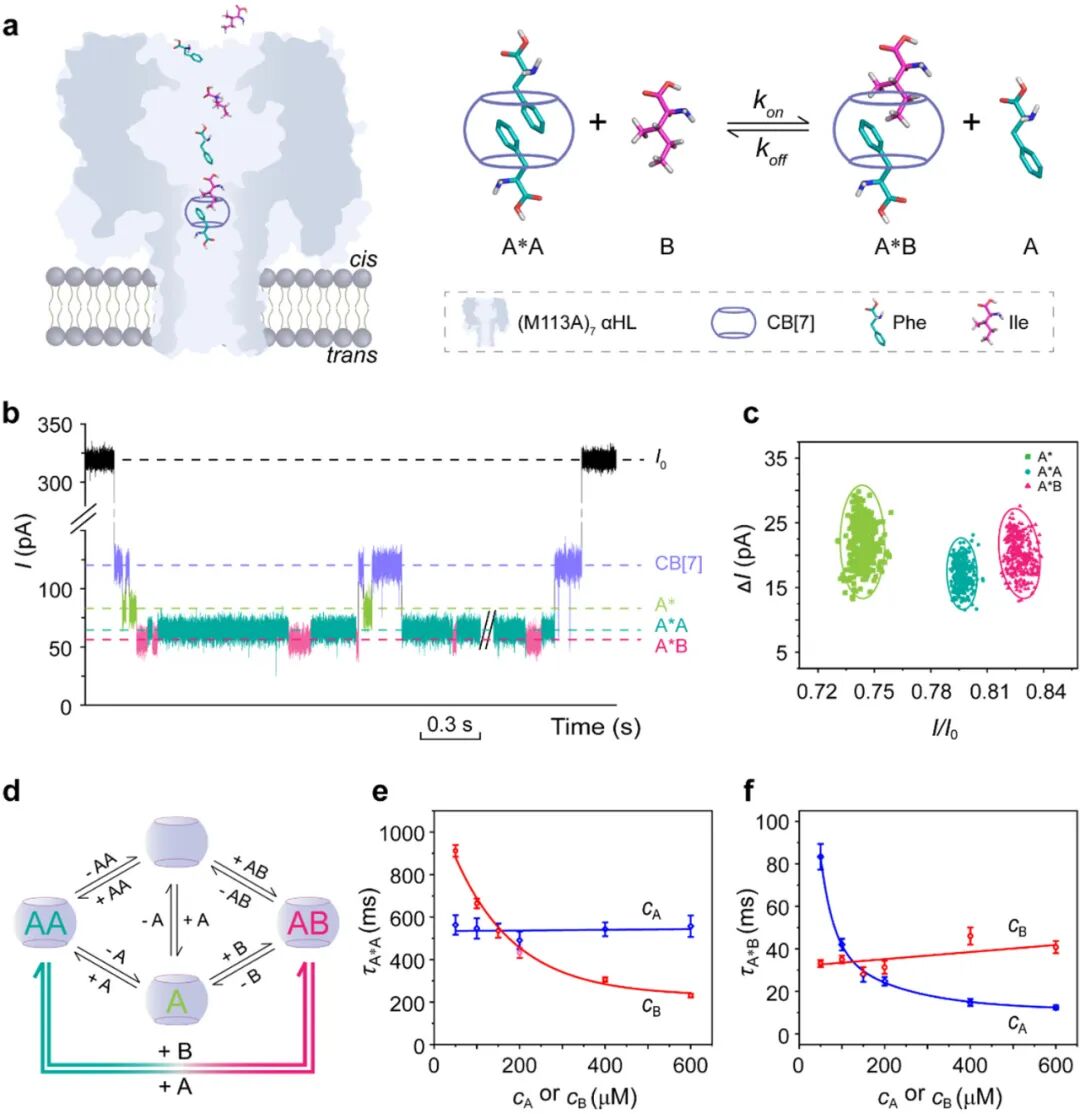
Figure 1: Molecular exchange between Phe and Ile within the nanopore.
The authors selected L-phenylalanine (Phe) and its derivatives as substrate molecules A, and selected aliphatic amino acids as exchange molecules B (Figure 2a). New instantaneous current events appeared at the level of fluorinated phenylalanine-fluorinated phenylalanine⊂CB[7], indicating molecular exchange between fluorinated phenylalanine and valine or isoleucine. Based on the amplitude of current blockage, these events can be easily distinguished (Figure 2b-c). This experiment allows for a comparison of the strength of CH-π interactions in A*B1 and A*B2, as both CH-π complexes compete with the same A*A complex. The Kd value for fluorinated phenylalanine*-isoleucine is 11.2±1.6, while the Kd value for fluorinated phenylalanine*-valine is 21.7±2.8, indicating that the CH-π complex formed between isoleucine and fluorinated phenylalanine is more stable than that formed between valine and fluorinated phenylalanine.
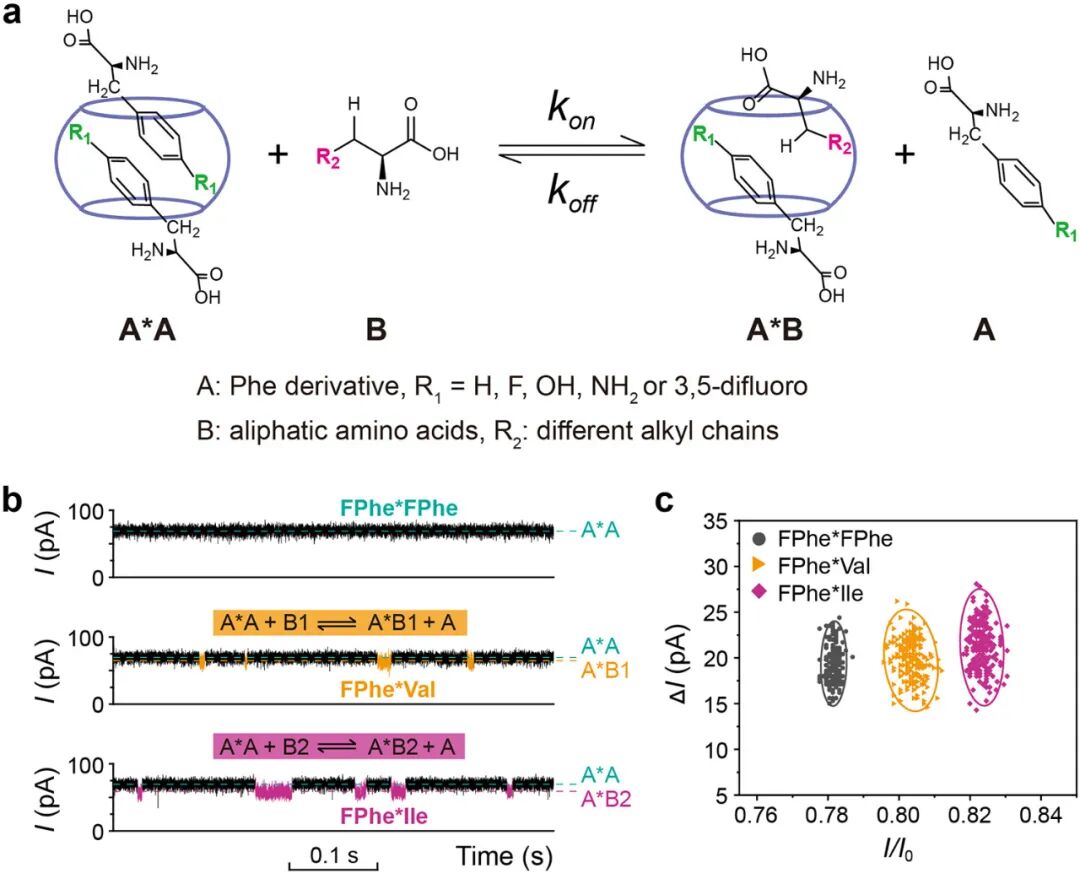
Figure 2: Single-molecule exchange process.
The authors further investigated CH-π interactions at the single-molecule level under different conditions. In this system, a simple method to modulate the electrostatic properties of π molecules is to substitute the phenyl ring. To minimize steric hindrance, the authors mainly used para-substituted phenylalanine derivatives as π molecules (Figure 3a). The first group of exchange molecules includes (S)-2-aminobutyric acid (Aba), L-valine (Nva), and L-leucine (Nle), which are homologs differing by one methylene group. The Kd values for the interactions of these three exchange molecules with five different substrate molecules show a clear pattern: for all substrates, the Kd value for L-leucine is always the smallest, while that for aminobutyric acid is always the largest (Figure 3b). The second group of exchange molecules consists of L-leucine (Nle) and L-methionine (Met), which are structurally very similar, differing only at the δ position (Figure 3c). L-leucine contains a methylene at the δ position, while methionine has a sulfur atom at that position. This structural similarity results in nearly identical geometric configurations for the two molecules, but the presence of the sulfur atom in methionine slightly increases the acidity of the terminal C-H bond. The results in Figure 3d show that the CH-π interactions between methionine and the five substrates are always stronger than those between L-leucine and these substrates. This result is consistent with the literature conclusion that the stronger the acidity of the C-H bond, the stronger the resulting CH-π interactions.
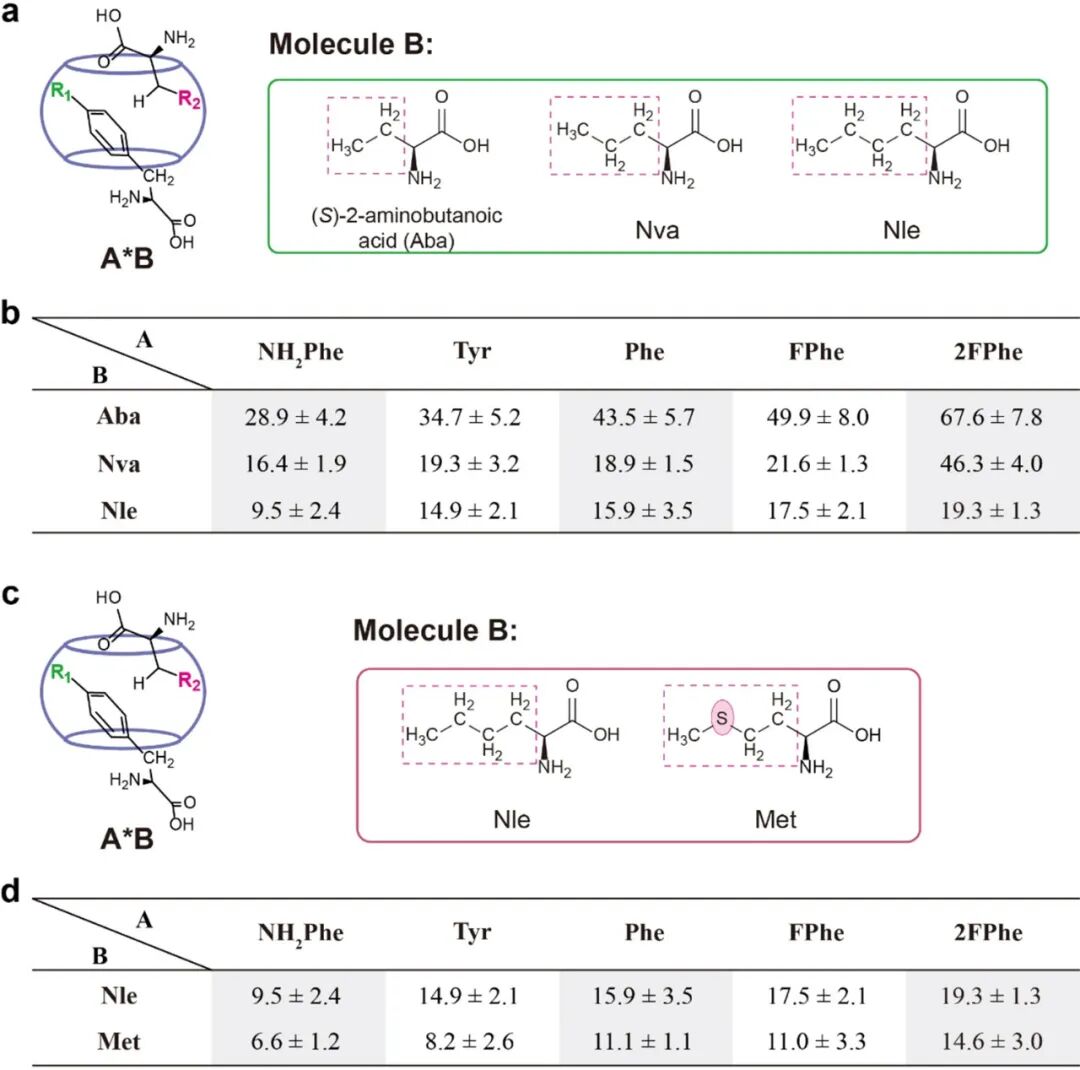
Figure 3: The influence of dispersion forces and C-H bonds on CH-π interactions.
The long-standing debate over whether the CD-π interactions formed by deuterium are stronger or weaker than CH-π interactions has been addressed by the authors using the newly constructed nanocage system. The authors continued to use five phenylalanine derivatives as substrate molecules, with the first group of exchange molecules being partially deuterated leucine (Leu) derivatives (Figure 4a). After adding leucine, leucine-β-d2 (Leu-β-d2), and leucine-δ-d3 (Leu-δ-d3) to the A*A solution, current fluctuations were observed (Figure 4b). Compared to hydrogenated leucine, all deuterated leucine derivatives exhibited slightly weaker interactions with phenylalanine derivatives’ phenyl rings (Figure 4c). The two terminal methyl groups of leucine-δ-d3 are interchangeable, indicating that the deuterated CD3 group participates in the CH-π interactions. These results suggest that CD-π interactions are weaker than CH-π interactions. To further validate these observations, the authors used fully deuterated valine (Val-d8) as the exchange molecule to study its interactions with phenylalanine derivatives (Figure 4b). For all five substrates, the affinity of valine-d8 is weaker than that of valine. The presence of deuterium in the exchange molecules leads to three key changes: first, an increase in molecular weight and polarizability; second, a shortening of the C(sp3)-D bond length; and third, a decrease in the acidity of the C(sp3)-D bond. Ultimately, the results from the nanocage system show that the shorter bond length and lower acidity of the C(sp3)-D bond have a more significant impact, leading to weakened CD-π interactions.
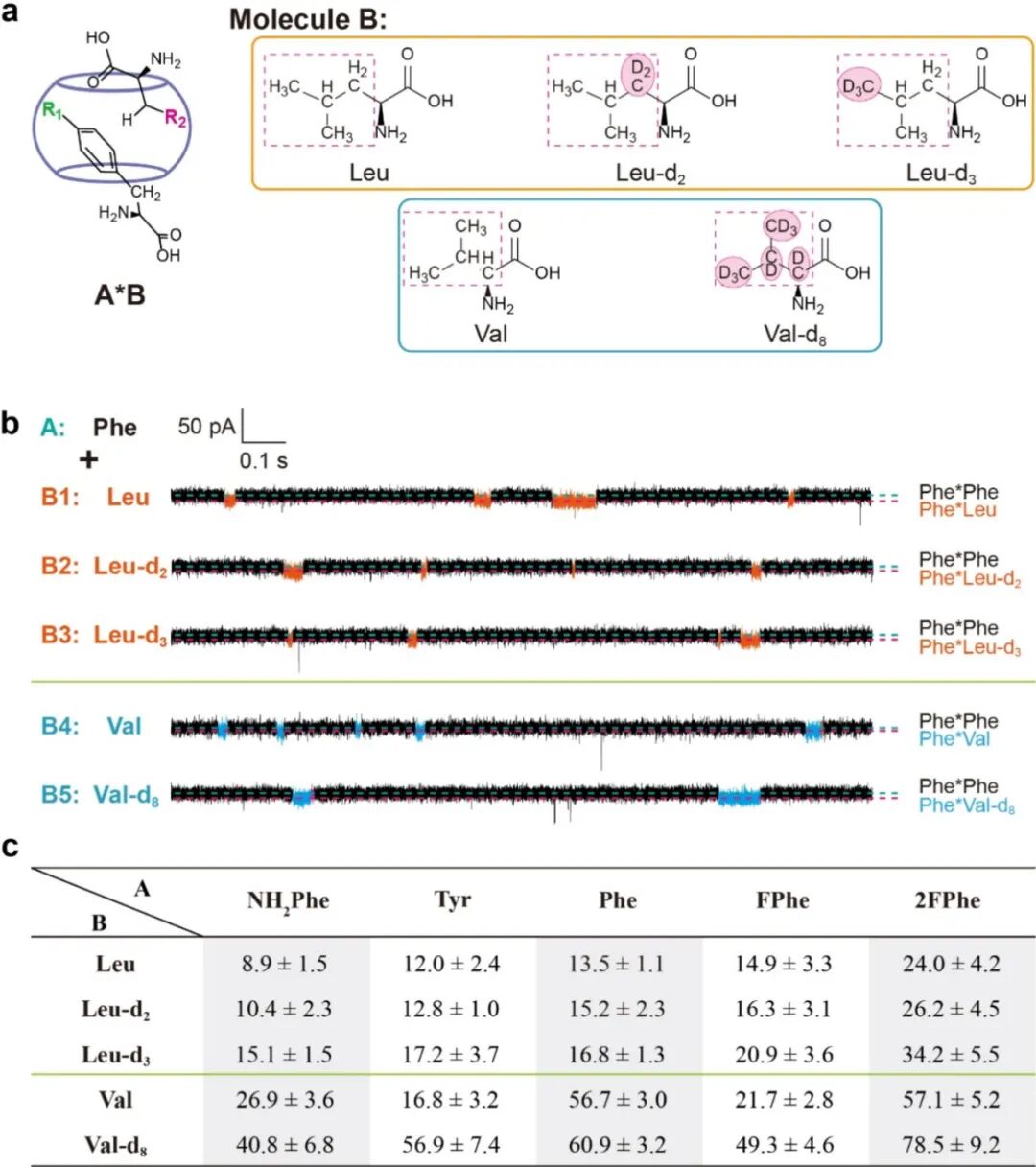
Figure 4: Study of the D/H isotope effect on CH-π interactions.
In conclusion, the authors constructed a refined nanocage system to accurately compare the strength of CH-π interactions between phenylalanine derivatives and aliphatic amino acids through molecular exchange processes within protein nanopores. Based on a quantitative comparison of binding strengths, the study found that CH-π interactions are primarily dominated by dispersion attractions, and the stronger the acidity of the C-H bond, the stronger the CH-π interactions, both findings are consistent with existing literature conclusions. Furthermore, this study resolves the long-standing controversy regarding the influence of deuterium isotopes on CH-π interactions, confirming that CD-π interactions are weaker than hydrogen-containing CH-π interactions.
【Article Link】
https://pubs.acs.org/doi/10.1021/jacs.5c12708
【DOI】
https://doi.org/10.1021/jacs.5c12708
【Author】

An Xingwang
Huang Shuo Research Group, 2023 PhD Student
———— /END / ————
Are you also interested in conducting literature studies with us? We warmly welcome you to submit articles to our public account. Please add the editor’s WeChat: jiafangwang2015 (note: public account submission) to inquire about submission matters.
Light up the “recommendation” so more people can see it↓↓↓