
At the flagship semiconductor event in India, “2025 Semicon India 2025,” Prime Minister Narendra Modi called on global and local industry participants to view India not only as a manufacturing hub but also as a significant source of future semiconductor intellectual property (IP).
India’s Minister of Electronics and Information Technology, Ashwini Vaishnaw, showcased the “Vikram” 32-bit processor — a chip developed by the Indian Space Research Organisation (ISRO) semiconductor lab, designed for use in rocket environments, and the first processor fully designed and manufactured in India under the semiconductor mission program.
Vaishnaw stated that in the coming months, chip products from two more factories will also be released.
Since its launch in 2021, the Indian semiconductor program has attracted $18 billion in investments, covering 10 projects, including front-end wafer fabs and outsourced semiconductor assembly and test (OSAT) businesses. Currently, four factories are under construction, and India has approved its first commercial wafer fab projects in 2023.
Modi emphasized that semiconductors now hold strategic importance akin to that of oil in the past, referring to them as the “digital diamonds.” He urged India to develop its own IP and secure critical mineral supplies domestically, highlighting the national mission to strengthen upstream industry capabilities.
For industry participants, the Indian government is positioning the country as a “design-driven manufacturing hub.” Vaishnaw emphasized India’s talent base and reiterated the goal of training 85,000 professionals by 2030, while assuring investors of long-term policy stability.
Modi also pointed out that if India wants to achieve its semiconductor ambitions, securing upstream resource supplies is crucial. He mentioned that India is working to reduce its dependence on imports of rare earths and other raw materials needed for advanced technology manufacturing.
Global and local companies at the event
The event featured not only Indian startups showcasing chip architectures, AI accelerators, and embedded solutions but also global design companies, EDA tool suppliers, and material suppliers actively participating.
Additionally, countries such as the United States, Japan, South Korea, and Singapore set up national pavilions to exhibit.
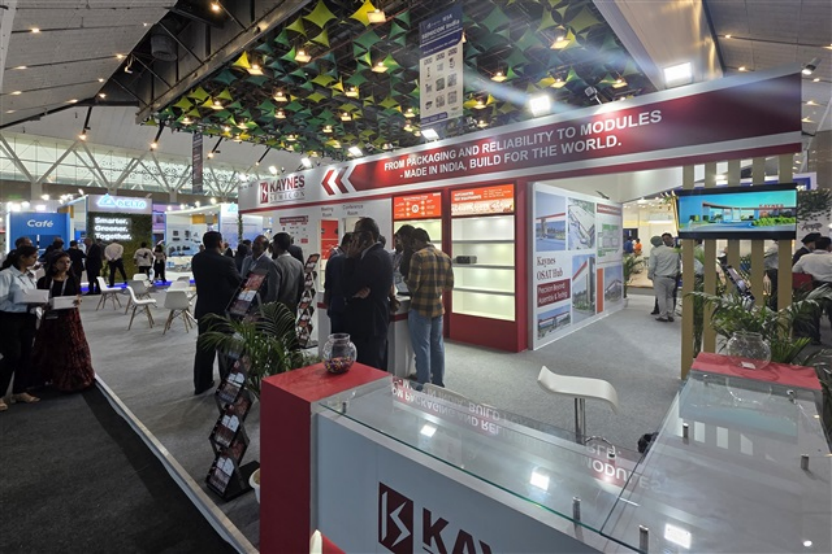
Image source: DIGITIMES
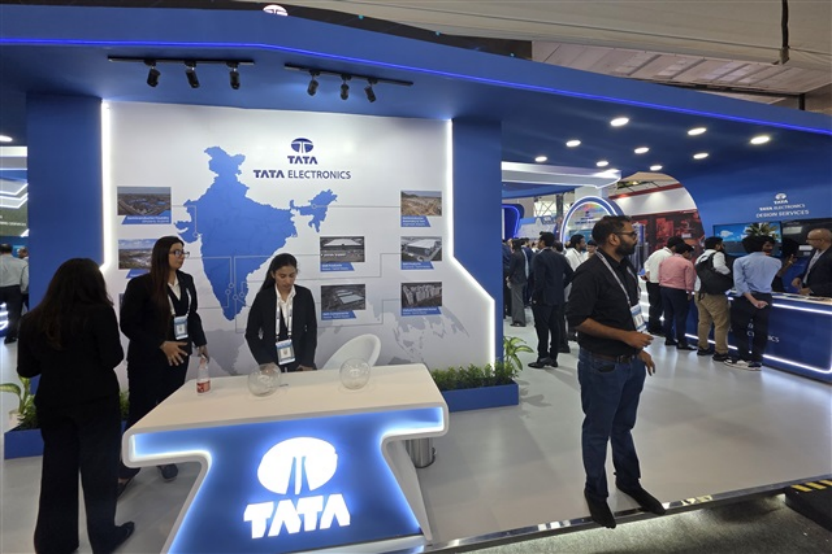
Image source: DIGITIMES
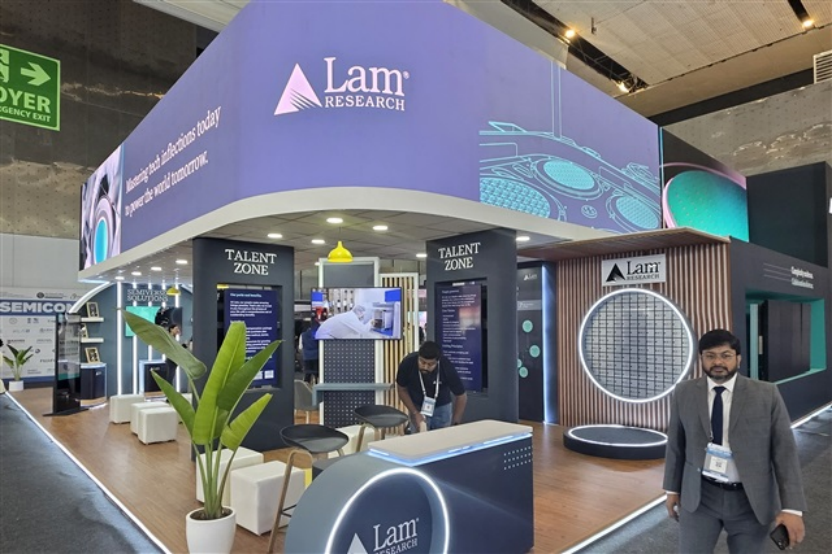
Image source: DIGITIMES
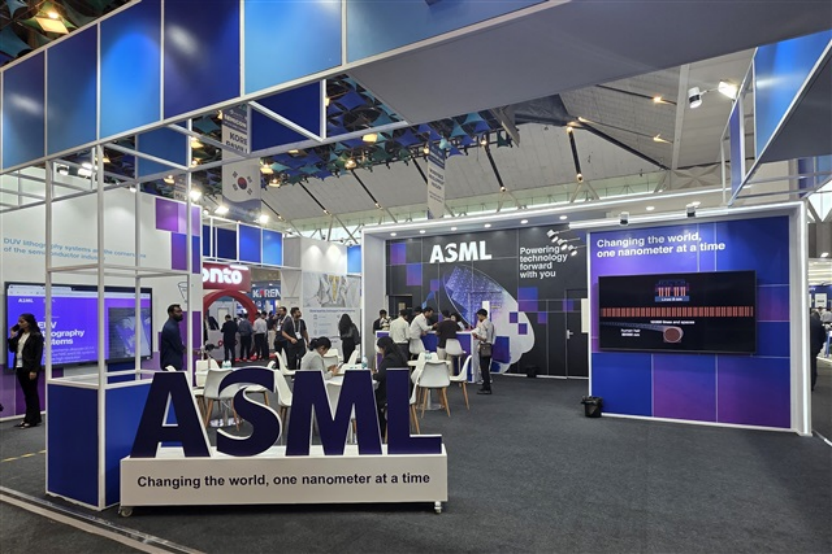
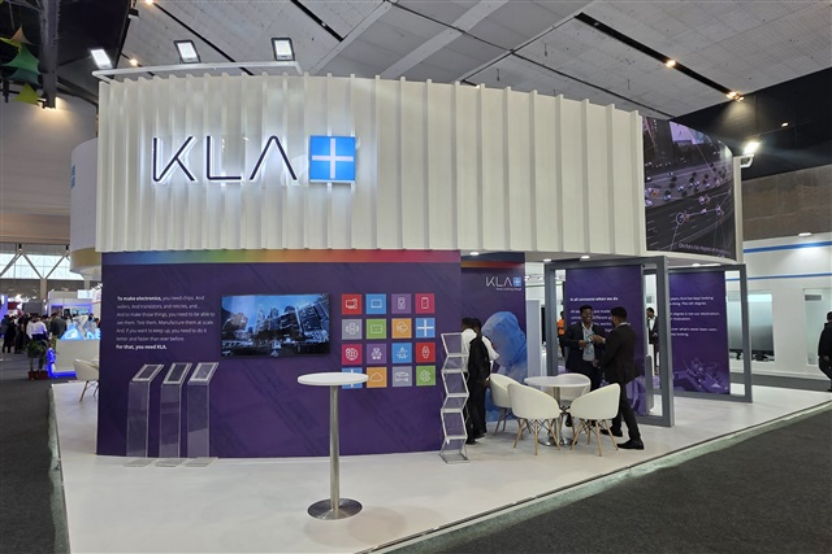
Image source: DIGITIMESDIGITIMES)
This momentum reflects the growing confidence in the Indian semiconductor industry — its development has transitioned from policy announcements to tangible design and manufacturing outputs.
What India’s progress means for global companies
The launch of India’s first homegrown processor and its pursuit of local semiconductor IP presents collaboration opportunities for established companies while also indicating potential competition.
Analysts at the event pointed out that, taking Taiwan as an example, it can benefit from strengthening cooperation in design, backend packaging, and talent training. Indian design service companies have closely collaborated with Taiwanese foundries, and the strengthening of local IP foundations may further expand these partnerships.
South Korean companies may be interested in India’s plans in the storage and packaging sectors — the growth of domestic demand and government incentives may attract more local OSAT and assembly businesses to establish operations. India’s emphasis on critical minerals can also be seen as a complement to South Korea’s efforts to diversify its supply chain.
For American chip manufacturers like Intel, AMD, and Nvidia, India’s ambitions may accelerate existing R&D and design collaborations. A mature IP ecosystem combined with new manufacturing capacities is expected to upgrade current engineering support collaborations to joint development and licensing partnerships in sectors such as automotive, telecommunications, and aerospace.
Nevertheless, the unveiling of the “Vikram” processor only indicates that India is transitioning from “vision” to “execution.” Whether it can develop into a true IP and manufacturing center remains a critical test.
*Original title:
Semicon India 2025: First homegrown chip, sights set on IP leadership
*Original media:DIGITIMES Asia

Empowering the Future,Innovating the Ecosystem
Join us at Bay Chip Expo 2025!