In the digital age, programming is no longer a skill exclusive to professionals. Through the real stories of several ordinary people, we will see how Python cleverly solves everyday problems, making tedious tasks organized. These stories tell us that technology can be a powerful assistant for everyone to improve their quality of life.
1
Revolutionizing Refrigerator Management
Aunt Zhao always feels helpless when organizing her refrigerator, facing expired ingredients. Foods like yogurt and frozen dumplings are wasted because she forgets to consume them, and this happens every month. As she gets older, her memory isn’t as good, and she often forgets which ingredients need to be consumed first, leading to unnecessary waste and financial loss.
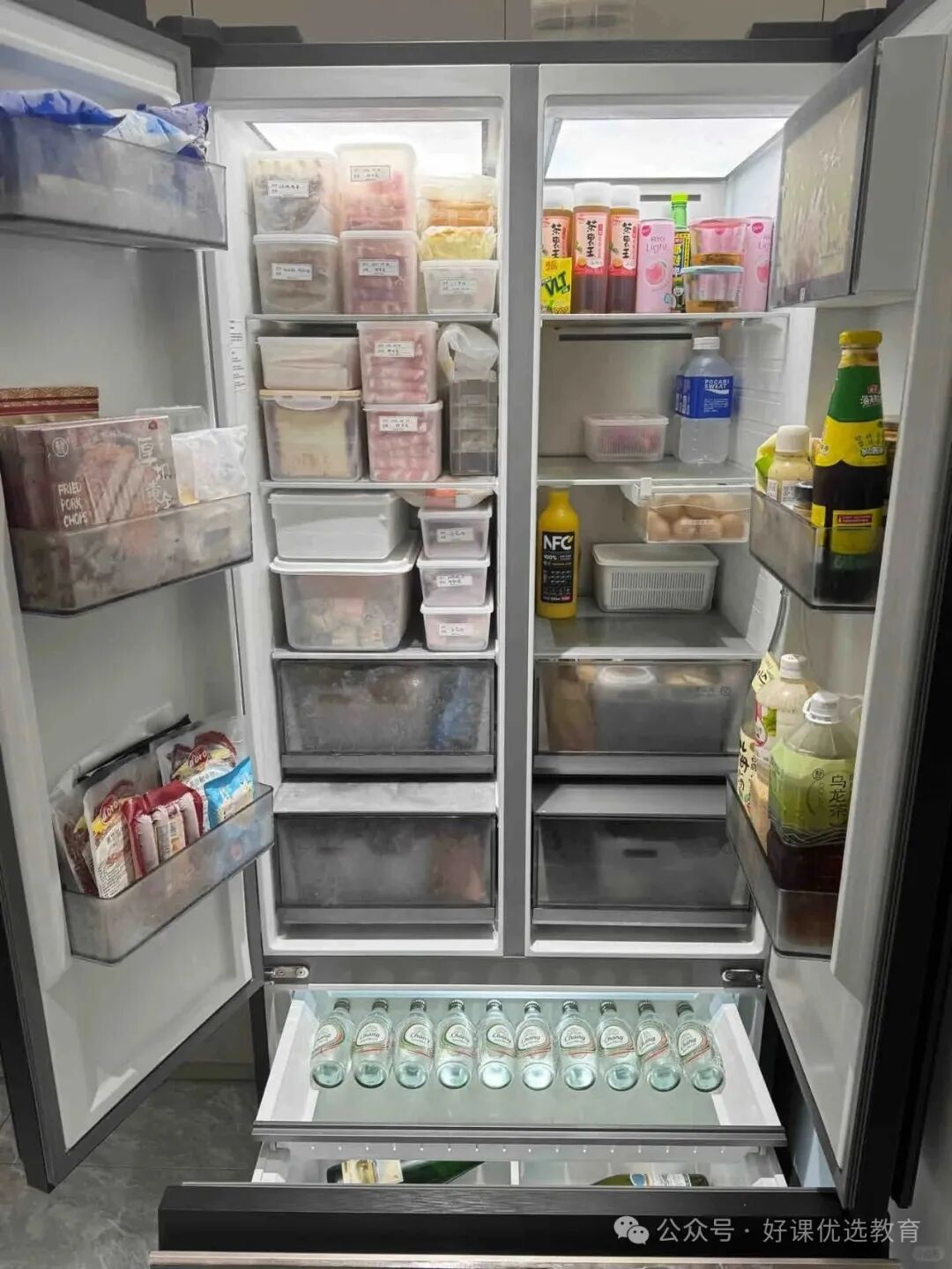
A simple Python script can make the refrigerator “smart.” By writing an ingredient management program, she can record the purchase dates and expiration dates of each ingredient, and the system will automatically remind her which foods need to be consumed soon. This not only reduces food waste but also helps Aunt Zhao develop a more scientific eating habit, making refrigerator management easy and efficient.
2
The Electronic Abacus of the Vegetable Market
Old Yang has been selling vegetables at the market for twenty years, and calculating income before closing is the most troublesome task. Vegetable prices fluctuate frequently, and his accounting book is filled with notes, sometimes leading to miscalculations. Once he thought he made two hundred, but when he checked with his wife at home, he found he had undercounted by fifty, which kept him awake all night. Such errors troubled him greatly.
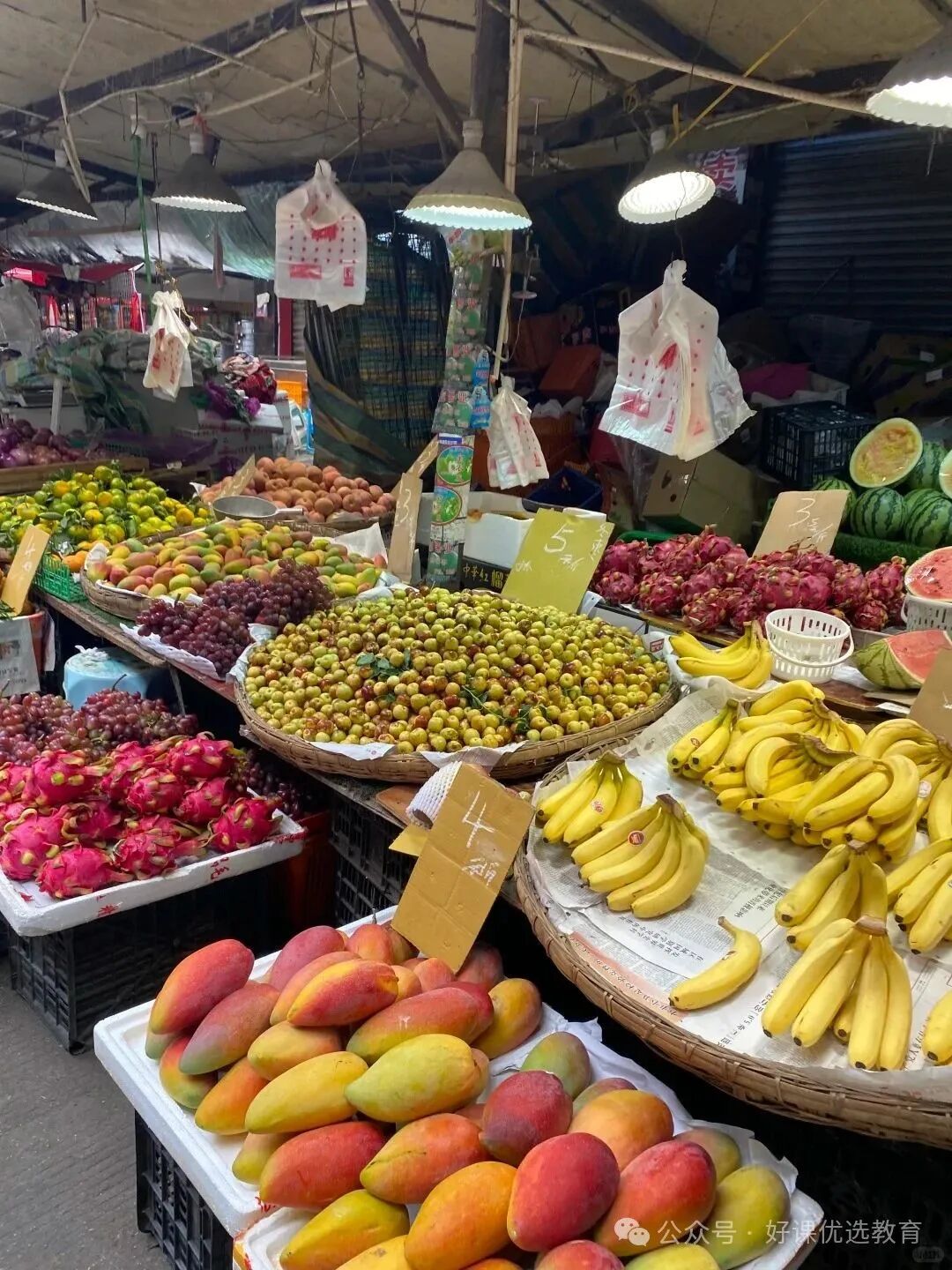
His son, who is in vocational school, wrote a small accounting program in Python, which completely changed the situation. The program can record the purchase price and selling price of each vegetable, and it records how much is sold. At closing, with the press of a button, it can automatically calculate the net profit. Later, a “price alert” feature was added, which turns red when the selling price is 5% lower than the cost price. When the price of green peppers suddenly rose due to a typhoon, the program promptly reminded him to adjust the selling price, avoiding losses. Now other vendors come to borrow his “electronic abacus.”
3
Smart Navigation in the Library
Teacher Lin works at the community library, and after school is the busiest time. Dozens of children crowd around the borrowing desk, and she needs to weave through rows of bookshelves to find the books. Sometimes several books look similar, and if she picks the wrong one, she has to run back, leaving her legs tired by the end of the day. This intensity of work makes her feel exhausted.
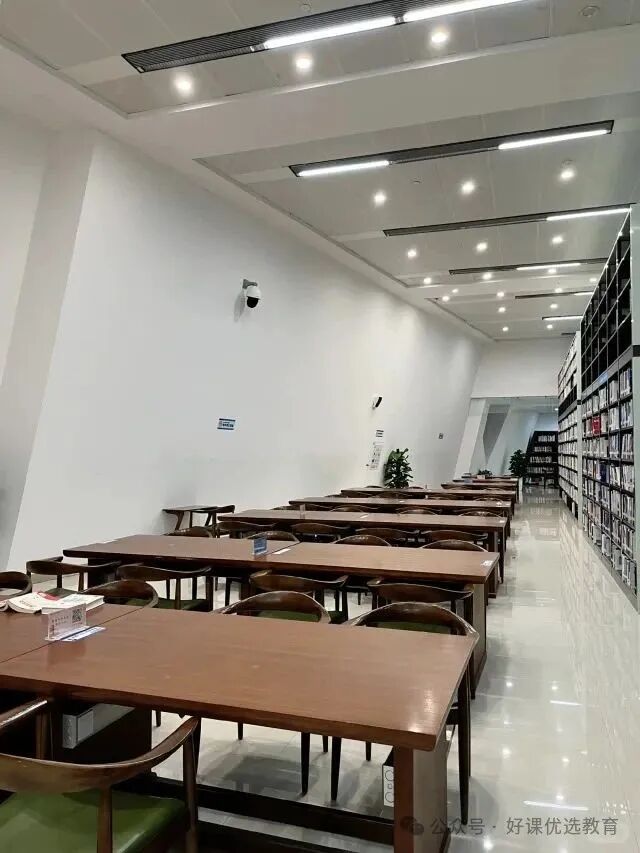
Code written by volunteers brought revolutionary changes to the library. Each book is labeled with a barcode, and when borrowing, scanning it shows the exact location on the computer. When returning, entering the book title prompts the program to say, “Return to F area, row 4, slot 7.” Later, a “popular books” statistics feature was added to place frequently borrowed books in prominent positions. Now children can find the books they want by themselves, and Teacher Lin has more time to tell stories, even the boy who always loses things has become a “little manager.”
4
Digital Management in the Pet Hospital
Dr. Zhang’s pet hospital receives dozens of cats and dogs every day, and each pet’s medical history, vaccination schedule, and allergy history are recorded on paper. When busy, it takes a long time to find records, and once she almost gave an injection to a puppy allergic to penicillin, which still scares her to think about. This paper-based management method is not only inefficient but also poses serious safety risks.

Her software engineer husband created a pet medical record system that completely solved these problems. By entering the pet’s name, all health records can be viewed, and when vaccinations are about to expire, the system automatically reminds the owner. The system can also identify the pet’s breed and recommend suitable diets and care methods. A stray cat that was brought in with injuries was treated according to the recorded treatment process, and after three months, it recovered and was adopted. Watching the records of recovery from serious illness to health in the system is more gratifying than receiving a banner.
5
Recipe Magic in the Baking Studio
Xiao Yu’s baking studio often encounters customers requesting recipe adjustments, such as reducing sugar or using gluten-free flour. Each modification requires recalculating the ingredient ratios, and a small mistake can lead to failure. Once, she miscalculated the amount of sugar substitute for a cake for a diabetic customer, making it too sweet and bitter, which she had to eat herself. Such mistakes not only waste materials but also affect customer experience.
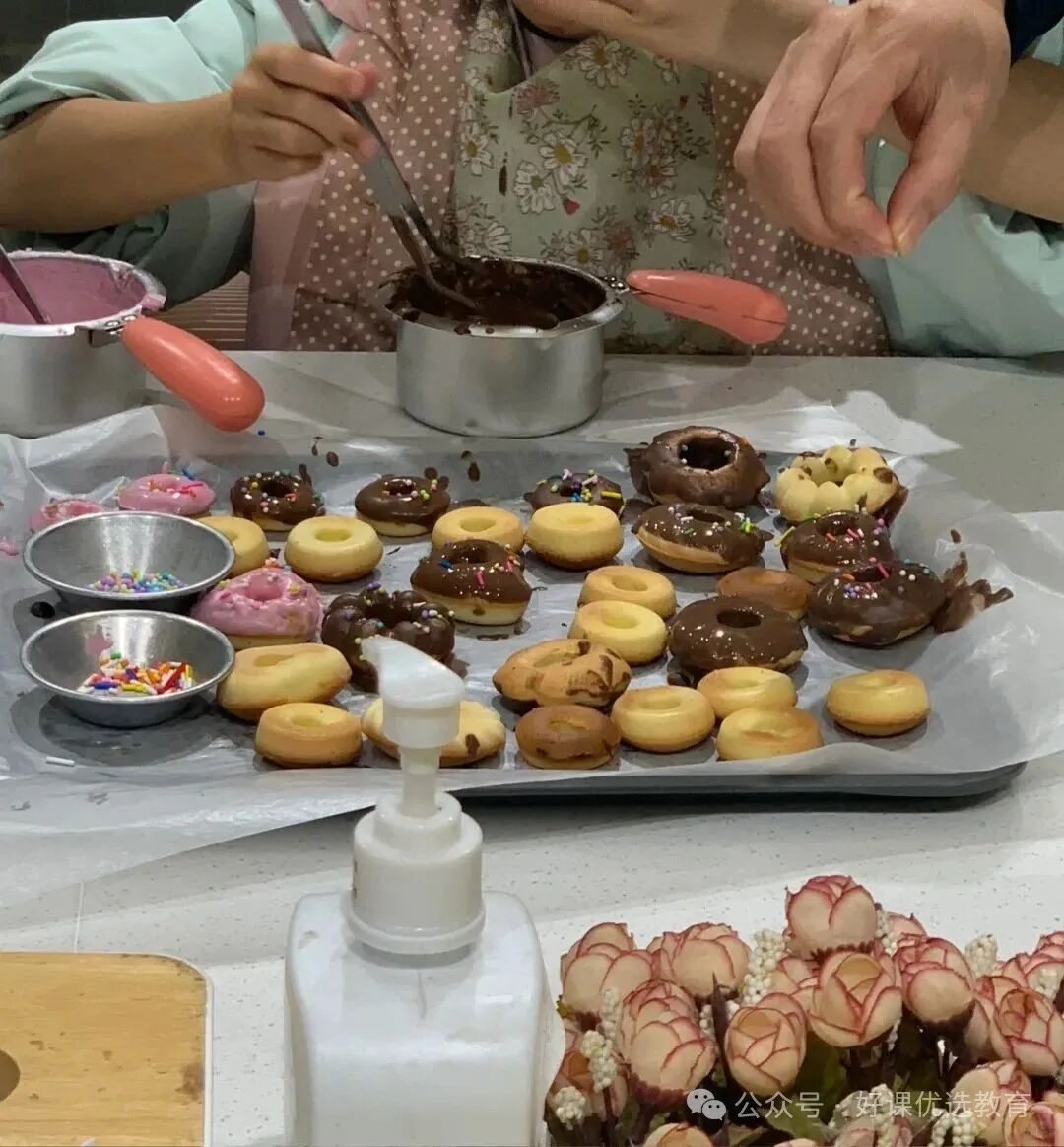
She created a recipe adjustment tool in Python that became the studio’s secret weapon. By inputting the original recipe and modification requests, such as “reduce sugar by 30%”, the program automatically calculates the new ratios for all ingredients. It can also adjust quantities based on different mold sizes, eliminating the need for manual calculations. When a customer was allergic to eggs, she used the program to substitute eggs with applesauce and baking soda, and the cake turned out just as good. Now she can meet various special requests, and repeat customers are increasing.
6
The Power of Code to Change Lives
These codes hidden in life do not have complex logic but solve real problems. As Xiao Yu said, “I don’t understand programming principles, but I know it helps me make better cakes.” The magic of Python lies in its ability to empower everyone to use technology to make life easier. These stories of ordinary people prove that programming is no longer an unattainable skill.
When you find yourself overwhelmed by mundane tasks again, try opening your computer. Perhaps a few lines of simple code can help those annoying issues take a detour, giving you more time to do what you truly enjoy. After all, life is meant to be enjoyed, not consumed by trivialities. Technology is not the goal but a tool to make life better, and this is the greatest insight that Python brings us.
END

Follow Us
WeChat ID: wf900718