1. Purpose of the Standard
ANSI ASSP A1264.2-2022 Reducing Slip Missteps on Walking-Working Surfaces specifically addresses the risks of slips and falls in work environments, providing conceptual relationships and solutions. This standard is particularly important for the chemical industry—areas prone to spills of oily substances, residues of cleaning agents in humid environments, and leaks of packaging liquids in warehouses all pose significant slip risks. This standard helps companies reduce workplace injury rates and enhance safety through systematic slip management requirements.
2. Acquisition of the Standard
Full Title: ANSI/ASSP A1264.2-2022 Reducing Slip Missteps on Walking-Working Surfaces
Issuing Organizations: American National Standards Institute (ANSI) and American Society of Safety Professionals (ASSP)
Scope: Applicable to slip resistance requirements for all walking/working surfaces in workplaces, particularly suitable for chemical production workshops, laboratories, and warehouse environments.
Chinese Link: https://www.doc88.com/p-37387687351745.html
English Link: https://webstore.ansi.org/standards/asse/ansiasspa12642022
3. Content of the Standard
1. Floor Performance Requirements
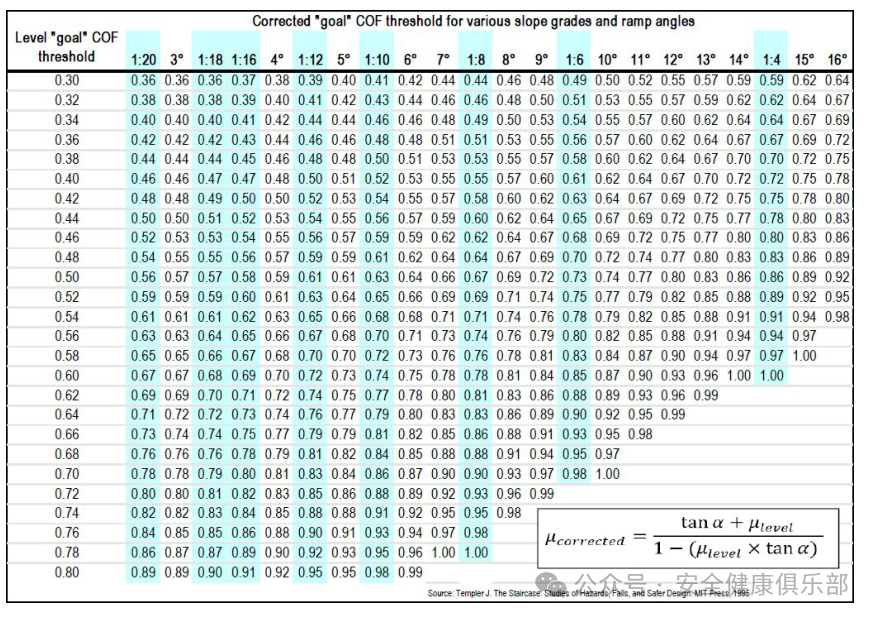
Specifies the minimum coefficient of friction (COF) for different areas, recommending a static COF ≥ 0.5 for chemical production areas, with adjustments needed for varying slopes. It is advised to use specialized slip-resistant flooring materials in critical areas such as filling and cleaning zones.
2. Risk Assessment System
Establish a regular risk assessment mechanism, with special attention to unique risk points in the chemical industry: material spills, equipment condensation, and wet floors after cleaning. A comprehensive assessment is required quarterly.
3. Slip Control Measures
Includes three levels of control: engineering controls (drainage systems, slip-resistant mats), management controls (cleaning procedures, warning signs), and personal protective equipment (slip-resistant footwear).
4. Training Requirements
Employees must receive slip safety awareness training, especially frontline operators in the chemical industry, who need to understand the relationship between material properties and slip risks.
4. Verification and Implementation
Verification Methods:
– Regularly test the floor slip resistance using a pendulum or traction slip meter.
– Establish a floor safety status register to record each inspection and corrective action.
Implementation Recommendations:
1. Conduct pre-slip assessments for new facilities to control risks from the source;
2. Integrate standard requirements into daily safety management systems;
3. Choose slip-resistant solutions suitable for the chemical industry, such as epoxy resin slip-resistant flooring and timely placement of absorbent materials;
4. Establish a cross-departmental collaboration mechanism to integrate EHS, production equipment, and logistics departments for joint implementation;
This standard provides a scientifically practical slip management framework for chemical enterprises. Its implementation can significantly reduce slip accident rates and enhance overall safety management levels.
#ChemicalSafety #SlipAndFall #SafetyStandards