Course Introduction:
TechWiz LCD 3D is currently one of the most mature software for liquid crystal display design and simulation. It can be used for LCD, TFT simulation, panel, optical, pixel design, and electrical performance simulation. As a software that can comprehensively simulate liquid crystal displays, it can achieve comprehensive simulation analysis functions in teaching and research work. It can be used in areas such as optoelectronic design for LCDs, electrode optimization design, precise analysis of LCD defects, and development of novel LCDs.
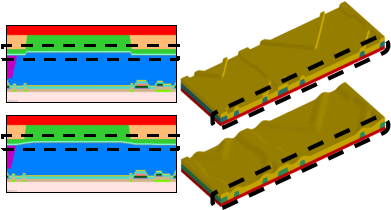
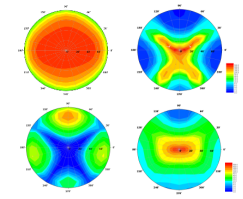
This course provides a comprehensive introduction to the basic operational functions of the TechWiz LCD 3D software, including software database creation, mask structure creation, 3D structure generation of display panels, optical analysis, liquid crystal dynamics analysis, color analysis, and capacitance-resistance extraction. It combines case studies such as TN mode, FFS mode, LCOS mode, and liquid crystal grating diffraction analysis to help users understand the convenient operations and powerful simulation features that the software brings to liquid crystal display panel simulation.
Course Outline:
1. Overview of TechWiz LCD 3D Software and Introduction to Database (TechWiz DB)
1.1 Creating materials such as LC, metal, insulator, and color film
1.2 Creating layer data, light source data, driving signals, and TFT models
1.3 Introduction to the TechWiz DB module operation interface
2. Introduction to TechWiz LCD 3D Software (TN Mode Modeling)
2.1 Introduction to TechWiz Layout Interface
2.1.1 Basic operations and condition settings in Layout
2.1.2 3D structure generation
2.1.3 Special function operation practice – etching and over-etching functions
2.2 Introduction to TechWiz LCD 3D Software Interface
2.2.1 Setting initial conditions for LC, optical conditions, and RC conditions
2.2.2 Analysis of modeling results in TechWiz Viewer
2.2.3 Special function operation practice – surface anchoring function
3. Case Modeling Analysis
3.1 LCOS Structure Modeling Analysis
3.1.1 Mask structure settings and 3D structure generation
3.1.2 Simulation condition settings
3.1.3 Analysis of modeling results
3.2 FFS Structure Modeling Analysis
3.2.1 Mask structure settings and 3D structure generation
3.2.2 Simulation condition settings
3.2.3 Analysis of modeling results
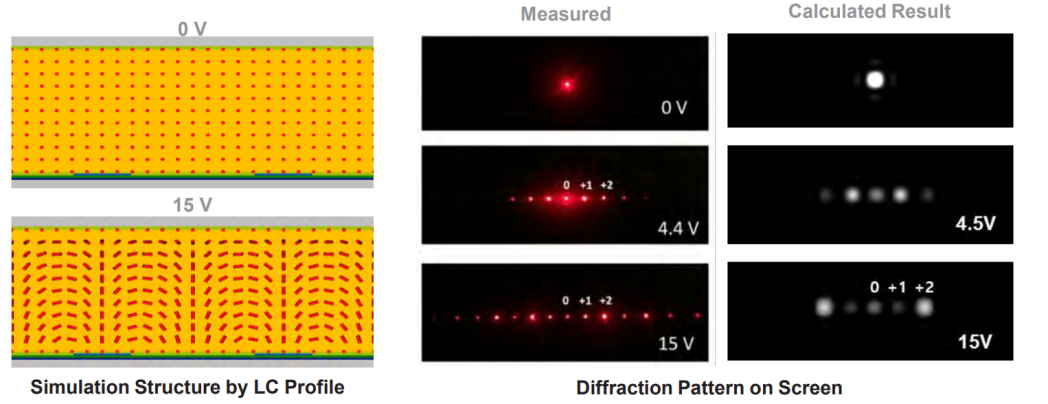
3.3 Diffraction Analysis (Slit Diffraction)
3.4 Diffraction Analysis (Liquid Crystal Phase Grating)