Under the strategy, there are numerous business opportunities.
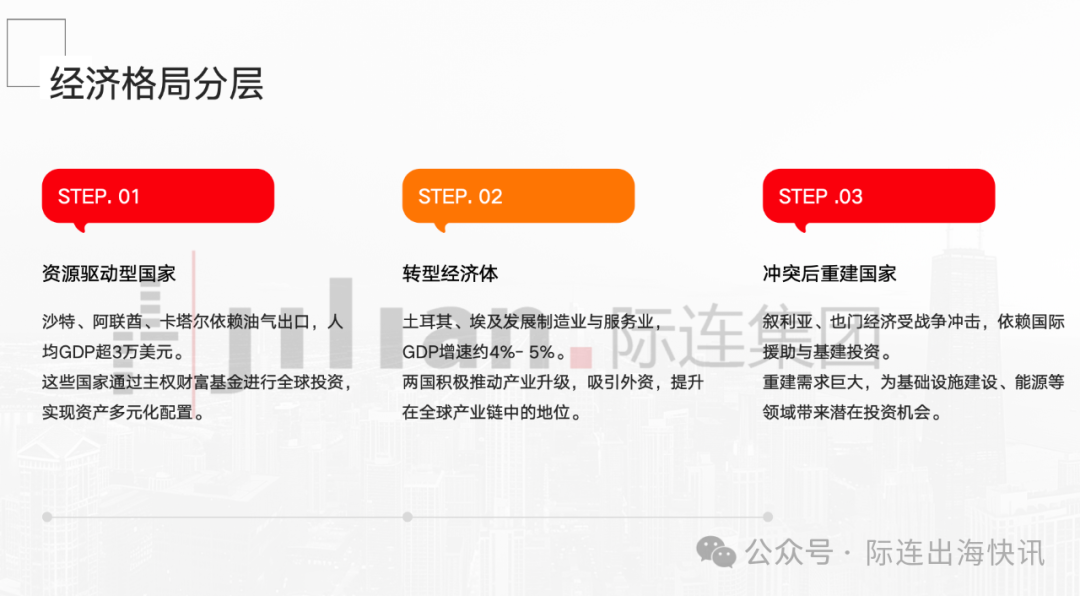
Since the introduction of national strategies such as the “Vision 2030” and “Vision 2031” by countries like Saudi Arabia and the UAE, these Gulf nations have consistently welcomed Chinese enterprises to participate in local manufacturing, infrastructure, and research fields, continuously optimizing the business environment to attract investments.
With the trend of global supply chain restructuring, Chinese enterprises are accelerating their “going global” efforts, actively or passively seeking new growth points to address challenges such as tariffs, export restrictions, and market diversification.
After President Xi Jinping’s visit to Saudi Arabia in 2022, China-Arab cooperation entered a golden period, with many enterprises shifting from “watching” to “starting out.” However, the Middle Eastern market places greater emphasis on industrial synergy and local value creation, and a financing-oriented single demand often struggles to materialize.

As geopolitical uncertainties rise, Chinese enterprises are gradually realizing that if they do not accelerate the layout of overseas production capacity, they may lose future market initiative. Consequently, more and more enterprises are establishing factories, offices, and joint ventures in the Middle East, transitioning from “seeking funds” to “developing industries,” and accelerating the pace of localization.
01Seizing New Opportunities in the Gulf Market
Policy dividends are being released intensively, and reforms are entering the fast lane.
In the past five years, the Gulf Cooperation Council (GCC) countries have continuously relaxed foreign investment access, with over 90% of industries now allowing foreign ownership; various economic and free trade zones have been established, offering favorable policies such as low tax rates, free capital movement, and fast-track licensing, significantly enhancing the ease of doing business.
The Saudi Industrial Development Fund (SIDF), as an important support platform, provides long-term loans covering up to 75% of capital expenditures and equipment subsidies worth tens of millions of dollars for key projects, significantly lowering the initial investment threshold for enterprises. The fund offers a variety of financing products based on different project types, covering needs from new projects to expansions of existing ones.
The Saudi Capital Market Authority (CMA) issued the “GCC Investor Direct Access Regulations” in July 2025, allowing individual investors in Gulf countries to open investment accounts directly without going through traditional brokerage intermediaries. This reform has increased trading efficiency by over 300%, greatly reducing investment barriers.
The policy window has fully opened, but special industries such as finance and data technology still require longer approval periods, and some operating licenses depend on coordination among multiple departments. The key to successful implementation lies in whether enterprises possess pre-planning and local collaboration capabilities.
02From Market Selection to Localized Operations
For Chinese enterprises planning to enter the GCC region, selecting the right market is the first step to success. Although the six GCC countries share some common characteristics, they differ in market size, policy environment, and development stages.
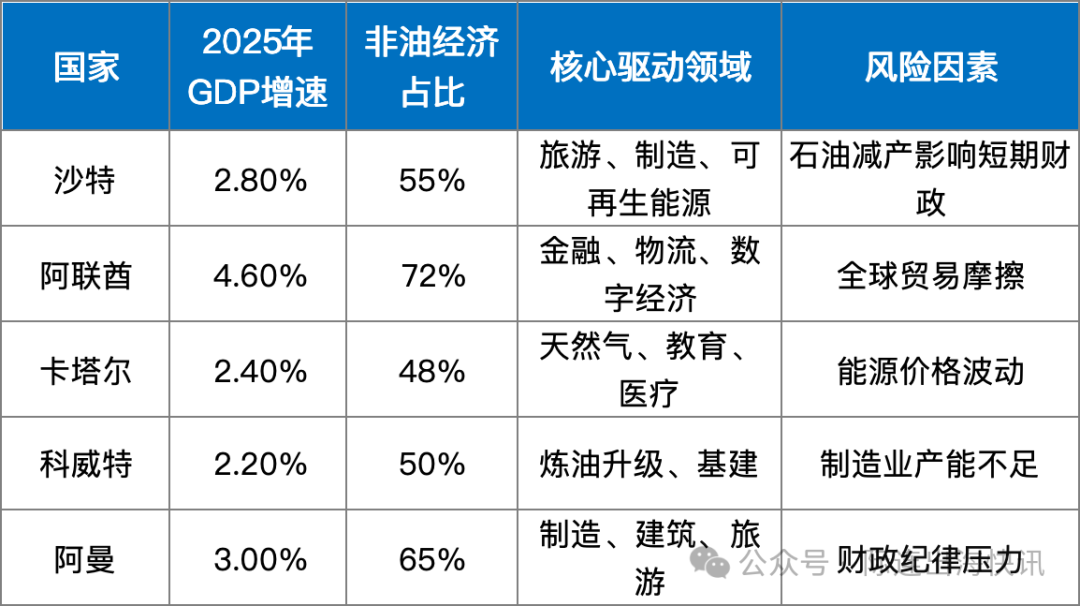
If enterprises value market size and demographic dividends, Saudi Arabia is undoubtedly the first choice; its gradually clarified regulatory environment and proactive industrial policies are particularly suitable for companies in the infrastructure sectors such as new energy and manufacturing.
For enterprises that prefer a mature market environment, the UAE is an ideal choice, with a high degree of internationalization and a sound legal system, particularly suitable for the rapid expansion of startups, digital economy, and fintech businesses.
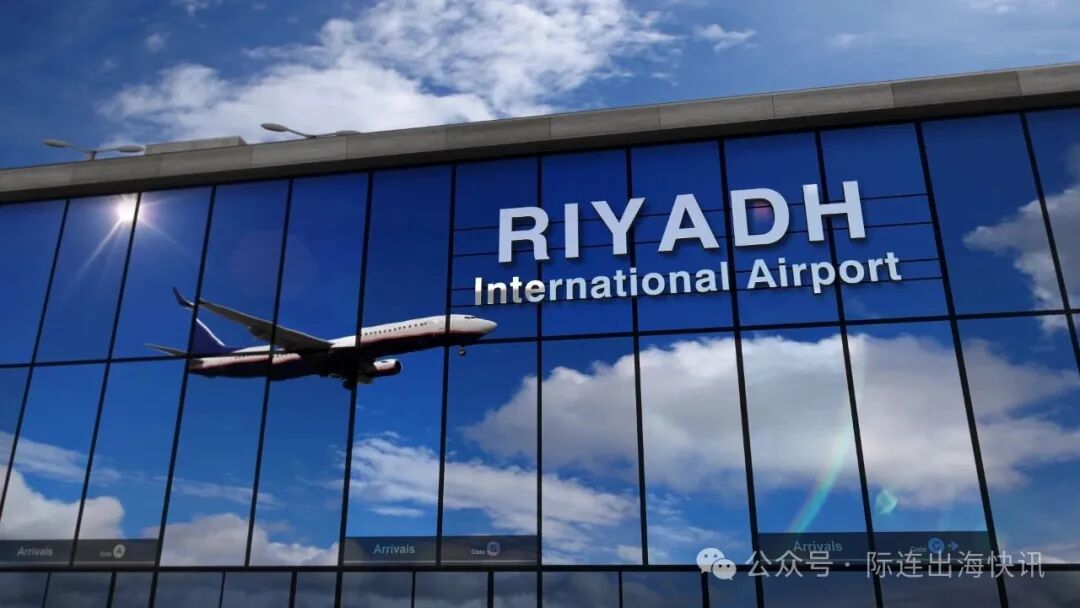
The first step is to establish a regional headquarters in Riyadh or Dubai, which can enjoy tax and licensing benefits. At the same time, to ensure smooth regional layout in the future, enterprises should plan product standards, compliance structures, and operational capabilities that are regionally adaptable when entering the first market, laying a solid foundation for expansion into multiple countries.
Although the Middle Eastern market is open, it places a strong emphasis on personal relationships and local networks. Enterprises must co-create and coexist in the local market, avoiding aggressive expansion. It is recommended that enterprises integrate into the ecosystem rather than engage in price wars to monopolize the market; establish deep cooperation networks with local peers, industry players, and government departments; and respect local culture and rules to prevent collective backlash during expansion.
 03Compliance Risk Prevention
In the practice of investing in the Middle East, enterprises must pay close attention to legal compliance, especially to resolutely avoid gray structures such as “proxy holding” or “nominee shareholders,” which are explicitly classified as criminal offenses in countries like Saudi Arabia, posing significant legal and reputational risks.
All investment structures must undergo strict scrutiny under local laws. For example, in Saudi Arabia, the local legal system is based on Islamic law, and an independent economic special zone legal system has not yet been established, leading to certain uncertainties in contract enforcement and judicial interpretation in practical operations.
Therefore, enterprises must “do their homework” during the entry phase and not underestimate the costs of legal consultation and structural design.
04Seizing Historical Opportunities for Win-Win Development
The Gulf region is currently undergoing a historic transformation, providing rare development opportunities for Chinese enterprises. With the deepening of strategies such as “Vision 2030,” GCC countries will continue to maintain an open attitude, welcoming Chinese enterprises to participate in their economic development and industrial diversification processes.

The key to successfully entering the Gulf market lies in: precise selection of tracks, deep localization operations, strict compliance with requirements, and establishing mutually trusting cooperative relationships. Chinese enterprises need to abandon the mindset of “making quick money” and truly root themselves in the local market, respecting local culture and social norms, and focusing on creating jobs and economic added value for the local community.
Only through a model of co-creation and win-win can Chinese enterprises achieve long-term sustainable development in the GCC market, succeed in this opportunity-rich land, and become an important bridge connecting China with the Gulf countries in economic and trade cooperation.