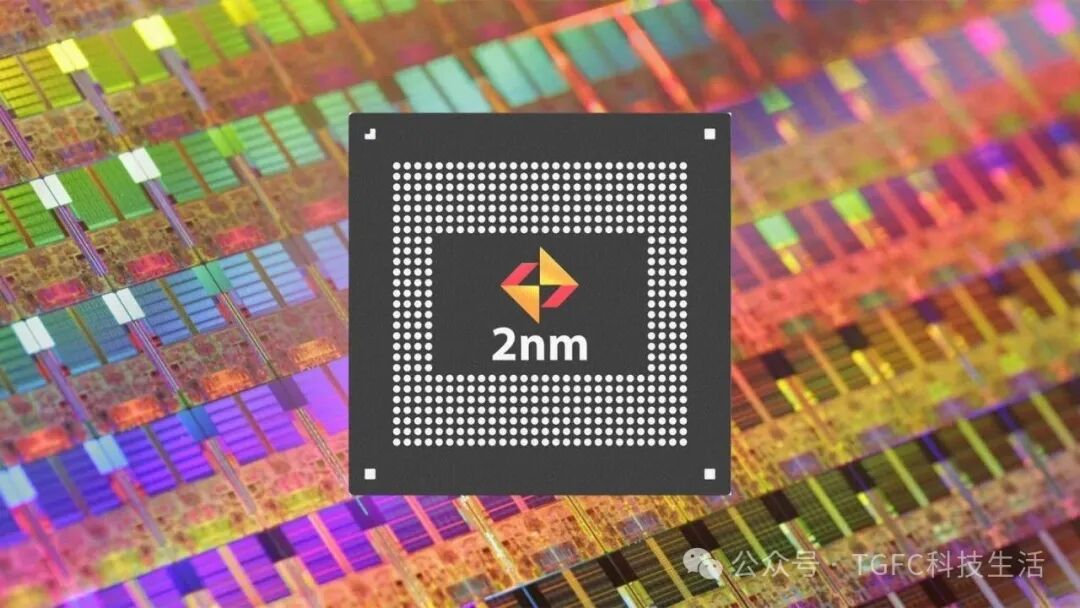
MediaTek has announced that its first flagship SoC using TSMC’s 2nm process has officially taped out, with a target for mass production by the end of 2026. The industry widely speculates that this could be the next-generation Dimensity (also known as Dimensity 9600). This news is not only significant for the smartphone industry but will also have a ripple effect on the entire semiconductor supply chain, smartphone manufacturers, and even consumers’ upgrade cycles. 📣🔬
What is tape-out, and why is everyone so excited about it?
“Tape-out” sounds like a technical term, but essentially it is the moment when a chip design is handed over to the factory to begin actual production—the official “submission” moment. MediaTek’s announcement of completing tape-out at TSMC’s most advanced 2nm (nanosheet/GAA) node means that the design team has submitted all complex circuit diagrams, packaging adaptations, timing verifications, and more. The next step is to send it for manufacturing and validation. Media and industry analysts generally believe this represents a critical step for MediaTek in technological competition and indicates that the performance ceiling of real devices may be raised. Would you pay for “technological leadership,” or do you care more about “price/user experience”? The comment section welcomes debate. 🧾➡️🏭
Is 2nm really worth it? The truth behind the paper advantages
TSMC’s 2nm process brings not just simple marketing terms butthree key benefits: performance leap at the same power consumption, significant power reduction at the same performance, and increased logic density (allowing more modules to fit in a smaller area). According to public reports, N2 shows significant improvements in performance and power consumption compared to N3E (for example, common data like “performance improvement of about 18% at the same power consumption, and power consumption reduction of about 36% at the same frequency”). What does this mean for smartphones? Longer battery life, lower heat generation, stronger local AI computing capabilities, and possibly more aggressive multi-chip packaging attempts (such as integrating more RAM, NPU, and ISP into the same package). But don’t forget—the more advanced the process, the greater the yield and cost pressures. Early adopter devices often come at a higher price, and the first models may encounter calibration and compatibility issues. Would you buy a phone with 2nm technology in the first batch, or wait for the second round when yields stabilize? 🤔💸
Dimensity 9600? Or don’t rush to label it (news and speculation)
Currently, media widely speculate that this taped-out chipcould be the Dimensity 9600 (or the next-generation flagship naming from MediaTek), as MediaTek is also promoting the Dimensity 9500 (with a new product launch on September 22), while the 2nm version is expected to take longer to reach mass production (targeting the end of 2026).Importantly: MediaTek has confirmed the fact of tape-out but has not fully revealed the final product name and mass production details at the same time. Therefore, equating it directly with a specific model is premature, but it can be confirmed that MediaTek is accelerating its collaboration with TSMC, entering the same competitive arena as Qualcomm, Apple, and other players from a high-end process perspective. Do you believe that “more advanced processes = better experience”? Or do you think “manufacturer scheduling” is more important? Let’s see in the comments. 🚩🤝
Mass production timeline and industry impact—who will be squeezed out?
MediaTek states that the goal is to achieve mass production by the end of 2026, and industry media have reported a similar timeline. This means that in the next 12–18 months,TSMC, MediaTek, and the entire supply chain (packaging, testing, smartphone manufacturers) will enter a high-intensity trial production and tuning period. There are two points to be cautious about: first, “capacity allocation,” if Apple, Qualcomm, MediaTek, and others compete for the initial 2nm capacity, it may lead to tight chip or foundry supply in the short term; second, “premium and pricing,” high-end process costs are high, and the first batch of devices may be positioned as premium flagships. For consumers, whether the benefits of 2nm can ultimately translate into a “great device” depends on how manufacturers balance price and experience. Are you more worried about “shortages and price increases,” or are you looking forward to “new technology bringing qualitative changes in experience”? 📈🏷️
What does this mean for us ordinary users (benefits and compromises coexist)
Ultimately, this news and technological advancement come down to a realistic judgment:2nm will indeed bring more AI capabilities and battery life to our pockets, but this usually requires going through the three steps of “launch—tuning—price reduction”. If you are a heavy user of photography, mobile AI, or high-frame-rate mobile games, the arrival of the 2nm era may significantly improve your experience (for example, faster local image processing, longer recording times, and lower throttling probabilities). But if you care more about cost-effectiveness, it may be more suitable to wait for the second-generation models to enjoy the benefits of mature processes at a lower price. Finally, I ask everyone a question: If manufacturers lock “truly usable AI features” behind high-priced flagships, would you choose to pay for the capabilities or continue to wait and see? I look forward to your voice in the comments. 🗳️🔋
#MediaTek #Dimensity9600
Previous Recommendations
Dimensity 9500 Leak Analysis: Has MediaTek Swapped the “Small Knife” for a “Big Cleaver”?
2025-09-03
Finally turning the tide? MediaTek’s Dimensity phones simulate PC games, can the Mali GPU finally compete with Snapdragon?
2025-07-31
MediaTek suddenly announces: 2nm chip tapes out by the end of the year, directly competing with Snapdragon 8 Elite 2, is TSMC laughing out loud?
2025-05-21
If you like this public account, please help by liking, sharing, viewing, and rewarding! Thank you all!